ABC News Daily
by ABC Australia
ABC News Daily is the podcast that helps you understand the issues affecting your world. Every episode, host Samantha Hawley walks through one story with the help of an ABC colleague or expert in under 15 minutes. When you want coverage you can trust, listen to ABC News Daily. From interest rates, real estate and the housing crisis, to scams and US politics, ABC News Daily brings you facts and analysis you need to understand the biggest news stories. The podcast covers news from America, with analysis of the Donald Trump administration in the White House. His actions, including threats of...
Episodes
What’s driving the AI backlash?
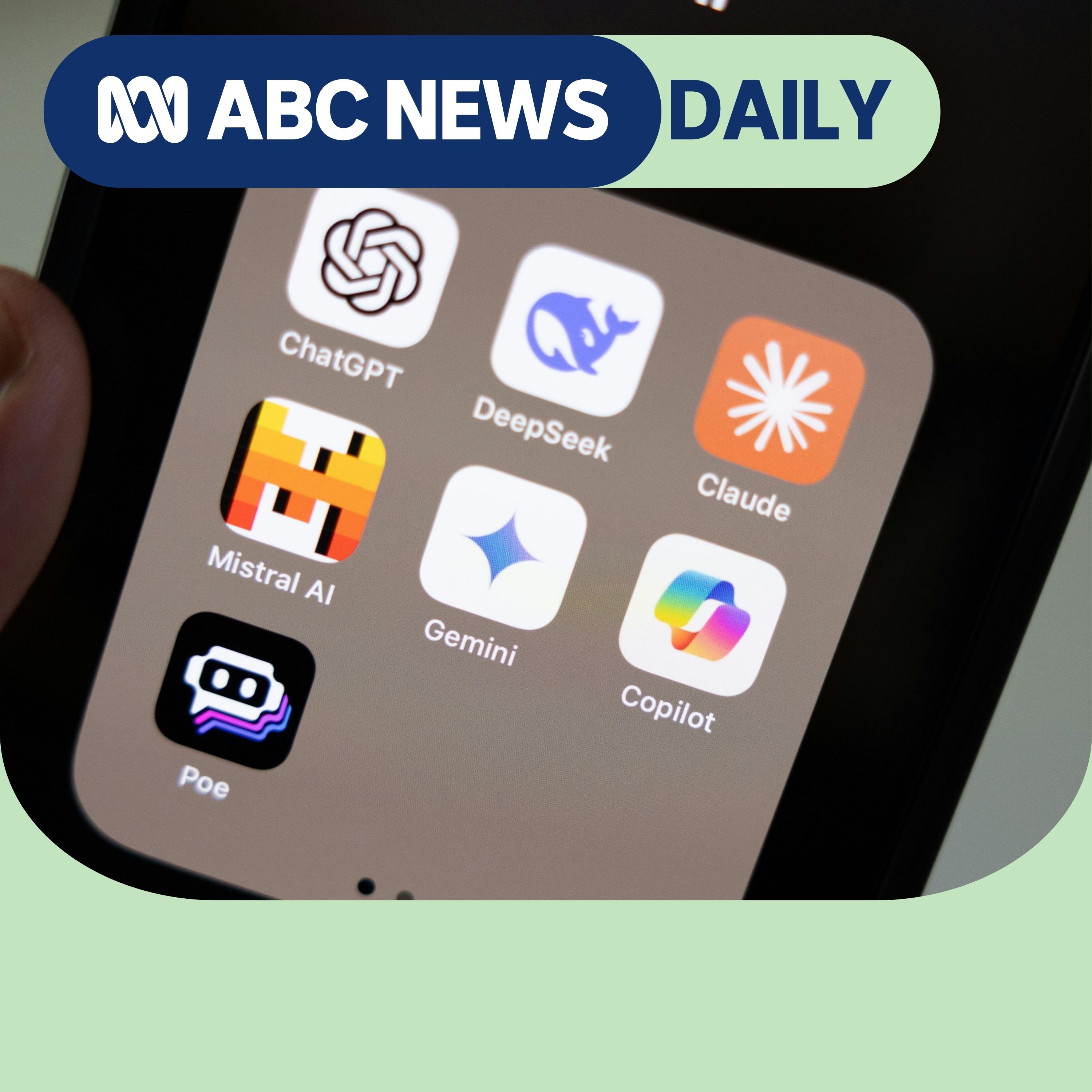
America’s big tech bosses are trying to get artificial intelligence deployed everywhere, taking over our homes, our hobbies and our work. By now, most of us are using AI for daily tasks, even if by accident. But it doesn’t mean we all agree with the path we’re on and increasingly people are voicing their concerns about the AI revolution. Today, the ABC’s national AI reporter Cam Wilson on the growing backlash. Featured: Cam Wilson, ABC’s national AI reporter
Why Trump brought UFC 'savagery' to the White House
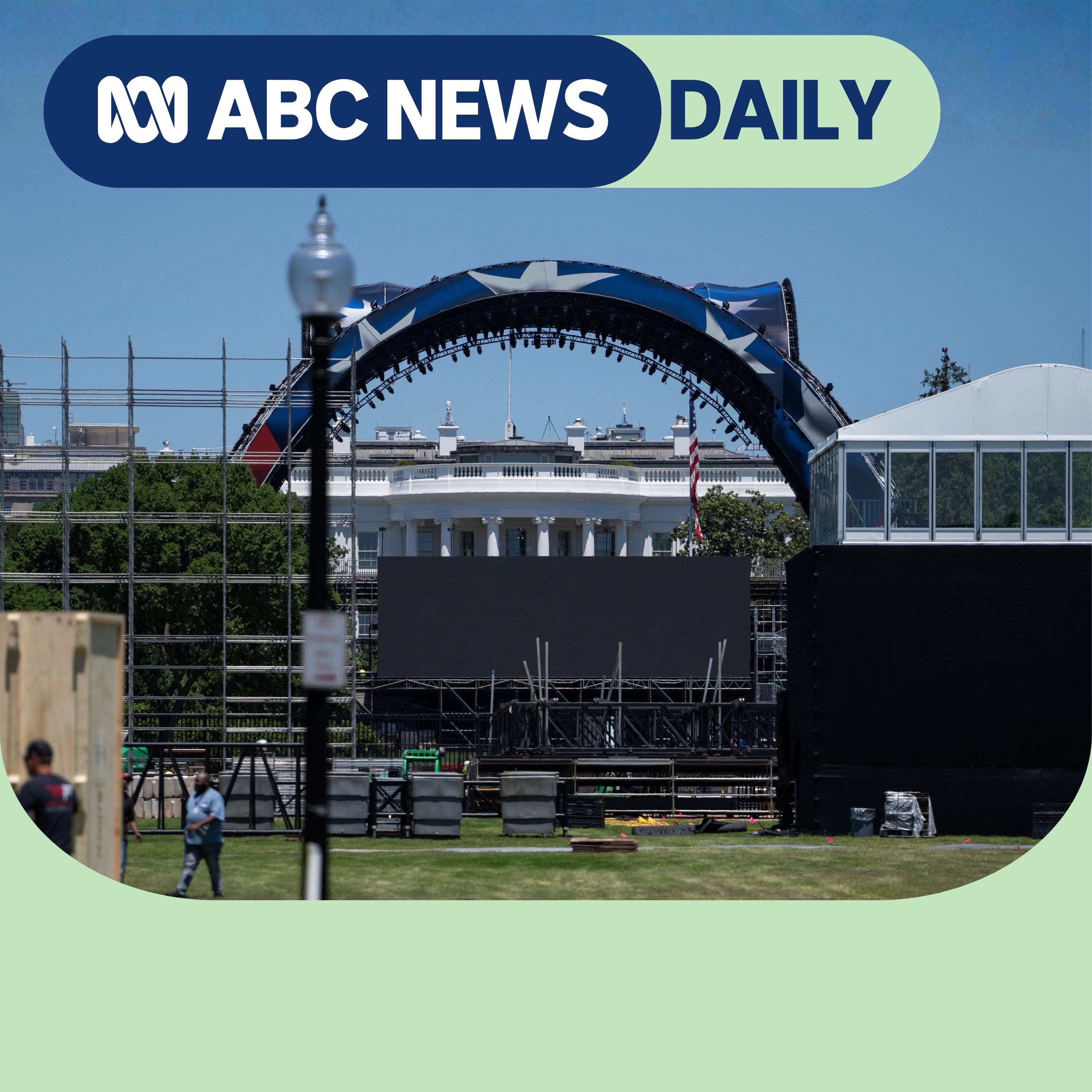
Donald Trump is pondering whether a UFC cage could become a permanent fixture on the South Lawn of the White House after a fight takes place there on his 80th birthday. Today, Sally Jenkins from The Atlantic magazine on Trump’s deep links to the mixed martial arts organisation. We explore how bringing the sport’s ‘savagery’ to the seat of power in the US is all part of Trump’s norm-breaking style and aggressive approach to politics. Featured: Sally Jenkins, a staff writer at The Atlantic
Why AUKUS delivers second-hand subs
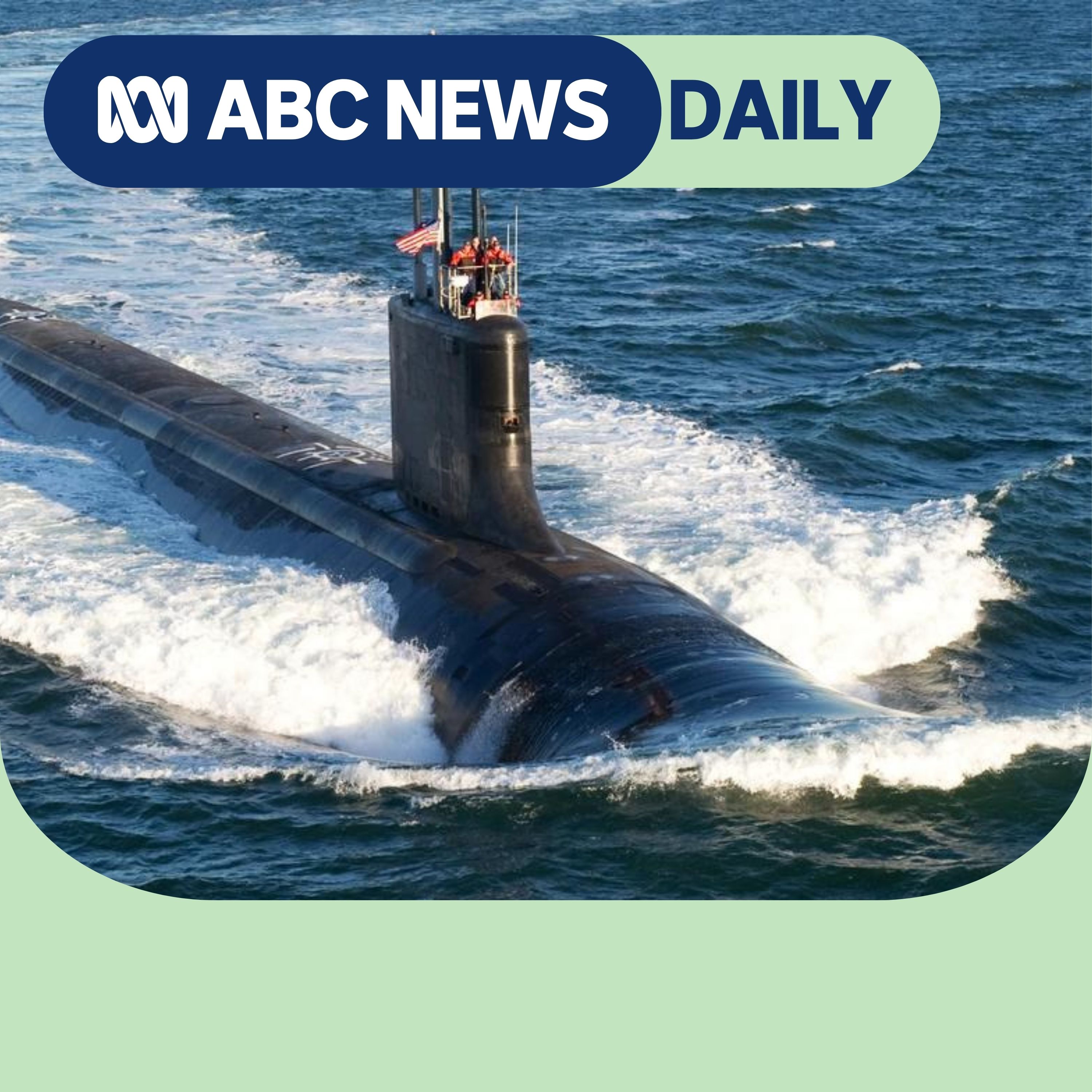
Should we be spending up to $368 billion on nuclear powered submarines over the next 30 years? Peter Garrett, the former Labor Minister and Midnight Oil star doesn’t think so. He’s set up a crowdfunded inquiry into the AUKUS submarine deal. It follows the government revealing the original agreement has changed a bit with the US to switch out one new sub for a second hand one. Today, Sam Roggeveen, director of the Lowy Institute’s International Security Program, on the growing concerns about the deal and what we really need to defend Australia. Featured: Sam Roggeveen, director of the Lowy Institute’s International Security Program
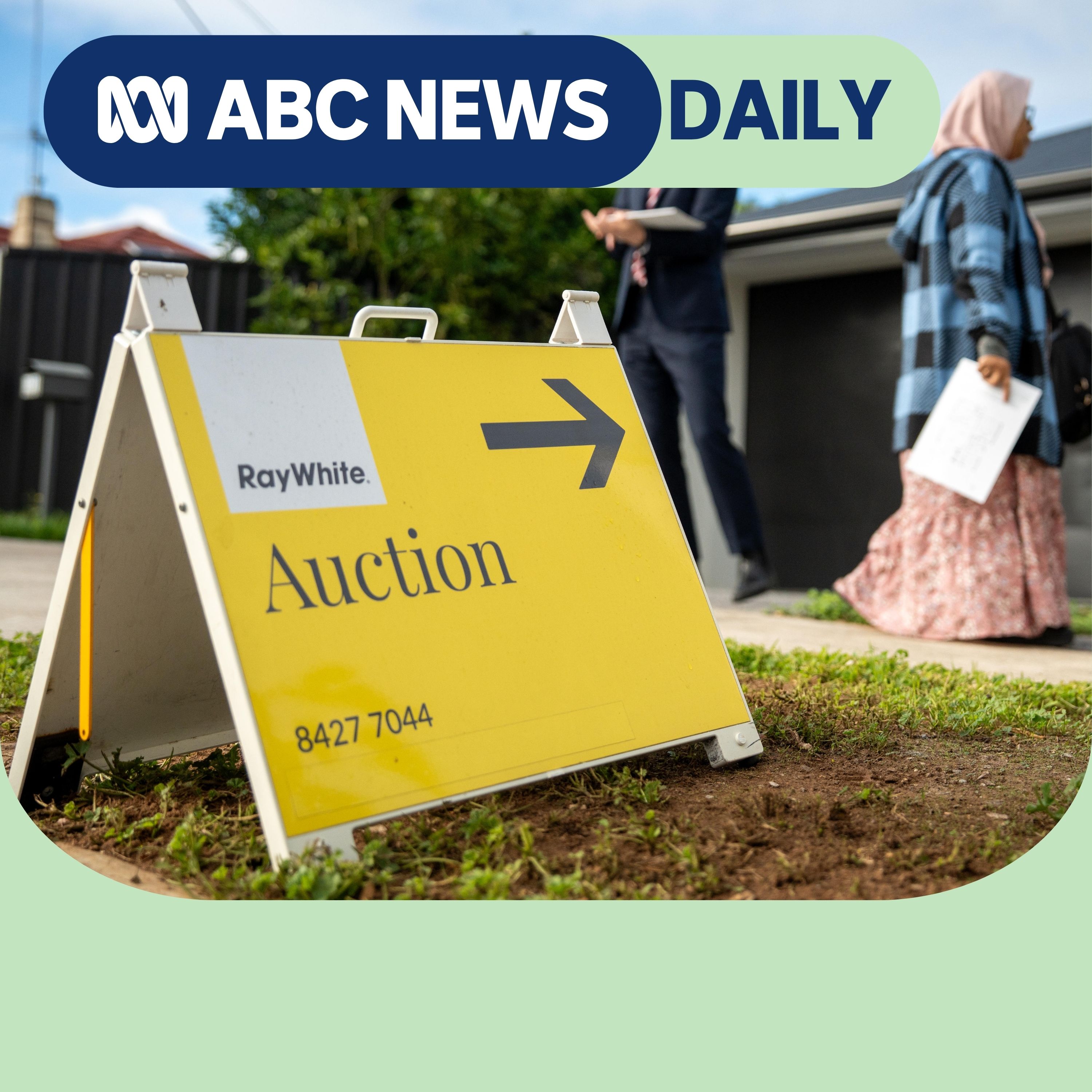
Is the era of surging house prices over?
House prices have begun to fall, with Sydney and Melbourne leading the downward trend. So, will they bounce back or could it be, as some forecasts suggest, the start of a new cycle where house prices remain stagnant for decades. Today, business editor Michael Janda on why this could be the correction young Australians have been waiting for. Michael was also on Monday’s episode of ABC Business Daily with Carrington Clarke, discussing the latest house price data. Listen here: Why property is flatlining Featured: Michael Janda, ABC Business Editor
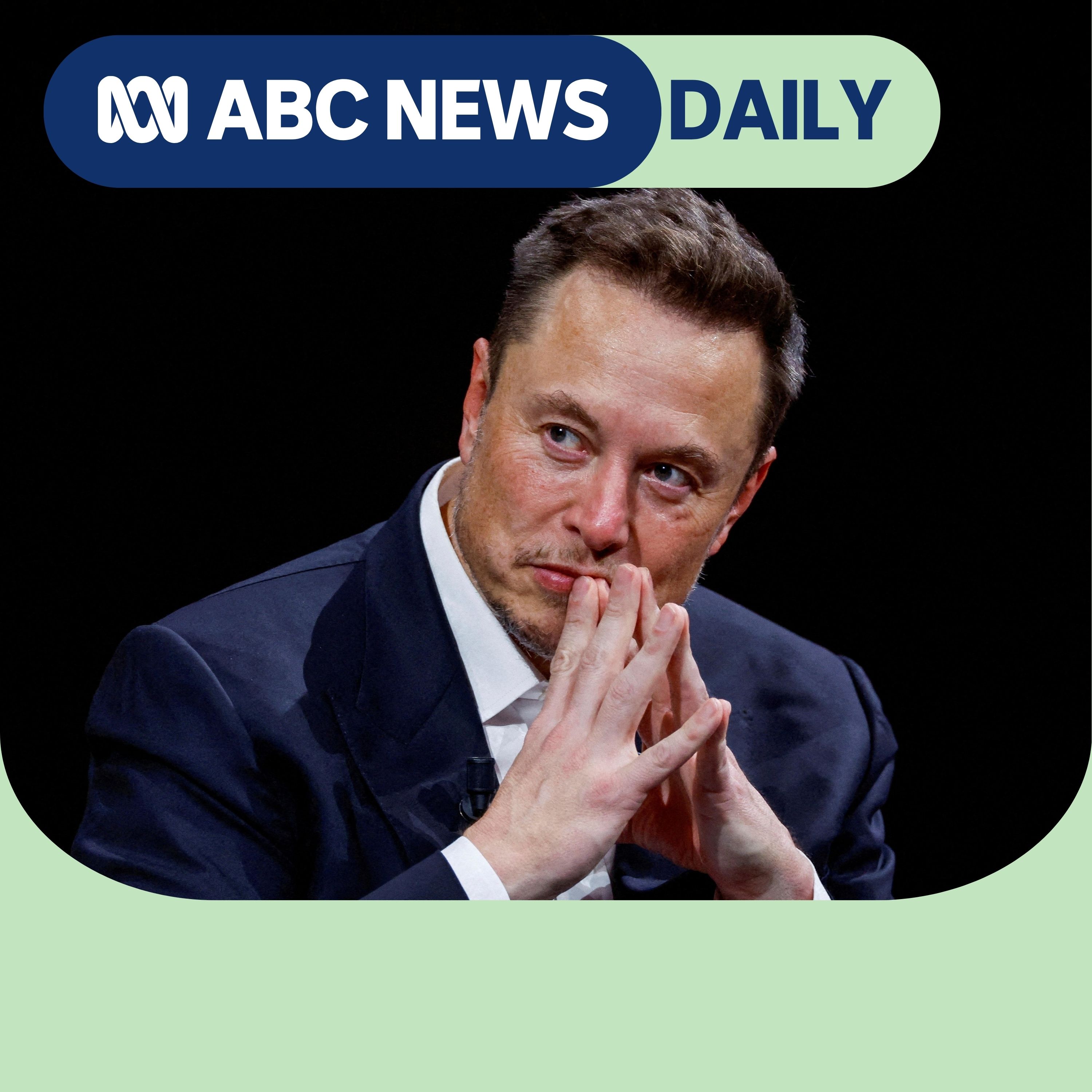
Who will invest in Elon Musk’s SpaceX vision?
Do you believe that Elon Musk can establish a colony on Mars of a million people or launch data centres into space? If you do, you might be thinking of investing in SpaceX which will go public on the Nasdaq stock market this month. Even if you have your doubts, you might just gamble on Musk anyway for fear of missing out. Today, Quinn Slobodian, co-author of ‘Muskism: A Guide for the Perplexed’ on Musk’s $1.8 trillion valuation. Featured: Quinn Slobodian, Professor of International History at Boston University and co-author of ‘Muskism: A Guide for the Perplexed’
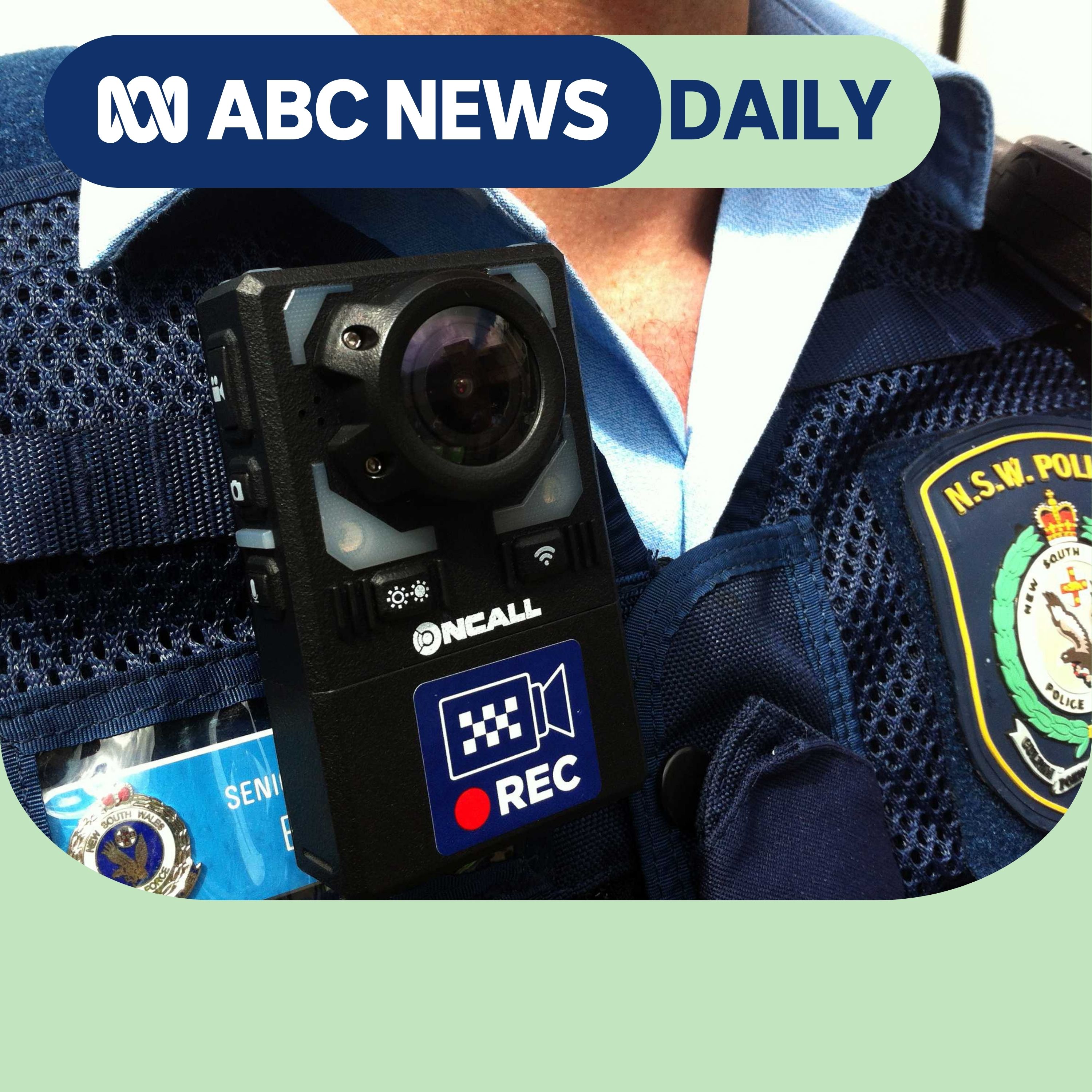
Who’s policing the NSW police?
The New South Wales Police Force was so corrupt in the 1990s a royal commission was formed and it was forced to clean up its act. These days it’s the most complained about force in the country and it’s the national leader in legal payouts, costing taxpayers tens of millions of dollars. Today, Four Corners reporter Dylan Welch on his investigation into cases of police abuse and misconduct. Featured: Dylan Welch, Four Corners reporter
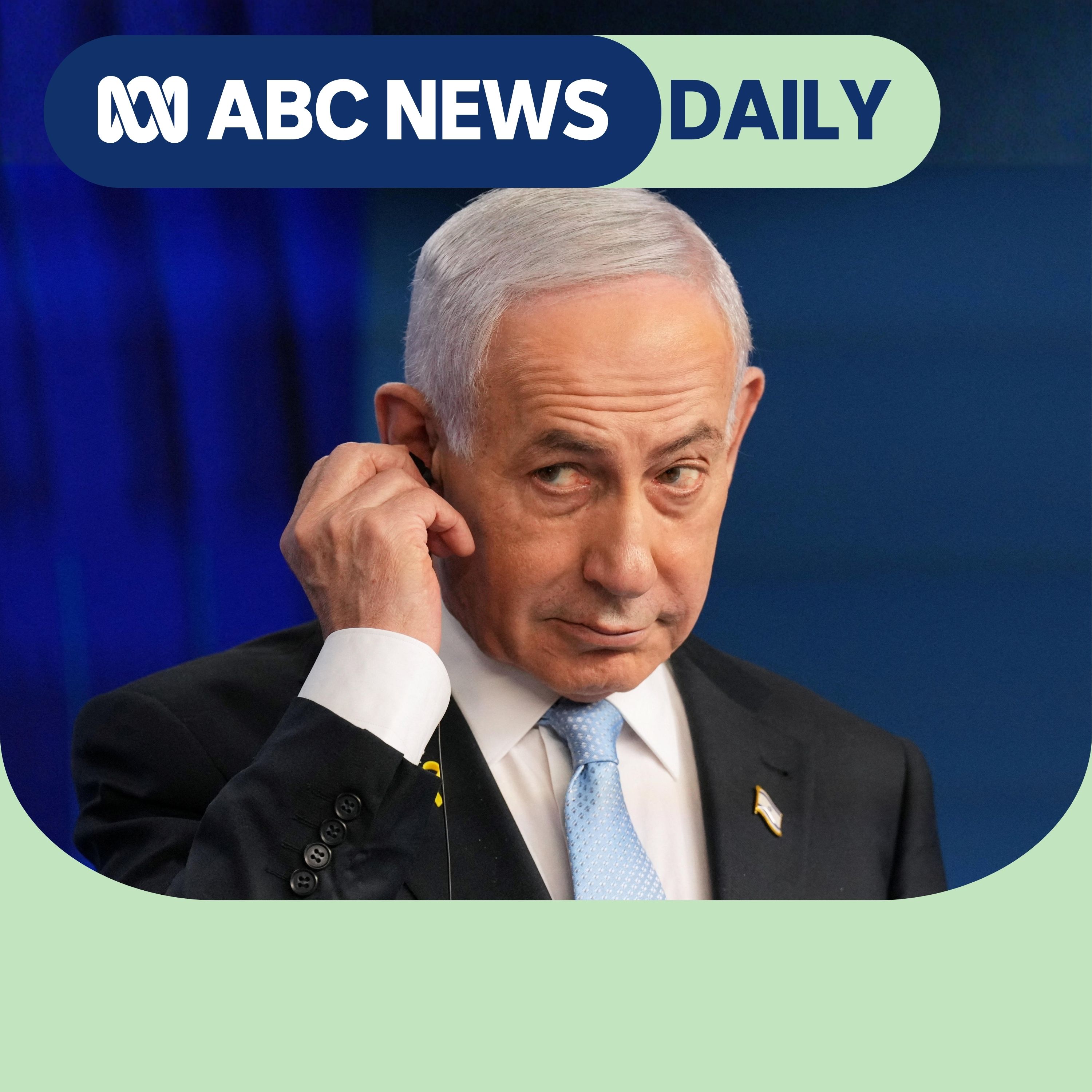
Are Netanyahu’s days numbered?
The US military is striking Iran and Israel has ramped up its attacks in southern Lebanon. Is there really a chance of a peace deal? And does the Israeli leader Benjamin Netanyahu even want one as he faces an election within months. Today, Dov Waxman, professor of Israel studies at UCLA on Netanyahu’s political future. Featured: Dov Waxman, Rosalinde and Arthur Gilbert Foundation Chair of Israel Studies at the University of California, Los Angeles
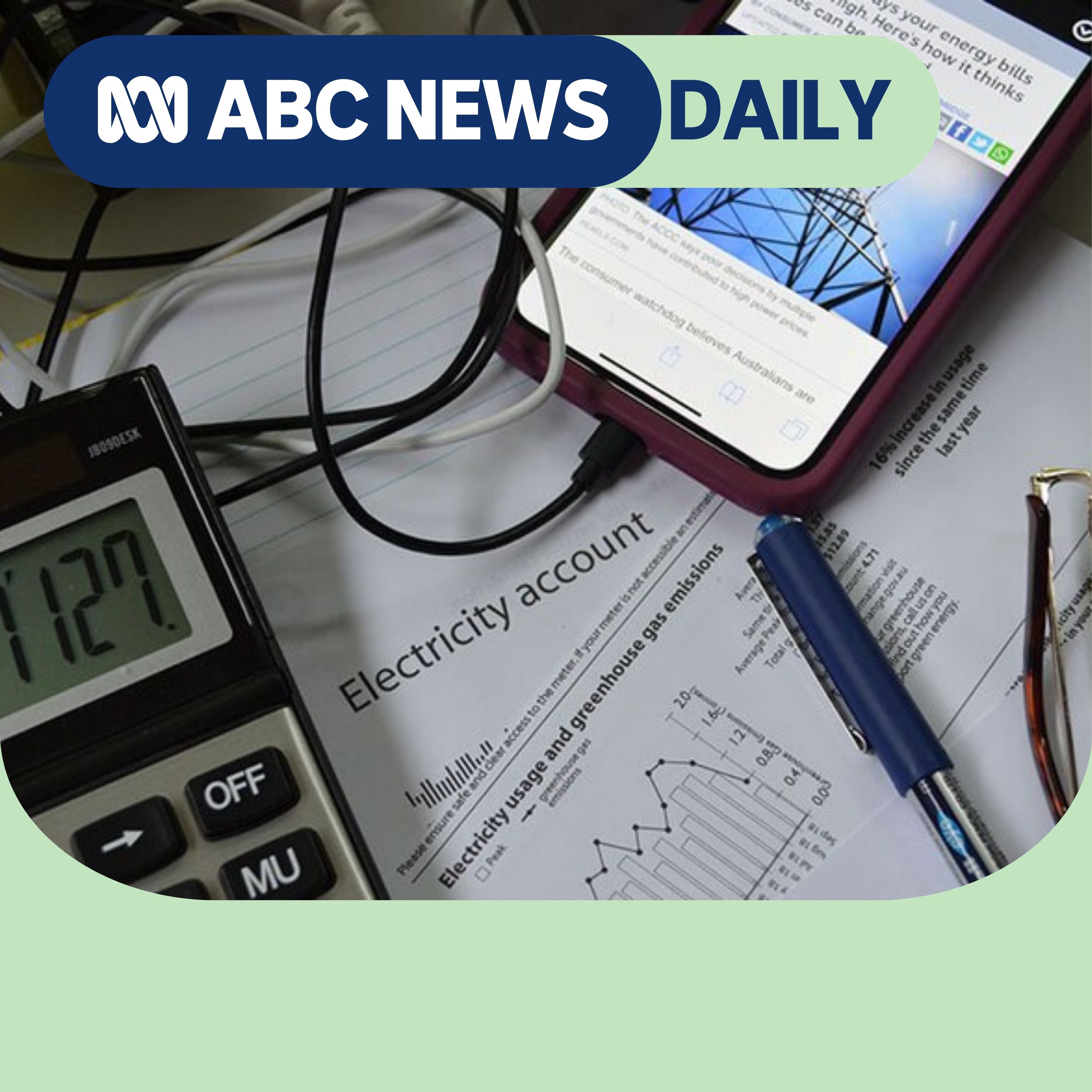
Why power bills are falling despite the Iran war
Australians have had a rough few years when it comes to power bills, with the war in Ukraine helping send global energy prices soaring. But now, despite ongoing conflict overseas, electricity prices are finally set to fall for homes and businesses. Today, ABC energy reporter Dan Mercer on the battery boom driving down prices and whether more bill relief is on the horizon. Featured: Dan Mercer, ABC energy reporter
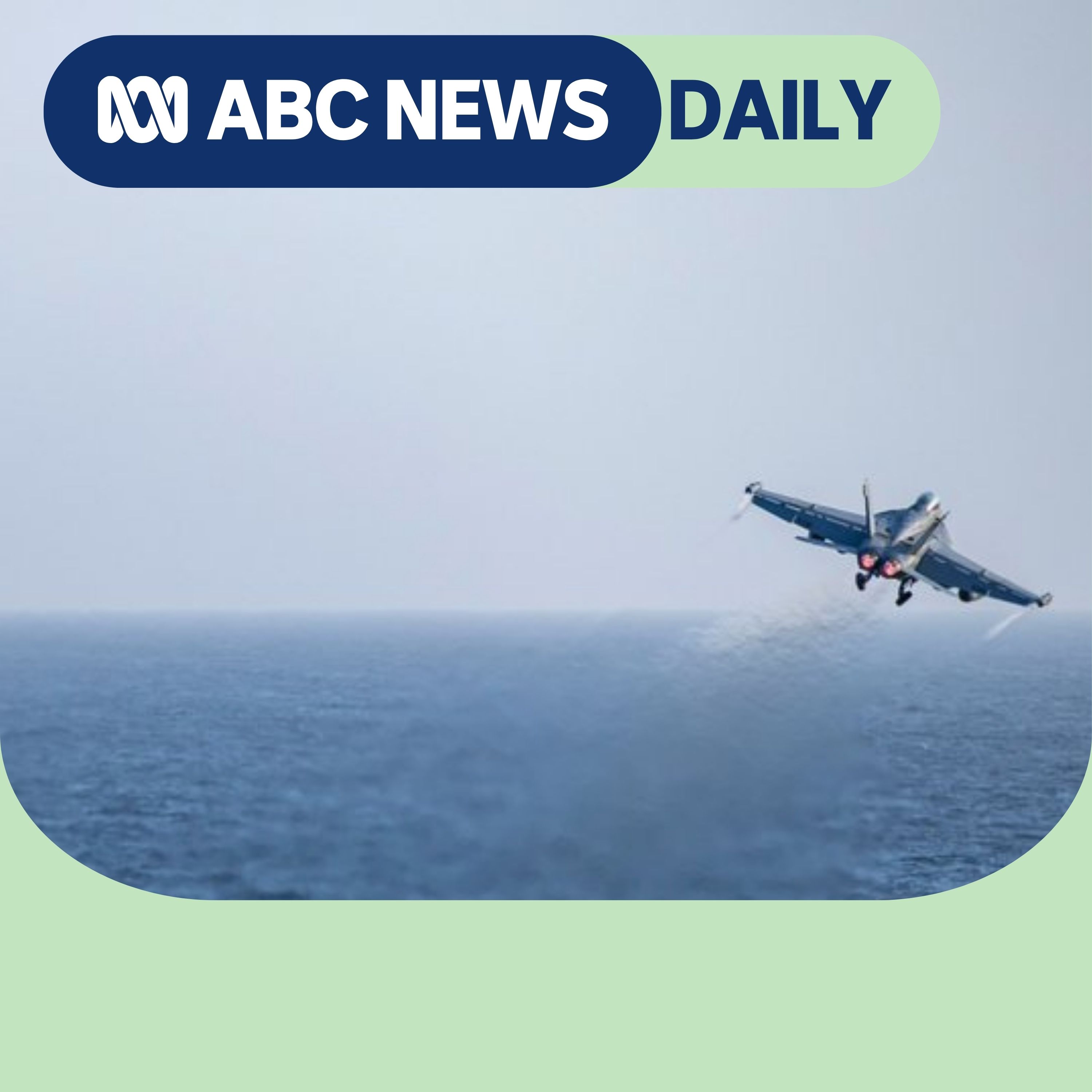
Can Iran peace talks survive new US strikes?
Peace talks in Qatar had barely begun when the US initiated a new wave of strikes against Iran. The US says targeting Iranian boats and missile sites was an act of self-defence, but what will it mean for a deal to end the war? Today, Hussein Ibish from the Arab Gulf States Institute explains what the US President actually needs to finally walk away from a conflict he no longer wants. Featured: Hussein Ibish, senior resident scholar at the Arab Gulf States Institute
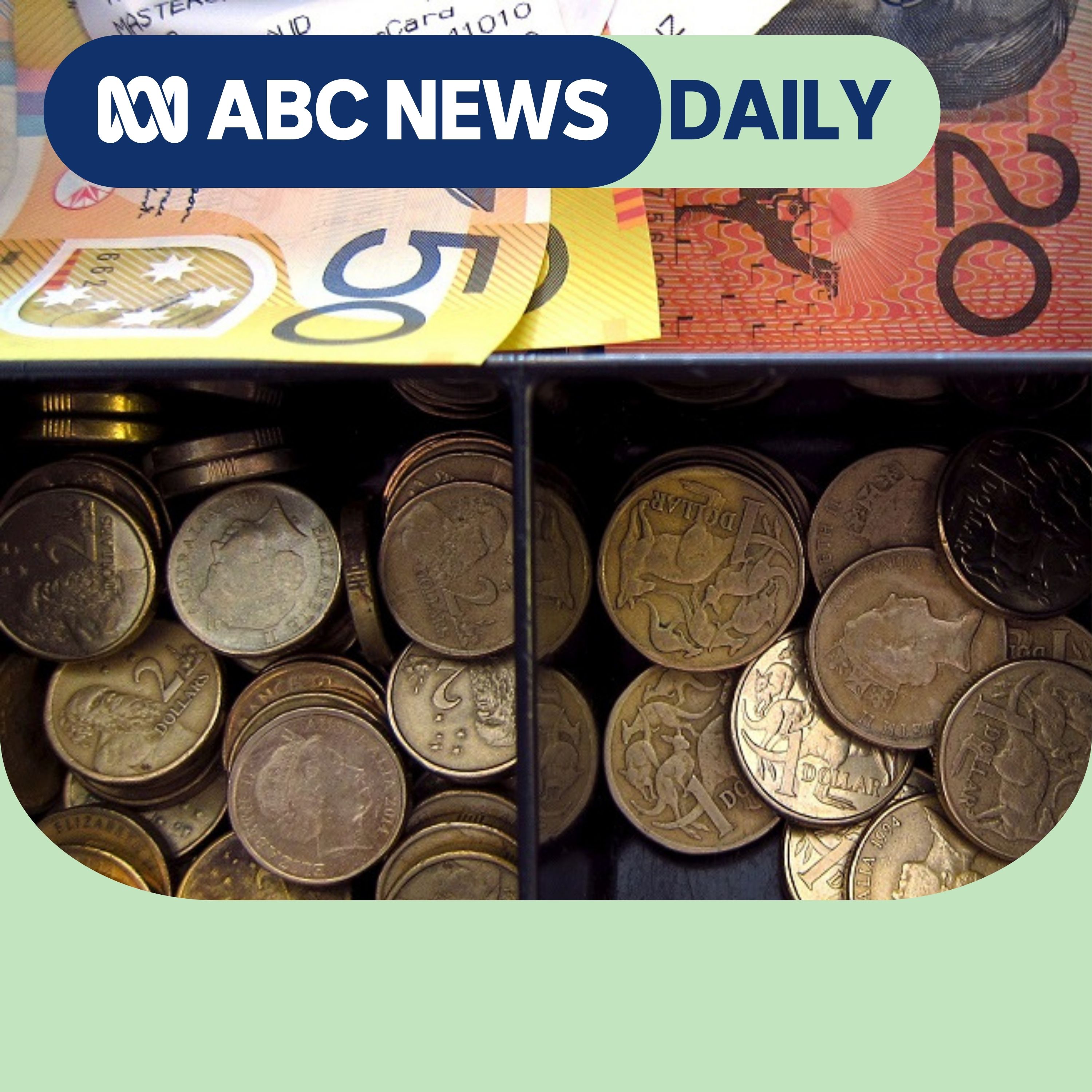
Will tax changes really kill small businesses?
Memes featuring an AI-generated Prime Minister Anthony Albanese claim he’s effectively taking a 47 per cent stake in businesses. But what’s the reality of the government’s budget tax changes? Today, we speak with a small business owner who’s concerned about the economic realities of doing business in Australia. We also speak with an economist about the implications of the changes for how Australians build wealth. Featured: Sarcha Thurston, Owner of Yogahub Susan Stone, Credit Union SA Chair of Economics at Adelaide University
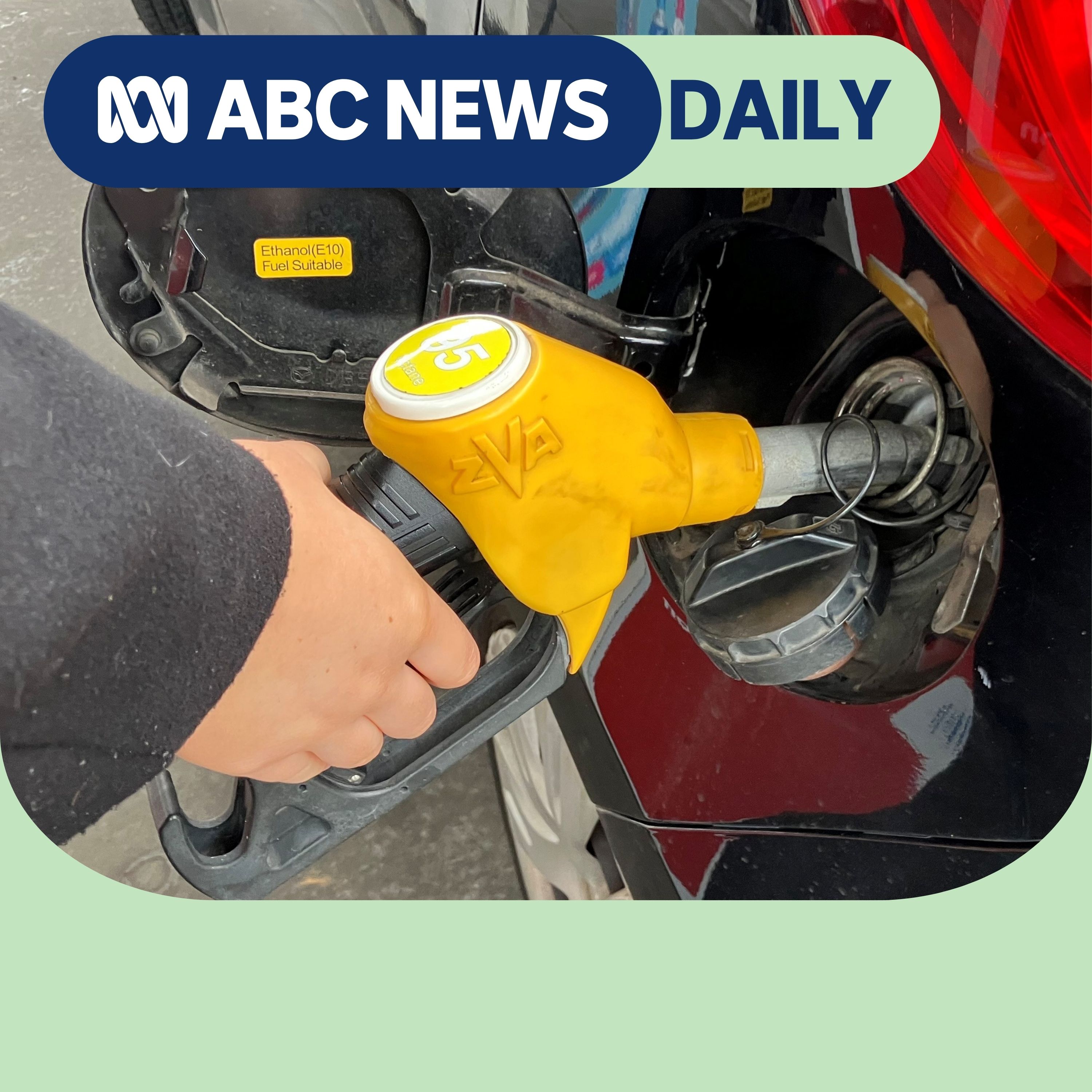
Is the global fuel crunch about to hit us?
The cost of fuel across Australia has come off its highs, despite there being no resolution yet to the war in Iran and the closure of the Strait of Hormuz. But don’t get comfortable because the real pain from the global oil crunch hasn’t really hit us yet. Today, Saul Kavonic, energy expert at MST financial, on how we’ve weathered the storm so far and what could happen in the months ahead. Featured: Saul Kavonic, energy analyst, MST Financial
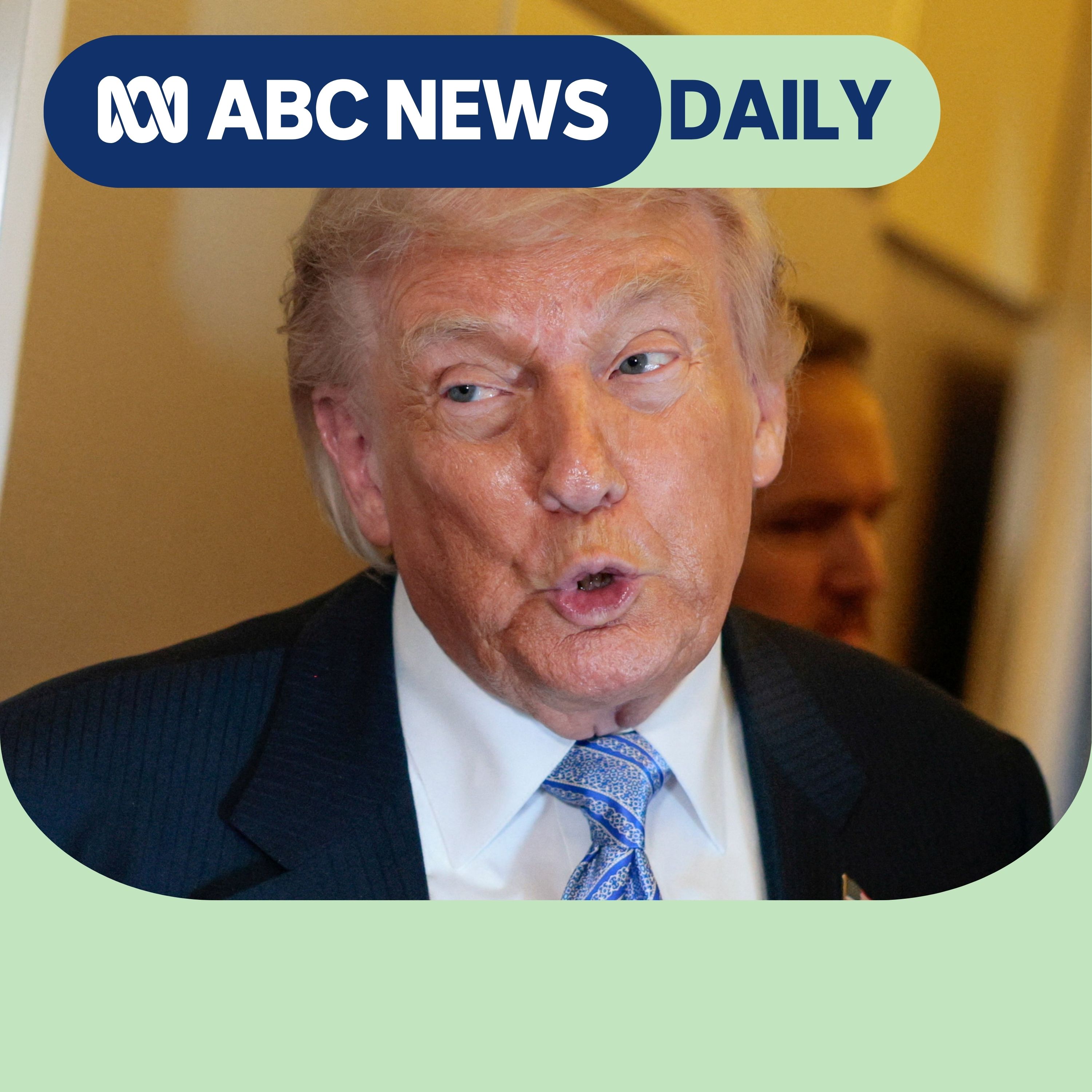
Has Trump been defeated by Iran?
It’s almost three months since Donald Trump began the Iran war, but is there any chance that America can achieve anything that looks like victory? As the US president considers whether to launch new strikes or pursue a compromise deal, what would Iran actually agree to? Today, Robert Malley, a lead negotiator on the 2015 Iran nuclear deal on why a new deal might look just like Barack Obama’s and how the quagmire can be compared to the Vietnam war. Featured: Robert Malley, Special Envoy for Iran in the Biden administration and now a lecturer and Senior Fellow at the Yale Jackson School of Global Affairs
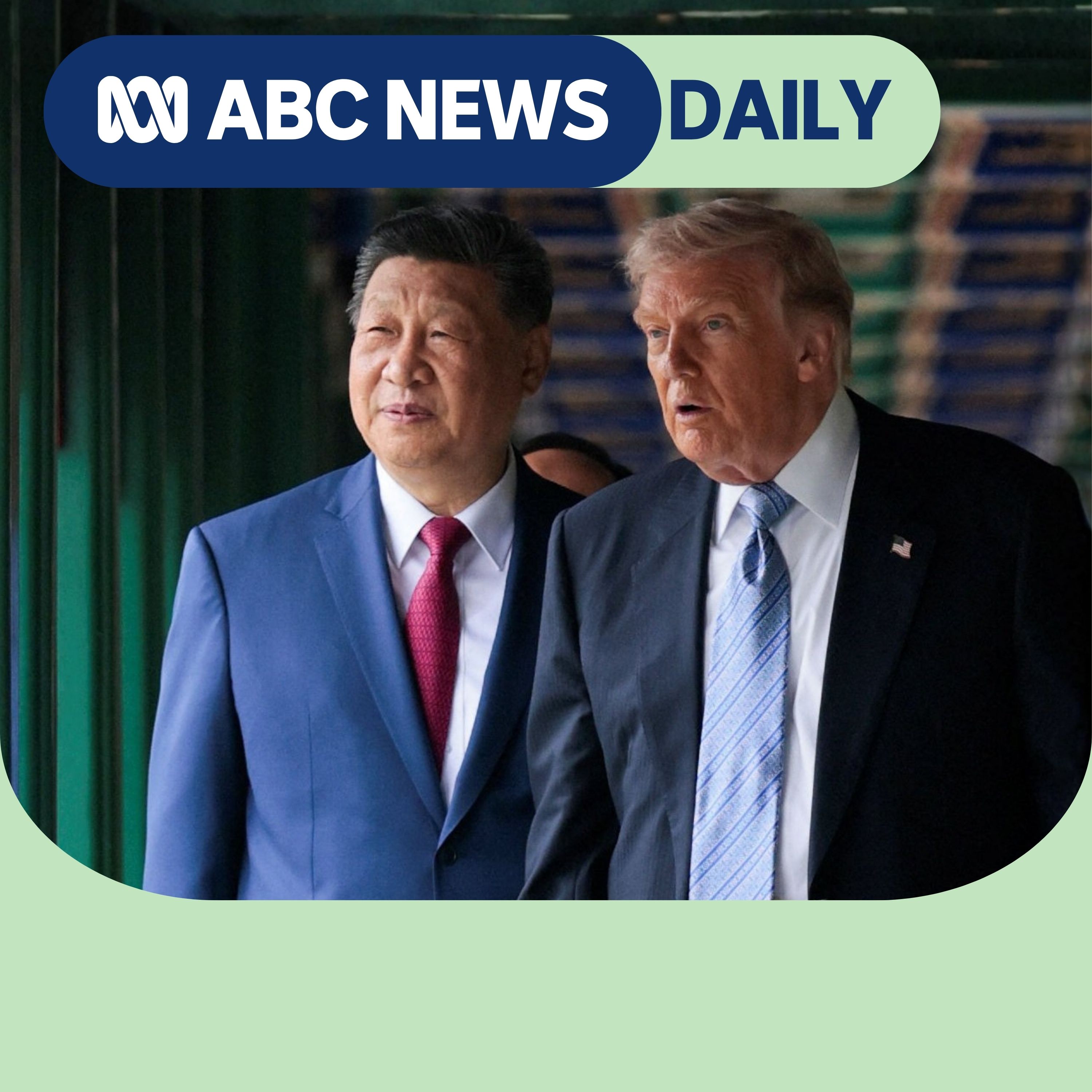
China’s warning to Trump on Taiwan
There are questions about the future of Taiwan after Donald Trump declared he’s “not looking to have somebody go independent”. The US president met China’s leader in Beijing and says Xi Jinping asked him whether the US would defend Taiwan. What do Trump’s comments mean for US-China relations and how likely is a Chinese invasion of the self-governed island? Today, Samir Puri, visiting lecturer in war studies at King’s College London on President Xi Jinping’s warning to Trump and whether the Chinese are ready for war. Featured: Samir Puri, visiting lecturer in war studies at King’s College London
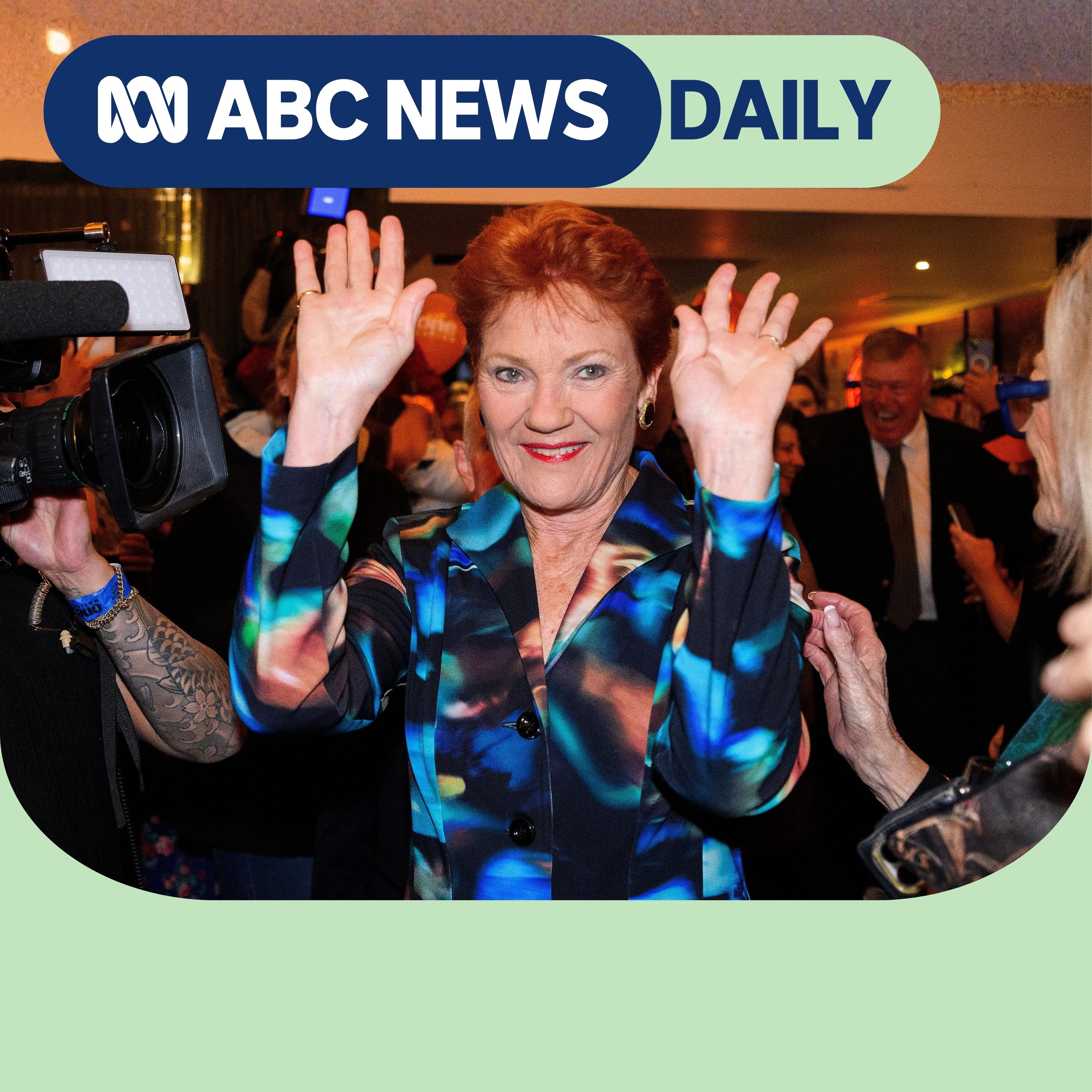
Is the budget bold enough to stop One Nation’s rise?
Labor wants its budget to be seen as a concrete step towards levelling the playing field between the generations. But Newspoll suggests it’s the most unpopular federal budget in more than 30 years. Across the polls, Labor’s support is steady or declining, while One Nation rises above the Coalition. Will bolder economic policies from Labor and the Coalition stop the collapse of Australia’s two-party system and the rise of minor parties and independents? Today, Michelle Grattan, political correspondent at The Conversation and professorial fellow at the University of Canberra on the reaction to the budget. Featured: Michelle Grattan, political correspondent at The Conversation and professorial fellow at the University of Canberra
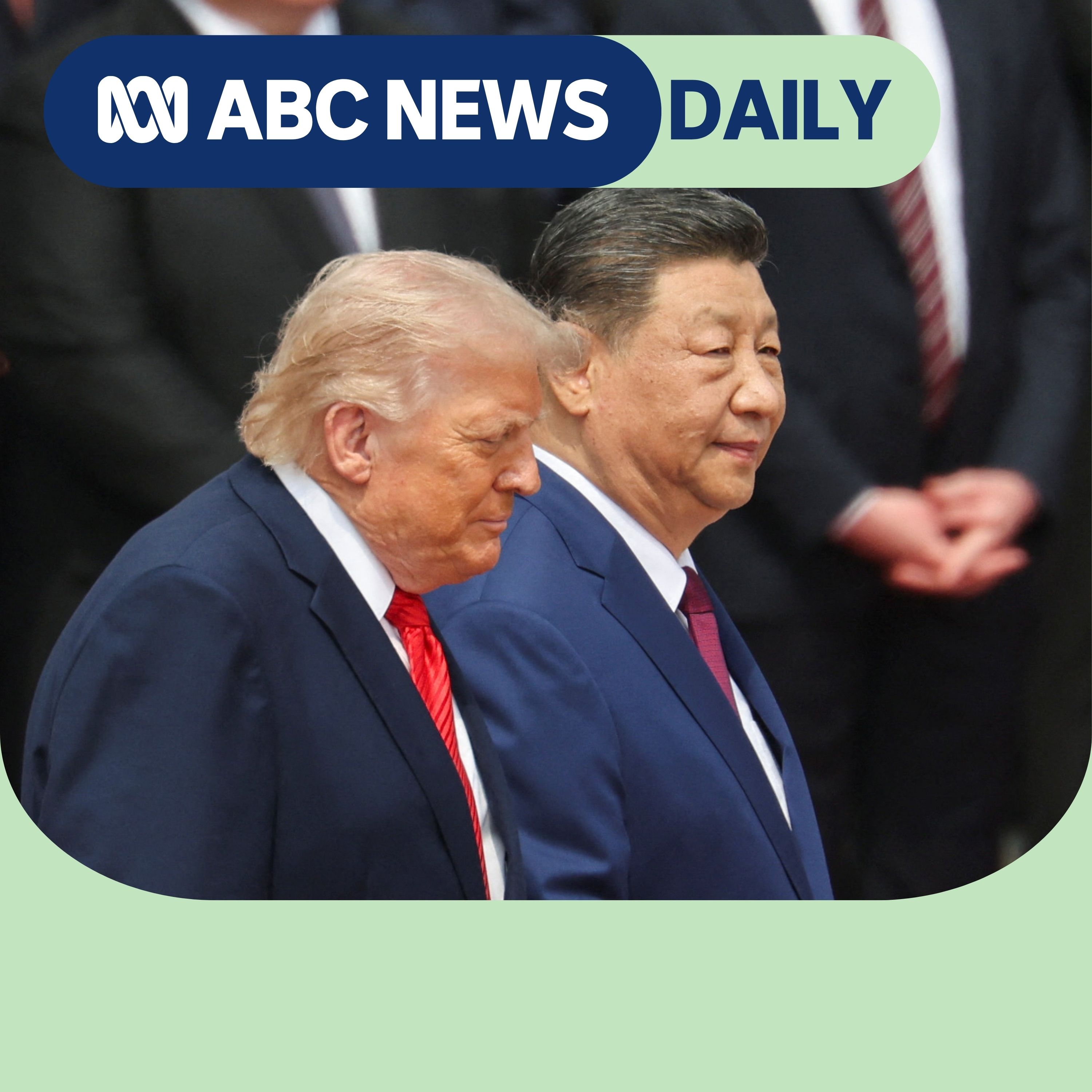
What Trump’s China trip reveals about the AI race
With so many tech bosses accompanying Donald Trump on his recent trip to China, expectations were high that AI and high tech business deals would be central to the talks. But in the end, there was no breakthrough on selling US firm Nvidia’s high tech AI chips to China. So where does that leave the race for AI dominance and how are China and the US approaching AI differently? Today, China tech expert Selina Xu on who’s ahead right now and what happens next. Featured: Selina Xu, China tech researcher, writer and analyst
The tax raid on family trusts
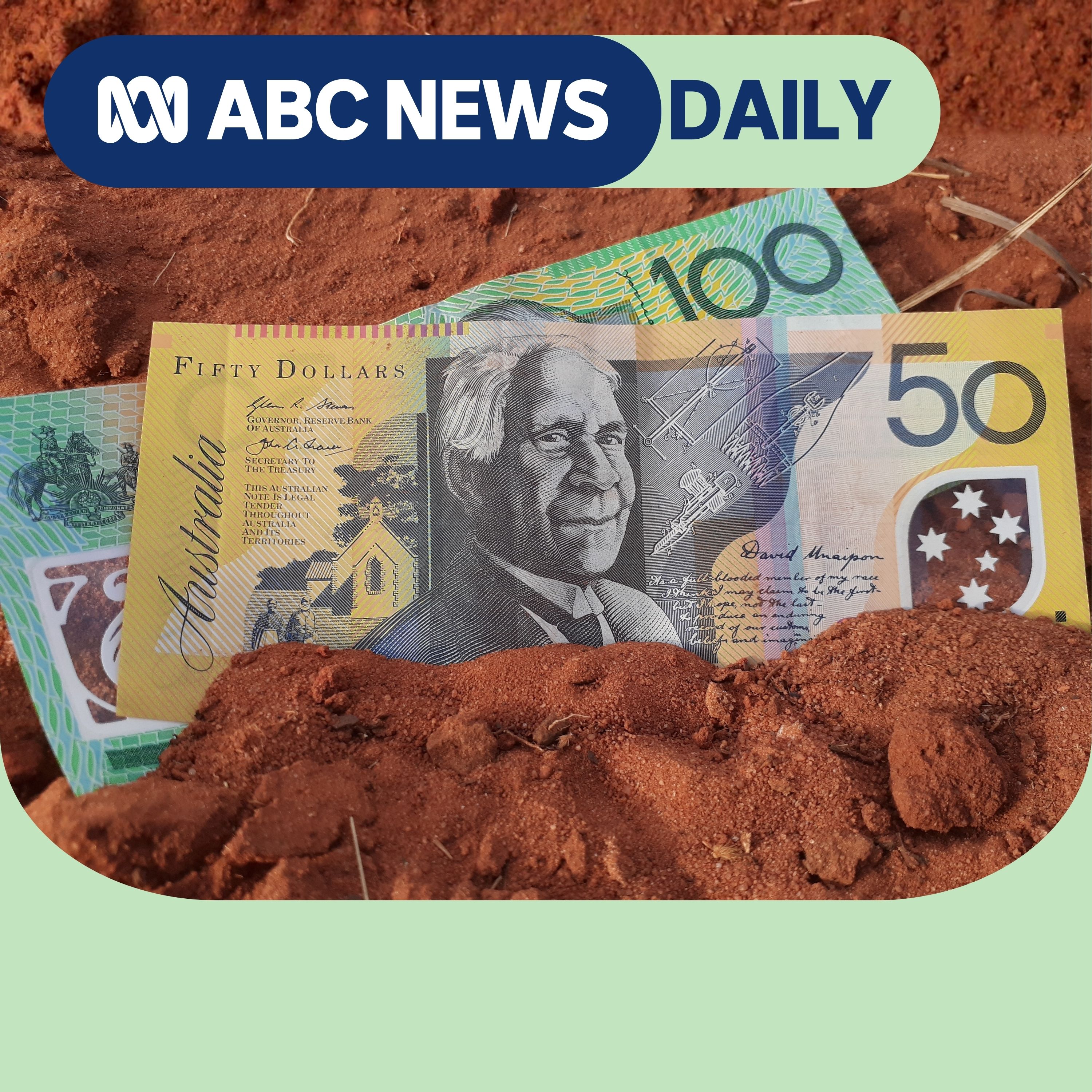
If you’ve got a family trust, you’re probably doing pretty well. They’ve been used for generations to distribute wealth and reduce tax bills. Now the government’s moving to make sure the tax office receives more from the earnings, imposing a minimum 30 percent tax on discretionary trusts. Today, Kristen Sobeck a tax expert at the University of Canberra on the new tax on trusts. Featured: Kristen Sobeck, economics lecturer at the University of Canberra
Why Trump keeps asking 'Vance or Rubio?'
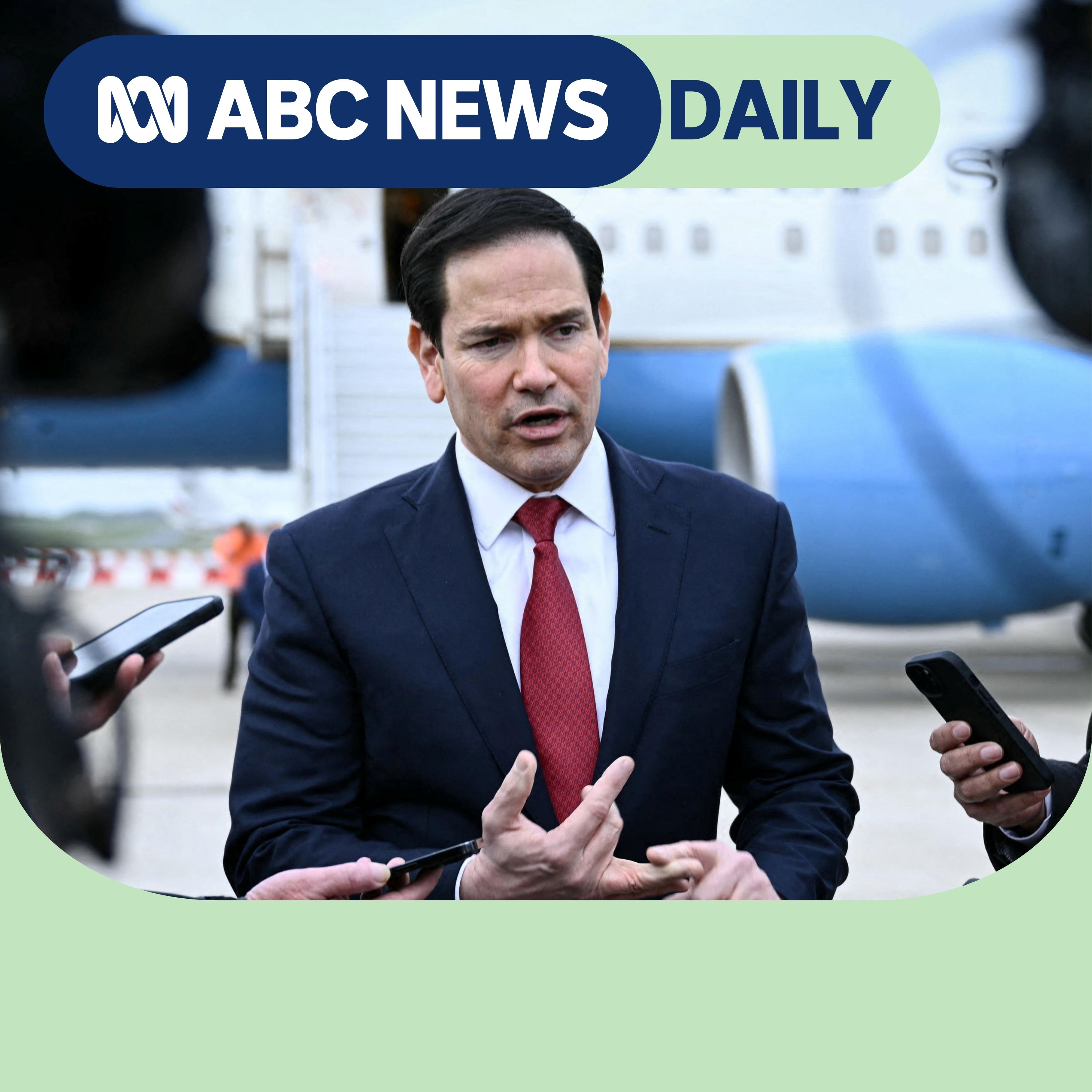
Marco Rubio is hitting his stride, he’s Trump’s National Security Advisor and his Secretary of State, he’s taken over the White House press briefing, sat down with the Pope and is now in China for Trump’s showdown with President Xi. No wonder speculation is growing that he could be the next Republican presidential nominee, instead of Vice President JD Vance. Today, Geoff Kabaservice from the Niskanen Center think tank on the new political battle in the US. Featured: Geoff Kabaservice, Niskanen Center Vice President for Political Studies
What we know about the cruise ship hantavirus
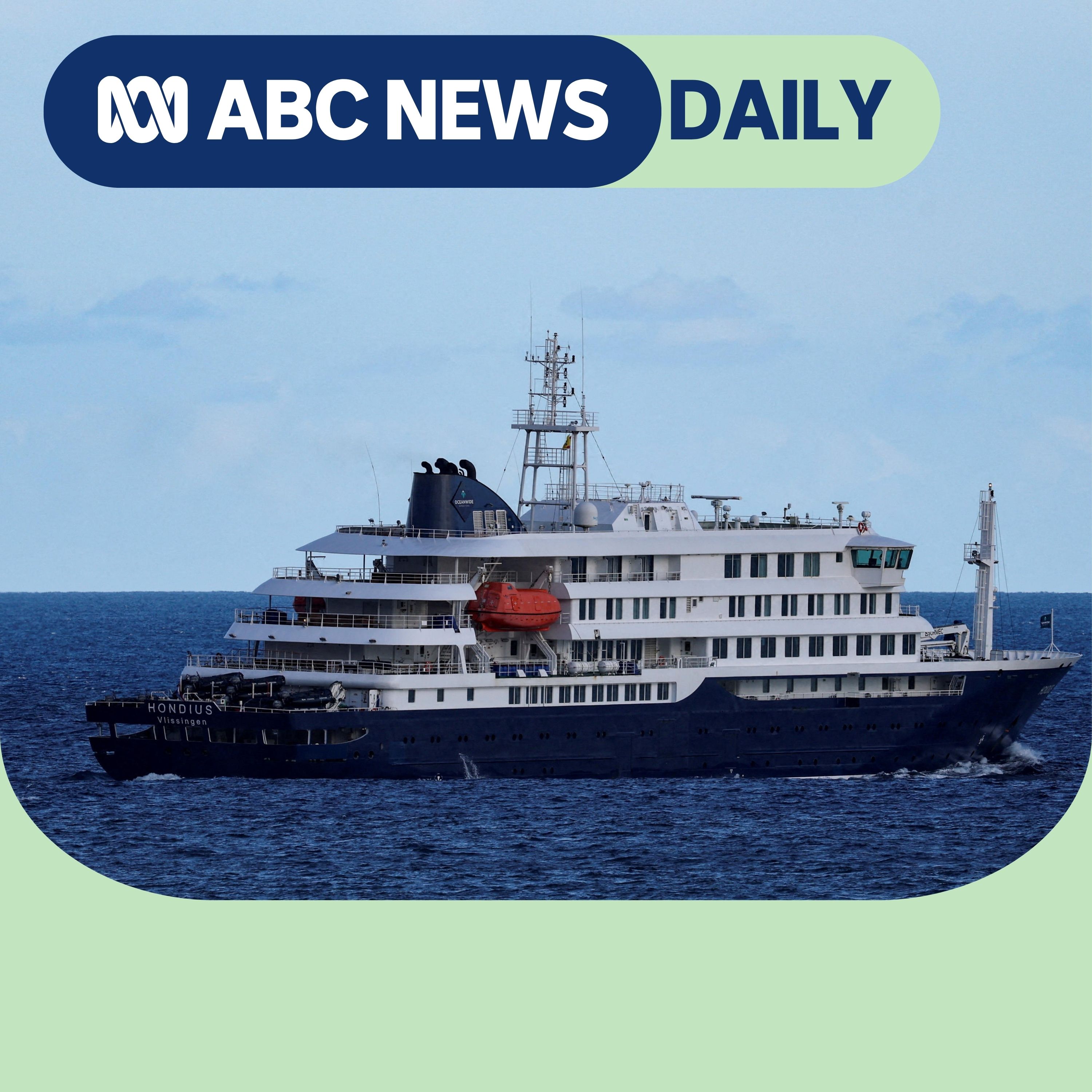
It’s been an ordeal for those who embarked on a cruise across in early April and it’s not over yet. The ship's passengers are being repatriated across the world after potential exposure to hantavirus, which caused the death of three passengers. Among those heading home are four Australians who will soon be placed in a quarantine facility in Western Australia. What is the virus, how does it spread and should we be worried about it? Today epidemiologist Raina MacIntyre from UNSW on everything you need to know about hantavirus. Featured: Raina MacIntyre, epidemiologist and Professor of Global Biosecurity at the University of New South Wales
Is this the bravest budget in decades?
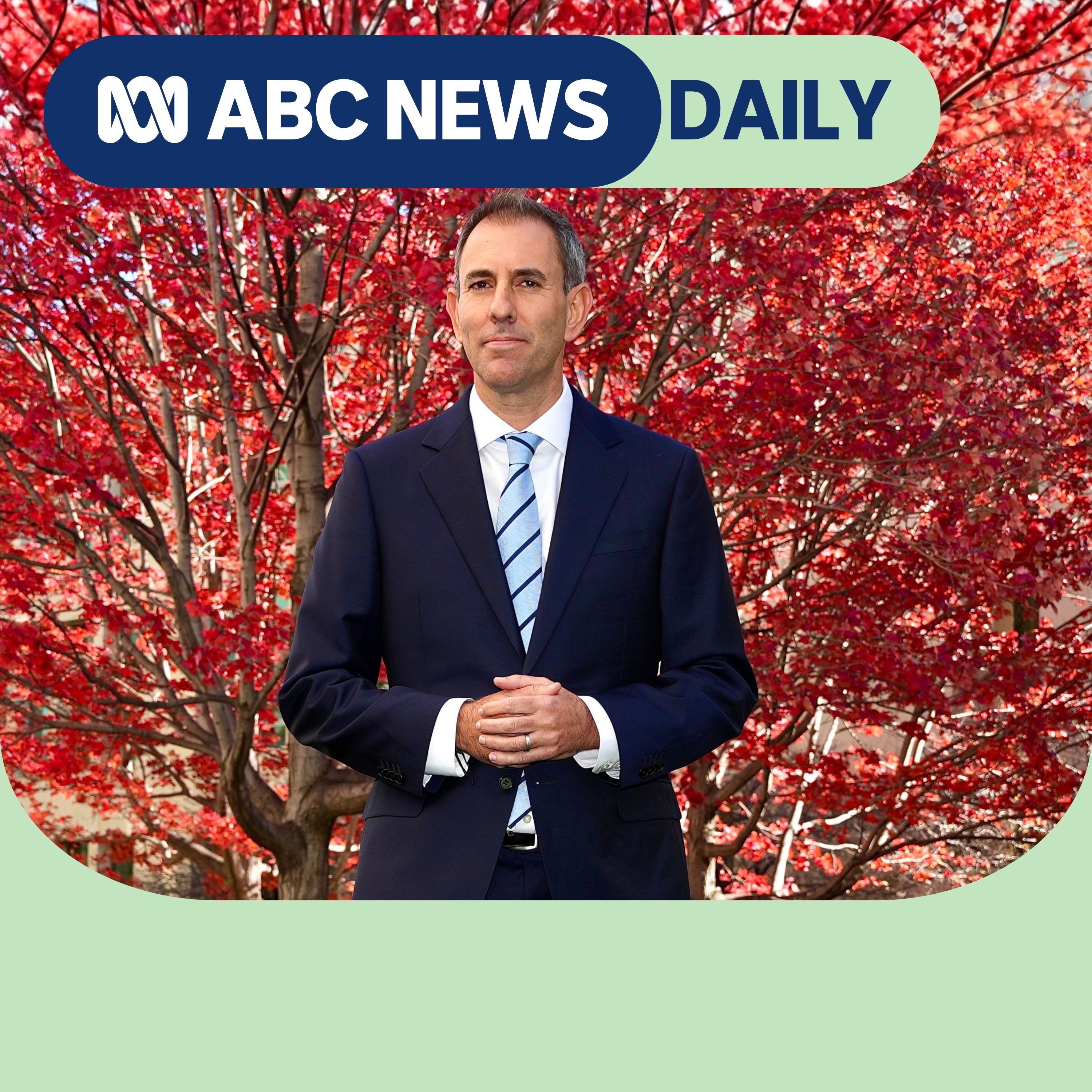
The Treasurer Jim Chalmers has delivered his 2026 budget, unveiling a new tax cut and some of the most significant tax changes in decades. Delivered as war impacts the economy, it’s being sold as a budget that addresses the growing inequality between generations, with the treasurer declaring Labor is on the hard road of reform. But will changes to taxes on property investors and family trusts really level the playing field? The ABC’s chief business correspondent Ian Verrender joins Sam Hawley in the budget lock-up in Sydney. Featured: Ian Verrender, ABC Chief Business Correspondent
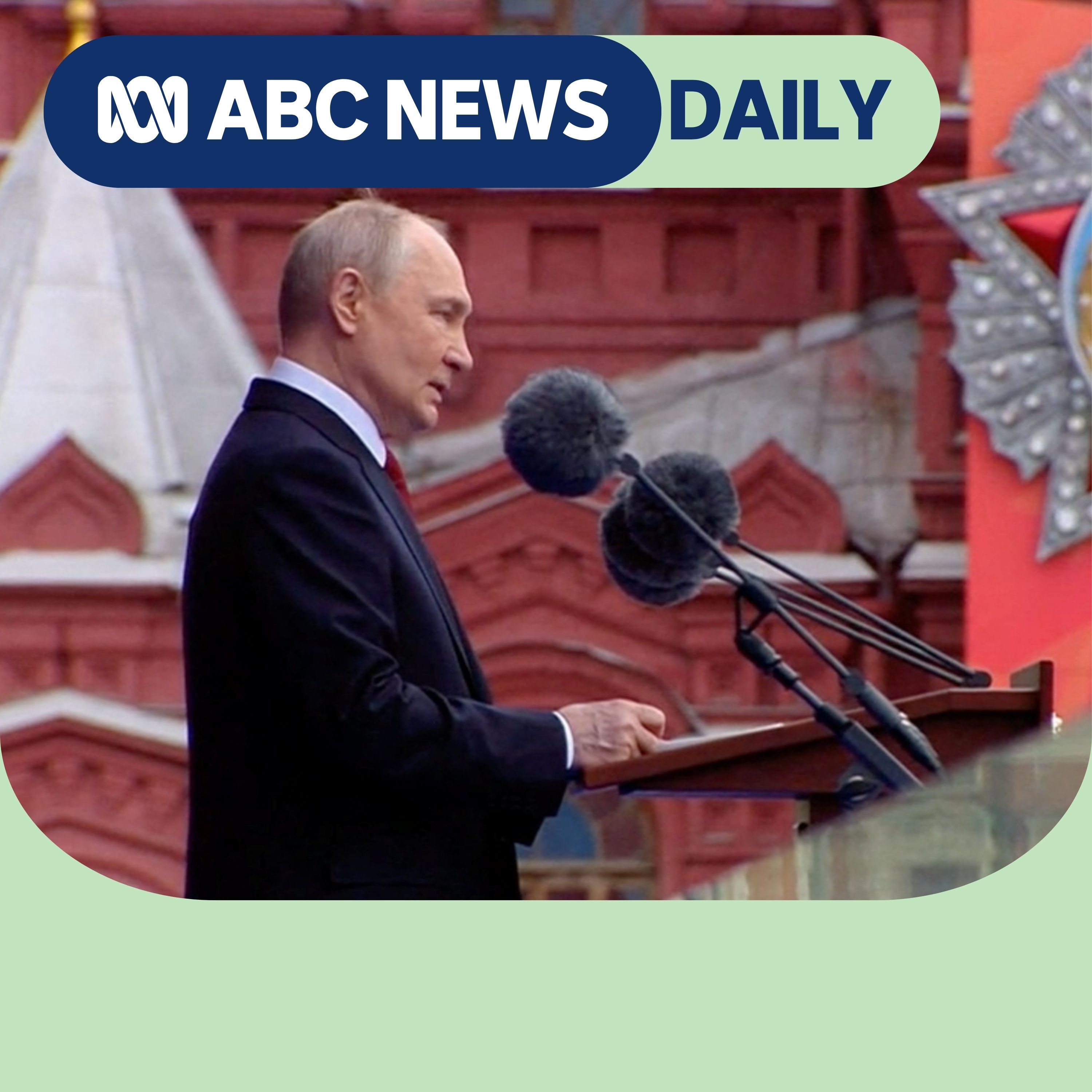
Is Putin right to be paranoid?
For decades, Russia’s Victory Day parade has brought tanks and intercontinental ballistic missiles to Red Square to celebrate the Soviet victory over Nazi Germany. But not this year. Russia’s President Vladimir Putin scaled back the event due to the risk of a Ukrainian long range attack on Moscow. At the same time, media reports citing a European intelligence service suggest security is increasing around Putin and there’s even a risk of a coup. Today, Matthew Sussex, Russia expert at the Australian National University on Putin’s paranoia and whether Ukraine has cards to play in the conflict. Featured: Matthew Sussex, associate professor at the Centre for European Studies at the Australian National University