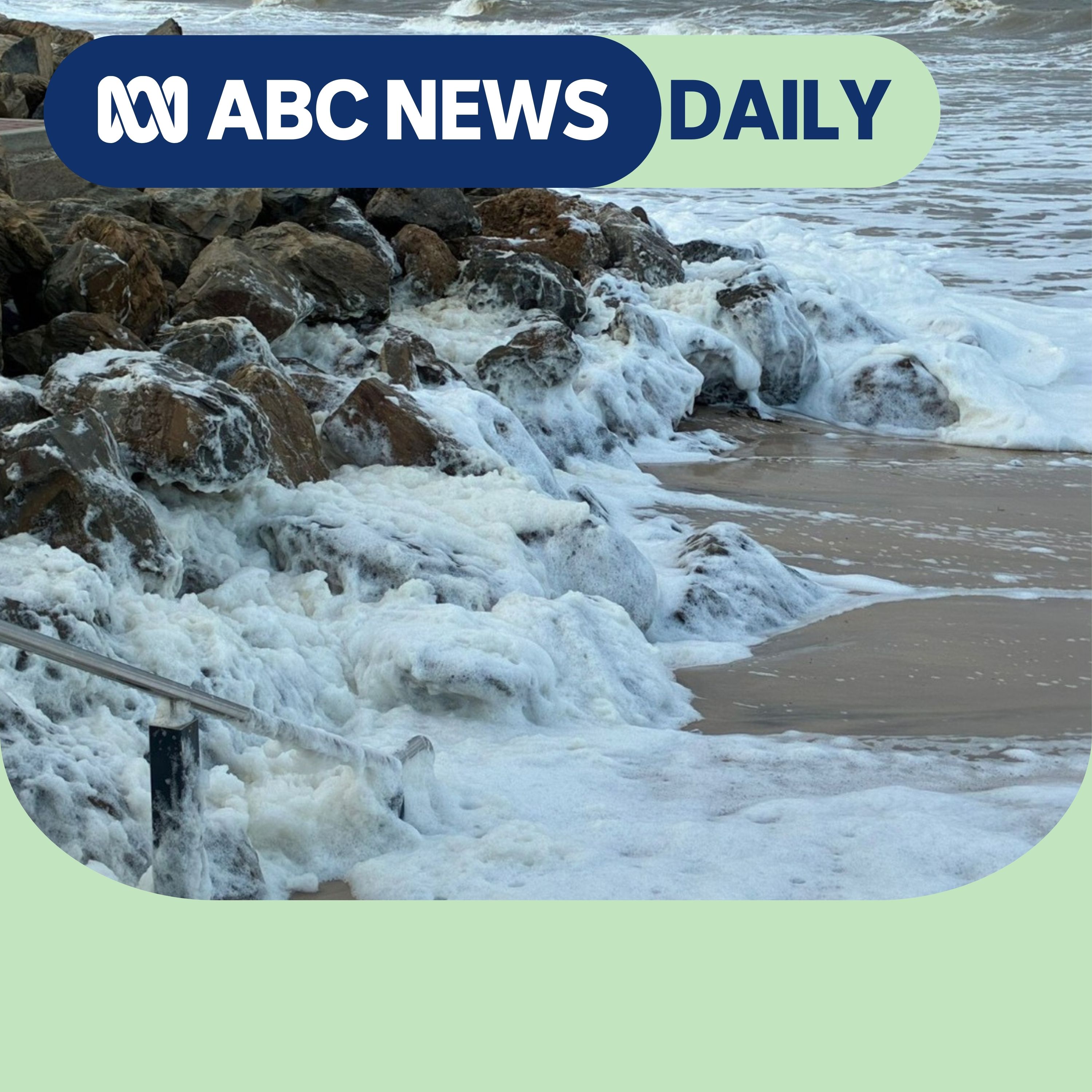
Overview of The truth behind the toxic algal bloom
This Four Corners / ABC News Daily piece (reporter Angus Grigg) investigates a large algal bloom off South Australia in 2023–24 that devastated wildlife and sickened people. The story focuses on what officials knew, how quickly they acted (or failed to), the discovery of brevetoxins in local animals and seafood, and the wider public‑health and policy lessons — especially in the context of climate‑driven environmental extremes.
Key takeaways
- A major algal bloom near Victor Harbor and metropolitan Adelaide caused widespread marine mortality, toxic foam, and human irritation/illness.
- Initial government messaging downplayed toxicity; it took months for health advice to be updated after brevetoxins were identified.
- Brevetoxins — neurotoxins long known from Florida red tides — were detected in kangaroos, oysters and a shark. This was effectively the first documented detection in Australia during this event.
- Experts say the brevetoxin discovery should have triggered rapid, wide‑scale testing (water, seafood, other wildlife) and earlier public warnings; that did not happen.
- The episode highlights failures in testing, transparency and adaptive communication, and is a warning about climate‑driven “freak” ecological events.
Timeline of events (concise)
- March (last year): Surfers at Victor Harbor experienced coughing, sore eyes and skin irritation. Social media posts by local surfer Anthony Rowland drew many similar reports.
- Days later: Dead marine life and toxic foam/scum washed ashore; kangaroos were found sick or dead near beaches.
- Initial government stance: Authorities publicly suggested an algal bloom but repeatedly downplayed toxicity and risk to human health.
- Weeks–months: Brevetoxins were detected in kangaroos, oysters and a shark; pathology results and confirmations appeared slowly (reportedly two months before showing up on a government site).
- Four months after the first detections: South Australian health advice was officially revised (September), acknowledging brevetoxins in the bloom and metropolitan waters.
Health and environmental impacts
- Human: Reported respiratory irritation, sore eyes, skin irritation; at least one child with asthma hospitalized for several days. Brevetoxins can exacerbate respiratory conditions and increase hospitalizations (evidence from Florida).
- Wildlife/seafood: Large numbers of dead or sick marine animals; brevetoxins found in oysters, a shark and in terrestrial animals (kangaroos), indicating cross‑ecosystem contamination.
- Unknowns: Because comprehensive testing was not executed promptly, the full geographic extent and food‑chain contamination remain unclear.
Government response — actions and criticisms
- Messaging: Officials, including Premier Peter Malinauskas and Chief Public Health Officer Prof. Nicola Spurrier, initially conveyed that the bloom was “not toxic” or only irritating. Later statements acknowledged brevetoxins but were criticized as inconsistent and dismissive of community health concerns.
- Testing gaps: Authorities did not immediately undertake broad testing of seawater, foam, seafood and multiple animal groups (seabirds, fish, crustaceans), which experts argue was a major failure.
- Delay in transparency: Pathology confirmations were slow to be published and public health advice was not updated until months after initial detections.
- Officials’ later positions: Prof. Spurrier said she was not aware of brevetoxin detections at the time and later said she applied the precautionary principle once the information was available.
Expert perspectives
- Professor Shauna Murray (algal‑bloom expert): Detection of brevetoxins should have been a “break glass” moment requiring immediate, wide‑ranging investigation and public notification.
- Ecologist Faith Coleman (documenting impacts; running as an independent): Public should have been informed sooner; health advice needed urgent change.
- Comparison to Florida: Brevetoxin events there are linked to respiratory hospitalizations and gastrointestinal symptoms; Australia had not routinely tested for brevetoxins before this event.
Lessons and recommendations
- Rapid, broad testing: When novel toxins are detected, test water, foam, seafood, finfish, crustaceans and affected wildlife (including birds and terrestrial animals that scavenge marine carrion).
- Transparent, adaptive communication: Authorities should inform the public early, explain uncertainties, and update advice promptly as evidence changes — especially for vulnerable groups (asthmatics, people with respiratory disease).
- Precautionary principle: Err on the side of caution when potentially harmful algal toxins are implicated.
- Preparedness for climate‑driven events: Governments must plan for unusual, large‑scale ecological hazards that climate change may increase in frequency and severity.
Notable quotes
- Premier (paraphrased): “The algal bloom is not toxic… at worst, you’ll have an irritation.” (Criticized as downplaying risk after brevetoxins were confirmed.)
- Expert: Detection of brevetoxins was a “break glass moment” that should have triggered full investigation and public notice.
- Chief Public Health Officer (later): “As soon as I had that information… I used the precautionary principle and told the South Australian public.”
Where to watch/listen
-
The Four Corners report by Angus Grigg aired on ABC TV (8:30pm) and is available on iview. This summary is based on the ABC News Daily discussion of that investigation.
Public health relevance: If you live near affected coasts, stay informed of official advisories, avoid contact with discolored or foamy water, avoid harvesting/consuming seafood from impacted areas until testing confirms safety, and people with asthma or respiratory conditions should be particularly cautious.