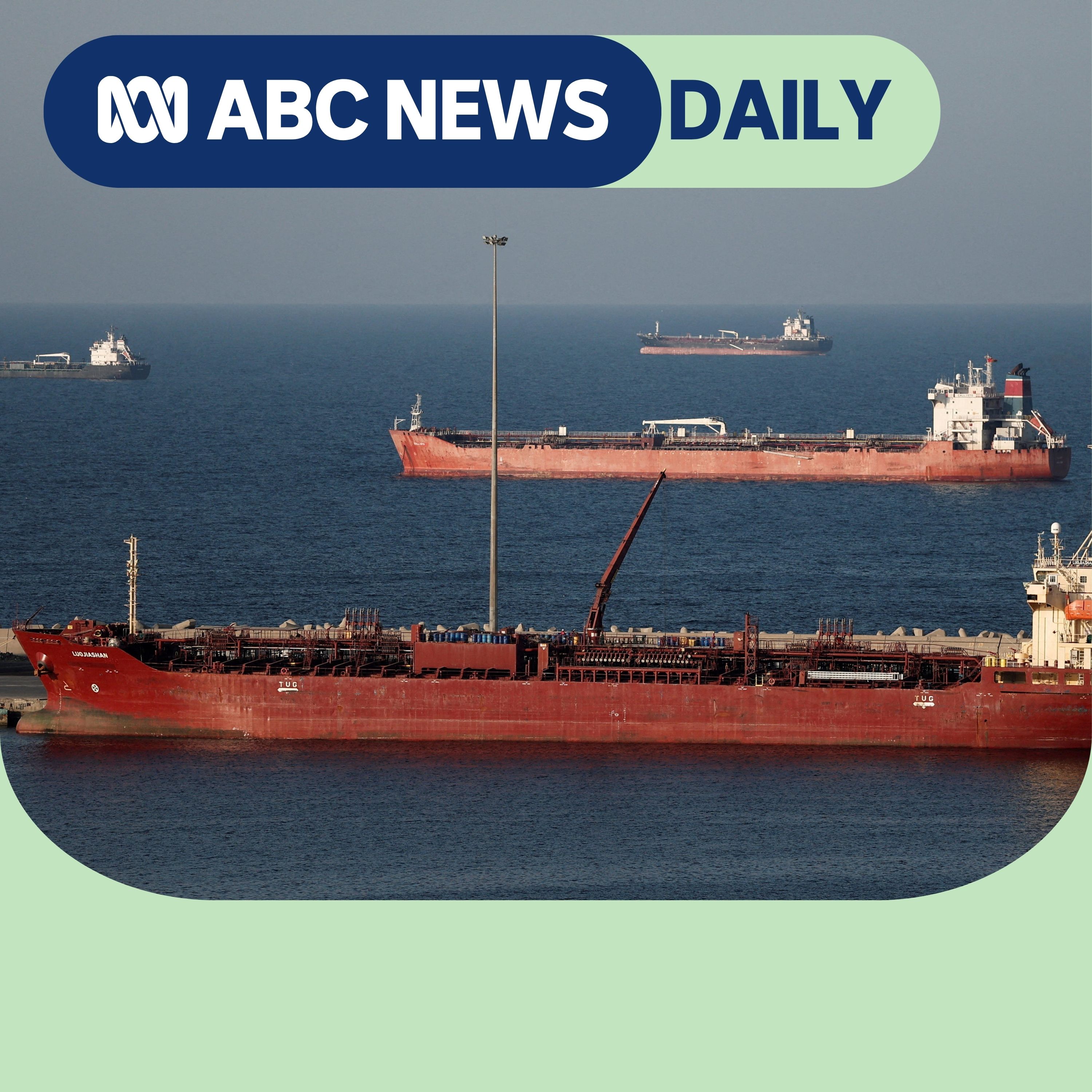
Overview of Why Alan Kohler is worried about a recession
This ABC News Daily episode (guest: Alan Kohler, ABC finance expert) explains why a modern oil shock tied to the Iran war could push the global economy into recession. Kohler draws parallels with the 1973 and 1979 oil shocks, outlines current supply disruptions and secondary effects (fertiliser, helium, shipping insurance), and describes how higher energy-driven inflation plus central bank rate responses could trigger a downturn.
Key takeaways
- Historical precedent: 1973 and 1979 oil shocks caused sustained inflation and recessions (stagflation); unemployment in Australia reached ~11% in the 1970s crisis.
- Scale of current hit: The IEA estimates today's lost oil supply (~11 million barrels/day) exceeds the combined 1970s shocks. Large portions of Persian Gulf flows through the Strait of Hormuz are effectively shut.
- Price reaction so far: Brent crude moved roughly from US$65 to US$115 (≈+70%); share markets have fallen (Australia ~7–8%, Nasdaq ~10%) but market declines may understate the risk.
- Broader supply impacts: Fertiliser shortages (reducing wheat planting), helium shortfalls (affecting semiconductor manufacturing), and shipping/insurance disruptions increase systemic risk.
- Policy trade-off: If inflation jumps toward ~4.5–5%, fiscal and monetary responses could clash—central banks raising rates to fight inflation would increase recession risk; fiscal stimulus to offset would counteract those anti-inflationary efforts.
- Recovery uncertainty: Damage to production facilities and insurance-based shipping blockages mean supply restoration could take much longer than the conflict itself.
Context and historical parallels
- 1973: Yom Kippur War → OAPEC embargo + price quadruple → long-lasting higher oil prices → inflation spike and economic slowdown.
- 1979: Iranian revolution/strikes → further price shock → Paul Volcker raised US rates to ~20% → global recessions followed.
- Kohler warns the present situation could be worse than the 1970s shocks combined, because of the magnitude of current supply loss.
Mechanisms by which the oil shock can cause recession
- Direct inflation channel: higher petrol/diesel and energy costs push up consumer prices across the economy.
- Cost-push shock: transport and production costs rise (trucks deliver most goods), reducing real incomes and consumption.
- Monetary policy reaction: central banks may raise interest rates to curb inflation, which depresses borrowing, investment and housing — potentially triggering a recession.
- Secondary supply shocks: fertiliser shortages cut agricultural output (lower planting → smaller harvests → food price rises); helium shortages disrupt high-tech manufacturing.
- Confidence and insurance factors: shipping insurance cancelled for strait transit limits supply even if fighting eases; rebuilding damaged facilities takes time.
Likely economic impacts and indicators to watch
- Household impacts: rising petrol/diesel and food prices, pressure on real incomes, mounting mortgage stress if rates rise.
- Business impacts: higher input and transport costs, supply-chain delays (agriculture, semiconductors), reduced demand for discretionary goods.
- Financial markets: increased volatility; equity markets could fall further if the shock persists or if central banks raise rates aggressively.
- Key indicators to monitor:
- Brent crude and diesel/petrol retail prices
- IEA supply/loss updates and Strait of Hormuz transit reports
- Fertiliser prices and crop planting/harvest data
- Semiconductor production/helium supply notices
- Inflation prints and central bank statements (RBA, Fed)
- Unemployment and leading economic indicators (PMI, retail sales)
What could prevent the worst outcomes
- Rapid de-escalation of the Iran-related conflict and reopening of shipping routes (but Kohler notes rebuilding and insurance restoration will still take time).
- Diversion/increase of supply from non-Persian Gulf sources and strategic reserves release could cushion short-term impacts.
- Coordinated policy response: targeted fiscal relief (for the most affected households/businesses) alongside measured central bank communication could reduce recession severity if inflation is contained.
- However, Kohler argues the scale and physical damage mean a quick fix is unlikely—this could be "one of the great disasters of our lifetime" if it persists.
Notable quotes and insights
- "Inflation's bad, but having no energy is crippling."
- The IEA comparison: current supply loss (~11 million barrels/day) is more than the two major 1970s shocks combined.
- Kohler: if inflation rises to ~4.5–5%, the RBA would likely raise rates further, making recession "almost inevitable."
Practical advice (who should do what)
- Households:
- Prepare for higher petrol and food bills; tighten short-term budgets and build cash buffers where possible.
- If on variable-rate debt, factor potential rate rises into affordability plans.
- Farmers and agribusiness:
- Monitor fertiliser supply and consider alternative sourcing/adjusted planting strategies.
- Businesses:
- Stress-test transport and input-cost exposures; hedge fuel costs if possible; plan for demand softness.
- Investors:
- Expect continued volatility. Consider defensive positioning (energy, staples) and avoid overexposure to high-debt cyclical sectors.
- Policy watchers:
- Track IEA updates, shipping insurance announcements, central bank guidance, and government fiscal responses.
Bottom line
Alan Kohler warns the Iran-related oil shock has the potential to trigger significant global inflation and a central-bank-driven recession if it persists. The scale of current supply loss, knock-on effects (fertiliser, helium, shipping), and damaged Gulf infrastructure make a quick recovery unlikely—watch energy prices, inflation data, and policy moves closely.