The Daily

by The New York Times
This is what the news should sound like. The biggest stories of our time, told by the best journalists in the world. Hosted by Michael Barbaro, Rachel Abrams and Natalie Kitroeff. Twenty minutes a day, six days a week, ready by 6 a.m. Subscribe today at nytimes.com/podcasts or on Apple Podcasts, Spotify and Amazon Music. You can also subscribe via your favorite podcast app here https://www.nytimes.com/activate-access/audio?source=podcatcher.
Episodes
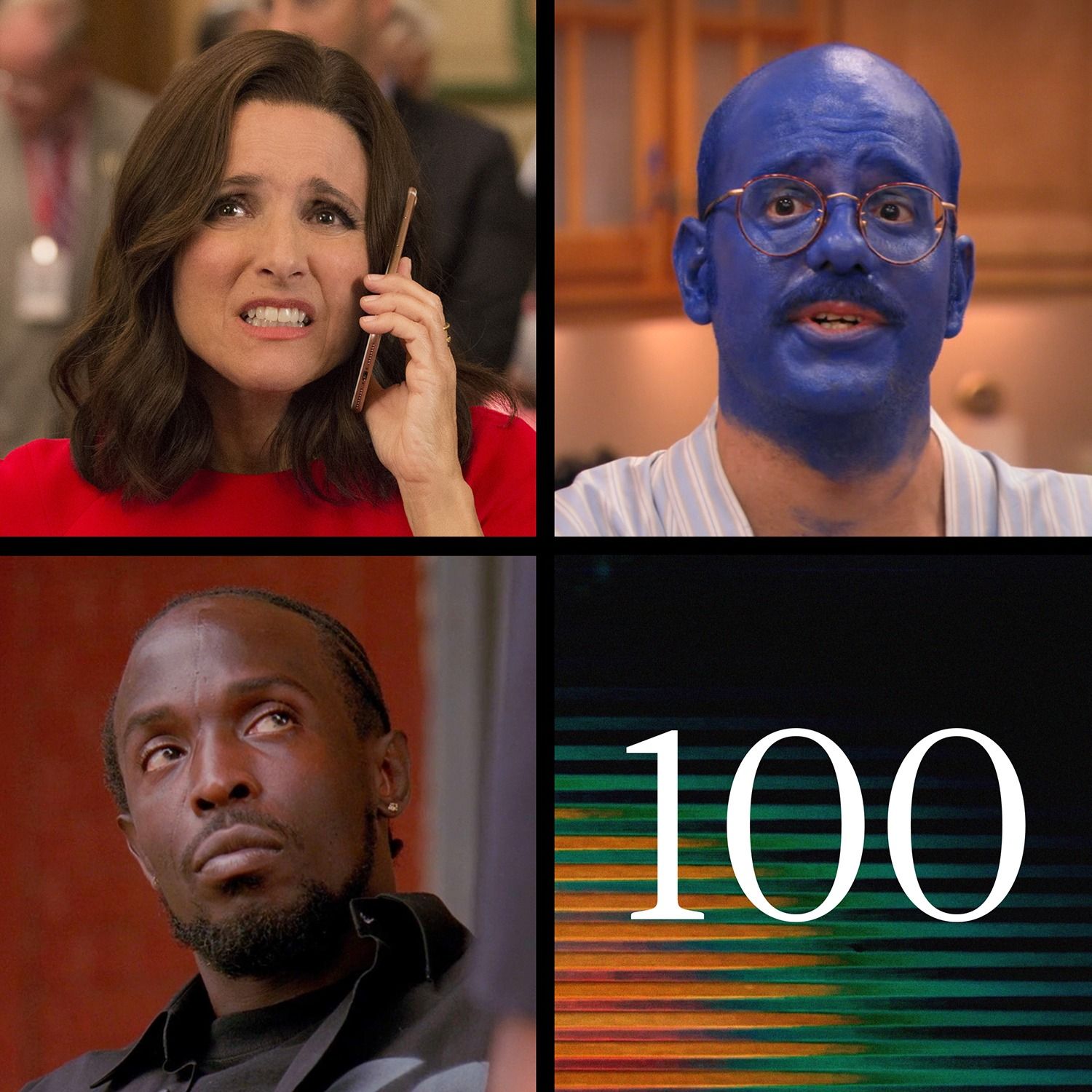
The Best TV Shows of the 21st Century
The turn of the century was the beginning of a new era in television: prestige TV for the masses. Today, television is where big stars and innovative creators go to marshal sizable budgets and tell meaningful stories. Over recent months, our colleagues at The New York Times ran a survey, asking industry insiders — on-screen talent, writers, directors, producers, executives and others — to pick their top 10 television series of the last 26 years. We compiled their responses into a list, published this week, of the best TV of the 21st century. In this episode of “The Sunday Daily,” The Times’s canon editor, Gilbert Cruz, and our chief TV critic, James Poniewozik, talk with our host Natalie Kitroeff about what made the list, and what didn’t.

Sylvester Stallone Hid His Struggles for Decades. Now He’s Coming Clean.
The legendary actor on his disturbing childhood, his Hollywood missteps and the pain he caused to his loved ones, his body and himself.
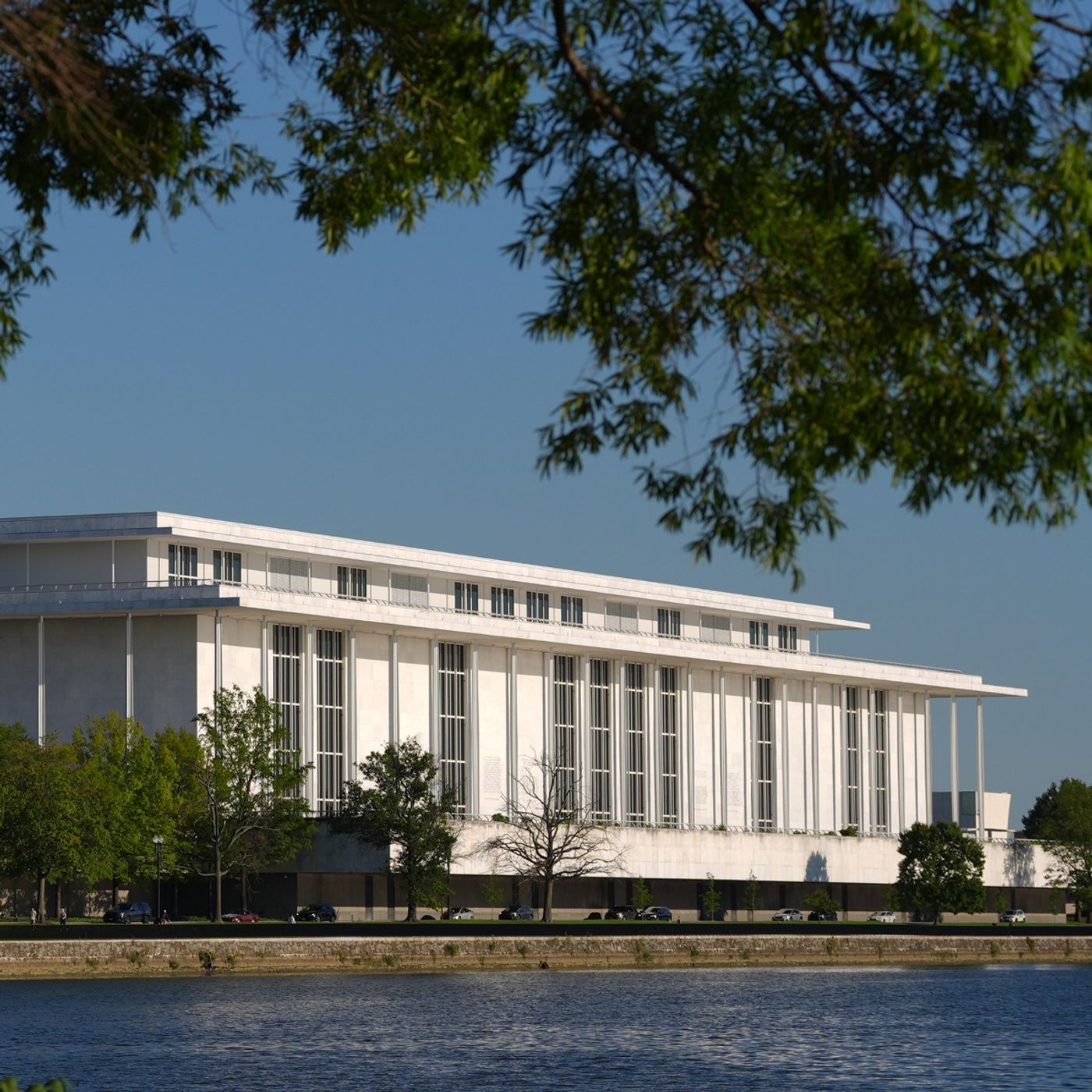
The Life and, for Now, the Death of the Kennedy Center
The arts center has been a project of President Trump since the beginning of his second term.
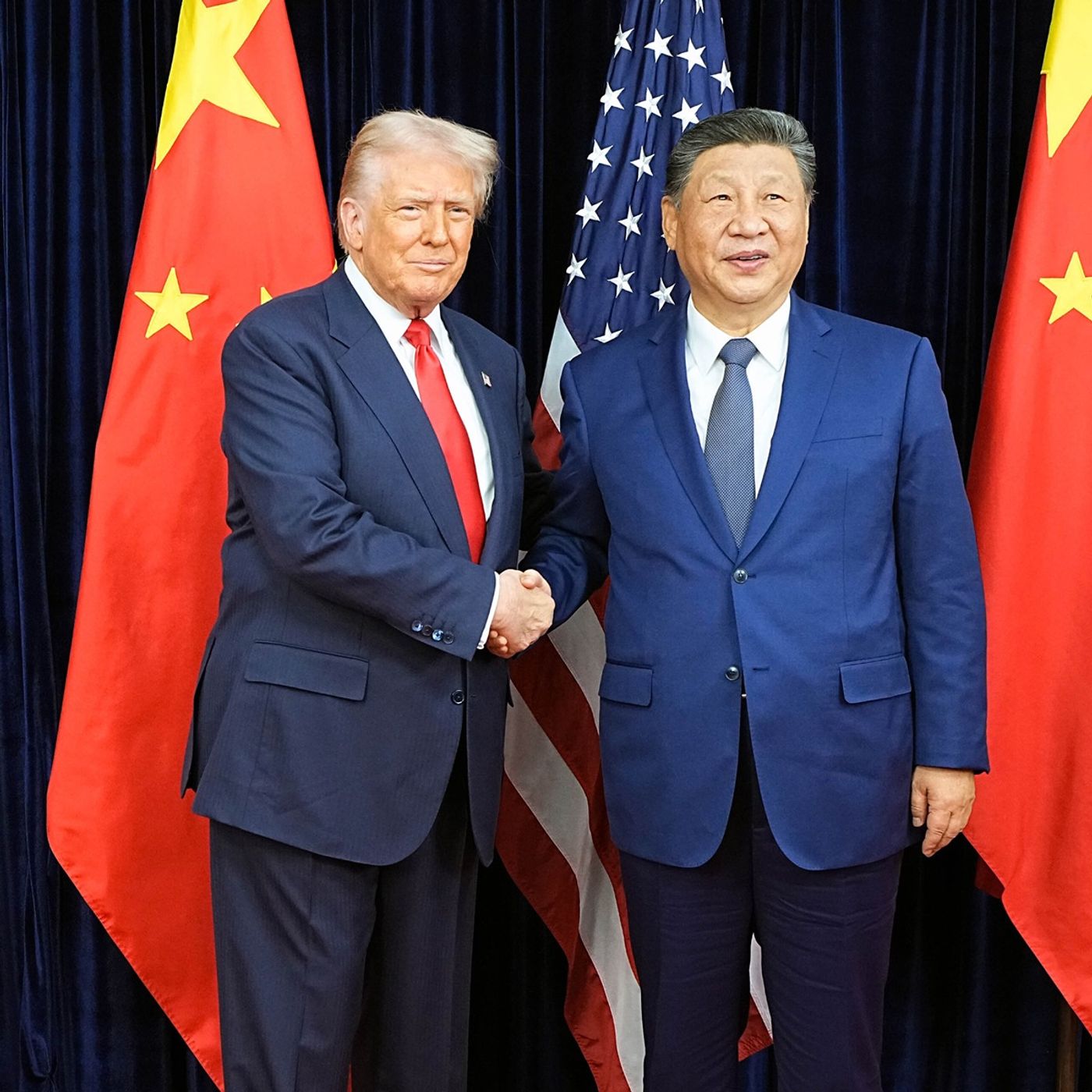
What Safeguarding Nukes Can Teach Us About Safeguarding A.I.
With artificial intelligence on the agenda for talks between President Trump and Xi Jinping of China, our reporter looks at lessons from the nuclear arms race.

Health Trackers Are Everywhere. Do Babies Need Them, Too?
Parents are increasingly willing to embrace tracking and analytics for their children — part of a broader cultural obsession with health data and optimization.
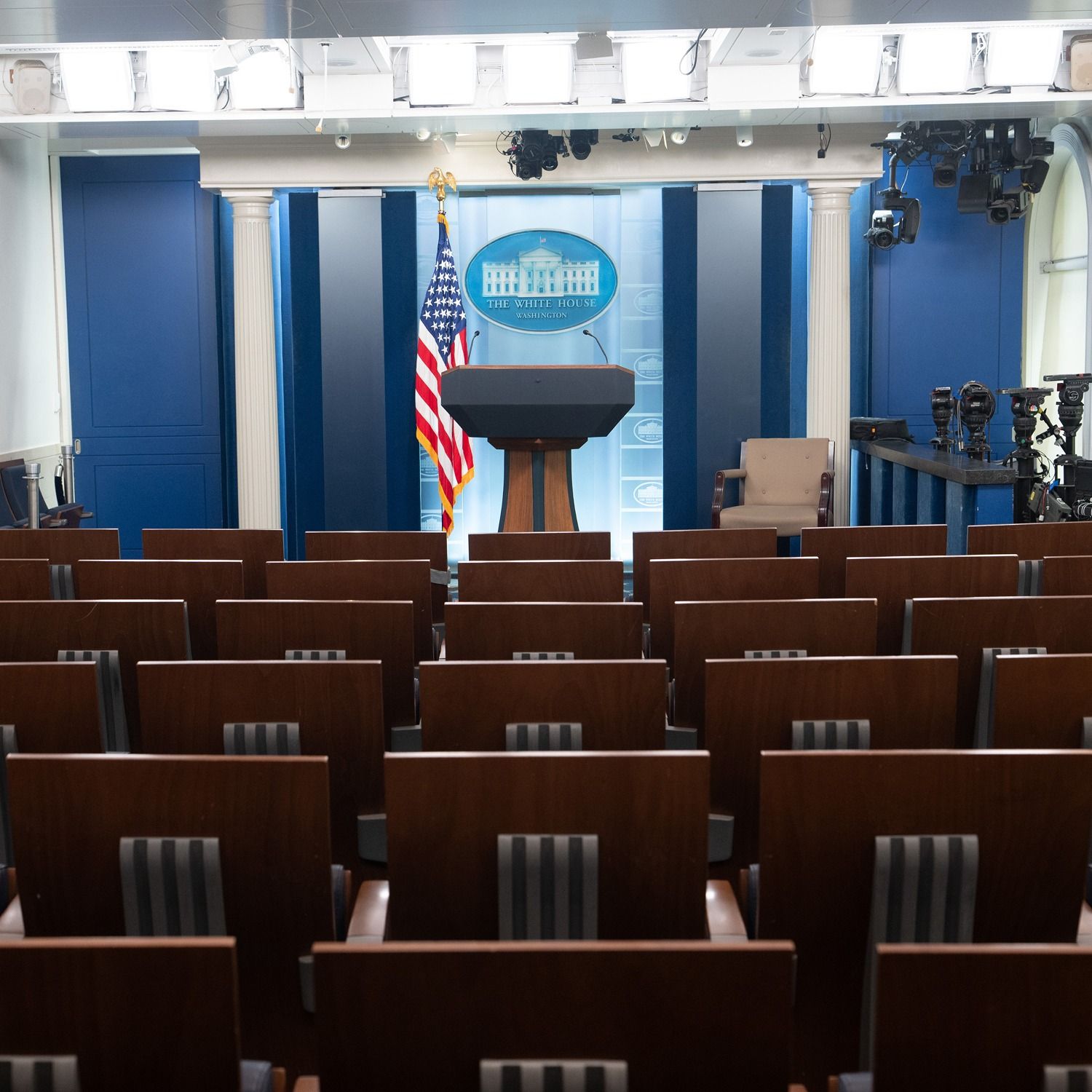
Trump Banned the Media. This Time, the Media Struck Back.
The major television networks suspended their pooled coverage of President Trump, breaking a practice that dates back decades.
The Trump Administration Defangs the Endangered Species Act
A new interpretation of the law would mean that only the intentional killing of animals, not collateral harm, would be illegal.
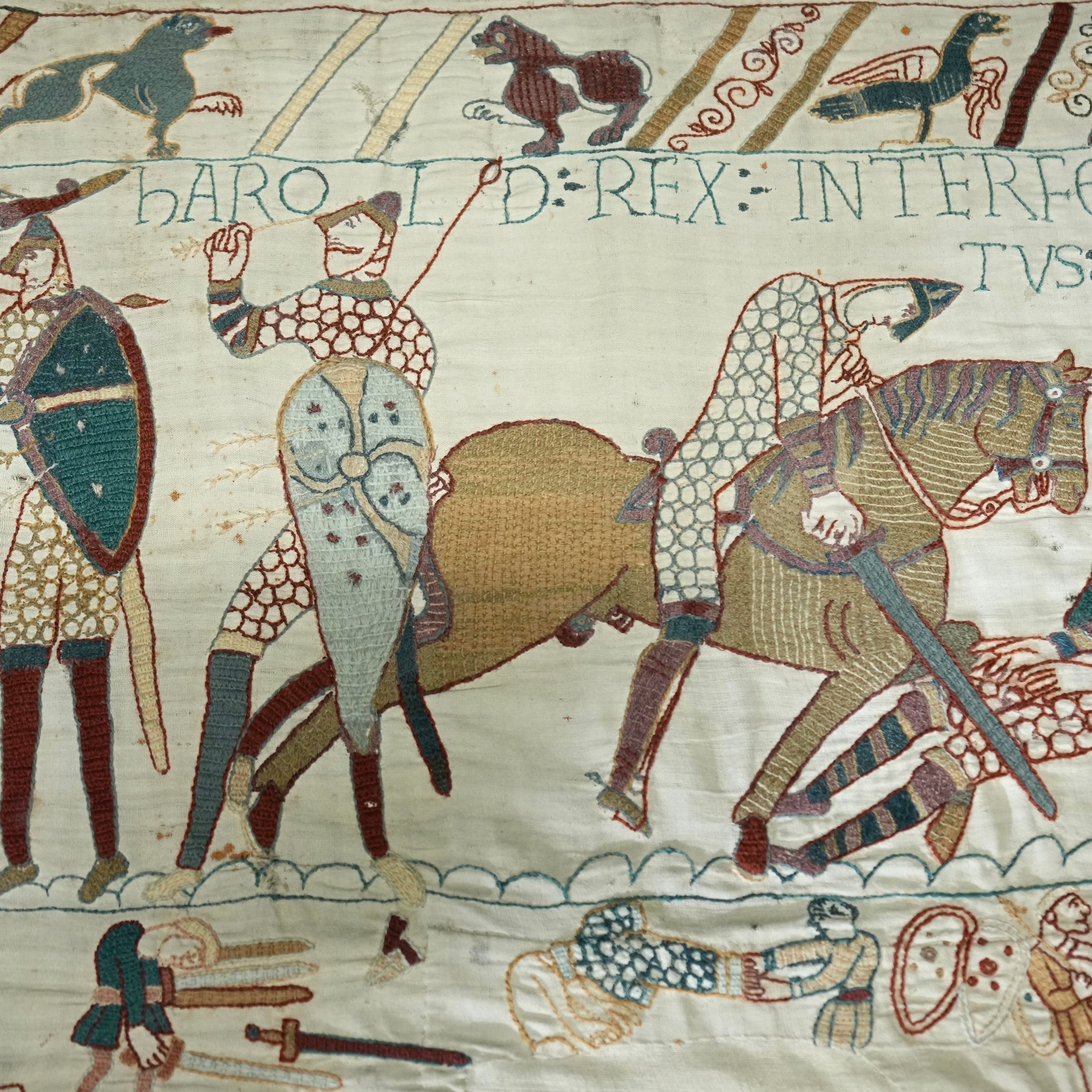
How a 1,000-Year-Old Tapestry Took London by Storm
For the first time in centuries, the Bayeux Tapestry — a nearly 1,000-year-old piece of embroidery that depicts the invasion of England by William the Conqueror in 1066 — is on display in Britain. It was long said by art experts to be too fragile to move. But in a development that required geopolitical persuasion, this summer the tapestry made its way from Bayeux, France, to the British Museum in London. When the first block of tickets went on sale, the British Museum said, over 80,000 people at a time waited online to buy them. In this episode of the “Sunday Daily,” Alex Marshall, a culture reporter for The New York Times, talks with host Michael Barbaro about why this ancient piece of embroidery matters so much to the British public.

Aaron Sorkin Goes Off Script
The Oscar-winning writer returns to Facebook with “The Social Reckoning”— and surprises us with the revelation of why he is so drawn to uplift and romance.
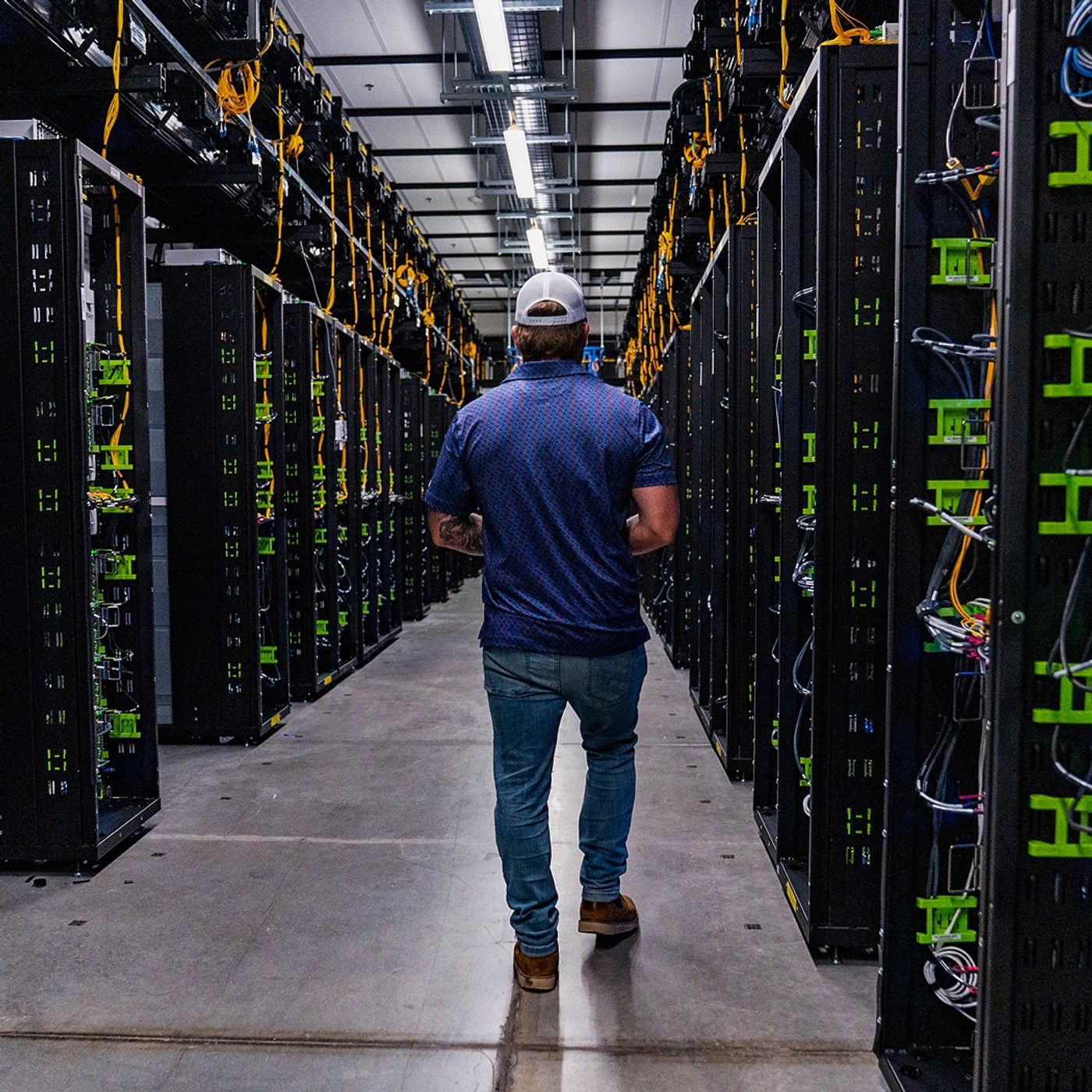
The Techno-Religion at the Center of the A.I. Debate
Are those calling to slow down the development of artificial intelligence in a “doomsday cult,” as some critics say? Our reporter explains.
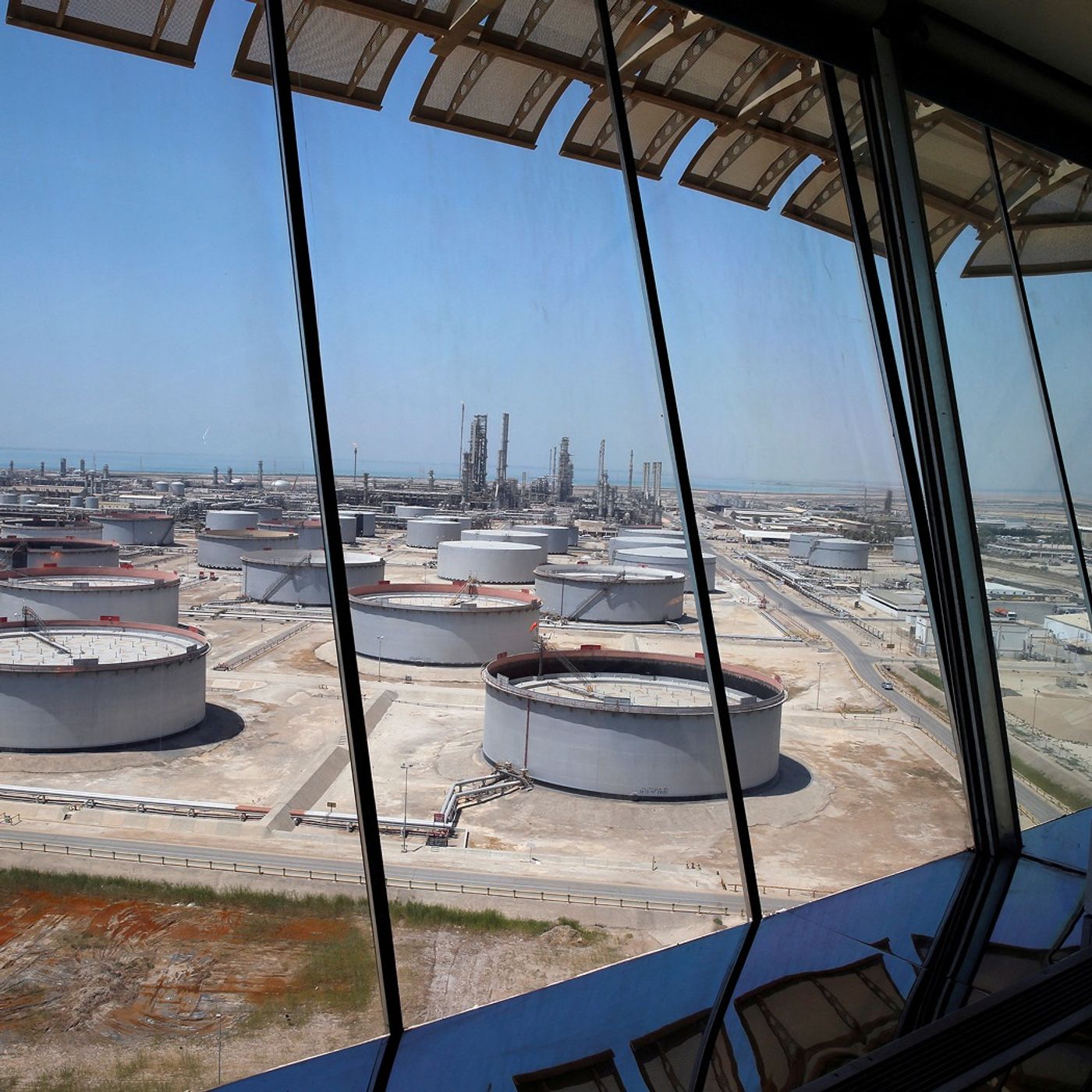
Why Gas Prices Just Keep Going Up
Months into the war with Iran, its effects are still being felt at pumps around the world. Why?
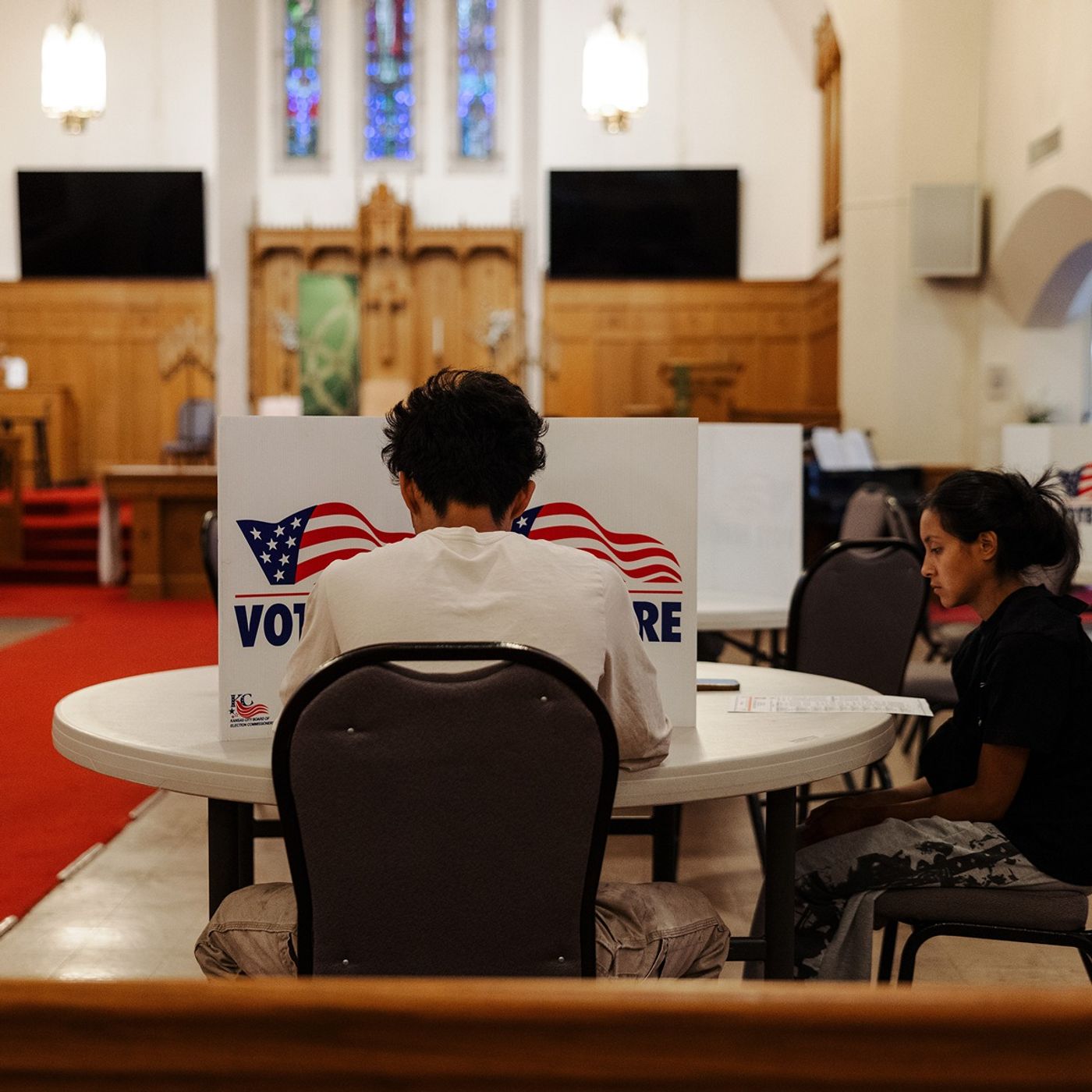
48 Days Until the Midterms: Is a Blue Wave Coming?
At a round-table discussion, Times political journalists talk about what we can expect in November.
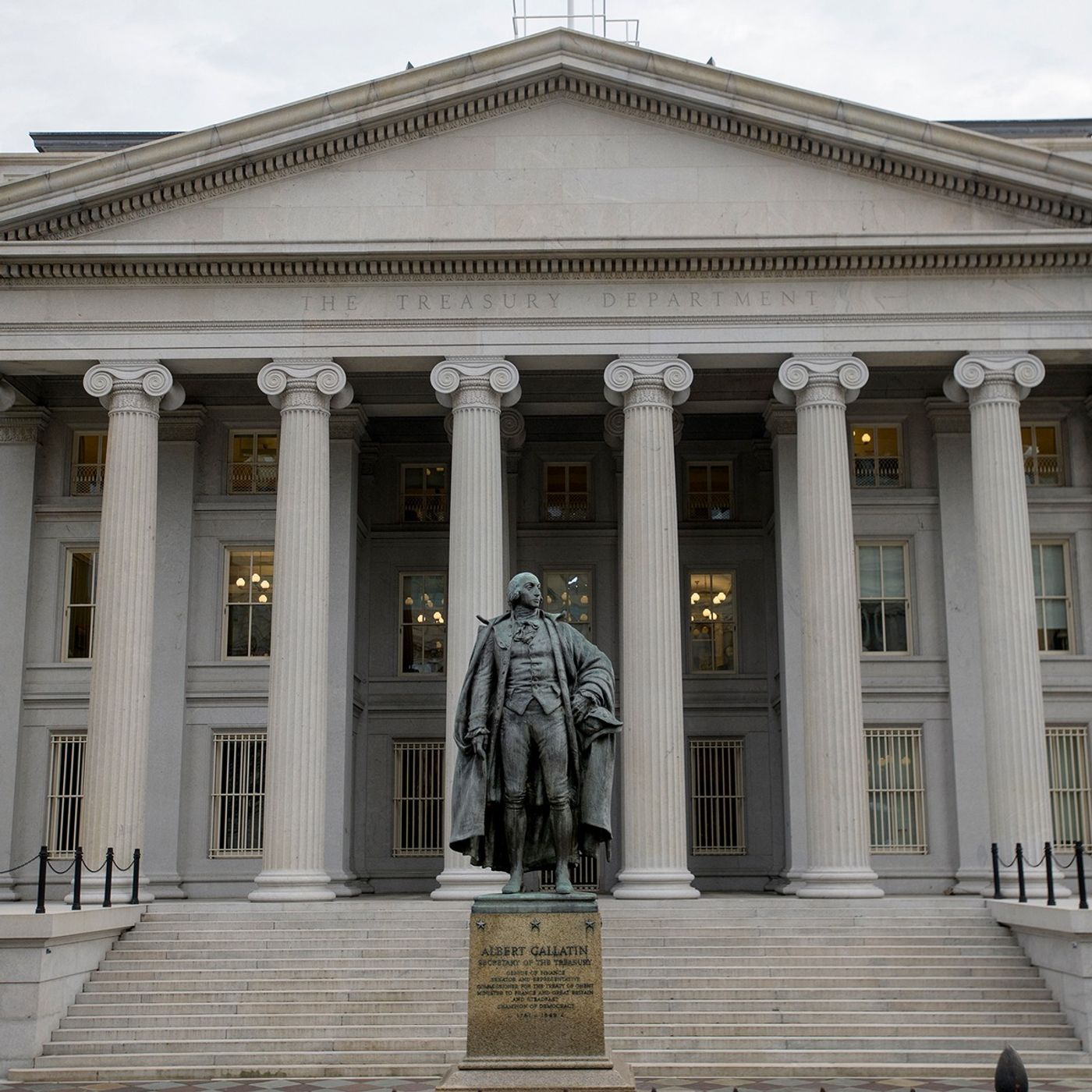
The Bond Market Is Flipping Out. Here’s Why You Should Care.
Just about everybody is affected by the rising interest rates caused by the turmoil. Our economics correspondent explains what’s happening.
The A.I. Researcher Whose Rebellion Is Changing Everything
Jacob Coxon, who quit his job at Anthropic, discusses his concerns about the risks of artificial intelligence.
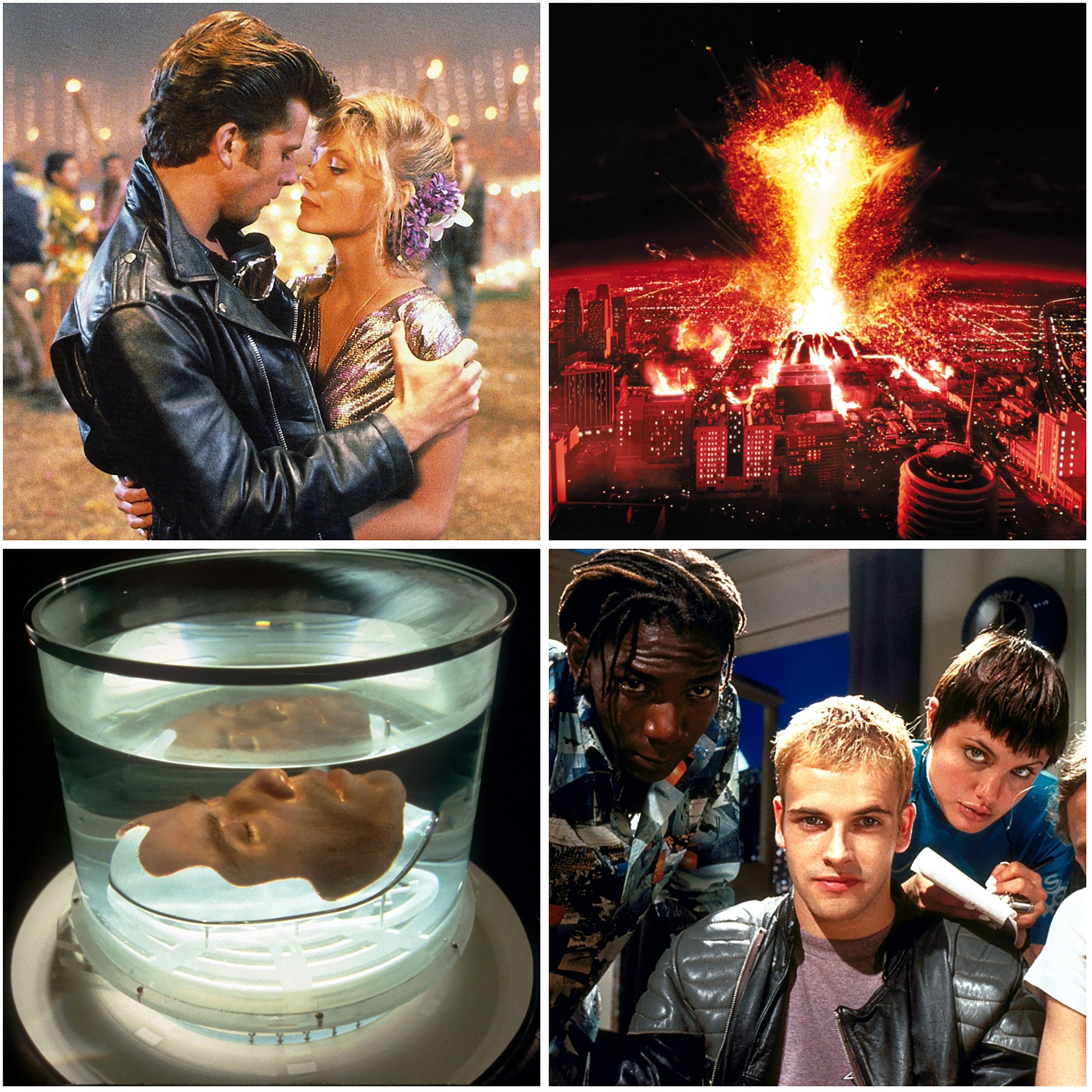
The Good, the Bad and the Good-Bad (Movie)
When it comes to movies we love, there are the artistic masterpieces and there are the foot-stomping crowd pleasers. But there’s another particular kind of beloved movie, the one that makes our friends groan, but that we rewatch incessantly; the one that we can quote line for line, even as we giggle at the actors’ performances; the one that we’d say is great, but that we might not say is good. These are the kinds of movies that Maya Salam, a pop culture writer at The New York Times, covers in her monthly column, The Good-Bad. This episode is a celebration of good-bad movies, timed to the release of “Practical Magic 2,” the long-awaited sequel to the 1998 cult film that Salam called “a bubbling cauldron of plot holes and tones.” Our host Rachel Abrams talks to Salam about the joys of loving a movie despite (or because of) its flaws. Then, they’re joined by The Times’s canon editor, Gilbert Cruz, and Taffy Brodesser-Akner, a Times Magazine writer, to discuss the best of good-bad cinema.

Naomi Klein and Astra Taylor Say the End of the World is Now on the Table
In a new book, the writers argue that a powerful coalition of “end times fascists” is just fine with the earth’s demise.

The Lives That 9/11 Keeps Taking
On the eve of the 25th anniversary of the attacks, Mayor Zohran Mamdani released documents that, despite assurances from officials, reveal that it was not safe to return to ground zero.
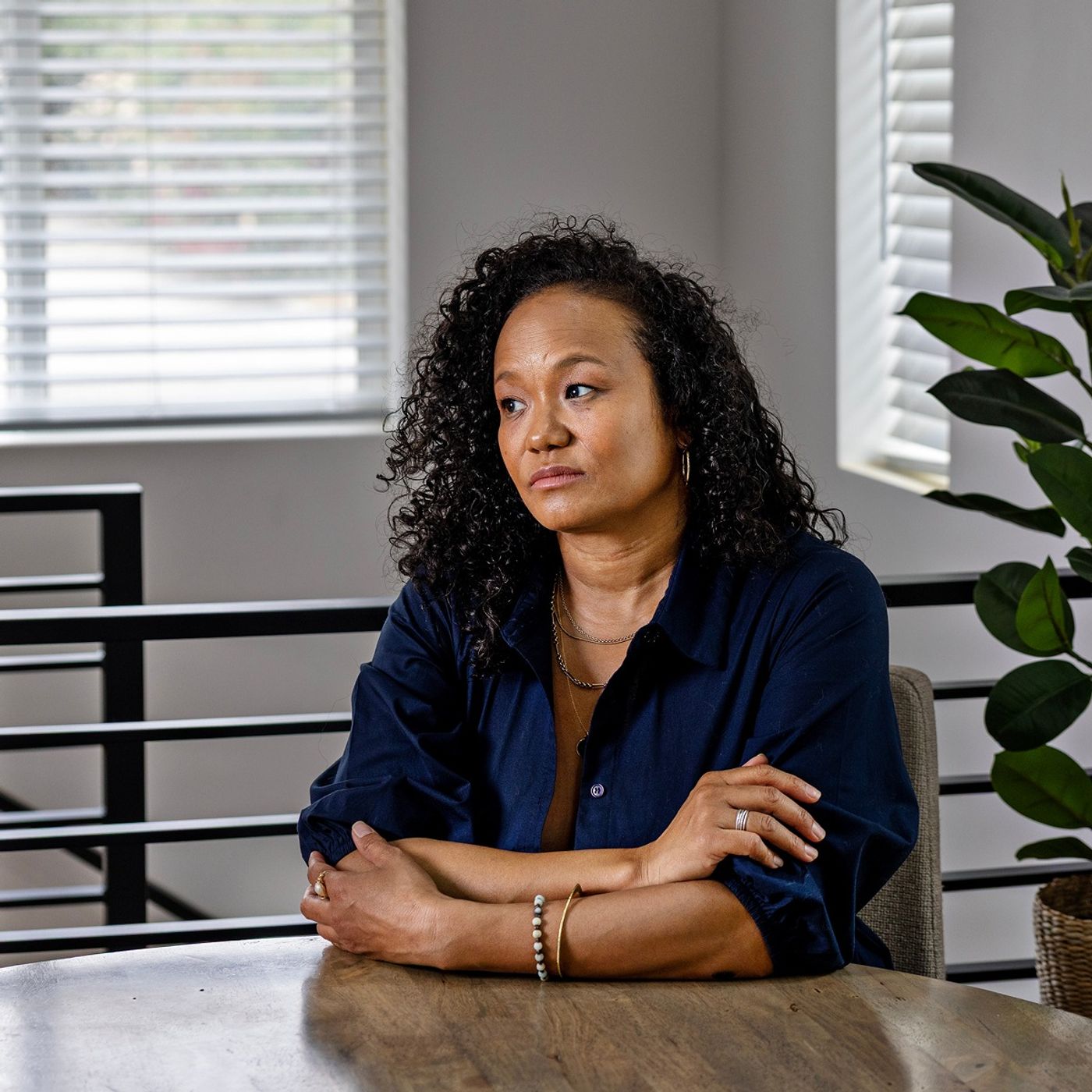
A Couple Breaks Up. Who Gets Custody of Their Embryos?
For 47-year-old Erin Millender, using embryos that were frozen during her marriage became a central question for a New York divorce court.
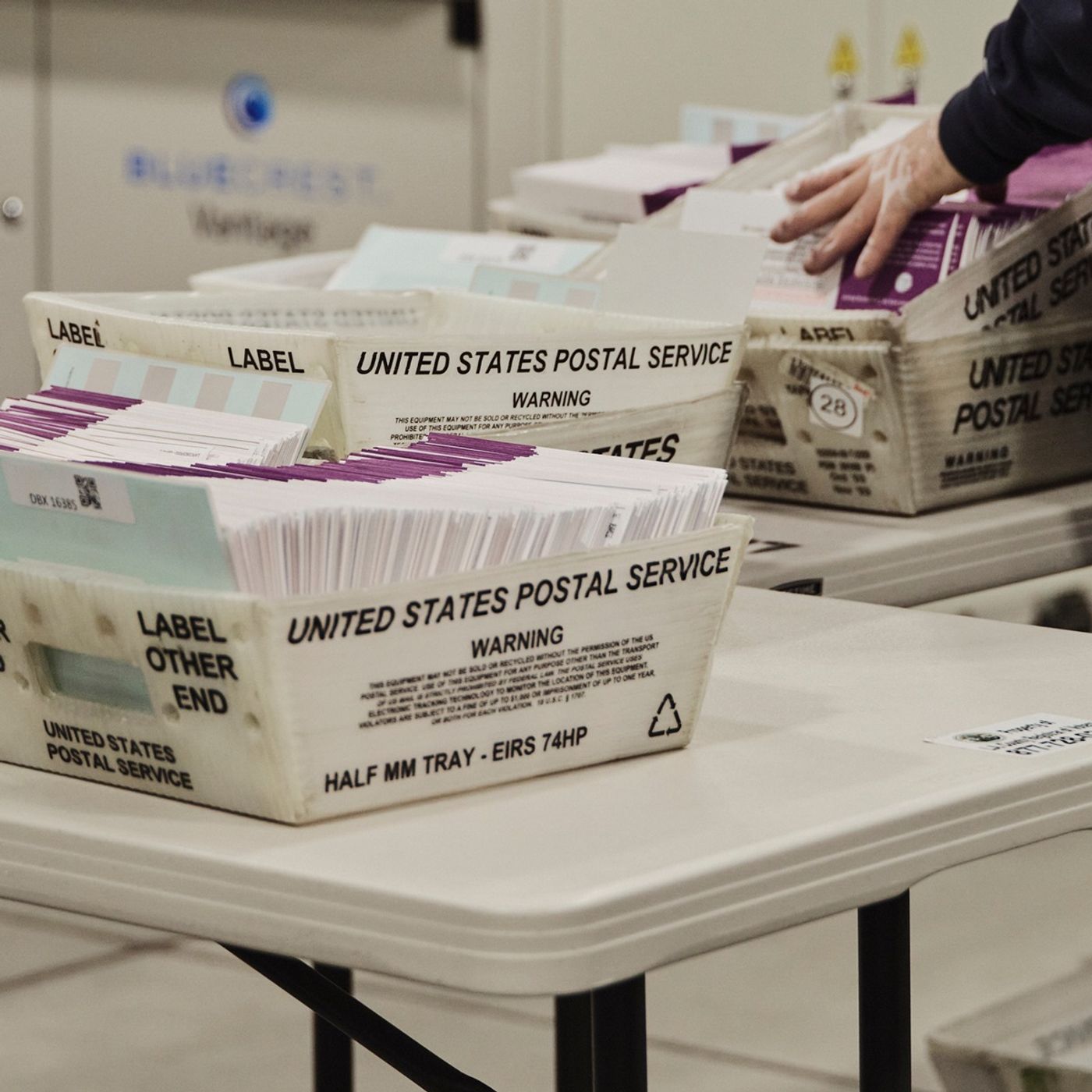
Trump’s War on Mail-In Voting
President Trump has long made unfounded claims that fraud is rampant among mail votes.
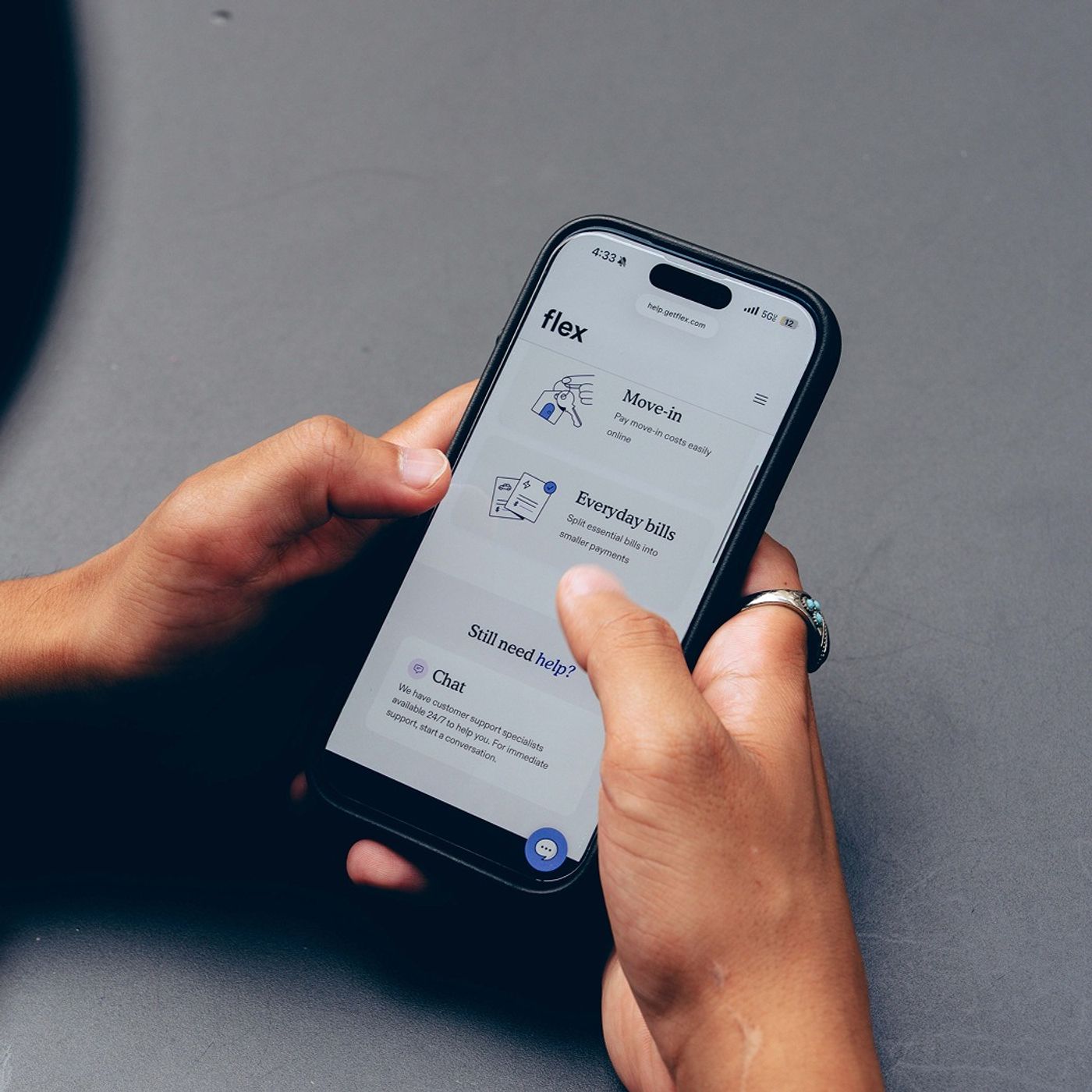
‘Buy Now, Pay Later’: A New Wave of Consumer Debt
Americans are increasingly using the loan model for everyday essentials.