Overview of The Daily — The F.B.I.’s Extraordinary Seizure of Voting Records
This episode (hosted by Michael Barbaro, reporting with Devlin Barrett) explains a highly unusual FBI operation in Fulton County, Georgia: agents removed hundreds of boxes of 2020-election materials (paper ballots, voter rolls, tabulation tapes) and transported them to an FBI facility. The report focuses on why the search happened now, the unusual involvement of senior White House officials (including the Director of National Intelligence), a phone call in which President Trump spoke directly to agents at the scene, and the legal and political risks that follow.
What happened in Fulton County
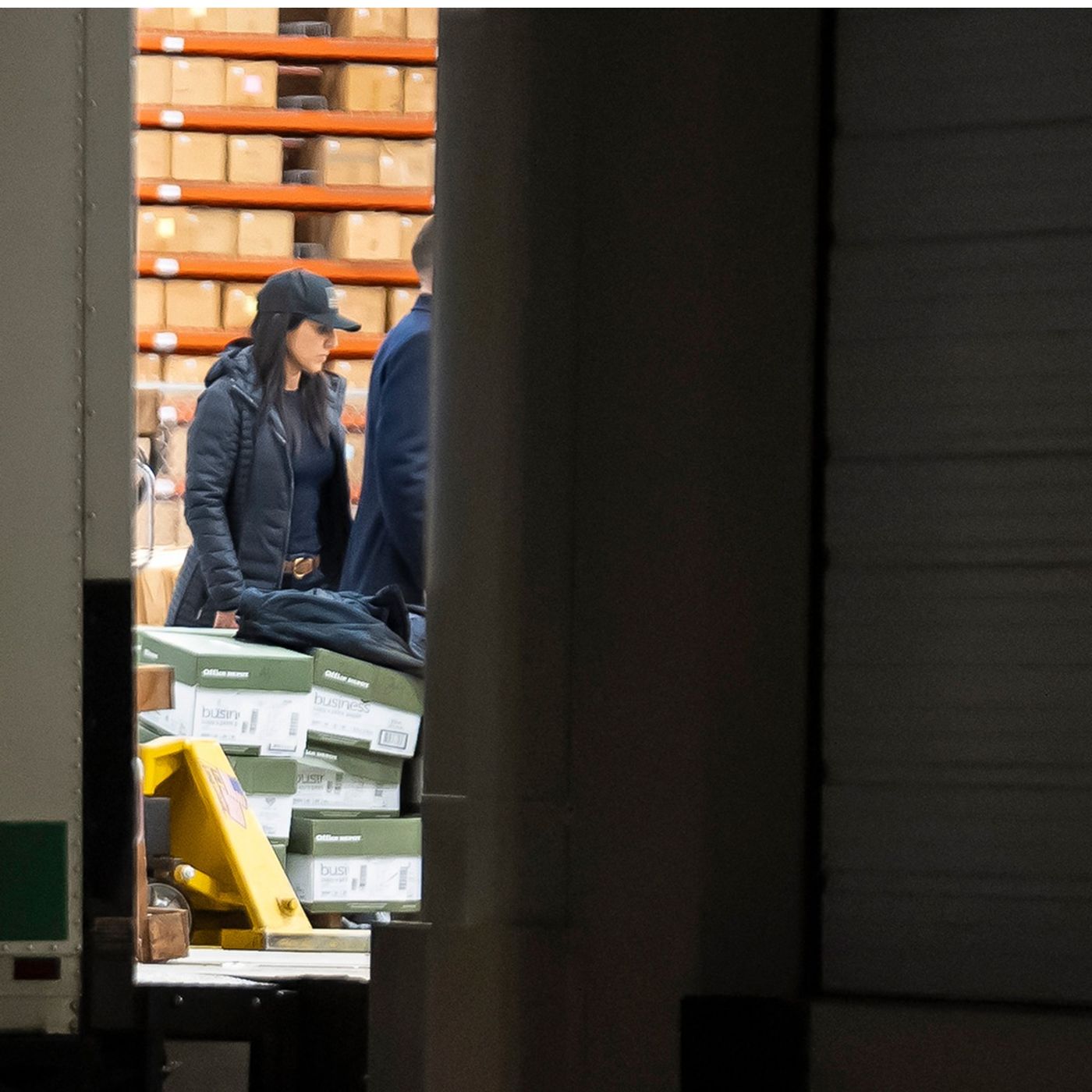
- FBI agents conducted a large seizure at the Fulton County elections records warehouse (Atlanta area), taking paper ballots and related election documentation from the 2020 election.
- It reportedly took hours to load hundreds of boxes and move them to an FBI storage facility.
- The affidavit supporting the search warrant remains sealed, so public details about the evidence claimed are not yet available.
Key people and procedural oddities
- The investigation was assigned to a federal prosecutor in Missouri rather than the U.S. attorney’s office in Atlanta, which previously investigated these 2020 claims and declined to pursue charges.
- The Director of National Intelligence (identified in the episode as Tulsi Gabbard) attended the scene at the president’s direction—an atypical role for a DNI in a domestic criminal search.
- After the search, the DNI visited the FBI field office, called the president, and then put President Trump on speakerphone while agents were present. Trump praised agents and asked questions about the ongoing investigation.
Legal and evidentiary implications
- Direct contact between the president (who reportedly requested the investigation) and field agents creates risk:
- It can be used in defense arguments to claim unlawful political influence or vindictive/prosecutorial misconduct if charges are later brought.
- Such interactions can create “connective tissue” tying investigators to the president’s public demands, making it harder for prosecutors to argue independence at trial.
- Chain-of-custody and impartiality concerns may be raised by defense teams if prosecutions follow.
- The sealed warrant affidavit is the critical unknown — it will determine whether there was new, legally sufficient justification for the search.
Political context and broader pattern
- President Trump has repeatedly promoted claims of fraud in Fulton County and nationally about the 2020 election; he has also publicly suggested prosecutions will follow.
- The episode frames the Fulton County action as part of a larger pattern from the administration:
- The Justice Department has sought voter-roll data and personal voter information from many states over the last year.
- Those requests and actions have alarmed state election officials and Democrats, who see an effort to sow doubt about future elections.
- Trump publicly suggested “nationalizing” voting and that Republicans “should take over the voting” in many places — comments that prompted strong rebukes (Senate Democratic leader Chuck Schumer called the suggestion “outlandishly illegal”).
Reactions and next steps to watch
- Fulton County election officials pledged to litigate to get records returned and to challenge the search.
- Election experts and critics warn the seizure could be used politically to stoke doubt about election integrity ahead of future contests.
- Items to monitor:
- The currently sealed search-warrant affidavit (when/if it is unsealed).
- Any lawsuits seeking return of seized materials and their outcomes.
- Whether charges are filed and whether defense teams use the president’s involvement to argue for dismissal or other remedies.
- Broader federal demands for state voter data and how states respond.
Main takeaways
- The seizure is extraordinary for scope (near-complete 2020 ballots and related records) and for who was involved (a DNI at the scene and direct presidential contact with agents).
- The operation may paradoxically hurt the administration’s stated goal of criminally holding election officials accountable by creating legal grounds to challenge the independence of the investigation.
- The episode places the raid in a broader pattern of actions that critics view as efforts to delegitimize election outcomes and potentially shape future contests.