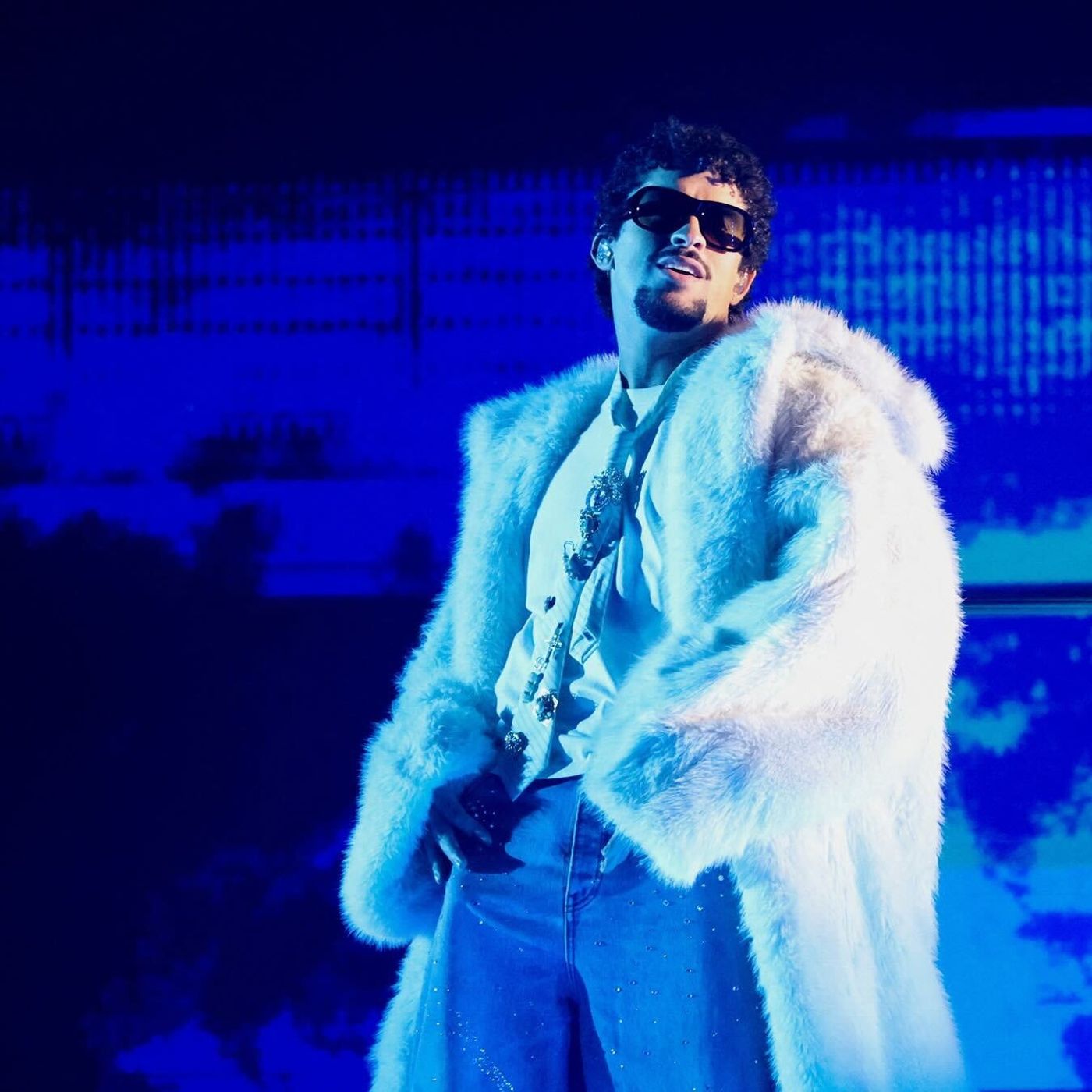
Overview of The Sunday Daily: Bad Bunny Takes Over America
This episode (The Sunday Daily, Feb 1) explores Bad Bunny’s cultural moment: six Grammy nominations (including historic simultaneous nods for album, song and record of the year), and his upcoming Super Bowl halftime headlining slot—an appearance loaded with political and cultural stakes because of his outspoken criticism of ICE and his Puerto Rican activism. Hosts John Caramanica and Joe Coscarelli (Popcast) join Natalie Kittrow‑Eff to explain who Bad Bunny is, how he rose, why the NFL booked him, and what to expect from the Super Bowl performance.
Key takeaways
- Bad Bunny is now one of the most important global pop stars; streaming dismantled language gatekeeping and enabled his rise.
- He performs entirely in Spanish and has consistently refused to Anglicize his music—an intentional stance that reflects wider shifts in global pop.
- His activism (notably returning from tour to join 2019 Puerto Rico protests) and public criticism of ICE have made his Super Bowl appearance politically charged.
- The NFL’s decision to book him follows a strategy to repair its image and diversify halftime acts (Roc Nation partnership after the Kaepernick fallout).
- The performance’s impact will extend beyond the game's 12–13 minutes — what he does before/after could be as significant as the show itself.
Who is Bad Bunny? (Origins and musical identity)
- Birth name: Benito Ocasio; from a small town in Puerto Rico.
- Musical roots: First/second‑generation reggaetón and Latin trap; influenced by artists like Daddy Yankee but moved the genre forward with genre‑bending, melodic rap/singing, and fashion that challenges machismo.
- Image: Gender‑fluid fashion choices (painted nails, non‑traditional jewelry), social progressiveness in aesthetic and presentation.
- Platforms: Emerged via SoundCloud, YouTube, and streaming—bypassing radio/label gatekeepers and reaching a global Spanish‑speaking (and broader) audience.
Rise and signature songs/albums (timeline)
- Breakout via internet-era singles; a key early track was Soy Peor (2016).
- Estamos Bien (2018) signaled a shift to more melodic, emotive pop-infused reggaetón; consolidated his status.
- Major albums: his 2018 breakout full-length (often cited as X 100PRE / early album era), Un Verano Sin Ti (2022 — widely called a high watermark/masterpiece), and more recent work referenced in the episode (a January 2025 release discussed as Debí Tirar Más Fotos).
- Stylistic hallmark: mixing rap and melody, incorporating diverse influences (emo, American rap innovations), and staying authentically Spanish/Puerto Rican in language and slang.
Politics and activism
- Hurricane Maria (2017) and subsequent government mishandling shaped his political awakening.
- 2019: canceled European tour dates to return to Puerto Rico, joined protests, released the protest anthem Afilando los Cuchillos with Residente and iLe; his actions helped spotlight political corruption and contributed to the governor’s resignation.
- Songs carry social themes: Yo Perreo Sola (an anthem addressing harassment/sexual autonomy) is an example of Trojan‑horsey political content packaged as dance music.
- On language and reach: he told interviewers “I don’t care” (about non‑Spanish speakers missing lyrical nuance), embracing the idea that music transcends English hegemony.
Why the NFL picked him (context & strategy)
- Past controversies: NFL’s handling of Colin Kaepernick created cultural and artist‑booking problems (artists declined shows in protest); the 2019 Maroon 5 halftime was widely criticized.
- NFL brought in Jay‑Z’s Roc Nation to diversify and repair relationships with Black and culturally relevant artists.
- Recent halftime choices (Shakira/J.Lo, The Weeknd, Dr. Dre/Snoop/Em/Snoop/Kendrick) show a trend toward hip‑hop/urban acts and moments of controlled transgression to keep audiences engaged.
- Bad Bunny is also simply one of the biggest stars in music right now—ratings and relevance matter.
What Bad Bunny could do at the Super Bowl (spectrum & likely scenarios)
- Within-show possibilities (more constrained): perform in Spanish, showcase Puerto Rican/Latinx culture, include gender/nonconforming fashion, play politically themed songs, stage symbolic moments (e.g., provocative choreography).
- Direct protest options (riskier/bold): make explicit references to ICE or US policy, stage an arrest or kneel, shout‑out Puerto Rico/immigrant communities, or use on-stage signage.
- Outside-show moves (most impactful): timed speeches/press, releasing a political statement, dropping music or video immediately after the set, using the global attention to amplify campaigns or fundraising.
- The episode suggests the most powerful outcomes may be pre/post show actions (and Grammy speeches) rather than a fully overt in‑show protest, because of NFL constraints and multi‑level approvals.
Stakes and risks
- For the NFL: potential backlash from conservative viewers (including from Trump), but also a major ratings opportunity; the league wants relevance without a full‑blown culture war.
- For Bad Bunny: risk of alienating (a) the government/ conservatives, (b) corporate partners, or (c) parts of his progressive fanbase if he’s perceived as playing it safe. He’s historically nimble and unpredictable—he may choose to risk all three.
- Cultural framing: even performing in Spanish at the Super Bowl is perceived as provocative by some; for others it’s a milestone for language and representation in mainstream US pop culture.
Notable quotes and moments from the episode
- Bad Bunny on non‑Spanish speakers missing nuance: “Definitely… people miss a lot… I don’t care.” (Paraphrase from his interview in the episode)
- On returning to Puerto Rico in 2019: “My people need me” — he canceled shows to join protests and recorded a protest song with Residente and iLe.
- Promotional tagline for the Super Bowl trailer: “The world will dance” — signals a unity/joy framing.
What to watch next (actionable items)
- Tonight’s Grammys: whether Bad Bunny wins and if he uses his acceptance speech to make a political statement.
- The week leading up to the Super Bowl: any pre‑ or post‑performance releases, statements, or staged actions.
- The halftime show itself: staging choices, setlist (expect Spanish-language hits like Estamos Bien, Yo Perreo Sola, and songs from Un Verano Sin Ti), fashion, and any symbolic moments.
- Media and political reaction post‑performance: conservative pushback, mainstream coverage, and responses from immigrant‑rights organizations.
Credits (from the episode)
- Host: Natalie Kittrow‑Eff (The Sunday Daily)
- Guests: John Caramonica & Joe Coscarelli (Popcast)
- Produced by Tina Antolini (with Alex Barron); edited by Wendy Doerr; engineered by Rowan Nemisto; original music by Diane Wong and Dan Powell.
If you want just a one‑line summary: Bad Bunny’s Super Bowl slot is a cultural milestone enabled by streaming and Latin music’s rise, and it’s set up to be as musically celebratory as it is politically charged—expect the real story to unfold before and after the 12 minutes on stage.