Overview of On the Front Line of Minnesota’s Fight With ICE
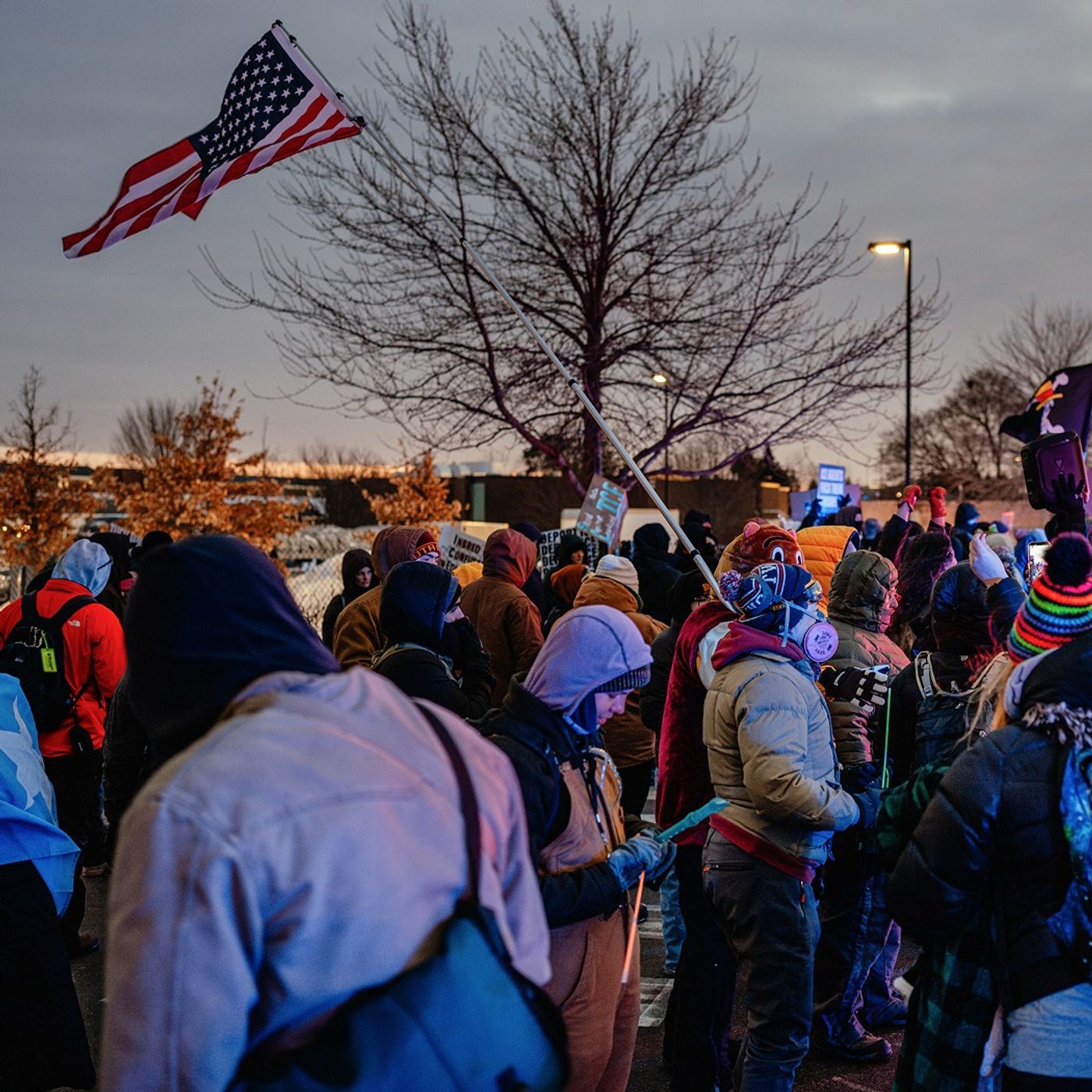
This New York Times Daily episode reports from Minneapolis as community groups, mutual‑aid hubs and civilian patrols respond to a significant federal ICE deployment. Reporters Anna Foley and Michael Simon‑Johnson document grassroots resistance—mutual aid at local businesses, neighborhood mourning after a fatal ICE shooting, DACA recipients and residents coordinating real‑time alerts, and activists who follow and monitor suspected ICE activity. Charles Homans explains why Minneapolis became a focal point and what the situation reveals about local politics, history and risk.
Key takeaways
- Minneapolis has become an outsized target for an ICE operation that feels disproportionate to the city’s immigrant population; the deployment has put many residents—including U.S. citizens and DACA recipients—on edge.
- Local response blends mutual aid (food, diapers, formula), public mourning and decentralized civilian monitoring (Signal groups, license‑plate checks, whistles).
- The fatal shooting of René (Renee) Good by an ICE officer crystallized community outrage and increased white liberal participation in on‑the‑ground resistance.
- Activists report arrests, intimidation and unclear legal lines—some detained then released—heightening fear but also reinforcing organizers’ belief they are disrupting ICE operations.
- Minneapolis’s history (George Floyd protests, local politics, symbolic value to the administration) helps explain both the ferocity of the federal response and the strong local pushback.
Scenes and people on the ground
- Smitten Kitten (sex shop on Lindale/Lake Street): repurposed as a mutual‑aid distribution point for diapers, formula and other essentials. Staff report heavy, urgent demand and say decentralized resource points make it harder for ICE to track people.
- Memorial at Portland & 35th: community space for mourning after the shooting of René Good; neighbors exchange support and watch for suspicious vehicles.
- “Em”: a DACA recipient who moved from avoiding public spaces to actively reporting ICE sightings to Signal groups; her fear turned into community action after the shooting.
- Patty and Mitch: volunteer civilian patrol members who coordinate via Signal, use whistles to alert neighbors, log plates, and follow suspected agents to document activity. Patty was detained and pepper‑sprayed in a prior encounter but returned to patrols.
How community response is organized
- Mutual aid hubs: local businesses and storefronts collect and distribute essentials to people afraid to go to mainstream services.
- Decentralized alerting: Signal group chats and large conference calls coordinate sightings; volunteers run quick plate checks and disseminate confirmations.
- Civilian patrol tactics: documenting vehicles/agents, blowing whistles to warn, filming, gathering neighbors at suspected sites, and waiting to observe activity (sometimes for hours).
- Emphasis on visibility: activists believe blocking or shadowing ICE and maintaining public attention interferes with the agency’s operation and deterrence goals.
Notable quotes
- “When our immigrant neighbors are under attack, what do we do? Get up by them!”
- “My neighbor’s house is on fire and the fire department is not coming, so you better find a garden hose.”
- From Smitten Kitten staff: “Sex workers and marginalized groups of people…will radicalize you.”
Context: why Minneapolis?
- Official pretexts include an investigation into a fraud scandal tied to members of the Somali community; reporters note shifting explanations from the federal government.
- Political symbolism: Minnesota is a liberal state Trump has criticized; Minneapolis is emblematic of protests after George Floyd—heightening national attention.
- City size matters: Minneapolis is relatively small; the concentrated presence of many federal agents makes nonwhite residents more visible and feeling more vulnerable than in larger cities.
Risks, legal uncertainty and escalation concerns
- Activists experience arrests, pepper spray, and intimidation—sometimes without charges or clear explanations.
- Uncertainty about rules: volunteers are unsure what constitutes legal obstruction, safe following distances, or when documentation could lead to trouble.
- The big unknown: whether federal forces will escalate further, invoke additional authorities (e.g., Insurrection Act), or sustain operations long term.
What this means going forward
- The federal response has mobilized new alliances and increased local activism, but it has also deepened fear and disrupted daily life for immigrant communities.
- Organizers interpret strong federal pushback (arrests/detentions) as evidence their tactics are disruptive, reinforcing continued resistance.
- The situation is unfolding and could shape broader debates about federal immigration enforcement, local solidarity networks, and civil‑liberties boundaries.
Practical (reported) actions and behaviors described
- Set up and use decentralized aid points in neighborhoods to reduce single‑point vulnerabilities.
- Coordinate real‑time alerts through encrypted group messaging; collect vehicle descriptions and license plates for community verification.
- Use audible alerts (whistles, horns) and public presence to warn and document ICE activity.
- Provide mutual‑aid assistance (transportation, supplies, legal info) to those avoiding public spaces.
(Note: this summary describes reported tactics and community responses in the story; it is not legal advice.)
Producers and reporting credits
- Reported and produced by Anna Foley and Michael Simon‑Johnson. Additional reporting from Charlie Homans. Episode produced and edited by New York Times staff; music and engineering credits noted in the episode.