Overview of Social Media on Trial
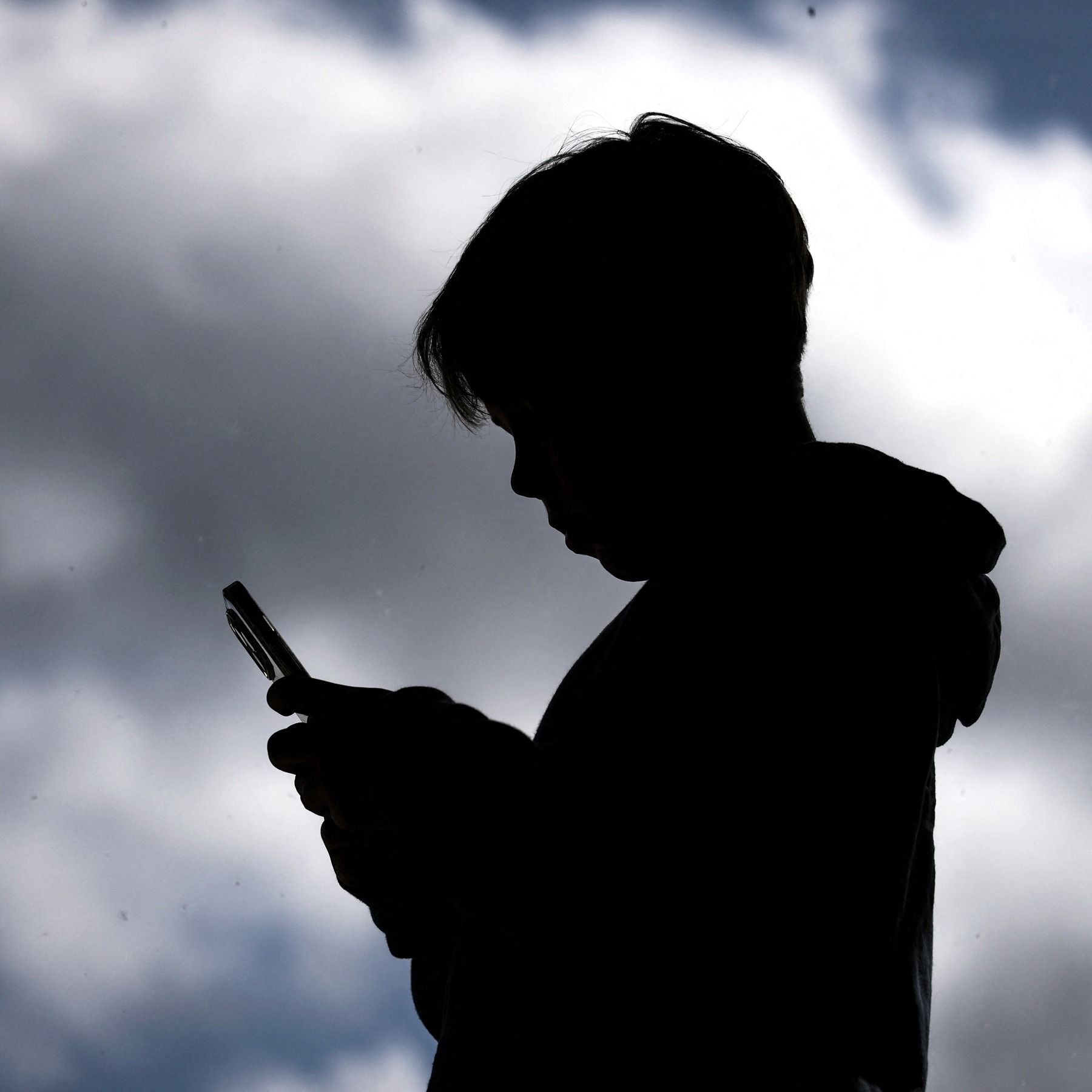
This episode of The Daily (host Rachel Abrams) features NYT reporter Cecilia Kang explaining a new wave of lawsuits alleging social media platforms engineered addictive products that harmed children’s mental health. Unlike prior suits focused on hosted content, these cases frame social media itself — design features and engagement-driven algorithms — as the cause of addiction and injury. Plaintiffs include thousands of individuals, school districts and state attorneys general; early bellwether trials begin in Los Angeles and a bundled federal wave is scheduled for June.
Key points and main takeaways
- The litigation marks a shift from content-based claims to product-design-based personal injury claims — likened by some to “social media’s big tobacco moment.”
- Plaintiffs aim to sidestep First Amendment and Section 230 defenses by arguing the harms arise from engineered, addictive features, not protected speech.
- Success in court requires proving causation (that specific features caused addiction and mental-health harms) and that companies knew of the risk and concealed it.
- Plaintiffs rely heavily on internal documents obtained in discovery; public examples include Meta’s internal debates over Instagram beauty filters.
- Remedies sought include monetary damages and structural changes: stronger age verification, parental controls, and removal or restriction of high-engagement features (infinite scroll, autoplay, snap streaks).
- Some companies (Snap and TikTok) settled the first KGM case; Meta and YouTube are set to go to trial.
Case details — what’s being tried now
- Bellwether trials in Los Angeles: nine individual plaintiff trials were selected from thousands of suits. These are representative cases intended to guide later litigation.
- Example plaintiff: “KGM,” a 20-year-old who alleges she began using YouTube at 8, Instagram at 9, TikTok (Musical.ly) at 10 and Snapchat at 11, became addicted, and developed anxiety, depression, suicidal thoughts and body-image issues.
- Federal wave (starting in June): bundled suits by dozens of state attorneys general and school districts alleging public-nuisance harms and seeking damages for costs borne by schools/states (mental-health services, programs).
Legal theory and what plaintiffs must prove
- Theory: platforms designed features (infinite scroll, autoplay, algorithmic recommendations, snap streaks, beauty filters) to maximize engagement in ways that produce compulsive use and foreseeable harms.
- Burden on plaintiffs:
- Prove a causal link between platform features and addictive behavior/mental-health harms.
- Show companies knew about the harms (internal research/documents) and failed to disclose or acted to preserve engagement despite knowledge.
- Evidence: scientific studies on social media effects plus hundreds of thousands of internal company documents revealed in discovery.
Defendants’ likely defenses
- Free-speech and immunity arguments:
- Platforms will invoke Section 230 and First Amendment protections to argue they are shielded from liability for hosting content and that these claims implicate protected speech.
- Causation and multifactorial defenses:
- Companies will argue mental-health conditions are caused by many factors (family, school, broader culture) and cannot be attributed to platforms alone.
- Practical/legal resistance to mandates that would upend engagement-driven ad models.
Evidence highlighted in the episode
- Internal Meta documents on Instagram beauty filters: Meta studied effects on young users, considered banning then later reinstating filters despite employee warnings (including a direct plea to Zuckerberg citing harm to his/her daughter). Plaintiffs will use similar documents to argue knowledge and concealment.
Remedies plaintiffs are seeking
- Monetary damages (individual compensation, district/state costs).
- Platform design changes:
- Stronger age verification and enforcement to prevent underage accounts.
- Parental controls and transparency tools.
- Removal or limitation of features alleged to promote compulsive use: infinite scroll, autoplay, snap streaks, certain recommendation algorithms, potentially certain filters and engagement mechanics.
Potential outcomes and broader implications
- If plaintiffs prevail, verdicts could force sweeping design and business-model changes across ad-driven platforms, reducing engagement tools that drive revenue.
- A loss for platforms could shift public blame from users to companies and reshape how society, regulators and parents approach youth social media use.
- Even without decisive legal victories, document disclosures and settlements can spur policy changes, product redesigns and new regulations.
Notable quotes from the episode
- “Unregulated social media is a weapon of mass destruction that continues to jeopardize the safety, privacy and well-being of all American youth.” (quote reflecting plaintiffs’ rhetoric cited in the episode)
- Cecilia Kang: “This is less about the content they host, and this is more about the nature of the technologies.”
What to watch next
- Immediate: Los Angeles bellwether trials (beginning the week of the episode).
- June: Federal bundled trials by state attorneys general and school districts.
- Corporate moves: settlements vs. going to trial — Meta and YouTube planned to fight KGM; Snap and TikTok settled.
Practical recommendations (for parents, schools, policymakers)
- Parents/schools:
- Enforce age limits and use available parental-control tools.
- Monitor time and content; prioritize mental-health support for young people.
- Policymakers:
- Consider legislation requiring transparency about engagement-driving features and stricter age verification.
- Support school mental-health resources anticipating ongoing youth needs.
Produced: New York Times’ The Daily; host Rachel Abrams; reporting by Cecilia Kang.