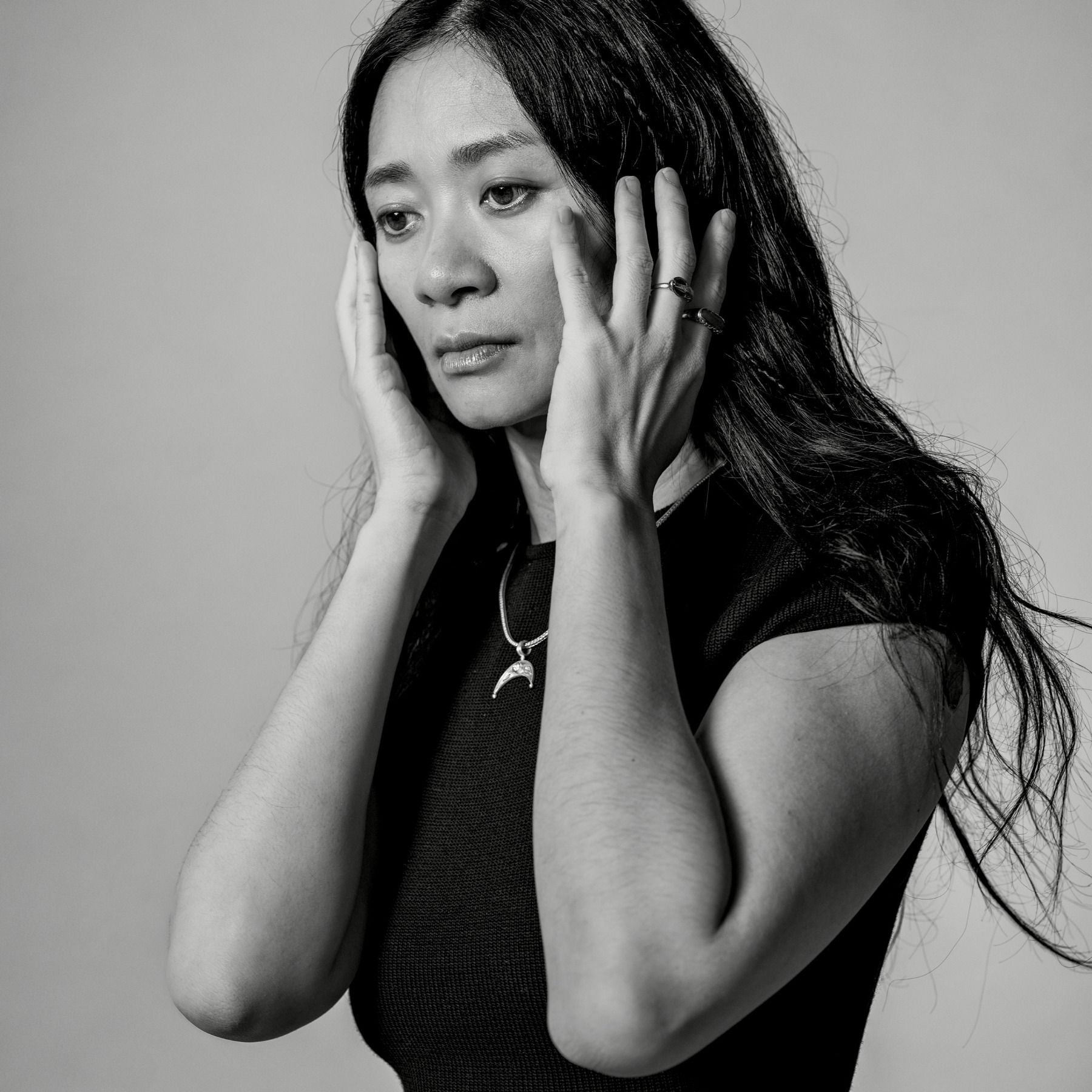
Overview of The Interview: "Chloé Zhao Is Yearning to Know How to Love"
This New York Times interview (hosted by David Marchese) is a wide-ranging conversation with filmmaker Chloé Zhao about her craft, her new film Hamnet, and deeply personal questions about grief, belonging, death, midlife and the source of enchantment in modern life. Zhao reflects on directing methods, the emotional life of artists, her training as a death doula, influences (Terrence Malick, Wong Kar-wai), and how she’s learning to live and love amid fear and impermanence.
Key topics discussed
-
Film career and awards season
- Zhao’s trajectory: indie roots (Nomadland) → big-studio (Eternals) → Hamnet (adaptation of Maggie O’Farrell’s novel).
- How awards and public judgment trigger basic, childhood-rooted fears of rejection and belonging.
- The social value of festivals and awards season as rare opportunities for filmmakers to reconnect.
-
Filmmaking approach and leadership
- Directing as alternating between control and surrender: “general” vs. “priestess” archetypes.
- Emphasis on improvisation and collective truth on set: using music and atmosphere to let real moments emerge (example: an unplanned scream of grief in Hamnet that felt communal).
- Encourages directors to shadow each other’s sets to keep learning.
-
Grief, death, and being a death doula
- Zhao’s belief: biological grief is unchanged across eras; cultural framing and rituals around death vary and shape suffering.
- She completed foundational death-doula training in the U.K. and is pursuing deeper certification and mentored practice.
- Observations from witnessing death: dying is a solitary, inward experience, akin to birth; being with someone is still different from the inner journey.
-
Midlife, impermanence, and personal work
- Zhao describes a “chrysalis” period: a hard, decomposing phase that she’s emerging from—midlife as rebirth.
- She links fear of death/impermanence to difficulties in loving vulnerably and seeking belonging.
- Discusses practices (plant medicine sessions, spiritual experiences) that allowed her to feel oneness and reduce fear.
-
Enchantment, mystery, and creativity
- Critique of Western rationalism displacing mystery; argues that access to transcendence should be widespread, not restricted to trained elites.
- Films as tools to “remember who we are” — poetry helps people sit with mystery rather than demand facts.
- Influences: Terrence Malick (Thin Red Line, Tree of Life) and Wong Kar-wai (Happy Together) for their mysticism and emotional resonance.
-
Personal anecdotes and coping mechanisms
- Childhood/teen coping: long sessions playing The Sims to exert control and manage anxiety about unpredictability.
- Zhao’s candid exploration of ancestral and life-long sources of feeling “cast out,” but also recognition that searching for a single origin can be another form of control.
Main takeaways
- Zhao’s creative leadership is a balance between disciplined control and radical surrender; allowing the set to form a “vibration” often produces truthful, unplanned moments worth keeping.
- Grief is biologically constant, but cultural context and rituals shape how suffering is processed; reclaiming ritual and mystery can lessen modern existential loneliness.
- Facing fear of death (through study, practice, or spiritual/therapeutic experiences) is a path to living more fully and loving more openly.
- Midlife upheaval can be a necessary decomposing/rebirthing phase rather than only negative—learning to “ride the wave” of extremes is a skill.
- Enchantment and access to the sacred need not be elitist; everyday practices and arts can reconnect people to the unseen.
Notable quotes and insights
- “Filmmaking is…a lonely process. At least speaking as director, you're like a ronin.”
- On leadership: “There is a general inside of me, but there's also a priestess inside of me.”
- On grief and biology: “Although things are so different, our biology hasn't changed.”
- On the interior work of belonging: “The one that cannot be taken away is the one within.”
- On learning to accept failure: “I want to find pleasure and joy and awe in the shit too.”
- On death as a universal design: “We must be designed to know how to die.”
Practical recommendations / action items (what listeners can try)
- If you create or lead teams: experiment with rituals that harmonize atmospheres (music, short collective practices) to invite genuine moments.
- To cultivate enchantment: introduce small daily practices—nature attention, poetry, quiet ritual—to reconnect with wonder.
- To better tolerate life’s “compost” (hard times): practice sitting with discomfort rather than numbing it; learn skills (therapy, meditation, somatic work) to “ride the wave.”
- To reframe death anxiety: consider education (death-doula training, reading on grief), or guided experiences that foster a direct sense of oneness (therapy, facilitated plant medicine where legal and ethical).
- For filmmakers: spend time shadowing other directors’ sets to keep learning across styles and methods.
Context & credits
- Interviewer: David Marchese.
- Subject: Chloé Zhao (director of Nomadland; director of Hamnet, based on Maggie O’Farrell’s novel; also directed Marvel’s Eternals).
- Production credits (selected): Produced by Seth Kelly; edited by Annabelle Bacon; mixing by Sonia Herrero; music by Dan Powell, Leah Shaw Dameron, Marian Lozano.
- Where to watch/read: The Interview (New York Times) — full conversation available on NYT platforms and YouTube.
This interview blends practical craft-talk about filmmaking with intimate reflections on mortality, belonging, and the spiritual work Zhao is doing to learn how to love more fully.