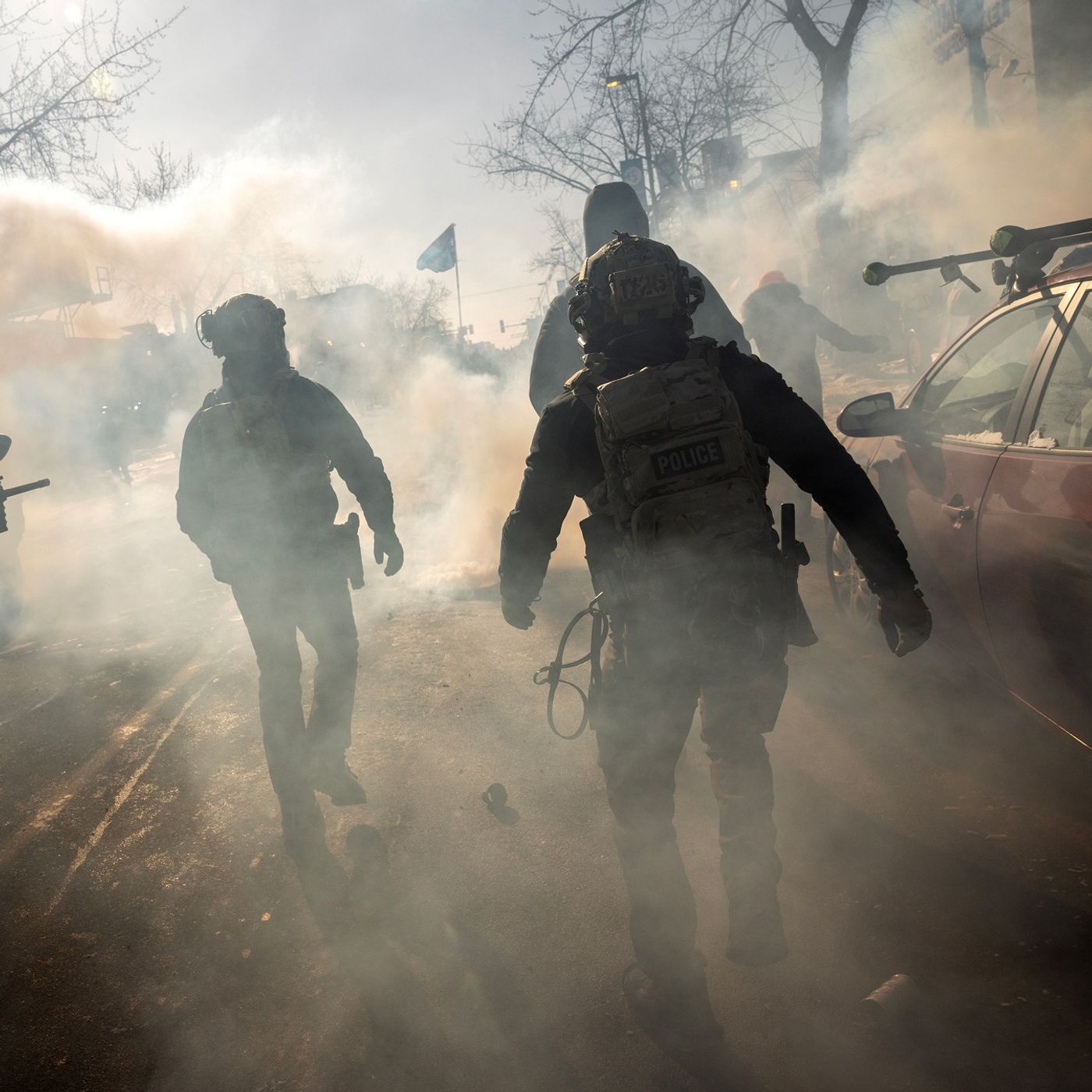
Overview of "Trump Changes Course in Minneapolis"
This episode of The Daily (New York Times) — hosted by Michael Barbaro with reporting from White House correspondents Zolan Kanno-Youngs and Tyler Pager — examines how the killing of Alex Petty (name spelled inconsistently in the transcript) in Minneapolis by federal agents and the related death of Renée Good forced President Trump to shift his tone and personnel decisions around a high-profile immigration enforcement operation. The episode traces what changed (rhetoric, personnel moves, phone calls) and what has not (continued on-the-ground federal activity), weighing whether the pivot is substantive or mainly symbolic.
Key points and main takeaways
- The deaths of Alex Petty and Renée Good and widely viewed video footage produced intense bipartisan political backlash and critical media coverage, including from normally sympathetic outlets.
- Facing political risk, President Trump shifted his messaging: he expressed willingness to review the shooting, ordered personnel changes, and opened lines of communication with Minnesota leaders — after initially blaming local officials and the victims.
- Concrete changes so far: Tom Homan (White House border official) was sent to Minneapolis and Greg Bovino — a senior Border Patrol official who publicly defended the operation and made inaccurate claims — was pulled back.
- What has not meaningfully changed: the operation on the ground remained active, with reports of arrests continuing and no immediate, public rollback of federal agents across Minneapolis.
- The administration’s pivot appears driven primarily by political damage control rather than a principled re-evaluation of the immigration enforcement strategy.
Timeline of events (concise)
- Weekend: Trump stays in Washington; watches cable coverage of the Minneapolis shootings and is disturbed by how the story overshadowed his immigration message.
- Late Sunday: Wall Street Journal interview — Trump signals openness to review/investigate the shooting (notable change in tone).
- Early Monday: Trump announces on Truth Social that Tom Homan will lead the Minneapolis operation; Greg Bovino is removed from local leadership.
- Monday–Tuesday: Trump speaks by phone with Minnesota Governor Tim Walz and Minneapolis Mayor Jacob Frey, pledging to review and possibly reduce federal presence; administration rhetoric softens publicly.
- Tuesday night: Stephen Miller publicly retreats from earlier, inaccurate characterizations of the victim and says the White House will evaluate Border Patrol protocols.
What changed vs. what didn’t
- Changed (rhetoric and some personnel):
- President publicly acknowledged a review/investigation and signaled de-escalation.
- High-profile personnel move: Greg Bovino removed from the Minneapolis role; Tom Homan sent in.
- Public distancing from some aides’ and allies’ fiercest claims (e.g., that the victim was a domestic terrorist).
- Trump held diplomatic calls with local leaders he had previously attacked.
- Not changed (operational reality as of the episode):
- Federal presence and aggressive enforcement in Minneapolis continued; arrests were still being recorded.
- No public evidence of a broad recall of Border Patrol or other federal agents, no named criminal investigations into the shooting agents, and no firings of senior officials like Kristi Noem.
- The administration did not define clear criteria for scaling back.
Political reactions and stakes
- Bipartisan criticism: Republican senators (Bill Cassidy, Tom Tillis) and conservative media figures criticized the administration’s response; Democrats pushed for investigations and accountability.
- Congressional leverage: Some lawmakers — including appropriations-influential Republicans like Susan Collins — signaled they might demand pauses or changes to enforcement actions, raising the specter that funding decisions could be tied to the issue and potentially threaten end-of-week funding measures.
- Local fallout: Minnesota officials demanded real investigations and limits on federal enforcement; activists and local leaders were deeply angered by the deaths and the initial administration response.
- Broader implication: The episode argues Trump’s willingness to pull back appears to be motivated by political fallout rather than an initial recognition of wrongdoing.
Notable quotes / characterizations
- Media and critics described the videos of the shooting as showing “an execution” and accused the administration of lying in the face of clear evidence.
- Reporters summarized the dynamic: the president was not moved by the killings themselves but by the political damage the story caused to his border-enforcement narrative.
What to watch next (concrete signals that would show substantive change)
- Whether federal agents are actually withdrawn or their numbers reduced in Minneapolis and other cities.
- Whether a formal, independent criminal investigation is opened into the agents involved and whether officers are named, suspended, or charged.
- Any additional personnel changes at DHS or among White House aides who promoted inaccurate accounts (e.g., further distancing from Stephen Miller, calls for Kristi Noem to step down).
- Congressional action: amendments or holds on appropriations, hearings, or other leverage that could force policy or personnel changes.
Additional items mentioned briefly in the episode
- An attack attempt on Rep. Ilhan Omar during a town hall (she was unharmed; the assailant arrested).
- Census data showing a major slowdown in U.S. population growth, driven in part by a drop in immigration tied to Trump administration policies.
Bottom line
The administration’s public retreat in tone and the personnel moves in Minneapolis came in direct response to political backlash after video evidence contradicted official accounts of federal force. But as of the episode, those moves had not translated into a clear, significant reduction in federal activity on the ground — leaving the real question unresolved: will the changes be substantive or merely symbolic political triage?