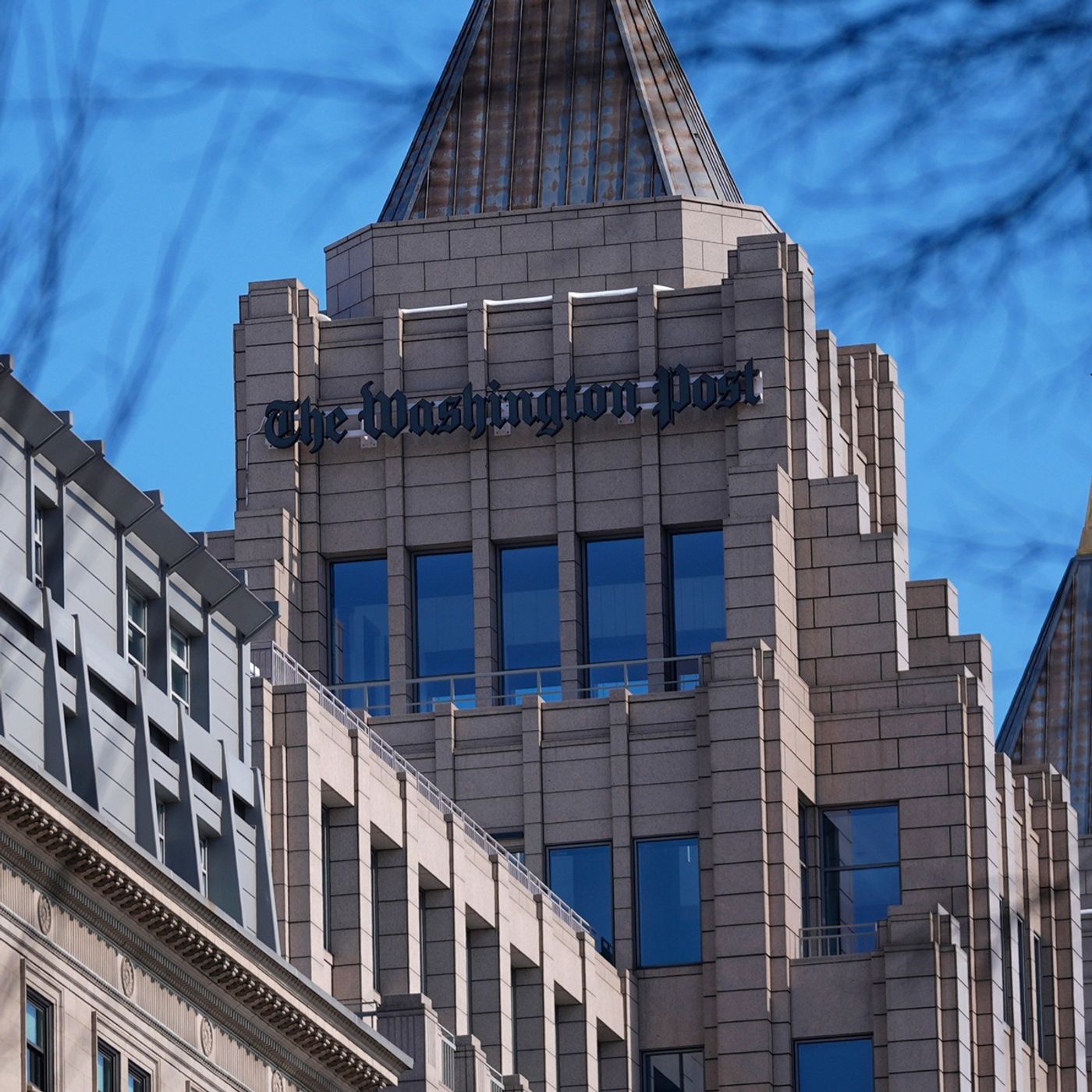
Overview of The Daily — "Bezos Guts The Washington Post"
This episode of The Daily (hosted by Rachel Abrams) examines the recent, sweeping newsroom cuts at The Washington Post and traces how ownership and business decisions under Jeff Bezos transformed the paper from a reinvigorated news organization into one facing a severe contraction. Reporter and former Post columnist Eric Wemple explains the timeline, key decisions (editorial and business), who was affected, and the likely implications for journalism and civic life.
Key facts & timeline
- Jeff Bezos bought The Washington Post in 2013 for about $250 million and invested heavily in technology, audience teams, politics and international reporting.
- The Post peaked earlier in the 2010s at more than 1,100 newsroom staff; by the time of the cuts the newsroom was about 800.
- Recent layoffs eliminated roughly 300 newsroom positions—about one-third of the newsroom.
- Cuts disproportionately affected: Metro desk, Sports desk (entire sports department), and international coverage (most overseas journalists). The books department will close; the Post Reports podcast was suspended.
- A major turning point: 11 days before the 2024 presidential election, the Post’s publisher announced a new policy to stop publishing endorsements—after a draft endorsement for Kamala Harris already existed—prompting a wave of subscriber cancellations (NPR reported ~250,000 cancellations).
- In February 2025, Bezos announced an ideological pivot in the opinion section toward personal liberties and free markets, intensifying internal and subscriber discontent.
- Additional context cited: Bezos paid $75 million to a company controlled by Melania Trump for a documentary and Amazon’s donations to White House-related projects, all occurring amid heightened attacks on the press.
Background: investment, growth, and the “Trump bump”
- Early years under Bezos: major investments modernized the website, expanded audience teams, and bolstered investigative and political reporting. The Post won major awards and shared a Pulitzer with the New York Times for coverage of the Trump-era Russia story.
- The Post benefited from a substantial audience/subscriber surge during the Trump years (“Trump bump”), which helped make the operation appear profitable for a time.
- Business vulnerabilities remained: dependence on digital advertising and spikes in attention created a fragile revenue model that could not survive sustained audience declines.
Turning points that led to crisis
- Election endorsement controversy (2024): pulling endorsements so close to the election (after a draft existed) angered readers and prompted mass cancellations—seen internally as a management decision that precipitated revenue loss.
- Editorial pivot (Feb 2025): public shift in opinion-page ideology intensified concerns about ownership influence and editorial independence.
- Ongoing departures: dissatisfaction with leadership and strategic direction led to buyouts and voluntary departures, eroding institutional knowledge and morale.
- Additional Bezos-related decisions and external political pressures deepened concerns about the paper’s independence and priorities.
Details of the layoffs and immediate consequences
- About 300 newsroom positions cut from an ~800-person newsroom (roughly one-third).
- Most affected areas: Metro, Sports (entire department), Books (closing), International correspondents (most overseas journalists).
- Management framed cuts as data- and analytics-driven: doubling down on coverage areas that attract the largest audiences (politics, national security, investigations).
- Critics warn of a “death spiral”: shrinking the breadth of coverage can lead to subscriber loss, reduced ad appeal, further cuts, and declining relevance.
Analysis & implications
- Short-term: The Post will continue breaking major stories where staff remain and where newsroom talent persists. High-priority desks (politics, investigations, national security) were left relatively intact.
- Long-term risks:
- Loss of local, community-level reporting: gaps that are hard to measure will emerge (the Post will miss stories that require sustained local presence).
- Shrinking product could accelerate subscriber desertion and advertiser flight—reinforcing the downward spiral Bezos once warned about.
- Questions about editorial independence and ownership priorities may continue to affect reader trust and subscription behavior.
- Industry-wide lesson: audience spikes tied to specific political moments (the “Trump bump”) are not a durable business model without deeper, diversified revenue strategies.
Notable quotes from the episode
- Bezos (about his motive at purchase): when he was old, helping turn the Post around would be a legacy he’d be proud of.
- Marty Baron (former Post executive editor): “The Washington Post’s ambitions will be sharply diminished, its talented and brave staff will be further depleted, and the public will be denied the ground-level, fact-based reporting in our communities and around the world that is needed more than ever.”
- Eric Wemple on the cuts: “When a story emerges, they will get on it... but we will never see the stuff that they just don't have the manpower to produce.”
What to watch next (actionable signs and metrics)
- Subscription trends: whether cancellations stabilize or accelerate after the cuts.
- Coverage gaps: reduction in local/metro reporting, books, and sports and the impact on civic oversight.
- Editorial direction: whether opinion-page changes continue or are reversed and how staff and readers respond.
- Ownership decisions: further business deals or political-facing expenditures tied to Bezos or Amazon.
- Staff turnover and morale: how many more departures occur and whether the Post can recruit or retain key investigative talent.
Bottom line
The Washington Post’s recent layoffs represent a dramatic contraction from a decade ago when Bezos revived the paper. Management is betting that doubling down on high-traffic national desks can sustain the business; critics warn this strategy risks hollowing out community and cultural coverage, undermining trust, and triggering a self-reinforcing decline. The consequences will shape not only the Post’s future but also the landscape of national and local journalism.