Overview of Can Trump Force Blue Cities to Cooperate With ICE?
This episode of The New York Times' The Daily examines whether the Trump administration can compel liberal (“blue”) cities to open their jails and otherwise cooperate with ICE and Border Patrol — and why that request is legally, politically, and practically fraught. Reporters Hamid Ali Aziz and Ernesto Londono trace the shift from deep local–federal cooperation (when ICE used jails as a pipeline for arrests and deportations) to the sanctuary movement and modern noncooperation, and they use Minneapolis/Hennepin County as a concrete test case for the administration’s demands.
Key takeaways
- Historically, ICE relied on close cooperation with local jails (fingerprints, 48-hour holds, on-site interviews) to efficiently identify and remove noncitizens.
- The sanctuary movement emerged to separate local policing from federal immigration enforcement to protect community trust and reduce legal liability for counties and sheriffs.
- Legal challenges and lawsuits (over unlawful extended detentions) and the political backlash to high deportation numbers drove many jurisdictions to limit or end cooperation.
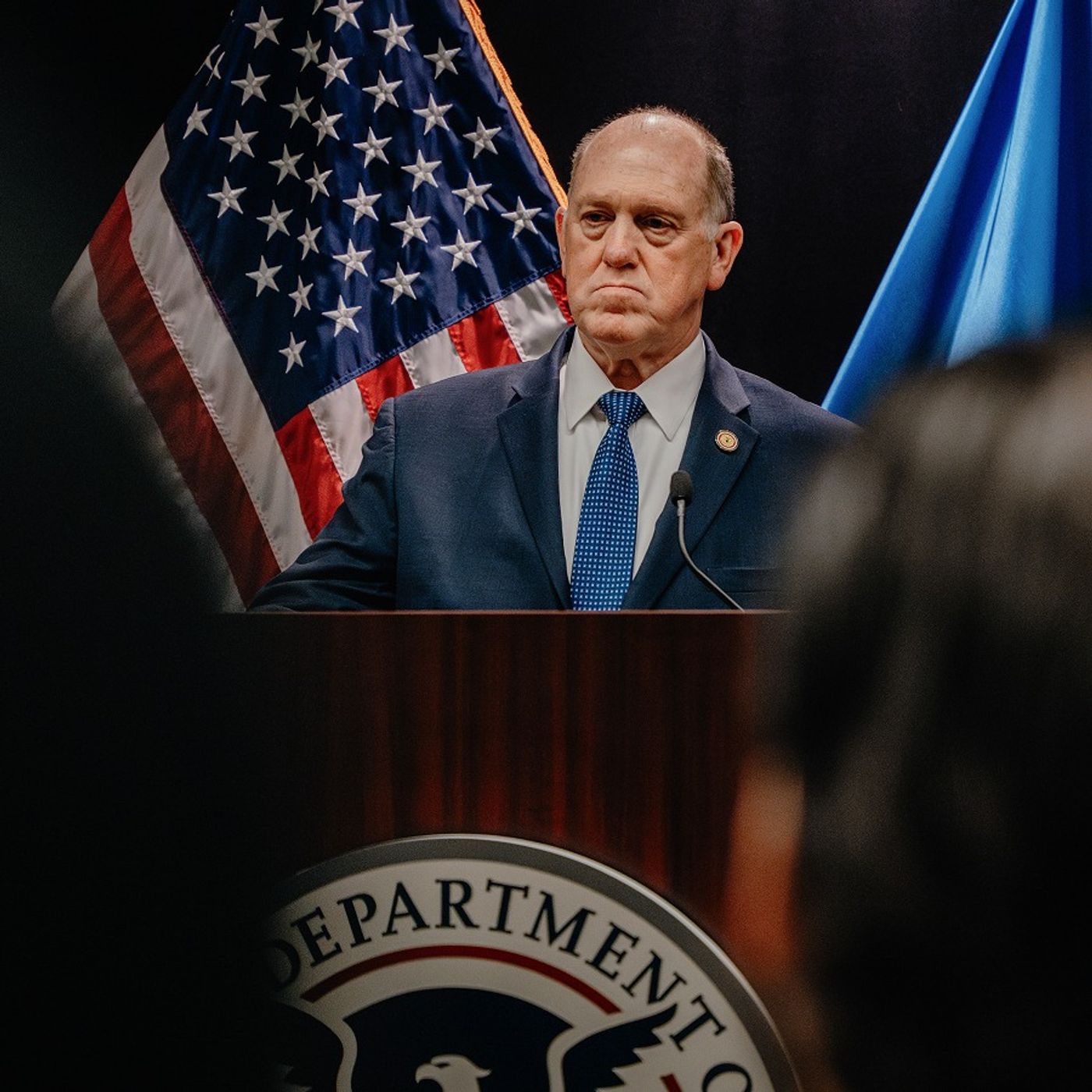
- The Trump administration, through figures like former ICE director Tom Homan, has pushed aggressively for renewed cooperation, sometimes offering to “draw down” federal agents if local officials comply.
- In Minneapolis, Hennepin County — controlled by elected officials and led by Sheriff Dawanna Witt — is the focal point; the sheriff has the authority to change jail cooperation policy but faces steep political and legal risks.
- Even if local officials reopened jails to ICE, there is no guarantee the federal government would scale back street-level operations or leave — trust is minimal.
Historical background: cooperation → sanctuary
- Obama-era practice: Local arrests triggered fingerprint notifications to federal databases; ICE could request jails hold people for up to 48 hours, enabling mass pickups and efficient deportations.
- Criticism and reaction: High deportation totals led to the “sanctuary” movement (roots in church sanctuary practices), with cities/states refusing or limiting cooperation to protect immigrants and encourage community cooperation with police.
- Legal and financial pressures: Lawsuits over unlawful holds left counties financially exposed, providing a strong incentive for localities to refuse ICE detention requests or notifications.
- Policy evolution: Some jurisdictions offered limited notification (e.g., 48-hour heads-up) as a compromise; under Trump, many jurisdictions moved to sever even that level of cooperation.
The Minneapolis/Hennepin County case
- Hennepin County Jail history: Under a previous sheriff during the Obama years ICE had a small on-site presence (described as a “broom closet”) to interview detainees; that ended after the 2018 election when Sheriff Dawanna Witt campaigned on rescinding ICE cooperation.
- Current policy: Hennepin County has a clear noncooperation stance; state prisons still often notify ICE for serious offenders, but county/jail cooperation varies by sheriff and county.
- Political realities: Sheriff Witt could legally change jail policy unilaterally, but she is an elected official in a politically left-shifting county after the George Floyd protests and faces electoral risk if perceived to capitulate.
- Trust and incentives: Local officials worry opening jails to ICE would erode community trust in policing and bring no reliable assurance the federal government would reduce intrusive street operations.
Legal and practical constraints
- Liability: Counties may be sued (and have paid settlements) when they detain people longer than authorized for ICE, creating a fiscal disincentive to cooperate.
- Authority and fragmentation: Policy often differs between county jails, state prisons, and individual sheriffs — cooperation is not a simple, uniform “on/off” switch.
- No enforceable bargain: Even if a local jurisdiction cooperates, the federal government can continue expansive enforcement; there’s little guarantee of reciprocity or reduced federal presence.
Notable quotes and moments
- Tom Homan to Minneapolis officials: “I didn't ask him to be an immigration officer. I'm asking them to be cops, working with the cops, and help us take criminal aliens off the street.” He also offered a quid pro quo: cooperate and “the faster those agents will leave.”
- Homan’s pitch: “Draw down the number of people here” — framing cooperation as a way to reduce federal operations.
- Federal judge on a separate Minneapolis detention: calling the detention of a 5-year-old and his father “the imposition of cruelty” and unconstitutional — an indication of legal scrutiny and public outrage surrounding enforcement tactics.
Implications and what to watch
- Local elections and sheriff races matter: Sheriffs are often elected and can set jail policy; those races shape cooperation levels.
- Lawsuits and court rulings will keep influencing local decision-making by changing liability calculus.
- Federal tactics: Watch whether the administration shifts from public pressure to legal or funding threats to force cooperation, and whether federal agencies offer verifiable guarantees if jurisdictions comply.
- Community response: Continued local resistance is likely where officials prioritize community trust and fear political/electoral backlash.
Practical considerations for local officials (summarized)
- Assess legal exposure: review recent litigation and counsel on liability for honoring ICE holds or notifications.
- Evaluate public-safety trade-offs: weigh community trust, policing effectiveness, and officer safety arguments.
- Coordinate locally: county commissioners, sheriff’s offices, and city leaders should align on policy and messaging.
- Demand clarity: any cooperation should be based on clear, enforceable terms — and transparency about what the federal government will or will not do in return.
Produced discussion: reporters Hamid Ali Aziz (history and national context) and Ernesto Londono (local reporting from Minneapolis); the episode situates current federal pressure within a decade-plus history of changing local–federal relationships on immigration enforcement.