Science Friday
by Science Friday and WNYC Studios
Covering the outer reaches of space to the tiniest microbes in our bodies, Science Friday is the source for entertaining and educational stories about science, technology, and other cool stuff.
Episodes

Are new treatments for celiac disease on the horizon?
More than 3 million Americans suffer from celiac disease, an illness with no current treatment. Is help on the way?

Everyone is calling for safer AI. So what does that mean?
Concerns about AI safety are growing. Two researchers explain the unintended consequences of training AI models and what questions remain.
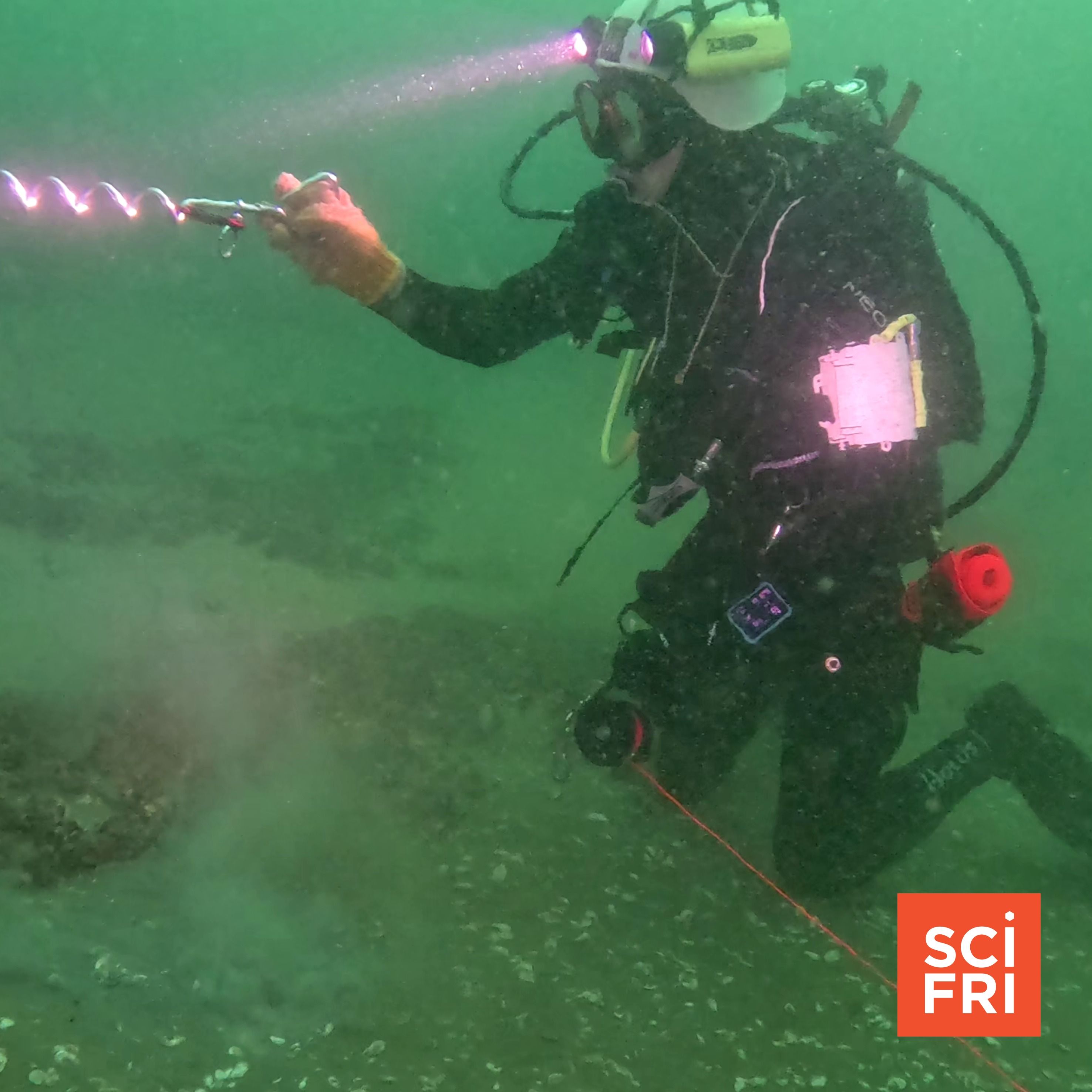
Underwater archeology reveals clues about Ice Age humans
At the end of the last ice age, glacial melt inundated human settlements near shorelines. Underwater archeologists are uncovering their artifacts.
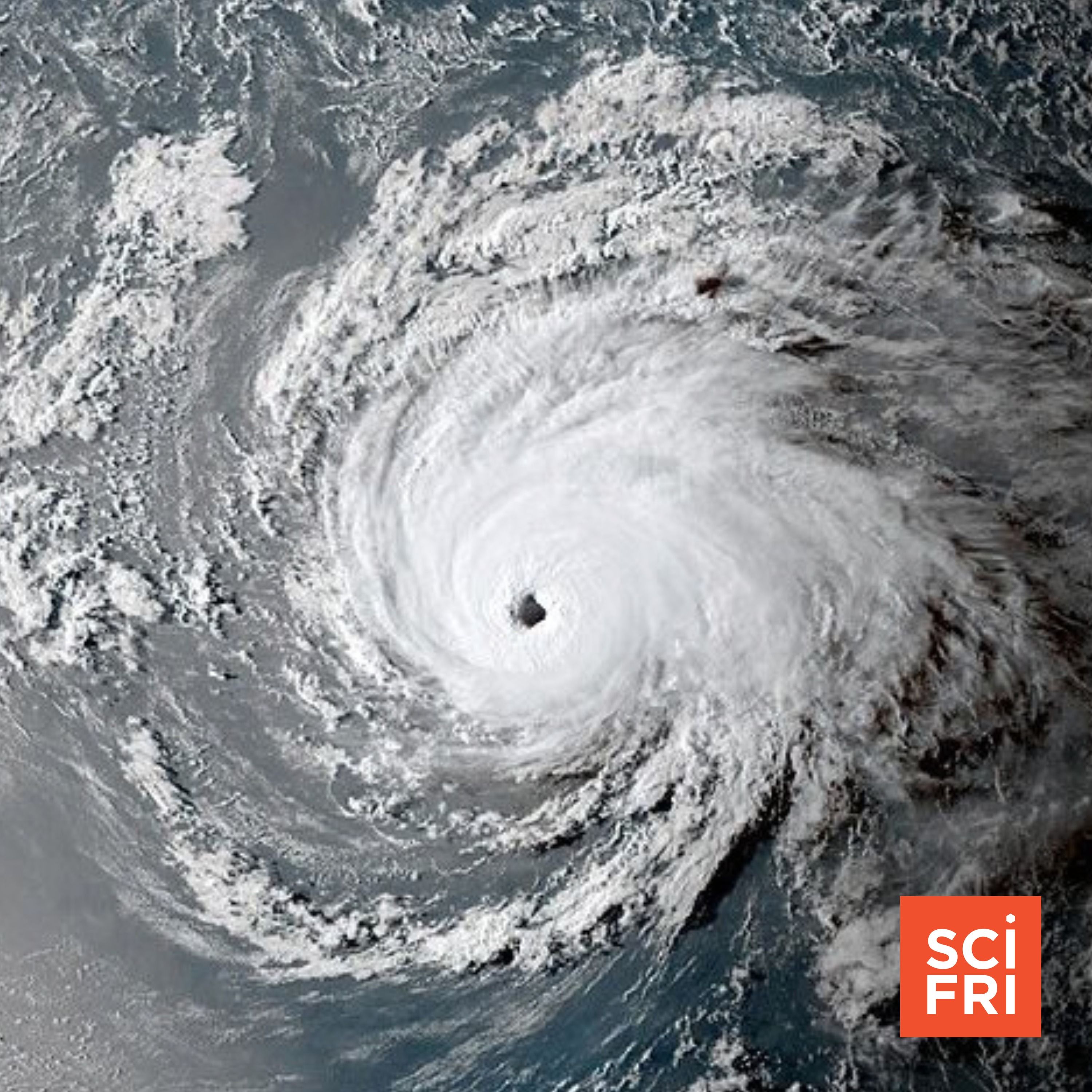
Climate change is increasing hurricane risk for Hawaiʻi
Hawaiʻi has generally been safe from the worst effects of hurricanes. But this year two hurricanes battered the islands in a matter of weeks.

Bringing hard electronics into soft and squishy bodies
Inventor John Rogers bridges the natural and artificial worlds with flexible, biocompatible electronics.

What is lymphatic drainage, anyway?
A new wellness trend focuses on stimulating the lymphatic system. What does this system do, and is there science to back these claims?
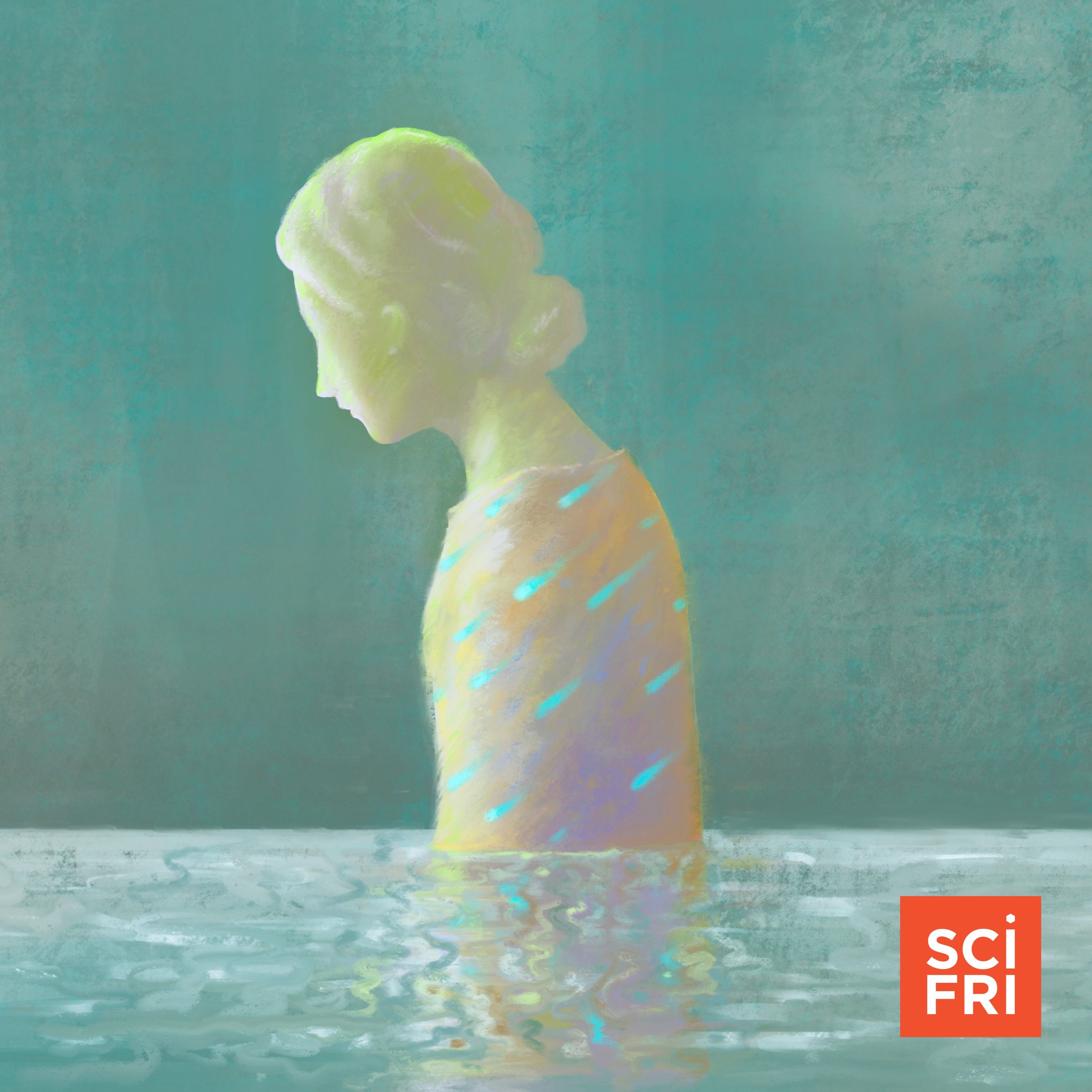
Hot flashes and hormone therapy: the science of perimenopause
After decades of controversy over prescribing hormone therapy for perimenopause, many providers are reconsidering their approach.
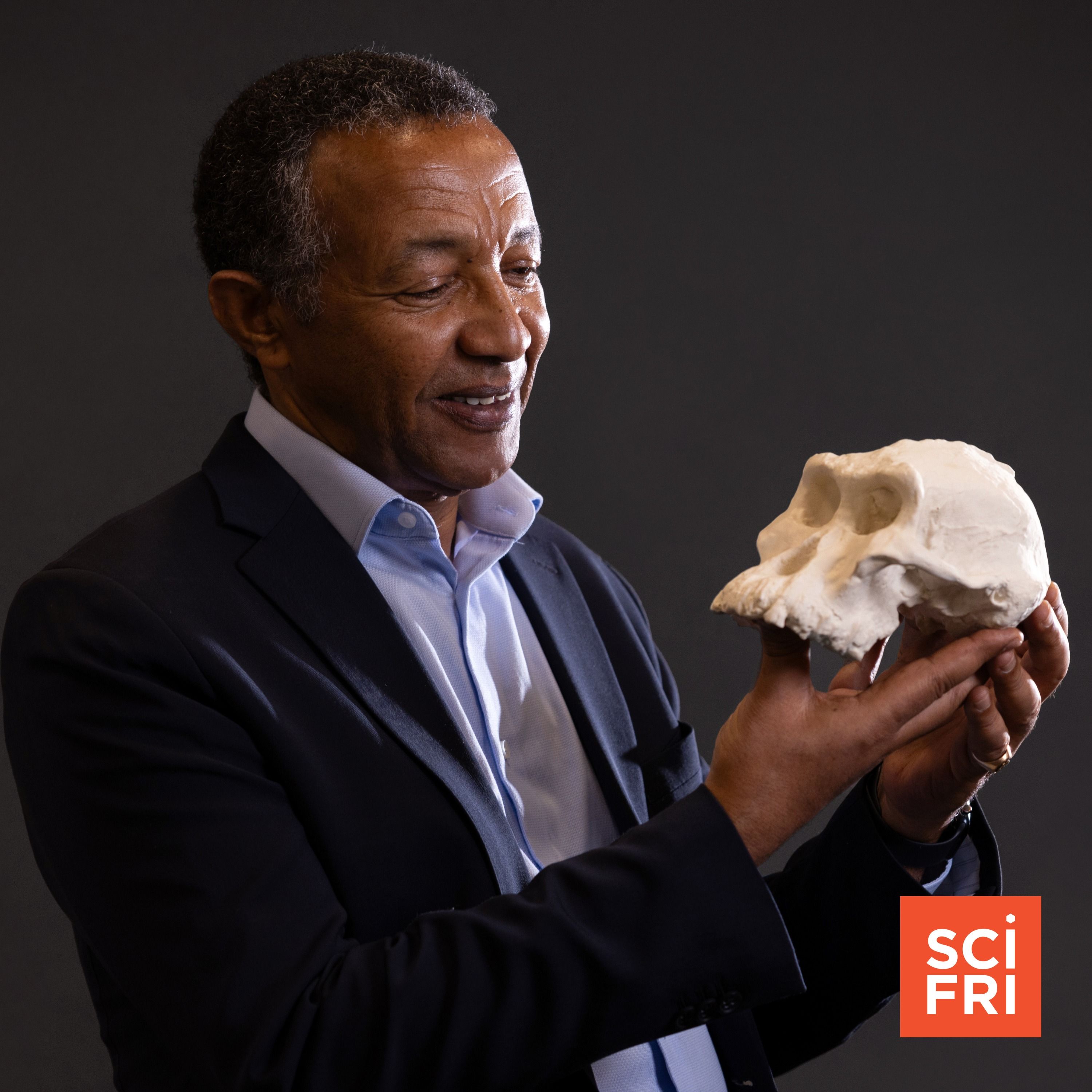
Telling the tale of human origins, one fossil tooth at a time
Yohannes Haile-Selassie has a talent for spotting fossils, and has discovered clues to several branches of the human family tree.

Did the fire at the Library of Alexandria set humanity back?
Author Sam Kean explores our fascination with lost knowledge in his new book, “The Museum of Lost Things”
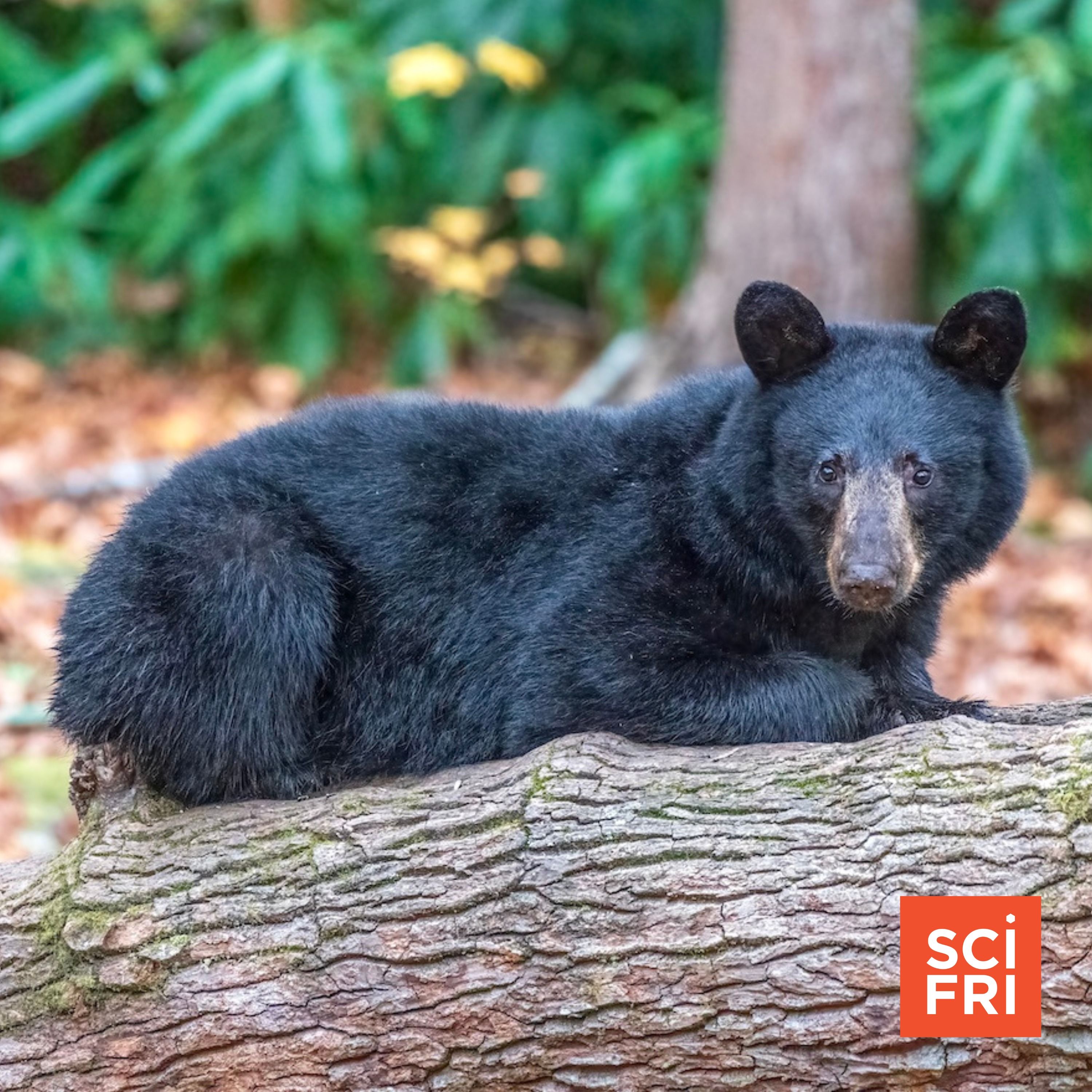
Black bears are moving into the neighborhood. How do we coexist?
As black bears return to their historic ranges across the U.S., human encounters are increasing. How can bears and people live in harmony?

Is a shorter course of antibiotics OK? + Genetic risk of fibromyalgia
Shorter courses of antibiotics may reduce antimicrobial resistance. Plus, a new study finds a group of genes associated with fibromyalgia.
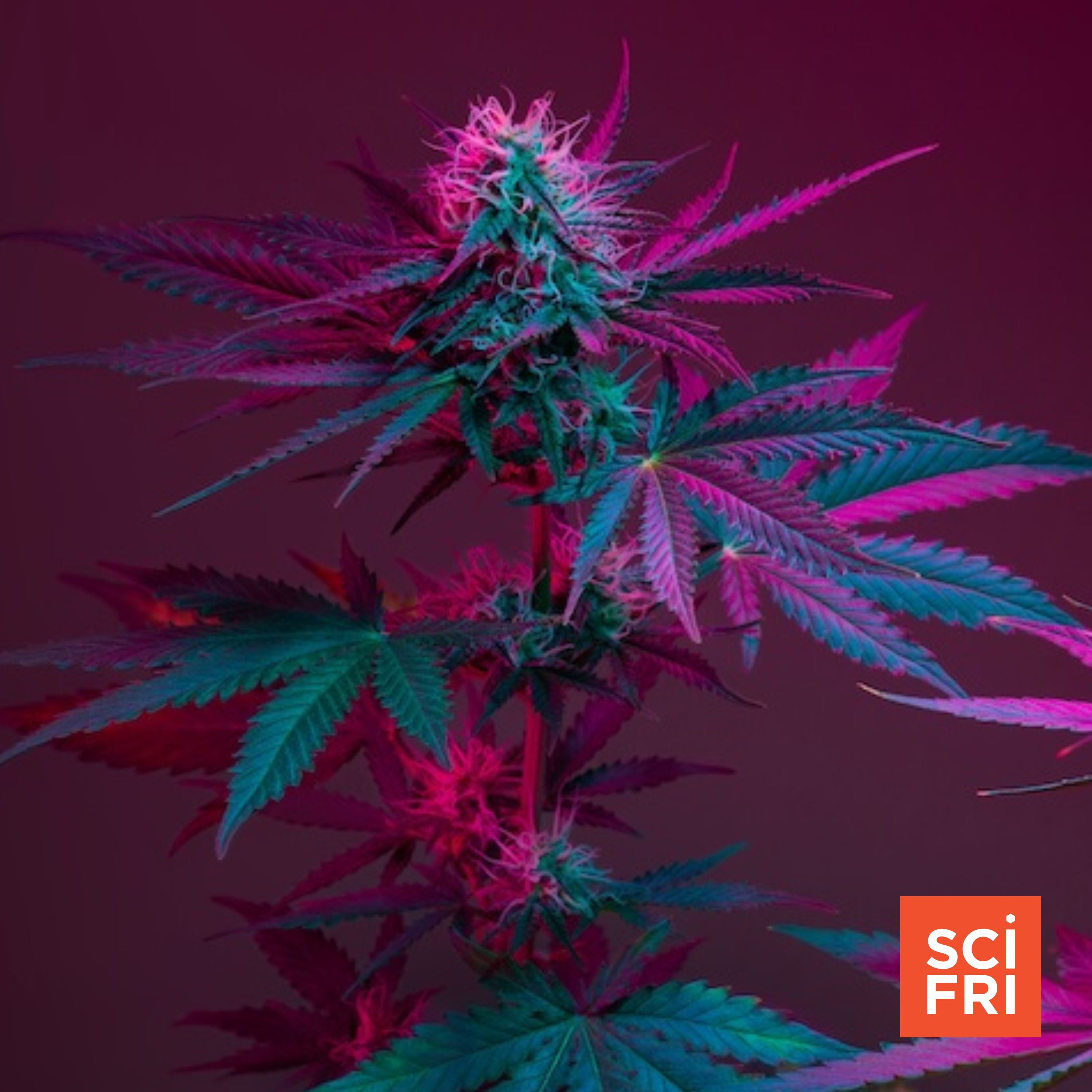
Why cannabis’s health effects are so hard to study
Cannabis seems to be everywhere, in many forms. We're learning more about its effect on teenage brains and its usefulness as a therapeutic.
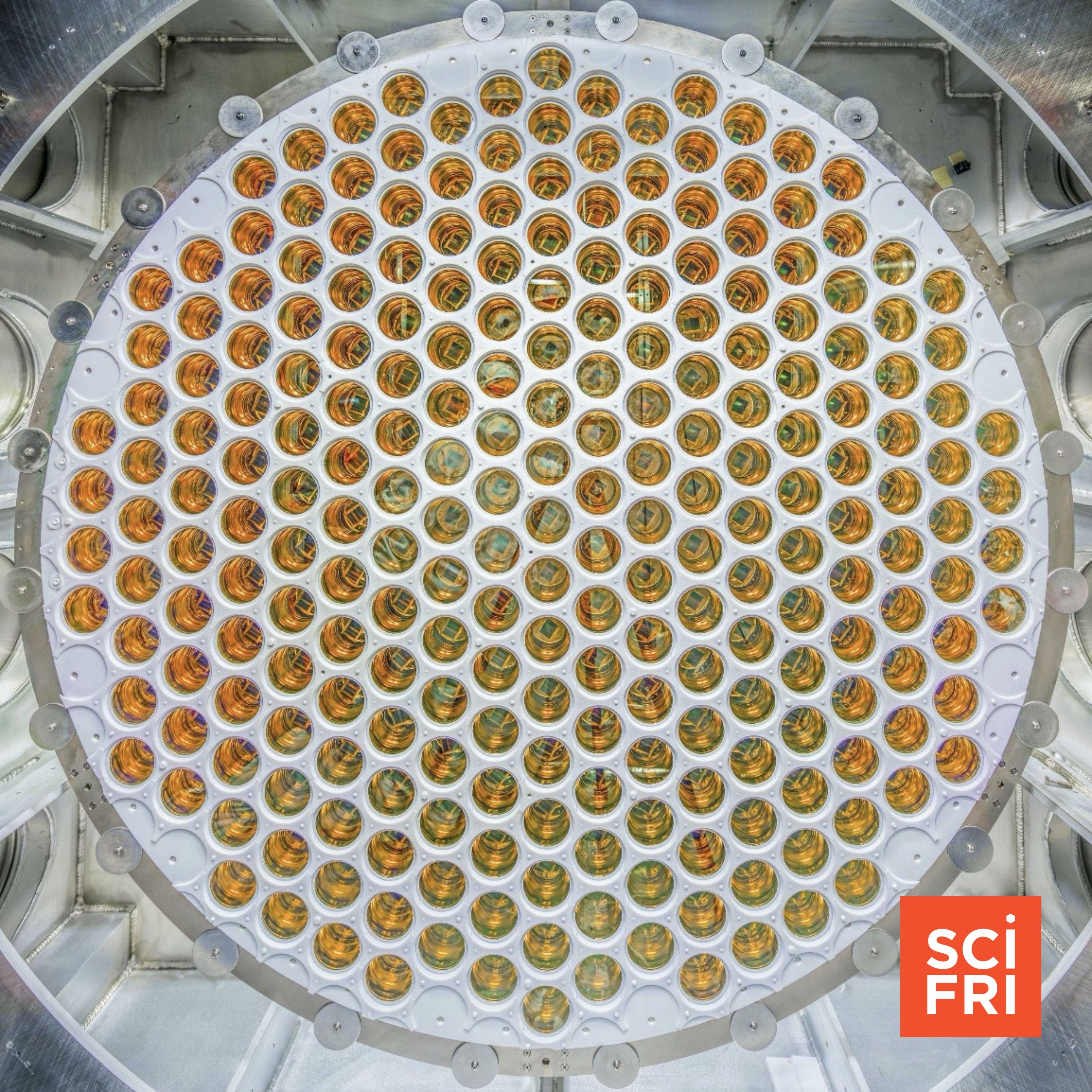
Did scientists just find a dark matter particle? Maybe
The LUX-ZEPLIN detector picked up a strange signal that scientists haven’t cracked yet. Could it be a dark matter interaction?
Why physics and philosophy need each other
Physicist Carlo Rovelli urges conversations between physics and philosophy in a search for answers about the universe.

Recall rodeo: A food safety update + Why cars are catching fire
Food recalls abounded this summer, but was it unusual? Plus, why some modern cars burst into flames, even when turned off.

For Jennifer Chayes, math is a 'native tongue'
Jennifer Chayes’ game-changing ideas in math and computer science helped pave the way for today’s innovations in machine learning and AI.
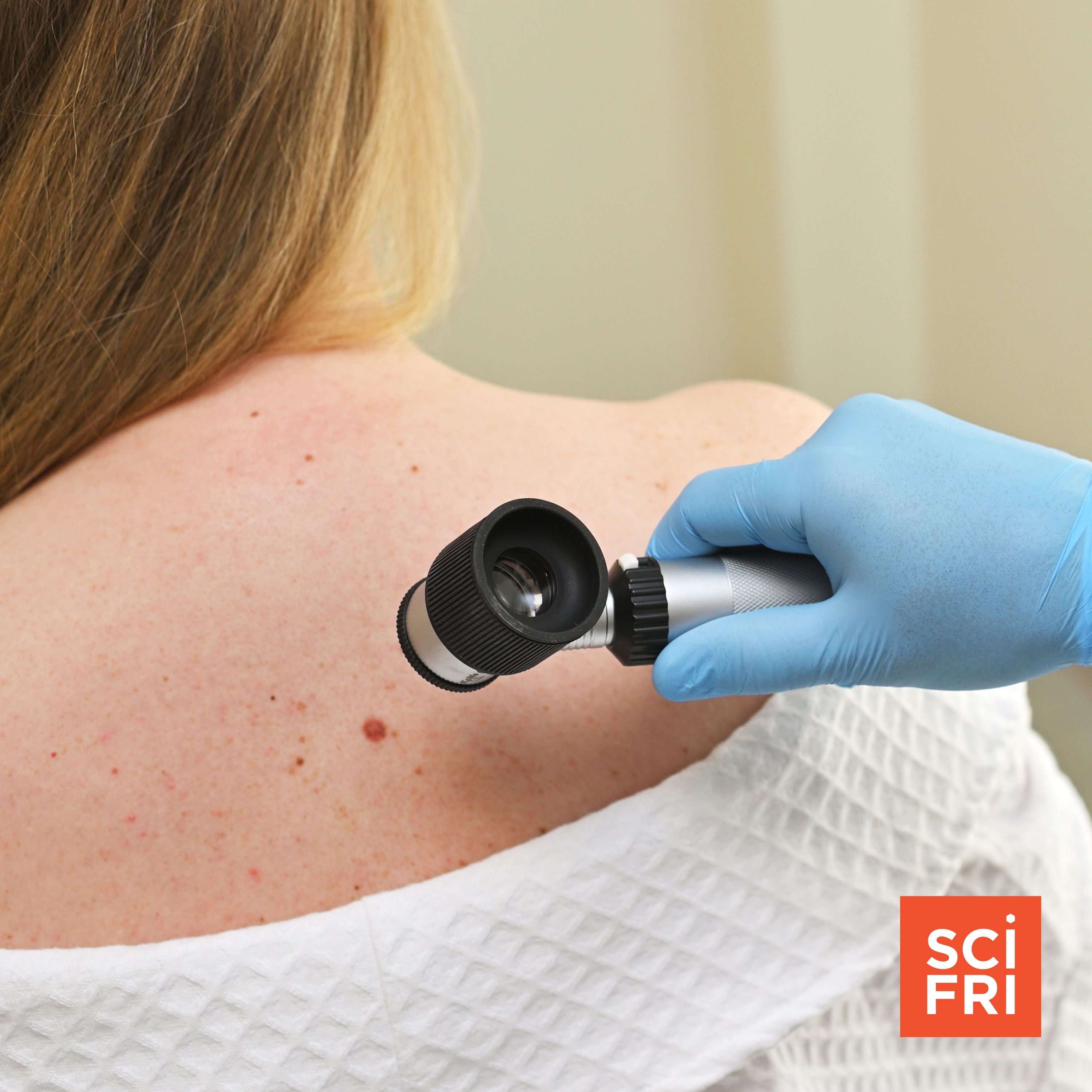
What an mRNA melanoma vaccine may mean for cancer treatment
Moderna and Merck say an mRNA vaccine reduced melanoma recurrence in a clinical trial. Could this usher in a new era of cancer treatment?
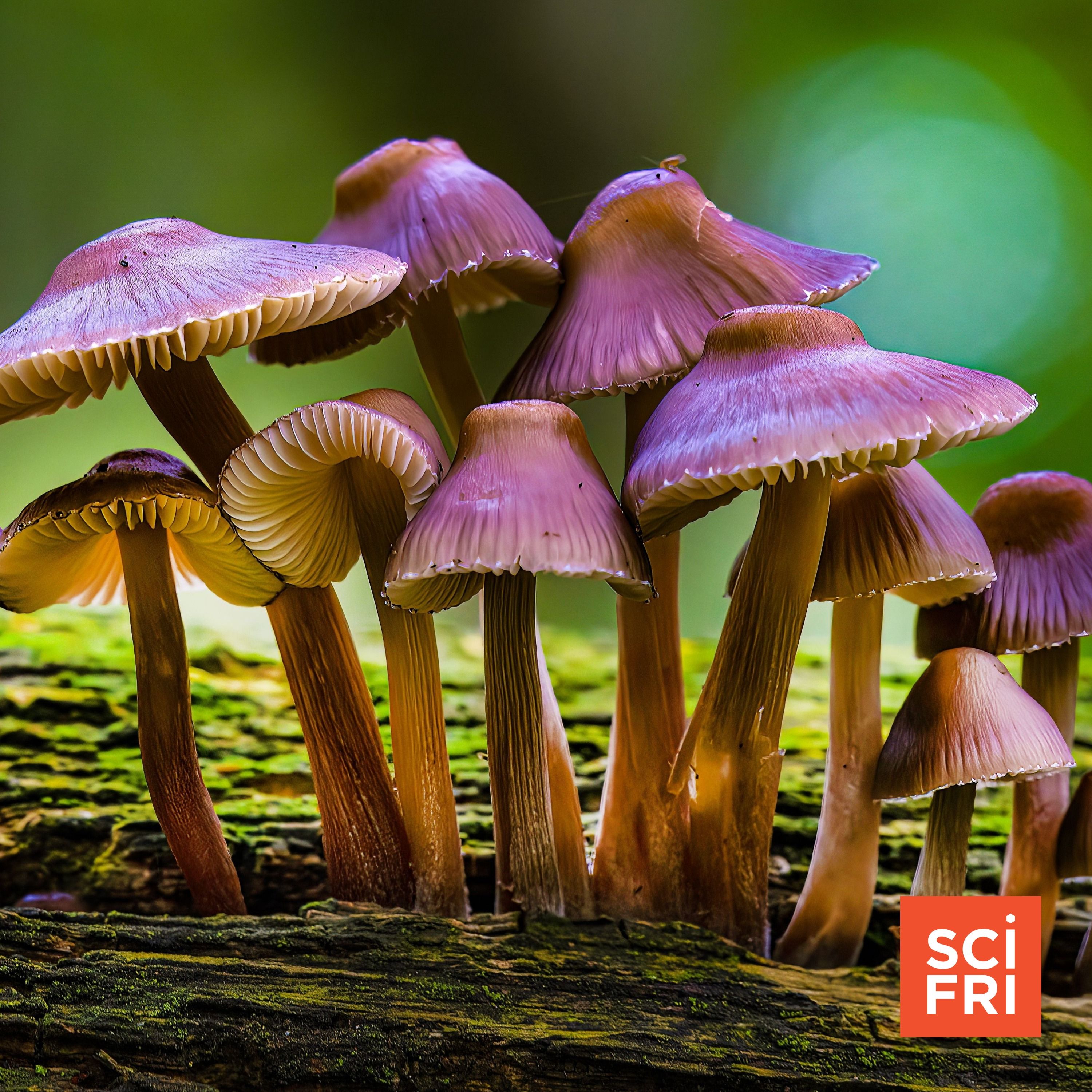
Why it's so hard to tell the age of a fungus
One of the world’s largest organisms is an Oregon fungus thought to be over 8,000 years old. But what does age mean to a fungus, anyway?
The power of the stories we tell about the ocean
The ocean is in trouble. But the sea has a hold on us, and the stories we tell about it are helping turn the tide.
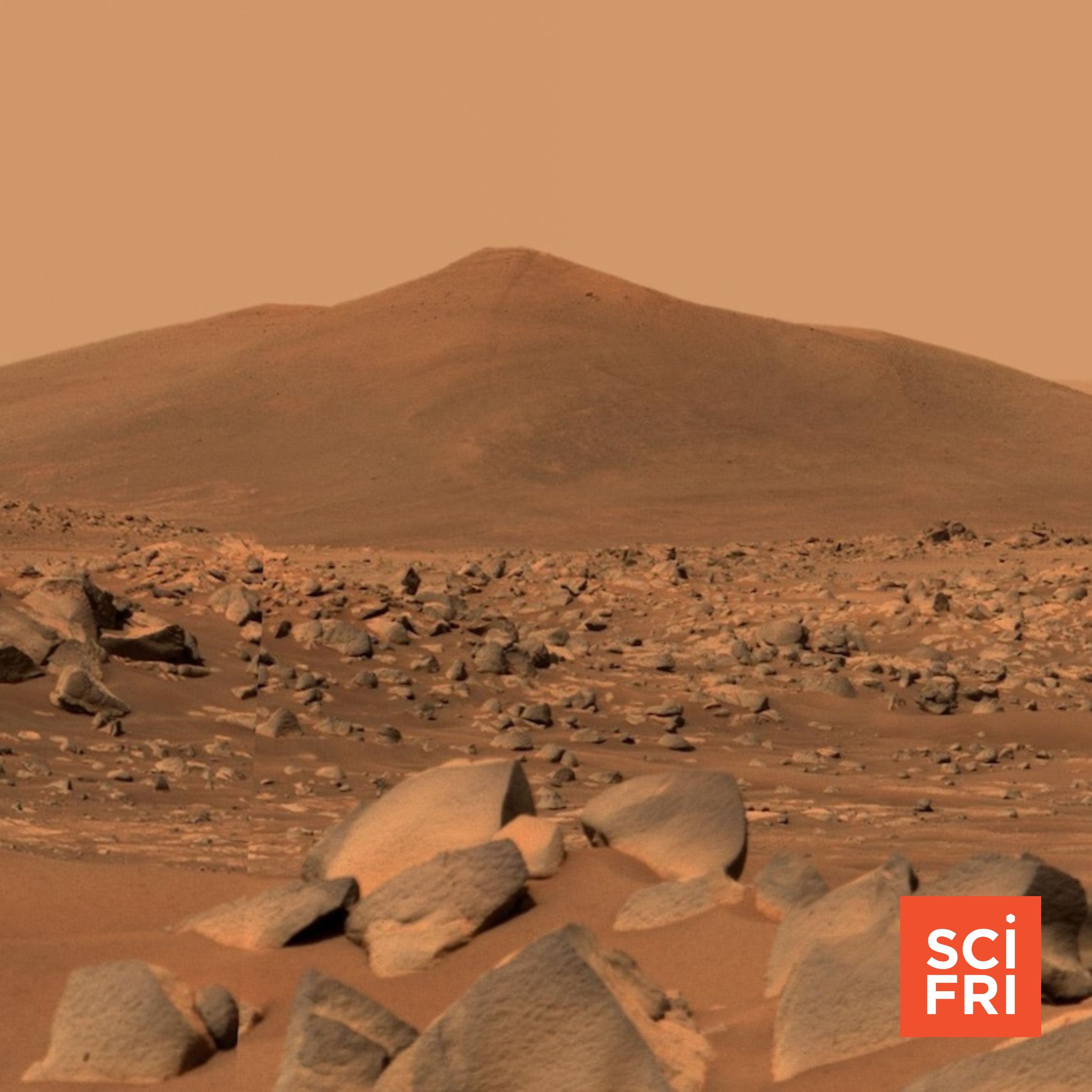
What should astronauts do first when they reach Mars?
Our January 2026 conversation about the goals for a crewed mission to Mars. Plus, updates on NASA's mission to survey the asteroid Psyche.