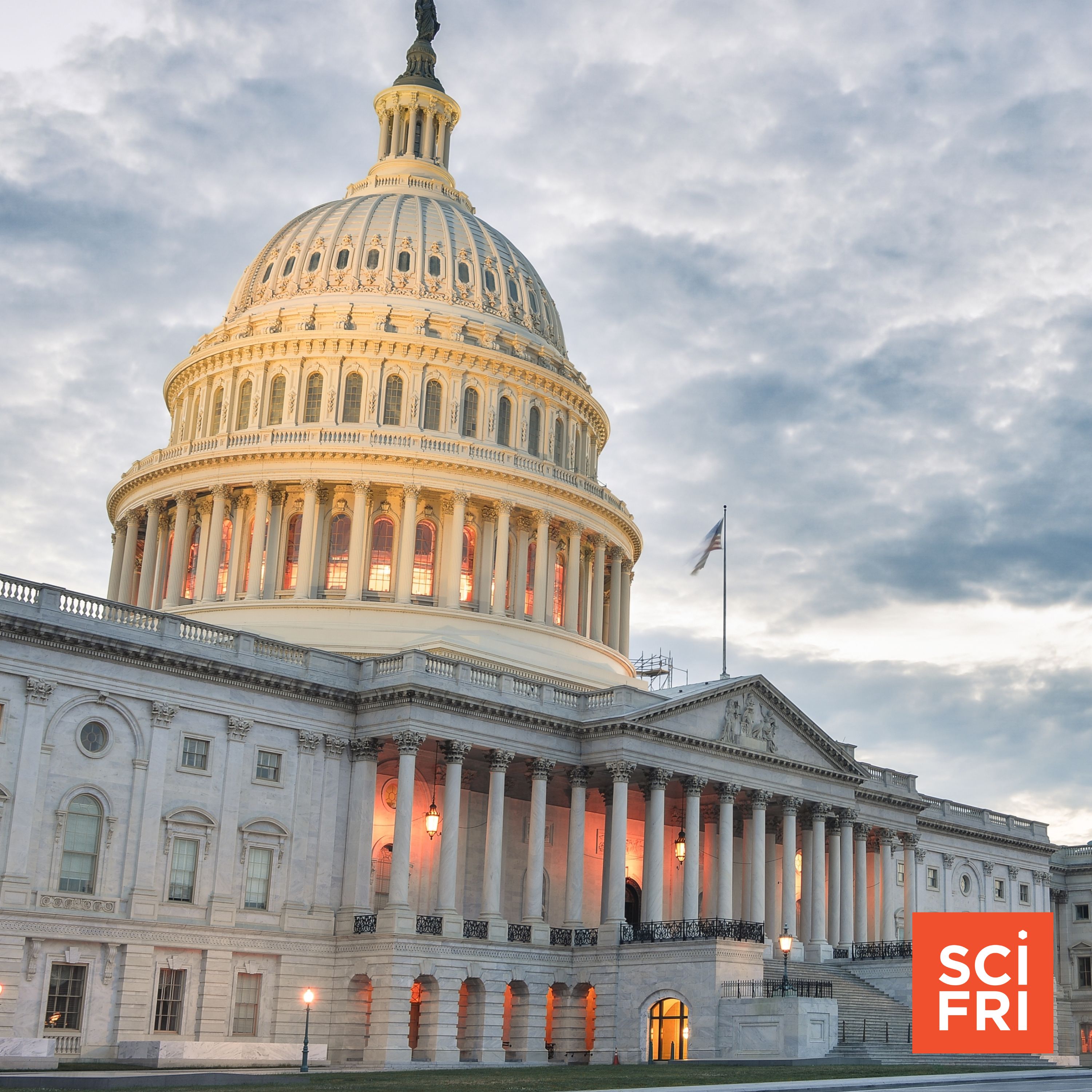
Overview of Science Friday: Where Does Federal Science Funding Stand Now?
Flora Lichtman speaks with Sudip Parikh, CEO of the American Association for the Advancement of Science (AAAS), about the effects of federal science policy during the first half of the second Trump administration. Although Congress ultimately kept science agency funding near prior levels, delays in releasing the money, grant cancellations, staffing cuts, and uncertainty about agency decisions have disrupted research and weakened confidence in US science.
Funding and Grants
- The administration’s proposed budget called for cuts of about 50% to agencies including the NIH, National Science Foundation, and NASA. Congress pushed back and passed appropriations that maintained funding at roughly similar levels.
- Appropriated money still had to pass through the White House Office of Management and Budget before reaching agencies. Parikh says the slow release delayed research funding; Congress intervened, and agencies then rushed to distribute much of it.
- Some grants were paid out in full upfront instead of in annual installments. Parikh says this approach can be useful, but the rapid shift reduced the number of new grants available in the short term, particularly affecting early-career researchers and small businesses.
Effects on Researchers and Agencies
- Reliable data on scientists leaving the US is not yet available. Parikh is also concerned that uncertainty may push people to leave research altogether or discourage future scientists from entering the field.
- Researchers have reported difficulty securing grants related to diversity, equity, and inclusion. NIH leadership says such restrictions are not happening, while some NIH program staff say they are. Ongoing lawsuits may bring more information to light.
- Some federal workers were rehired when agencies could not complete essential work, but Parikh says these returns were limited. He cites staffing at the National Science Foundation as more than 30% below 2019 levels, and NIH staffing as down roughly 20–30%.
What Comes Next
Parikh sees the election of more scientists and health professionals to Congress as a hopeful sign, and expects increased oversight and attempts to add safeguards. But he cautions that Congress cannot fully control how executive agencies administer grants or choose which institutions to fund.
He argues that science depends on a broad ecosystem of researchers, companies, and policymakers, and urges the community to meet the next two years with optimism, resolve, and resilience.