Marketplace Morning Report

by Marketplace
In less than 10 minutes, we'll get you up to speed on all the news you missed overnight. Throughout the morning, Marketplace's David Brancaccio will bring you the latest business and economic stories you need to know to start your day. And before U.S. markets open, you'll get a global markets update from the BBC World Service in London.
Episodes

The link between immigration and longer life
<p>A new working paper from the National Bureau of Economic Research spotlights how immigrants may be shaping the health and mortality rates of older Americans. Researchers found that a roughly 25% increase in immigration to the United States could prevent nearly 5,000 deaths among seniors 65 and over. Today, we'll unpack the findings. But first, an ominous tale of AI destruction captured the imagination of the public — and stock market traders.</p>
AI anxieties and market tumbles
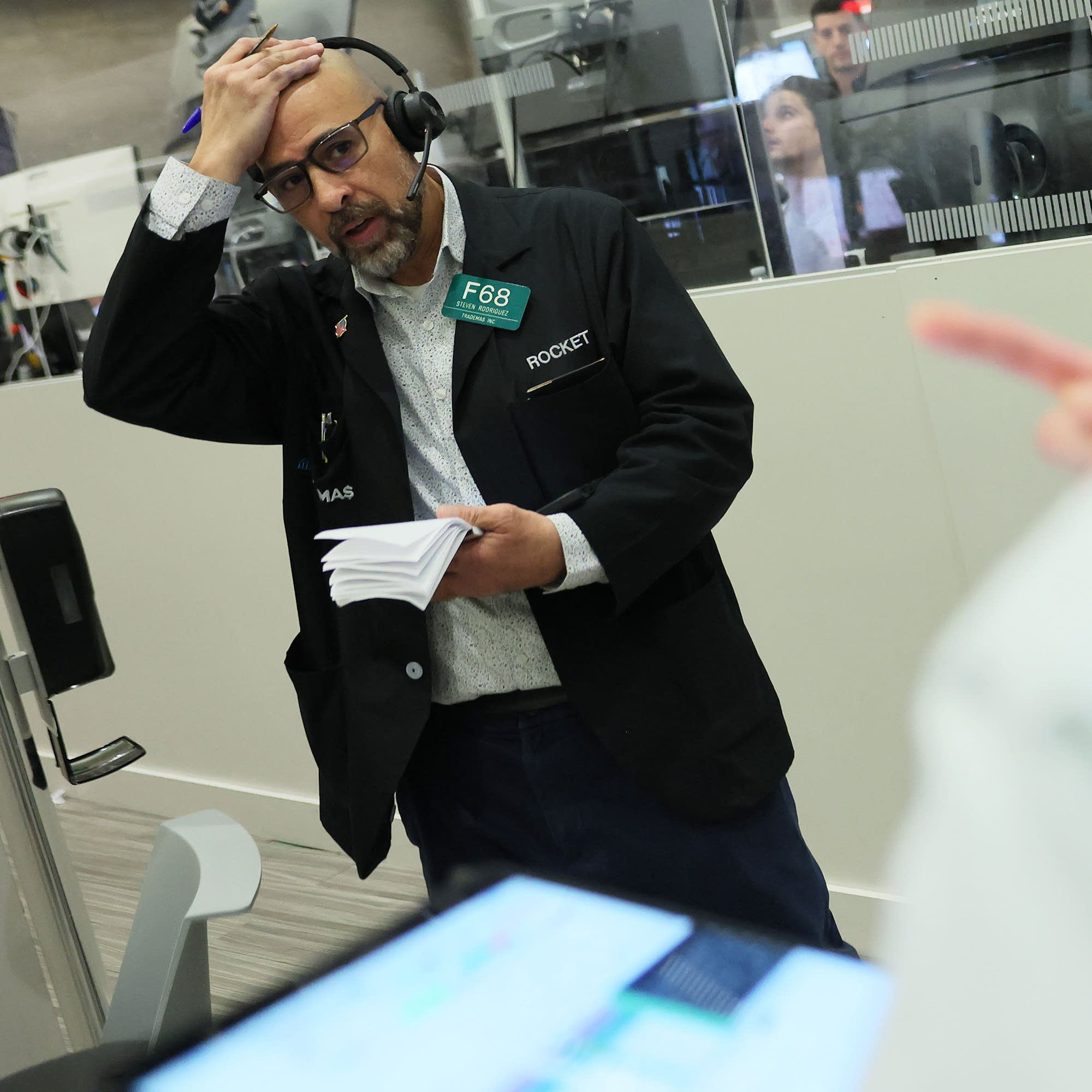
<p>Wall Street is looking to recover after yesterday's big stock market drop. Part of it was due to tariff uncertainty, but part of it was also due to a thinkpiece that painted a nightmare scenario in which AI displaced white-collar jobs throughout the economy — in areas far beyond the software, technology, and financial firms that have recently faced a selloff. Also: Depop's new owner and a look at who gets left behind by new Trump Accounts.</p>

Tallying the cost of the Russia-Ukraine war, four years on
<p><em>From the BBC World Service:</em> Exactly four years ago, Russia launched its full-scale invasion of Ukraine. Hundreds of thousands of troops have been killed, and the financial cost has also been massive for both countries. This morning, we'll learn more. Then, the U.S. has imposed a new flat-rate tariff of 10% on global imports. And, China has imposed restrictions on dual-use exports to 20 major Japanese companies, accusing them of boosting a military build-up in Japan.</p>
Trump dusts off obscure legal authority for new tariffs
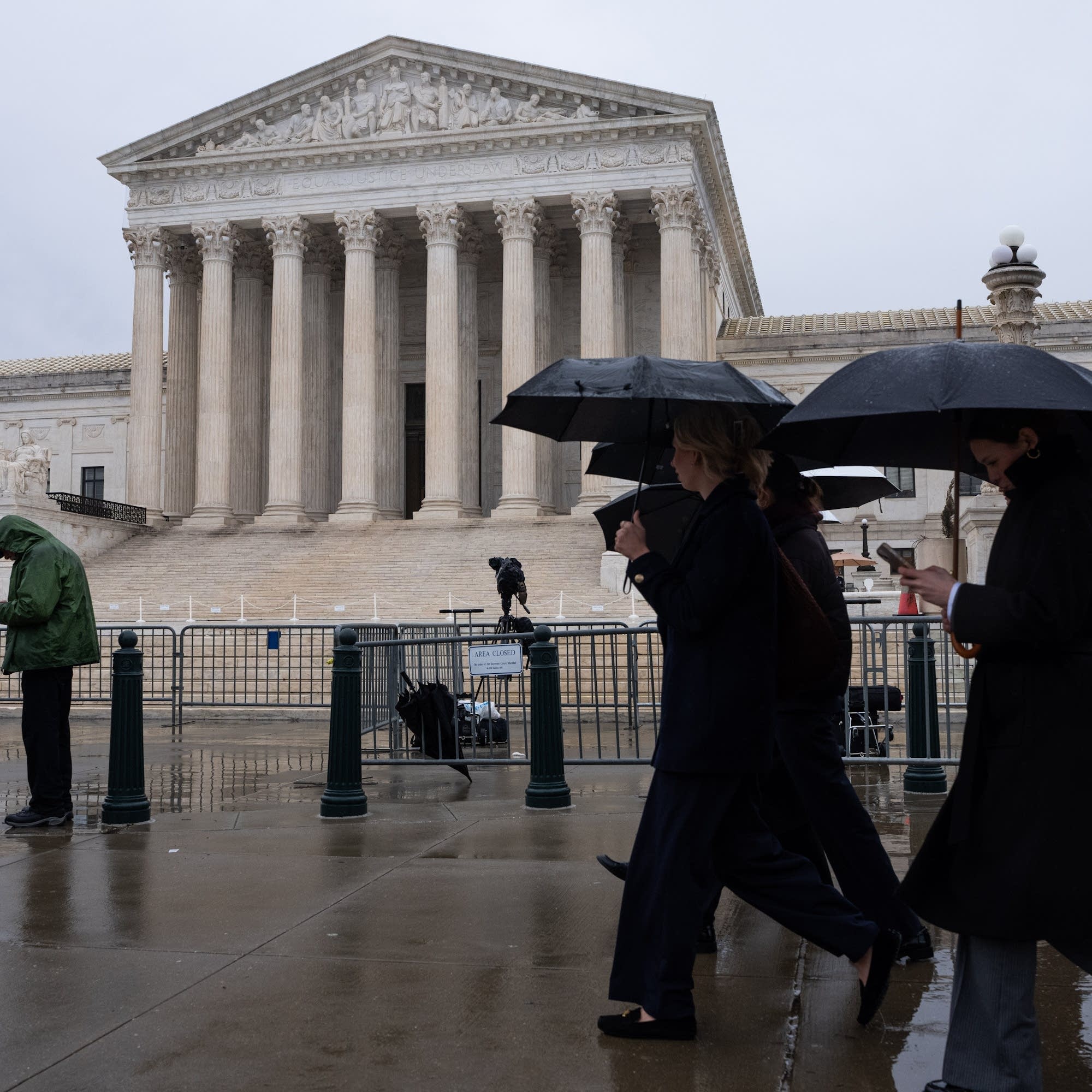
<p>Following Friday’s Supreme Court decision striking down a number of President Trump’s tariffs, the administration is moving to impose a global 15% tariff, with some exceptions for countries like Canada and Mexico. The tariffs, which are being levied temporarily under a statutory authority known as Section 122, will bring the average effective tariff rate to 13.7%, according to the Yale Budget Lab. Also on the program: Spain’s new plan to bolster its workforce by granting legal status to migrants living in the country illegally. </p>
Fallout from the Supreme Court's tariff decision
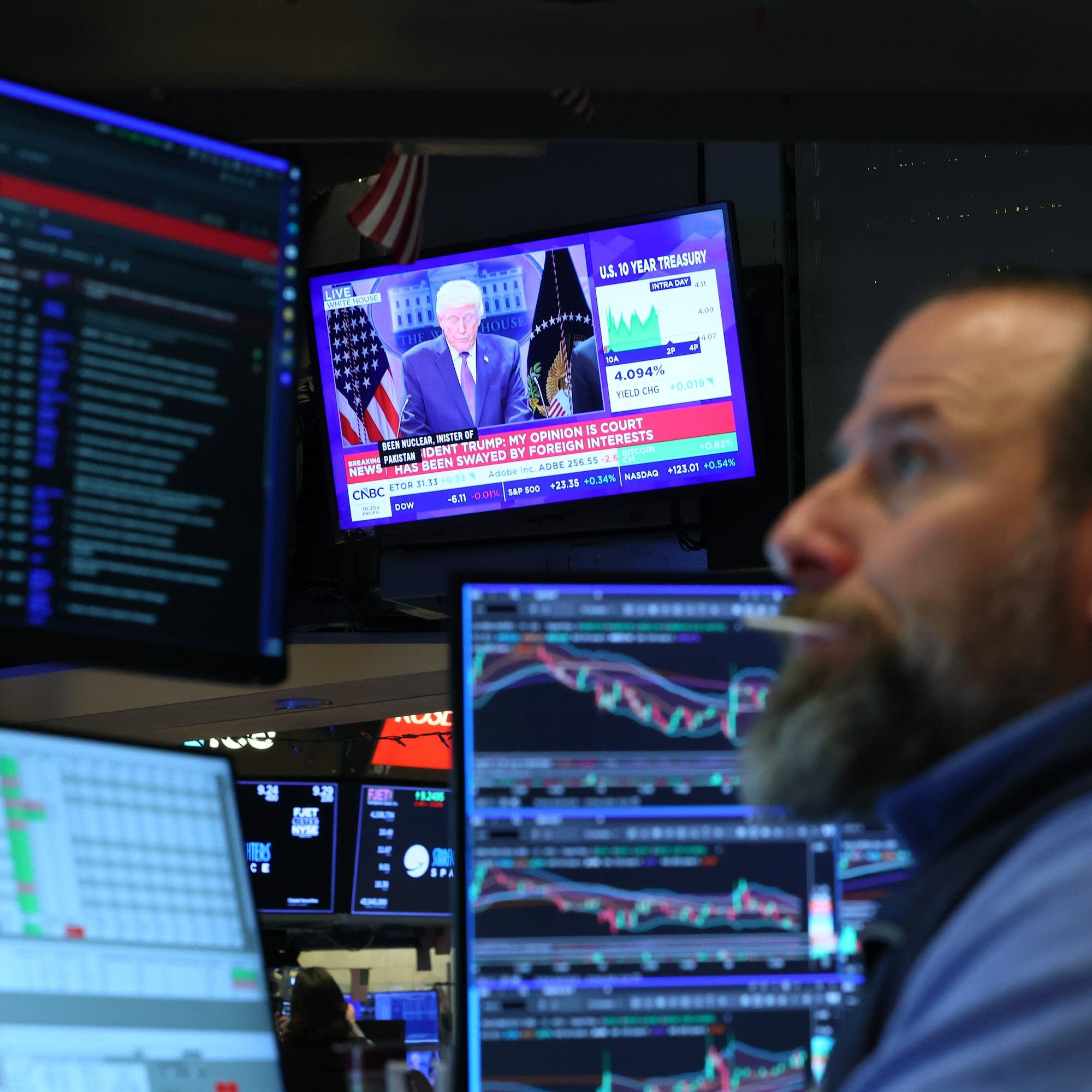
<p>On Friday, the Supreme Court struck down President Trump’s sweeping “retaliatory” tariffs, ruling that he doesn’t have the authority to impose them under the International Emergency Economic Powers Act. Many of the administration’s tariffs, however, remain intact, and President Trump has announced a new 15% global tariff following the decision. We discuss what that means companies, consumers, and the U.S.’s global trading partners. Plus, new analysis from the CATO Institute finds that the presence of immigrants helps to ease the federal budget deficit.</p>
Trump's tariffs continue to confound
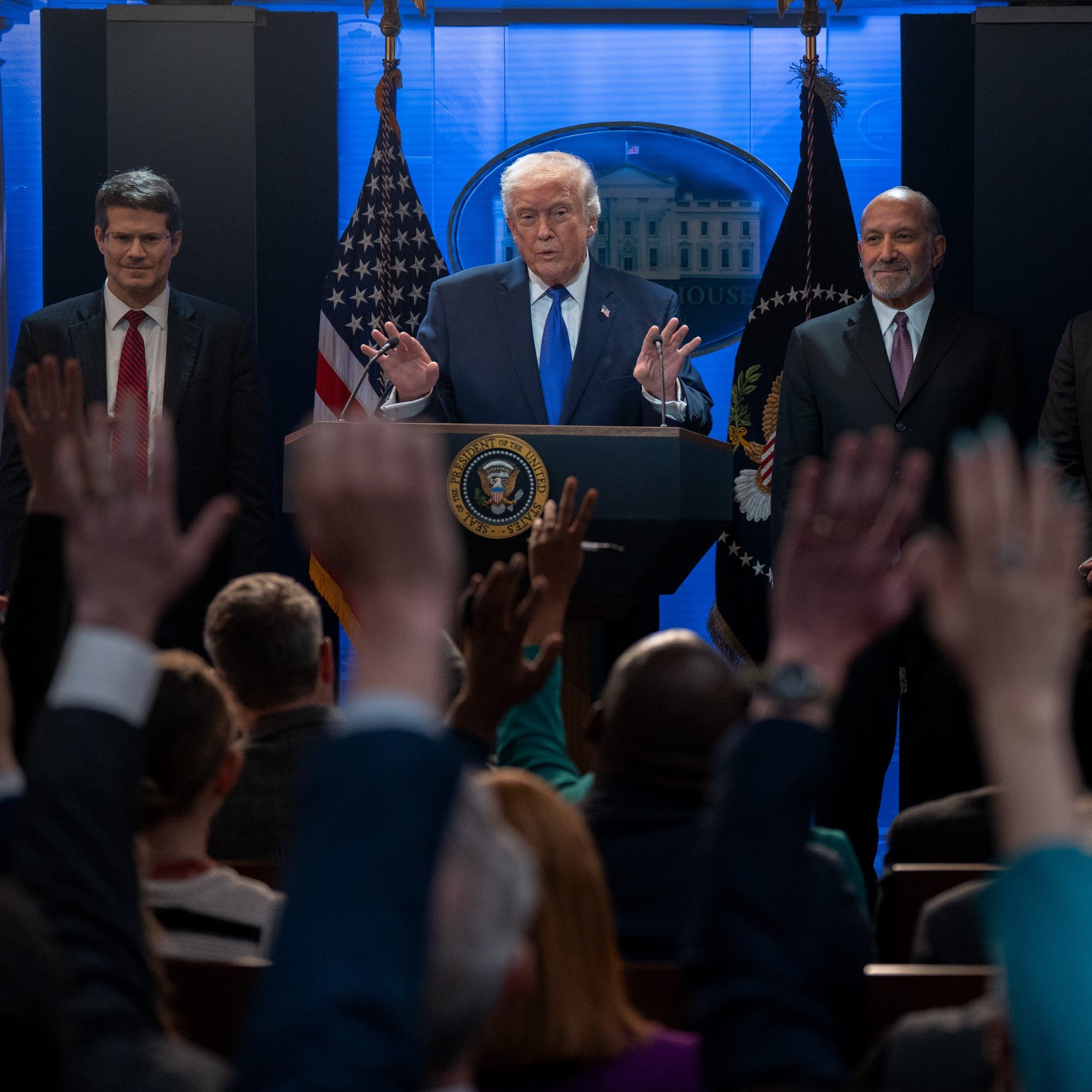
<p><em>From the BBC World Service:</em> Governments around the world are scrambling to react to President Trump’s decision to impose a sweeping 15% tariff on all imports to the United States. It follows Friday’s Supreme Court judgment that ruled the President had exceeded his authority when he imposed tariffs using a law reserved for national emergencies. And we’ll visit Spain, where the government recently announced plans to legalize around half a million undocumented migrants in a move designed to boost the country’s workforce in economic sectors that have struggled to recruit. Spain’s economy has been outstripping its European Union partners and the government wants to keep momentum going. </p>
Building Tomorrow: A Special Look at the Future of Housing
<p>“Building Tomorrow” is a special collaboration between Marketplace and This Old House Radio Hour that asks a simple but urgent question: How do we build homes that can last the next hundred years? </p><br/><p>From wildfire rebuilds to factory-built housing, this hour explores how new materials, new methods, and new ideas about community are reshaping the future of housing in America. Hosted by Jenn Largesse and Marketplace’s David Brancaccio, the episode blends reporting, lived experience, and hard science to show what’s possible right now. </p><br/><p>In this episode, you’ll learn about: </p><br/><ul><li>A massive prefab factory where homes are built like cars on an assembly line.</li><li>A disaster research campus where engineers crash-test houses against hurricanes, hail, and wildfire. </li><li>A cutting-edge micro factory using software and small factories to build homes faster, locally, and at scale.</li><li>Touring a pioneering cross-laminated timber home built as a living case study in low-carbon construction.</li><li>How a 100-year-old house is transformed into a net-zero, future-ready home.</li><li>A tiny-house community redefining retirement, aging, and what “home” really means.</li></ul><br/><br/><p><em>Note: In the segment featuring Aloe Blacc's prefabricated home, the exterior is made of cement fiber, but the interior is not. The home's fire resilience comes from a combination of steel framing, fiber cement siding, and triple-pane windows.</em></p>
Supreme Court strikes down Trump's tariffs
<p>The Supreme Court just ruled that the cornerstone of the president’s tariff policy is illegal. It says Donald Trump can’t impose tariffs under the International Emergency Economic Powers Act. U.S. consumers and businesses have been shouldering nearly 90% of the cost of all import taxes, and some businesses are vowing to go to court to get a refund. Also on the show: weaker-than-expected GDP growth, DEI's rebrand, and potential federal regulation for driverless cars.</p>
Understanding the “cruel math of unemployment”
<p>Mainstream economics acknowledges that some joblessness helps to keep prices down. It’s one of the reasons most economists say unemployment at zero isn't actually ideal. This morning, we're joined by the University of Tulsa's Clara Mattei, who argues in a new book that "unemployment is not a problem for our system, but it's actually a solution for it." But first, both Democrats and Republicans grapple with the issue of affordability.</p>
A dispatch from "Katyzuela"
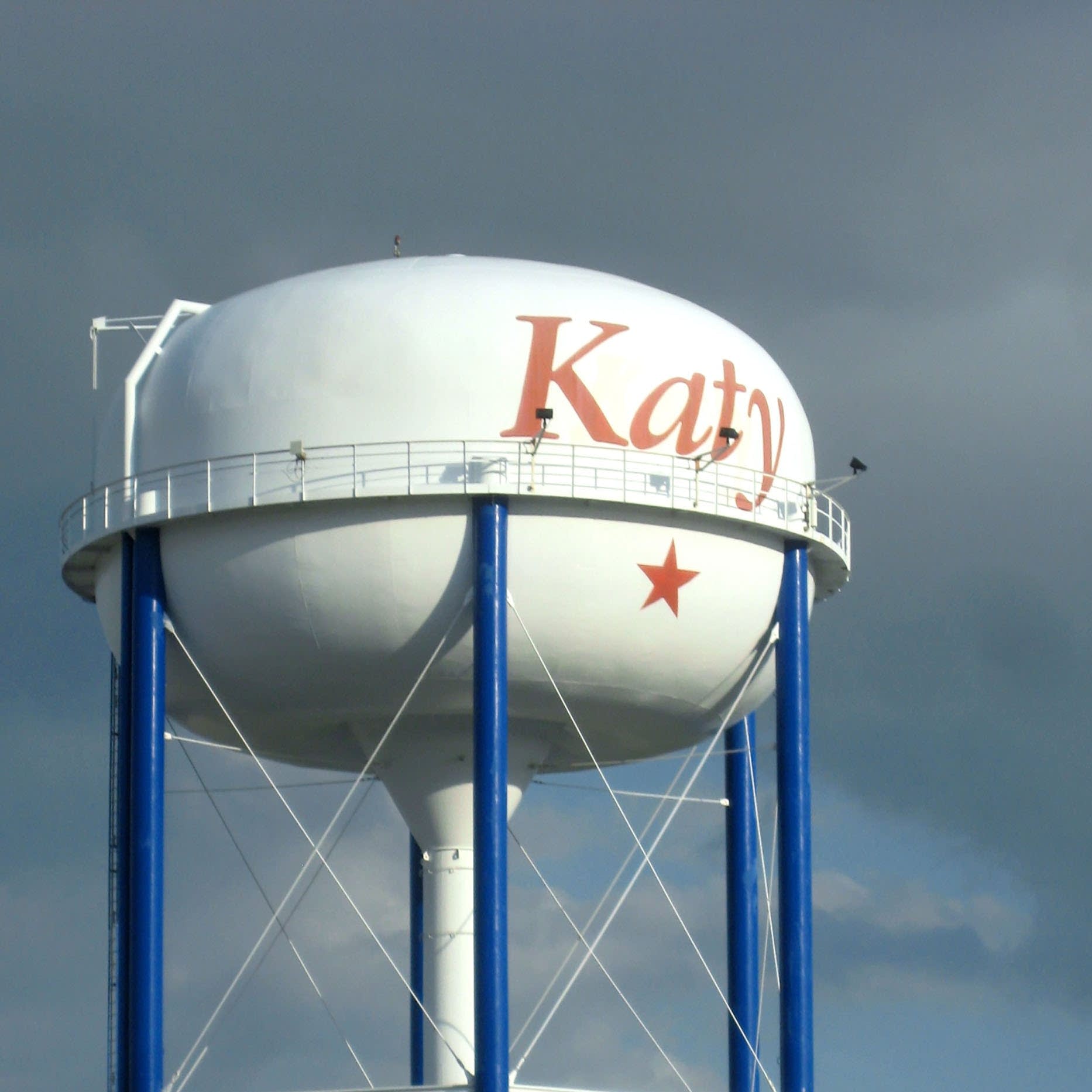
<p>More U.S. gasoline refiners are moving to buy crude oil directly from Venezuelan producers after the Trump administration eased licensing. Meanwhile, the administration is revoking work permits and visas from many Venezuelans. Today, we head to the suburb of Katy, Texas — home to a large population of Venezuelan immigrants — to hear how those federal policies are being felt. Plus, union membership rose last year, and the U.S. trade deficit widened in December.</p>
When workers are profiled, bullied, and harassed
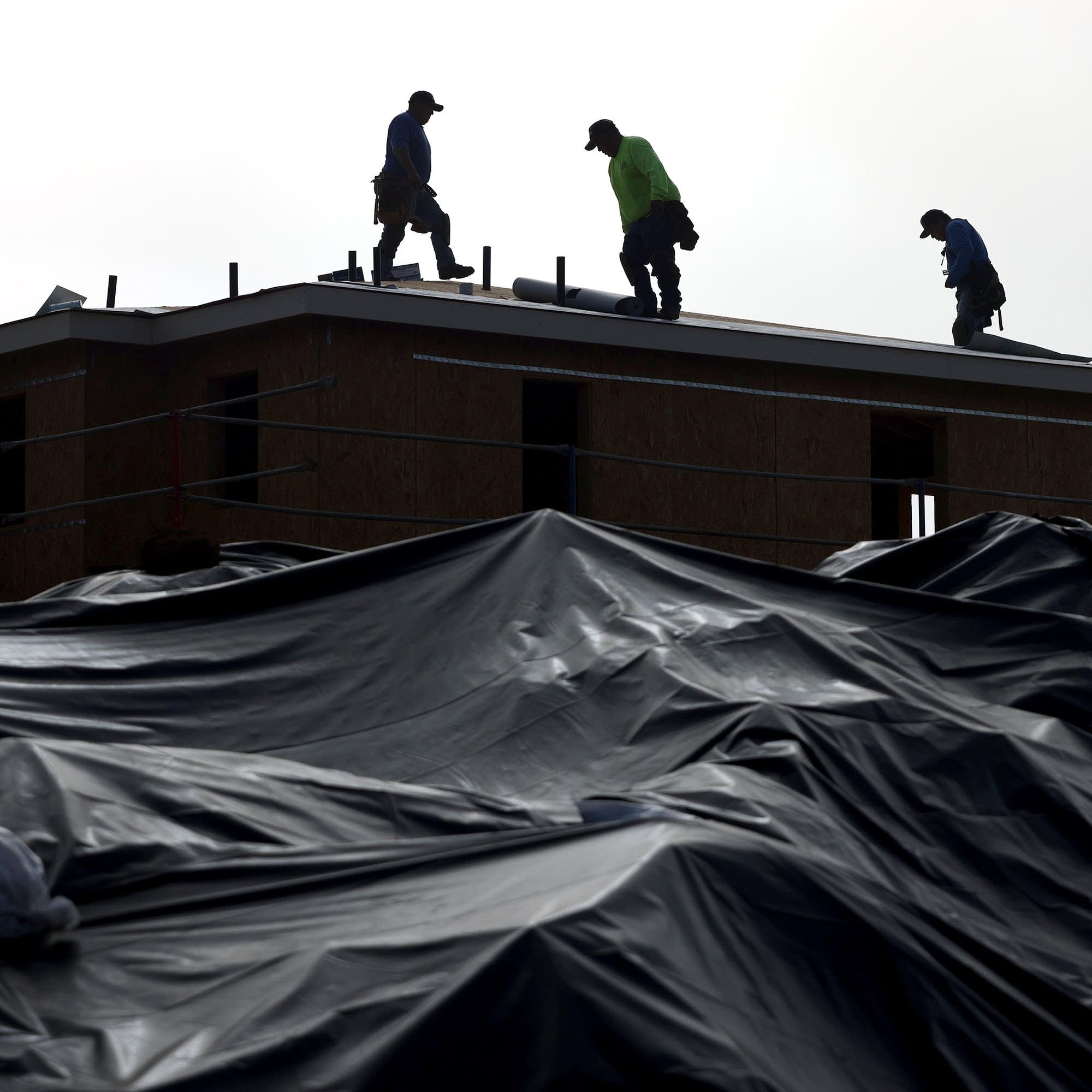
<p>In a conversation with the owner of a Portland-based construction firm, something disturbing was revealed: One reason he can't retain the workers he needs is that random bigots are profiling his staff as immigrants and harassing them when they have to leave the jobsite to, for instance, pick up materials. This morning, we’ll hear his account. But first, the tariffs that mid-sized companies are paying nearly tripled starting early last year.</p>

For prediction market regulation, it's states versus the feds
<p>A major fight is brewing over who has the right to regulate prediction market platforms like Kalshi and Polymarket. In a brief in a Nevada court case, the Commodity Futures Trading Commission argued it should regulate prediction markets, but states say the platforms should follow state gambling laws. Later in the episode, we unpack departure plans for the European Central Bank's president and hear why geopolitics are making Sweden rethink its decision to not adopt the euro.</p>

A look at who's footing the bill for all those tariffs
<p>President Donald Trump has long insisted that foreign companies paid for the tariffs he’s levied on imports. But new research from the Federal Reserve Bank of New York contradicts that, finding that U.S. firms and consumers are left holding the bag. We'll dig in. Plus, fresh data shows inflation slowed in January. And later in the show, from <a href="https://www.marketplace.org/shows/this-is-uncomfortable-reema-khrais" class="default">Marketplace's "This Is Uncomfortable,"</a> is it ever OK to keep secrets in a relationship?</p>

Remember to grab that Valentine's Day card?
<p>The clock's ticking! If you're in the greeting card business, Valentine's Day is more than just a holiday — it’s a big sales opportunity. This morning, as part of <a href="https://www.marketplace.org/whats-that-like" class="default">our What's That Like? series</a>, we hear from someone who changed careers from graphic designer to full-time greeting card maker during the pandemic. But first, a new report calculated just how big a difference primary care access can make in lowering overall health care spending.</p>

Cuban residents suffer daily power outages
<p><em>From the BBC World Service:</em> As the energy crisis in Cuba continues, the port of Havana has received two ships carrying humanitarian aid sent by Mexico. Cuba is struggling after the Trump administration put a virtual oil blockade on the island. Then, the center-right Bangladesh Nationalist Party has secured a landslide election victory, so what will it mean for the nation's economy? And, after more than four decades, the designer behind Japan's Hello Kitty character is stepping down.</p>

Turns out, customers like when things are cheaper
<p>Who would’ve thought? Last month, PepsiCo cut snack prices. McDonald's has been cutting prices, too, and said it's paying off. Yesterday, the company released better-than-expected results for the tail end of 2025. Also, big revisions to datasets like yesterday's jobs report are becoming more common in an economy undergoing big shifts, and Germany is looking to recruit foreign-born skilled workers as harsher immigration policy and rhetoric make the U.S. less appealing.</p>

Who needs a financial advisor when you have AI?
<p>Jittery investors continue to punish stocks of companies that may (or may not) face major disruption from artificial intelligence. Last week, it was software firms, then insurance brokers. Now, it’s financial brokerages that offer people planning advice — the likes of Charles Schwab, Raymond James, and Ameriprise. But what's lost when we lose human capabilities in financial services? Plus, U.S. allies like Canada and the U.K. are increasingly turning to China for trade deals.</p>

Russia bans WhatsApp
<p><em>From the BBC World Service:</em> Russia has ordered a block on WhatsApp, the Kremlin confirmed. The app has more than 100 million users in Russia, who have now been cut off from the platform, and the Russian government is pushing users to download Max, Russia's state-owned messaging platform. Then, China’s carbon dioxide emissions fell by 0.3% in 2025, the first full year to show a decline. And, as summers get hotter, Europeans are looking to "coolcation" in colder climes.</p>
Texas' energy grid, 5 years after Winter Storm Uri
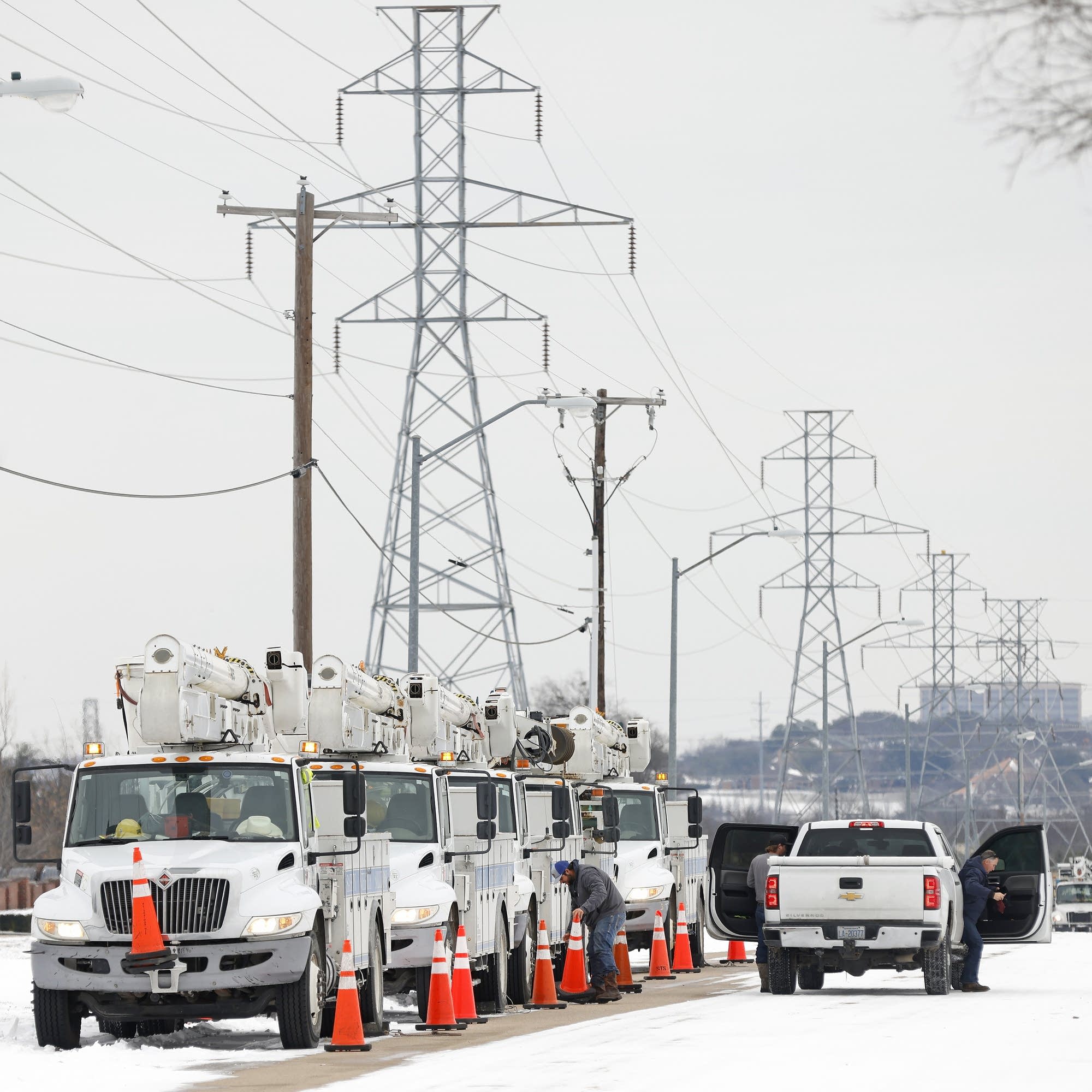
<p>Five years ago, Winter Storm Uri took out the lights across the Lone Star State. Hundreds of people died, millions of Texans were left without heat, and it cost the state billions. What’s changed since then? Plus, new payroll numbers are higher than expected, and unemployment is slightly down, but revisions to last year’s totals complicate the story. And later, we check out what one of the country’s most environmentally friendly homes looks like 18 years later.</p>
What it takes to build a home that lasts
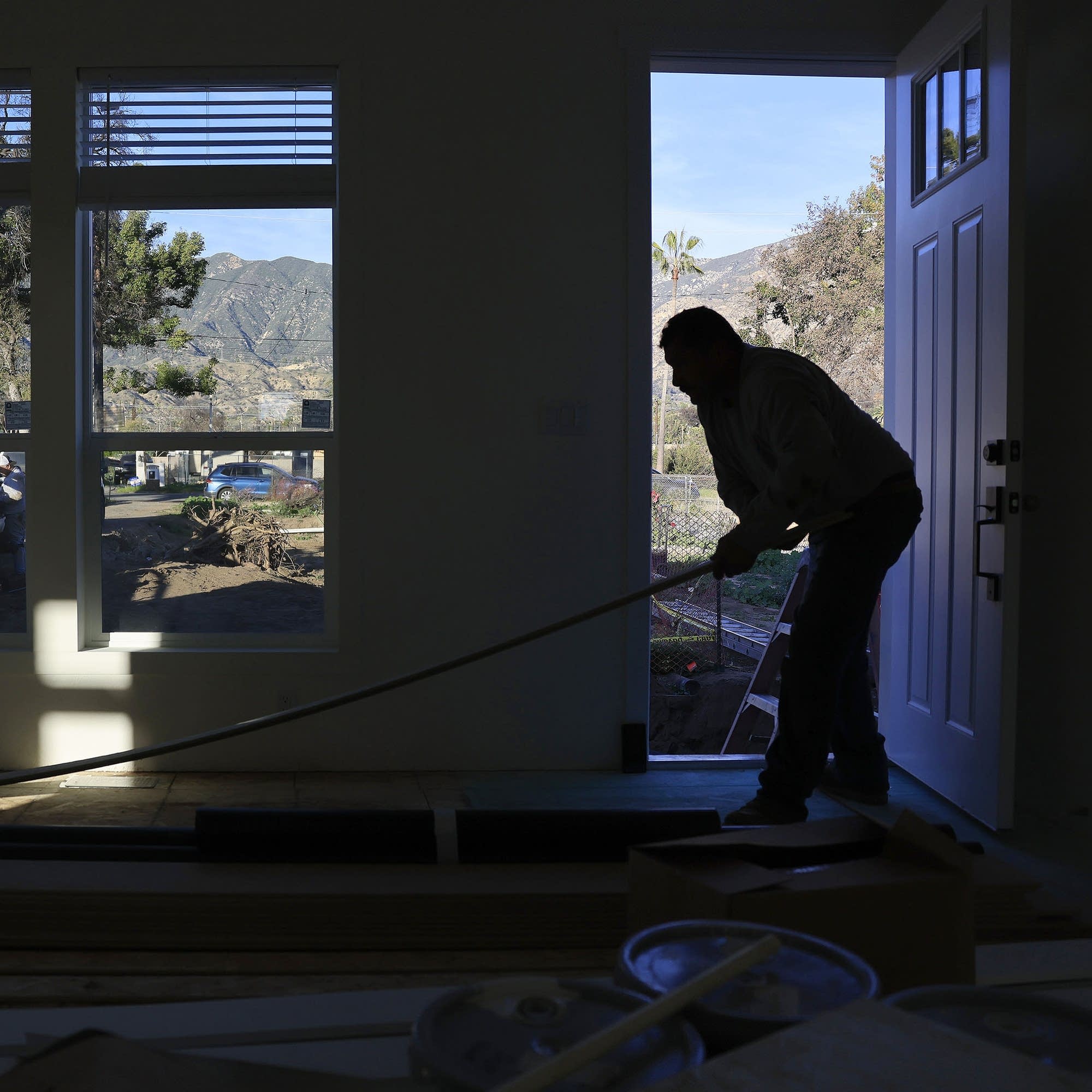
<p>The U.S. is facing a housing affordability crisis — one that's been exacerbated by natural disasters like Hurricane Helene in 2024 and last year in California, when fires destroyed 12,000 homes. This morning, "Marketplace Morning Report" host David Brancaccio checks in with two people who are rebuilding differently to ensure the safety and comfort of their new abodes. Also on the show: a look at January's job market and votes to repeal President Donald Trump's import taxes.</p>