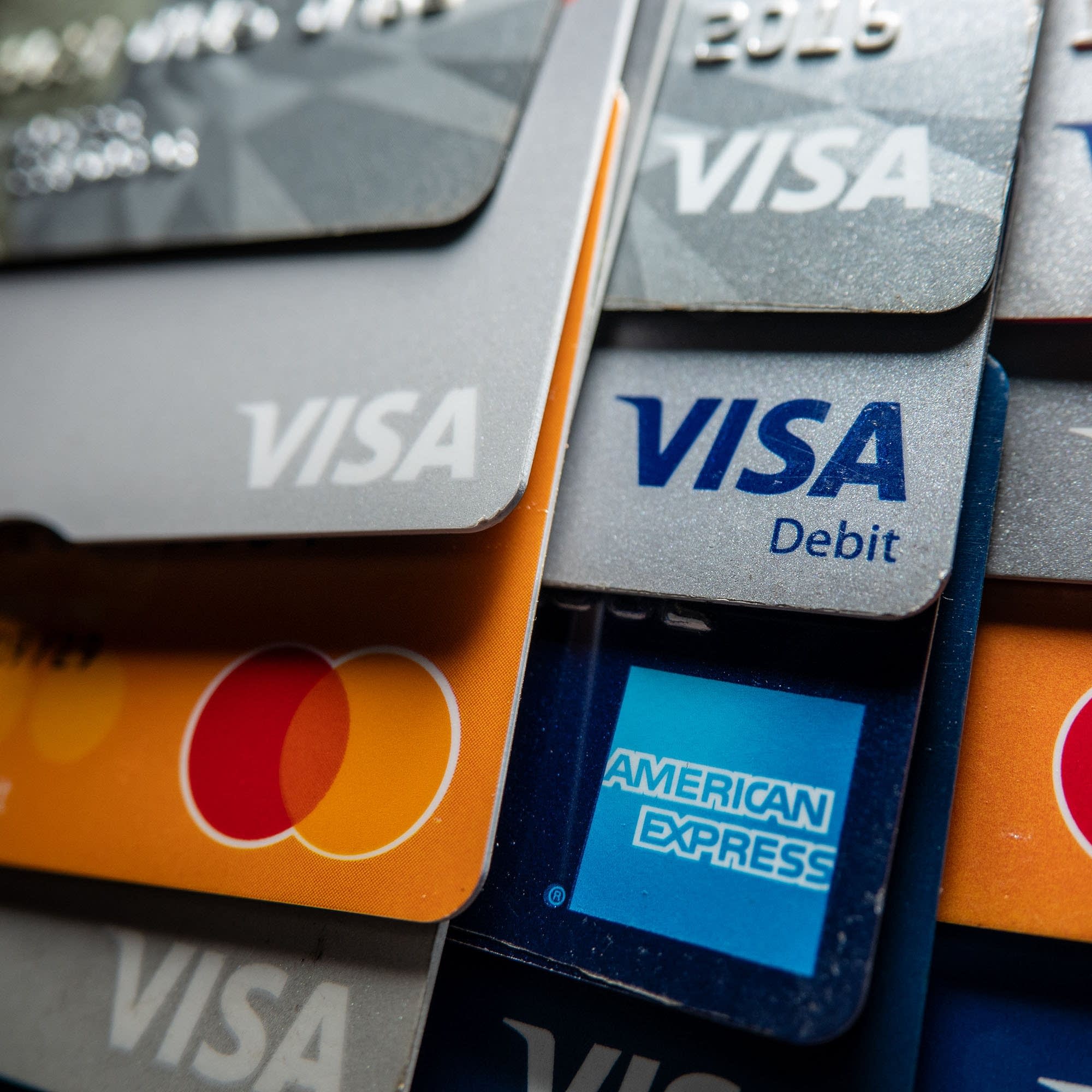
Overview of How would a credit card interest rate cap even work?
This Marketplace Morning Report episode covers three main stories: how tax-law changes and refunds may influence consumer spending and growth in 2026; President Trump’s call for a temporary 10% cap on credit card interest rates and the debate around it; and environmental and investment complications tied to reviving Venezuela’s oil industry (notably high methane emissions). The episode includes reporting and expert commentary on likely economic effects, political feasibility, and environmental trade-offs.
Key takeaways
- Recent tax law changes should lift average tax refunds for many taxpayers, likely boosting consumer spending and GDP in the first half of the year—but that spending surge is expected to fade.
- President Trump called for a one-year 10% cap on credit card interest rates and asked Congress to pass related legislation. There is limited Congressional support and strong opposition from banks, which warn a cap would reduce access to credit for higher‑risk borrowers.
- JPMorgan CEO Jamie Dimon publicly warned a cap could cause “economic disaster.” Banks argue lower rates would force credit contraction or higher fees and tighter underwriting.
- Venezuela’s oil sector emits very high levels of methane (estimated 29% of produced methane escapes), creating both climate and technical hurdles for firms considering investment; producing its heavy oil is energy- and emissions‑intensive.
Details by segment
Tax refunds, consumer spending, and growth
- New tax-law provisions (e.g., full expensing for some business investments, increased deductions) are encouraging some firms to invest and hire, per Ben Ayers (Nationwide).
- David Kelly (J.P. Morgan Asset Management) expects average refunds to increase, especially benefiting lower-income households who are more likely to spend refunds on essentials—boosting GDP in the first half of the year.
- This boost is expected to be temporary; sustaining elevated consumer spending will be difficult.
- Immigration restrictions could blunt these benefits by shrinking the workforce and constraining services sectors (child care, food prep, construction, etc.), per Kate Bond (Institute for Women’s Policy Research). A smaller workforce reduces production capacity and can slow growth.
- JPMorgan Chase forecast: GDP growth fading from ~3% in the first half to ~1% by Q4.
The proposed 10% credit card interest cap
- President Trump initially urged banks via social media to cap rates at 10% and later called on Congress to legislate a one‑year cap. There was no existing law to enforce his initial directive.
- Support in Congress is weak and banks oppose the measure, citing concerns that capping rates would:
- Reduce availability of credit for higher-risk borrowers.
- Lead to unintended consequences such as increased fees, tighter underwriting, or other dislocations.
- Jamie Dimon (JPMorgan Chase) called such a cap potentially an “economic disaster.”
- The administration frames the cap as consumer protection (noting some pay ~28% APR), but mechanics, enforcement, and tradeoffs remain politically and economically contentious.
Venezuela oil, methane emissions, and investment tradeoffs
- Venezuela’s oil production is highly methane‑intensive; satellite-based analysis cited suggests ~29% of methane produced there escapes to the atmosphere versus ~2% in the U.S.
- Causes include aging/broken infrastructure and lack of maintenance/workforce.
- Producing Venezuela’s heavy, high-sulfur oil requires more energy, increasing emissions even if investment were made to reduce leaks.
- Reviving Venezuelan oil presents environmental challenges in addition to economic and political considerations.
Notable quotes
- President Trump: “they have no idea they're paying 28 percent … they end up losing their house.” (framing justification for a rate cap)
- Jamie Dimon (JPMorgan Chase): a cap would cause “economic disaster.”
- Reported PCE (Fed-preferred inflation) expectation cited: +0.2% month, +2.8% year-over-year (context for inflation debate).
Implications and what to watch
- For consumers: larger refunds this season may raise short‑run spending; track your refund and budget accordingly.
- For credit markets: watch Congressional action (or lack thereof) on a statutory APR cap, regulatory responses, bank pricing behavior (fees/limits), and any consumer-credit supply changes.
- For the economy: monitor Fed PCE inflation prints and GDP forecasts—short-term demand bump vs. longer-term labor-supply constraints (including immigration policy).
- For energy/climate and investors: weigh environmental mitigation costs and emissions intensity if firms consider investing in Venezuelan oil production.
Bottom line
The episode highlights policy trade-offs: temporary tax- and refund-related stimulus could lift near-term consumption, but labor constraints and immigration policy may dampen growth. The proposed 10% credit card APR cap is politically and technically fraught—banks warn it would restrict credit access and produce unintended consequences—and lacks clear Congressional support. Separately, Venezuela’s oil sector poses significant environmental and operational hurdles that complicate calls for renewed investment.