Overview of WWKD?
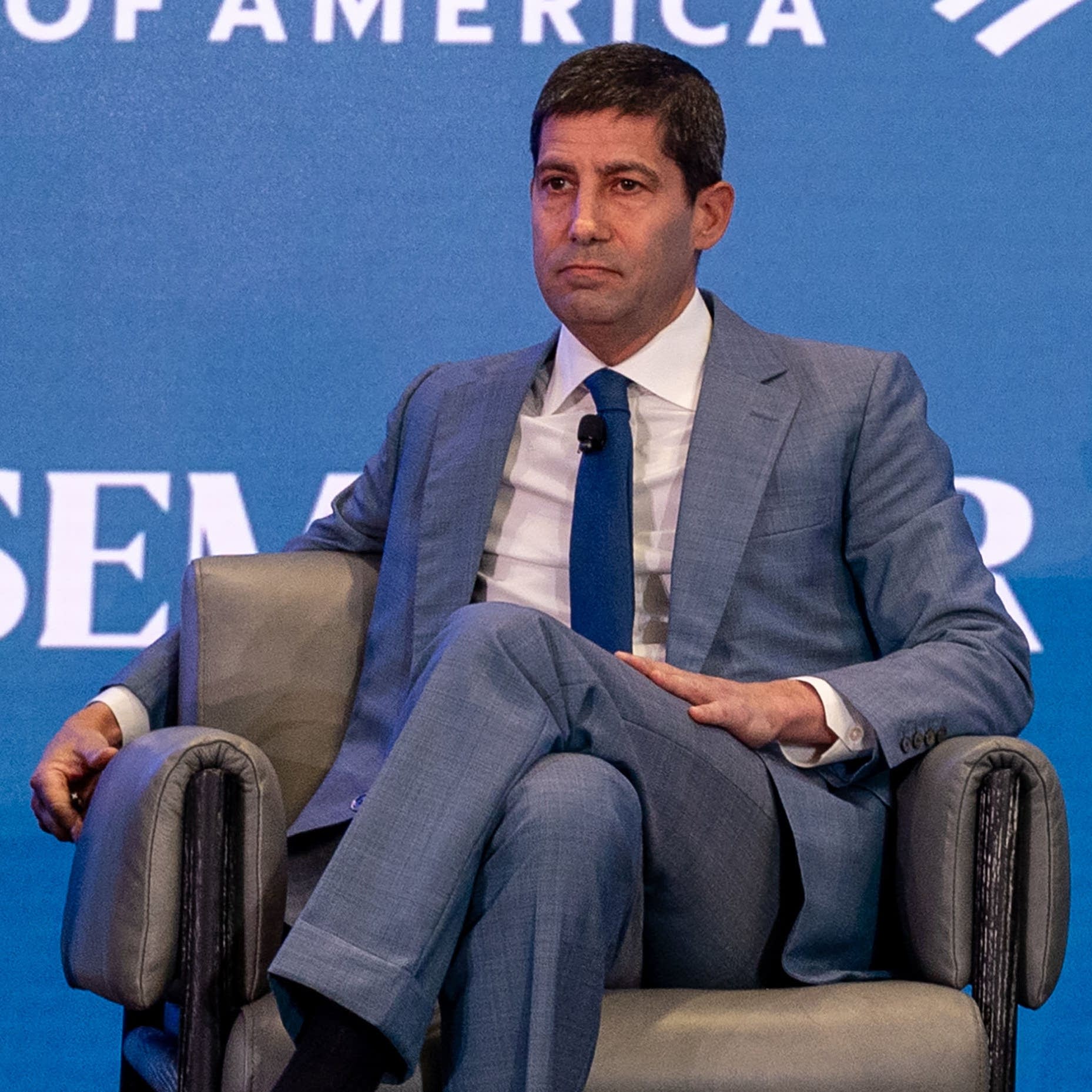
This episode of Marketplace’s WWKD? explores what Federal Reserve policy might look like under President Trump’s nominee for Fed chair, Kevin Warsh, and includes international and business news briefs. The main story examines Warsh’s record, his views on inflation and interest rates (including comments about AI’s effect on prices), and the political obstacles to his confirmation. Shorter segments cover Venezuela’s recent law opening its oil industry to private companies, earnings-driven movement in Palantir stock, and promos/advertisements from sponsors.
Main segment — What would Kevin do?
-
Background
- Kevin Warsh is President Trump’s nominee for Federal Reserve chair and previously served as a Fed governor.
- He helped craft bailout plans during the 2008 financial crisis and has been seen historically as an inflation hawk (favoring higher rates to curb inflation).
-
Warsh’s current stance
- Publicly suggested the Fed should cut rates, arguing productivity gains from AI will lower costs and reduce inflationary pressure.
- Quoted on CNBC: “AI is going to make almost everything cost less and the U.S. can be a big winner,” using that as rationale for rate cuts to support an AI boom.
-
Independence and likely behavior as chair
- Former Fed colleagues (e.g., Claudia Somm, ex-Fed economist) say Warsh would act independently once in office — able to change course from initial alignment with the president if economic conditions warrant it.
- President Trump acknowledged that nominees sometimes change once they have the job: “It’s amazing how people change once they have the job…they got to do what they think is right.”
-
Confirmation hurdles
- Warsh still requires Senate confirmation and a hearing before the Senate Banking Committee; no hearing was scheduled at the time of the report.
- Senator Tom Tillis announced he would oppose all Trump nominees until a Justice Department probe of current Fed chair Jerome Powell is resolved, potentially complicating the timeline.
Venezuela — opening oil to private ownership (BBC report)
-
What changed
- Acting president Delcy Rodríguez signed a law opening Venezuela’s oil sector to private ownership, reversing about 20 years of state control.
- Report frames the move as aligning with demands tied to international pressure (the transcript references U.S. pressure; political context is complex).
-
Local conditions and challenges
- Maracaibo — once wealthy from oil — shows decay: pollution, falling fish catches, derelict worker housing, and looted properties.
- Residents hope private investment can revive jobs and infrastructure, but many remain skeptical due to sanctions, past mismanagement, and recent political tensions.
-
Scale of the task
- Analysts estimate restoration of pre-decline oil output could take a decade and tens of billions of dollars in investment.
- Local officials and citizens express mixed feelings: desire for investment and resentment over foreign pressure and sanctions.
Other news bites
-
Palantir earnings
- Palantir stock rose after beating quarterly profit and revenue expectations; sales were reported up ~70% year-over-year.
- The company has strong Pentagon business but faces internal and political criticism over immigration-tracking contracts.
- Palantir co-founder Alex Karp said the company faces “zero competition” (per the report).
-
Podcast promo
- This Is Uncomfortable: episode on passing cultural heritage (Arabic language and Egyptian roots) to second/third generation children; features author/journalist Eamon Ismail.
Sponsorships & ads
- Odoo — promoted as an all-in-one business software platform (CRM, accounting, inventory, e-commerce).
- Wealth Enhancement — financial planning/advisory services; “build a blueprint” for finances.
- Fundrise — promoted a private-credit income fund, noting historical returns and current distribution rates; contains standard investment-disclosure language.
Key takeaways
- Kevin Warsh combines a history of inflation hawkishness with a more recent openness to rate cuts based on AI-driven productivity — his actions as Fed chair would likely depend on evolving economic conditions.
- Political and procedural hurdles (Senate confirmation, intra-party opposition tied to other probes) could delay or derail his nomination.
- Venezuela’s oil law signals a major policy shift but reviving the industry will be costly and lengthy; local skepticism and geopolitical complications remain significant.
- Corporate earnings (e.g., Palantir) continue to move markets, but business practices can provoke political and ethical scrutiny.
Notable quotes
- Kevin Warsh (CNBC): “AI is going to make almost everything cost less and the U.S. can be a big winner.”
- President Trump (as quoted in the episode): “It’s amazing how people change once they have the job…they got to do what they think is right.”