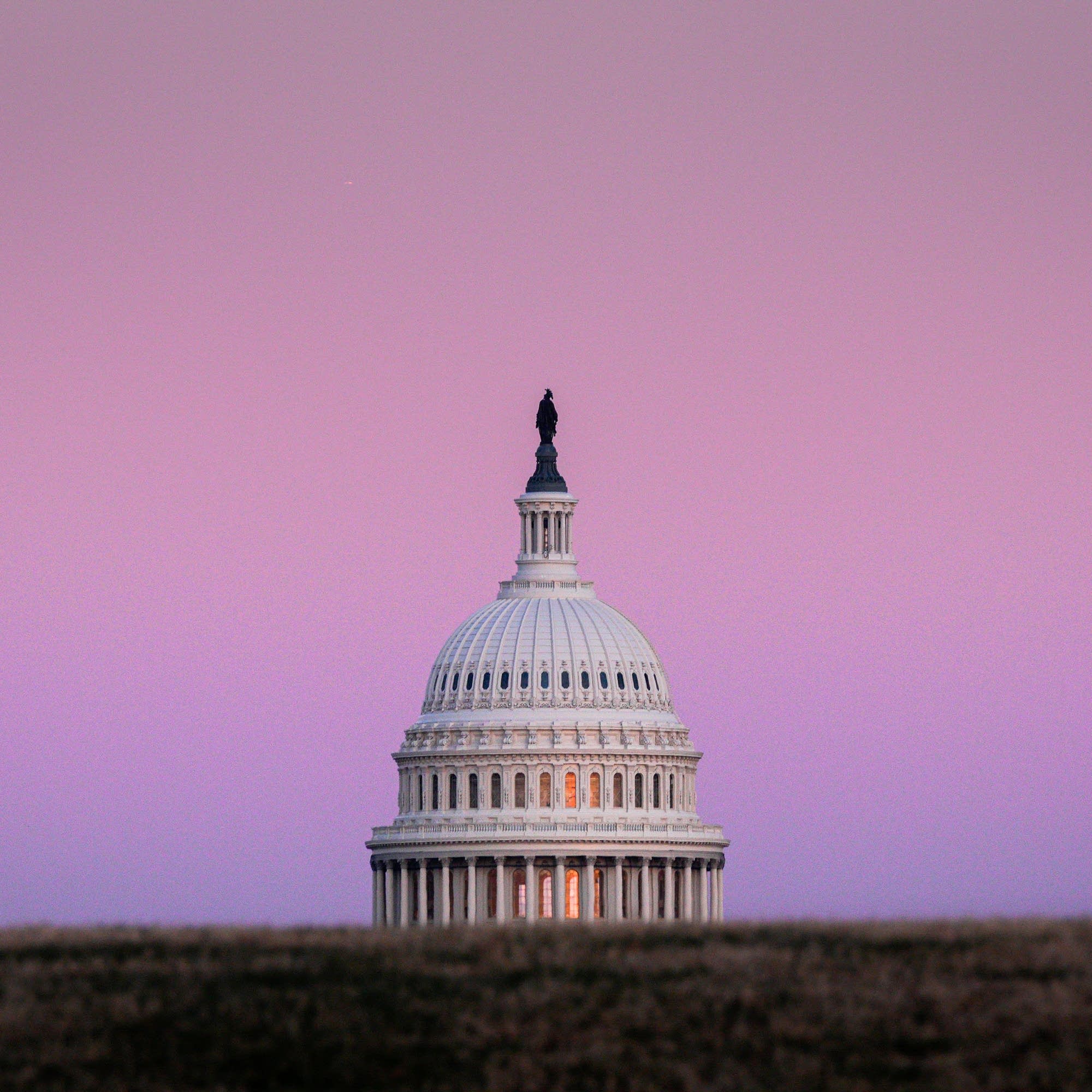
Overview of 2026: the year of partial government shutdowns
This Marketplace Morning Report episode covers three main stories: a looming partial shutdown of the Department of Homeland Security tied to a dispute over ICE reforms; how recent moves by foreign investors (China guidance to banks, a Japanese election) could affect U.S. Treasury demand and interest rates; and how Russia’s attacks on Ukraine’s centralized Soviet-era heating infrastructure have left many people without heat.
Key topics covered
- DHS funding showdown and possible partial shutdown focused on ICE-related demands.
- Global capital flows and risks to U.S. Treasury demand from China and Japan.
- Upcoming U.S. economic data that could influence markets (inflation and a revised jobs report).
- Vulnerability of Ukraine’s Soviet-era centralized heating systems to targeted strikes.
DHS partial shutdown — what’s happening
- Congress is negotiating a DHS spending bill. Democrats want ICE reforms (e.g., warrants before entering homes, body cameras, name tags, ban on masks); Republicans reject those demands.
- If lawmakers don’t reach a deal by Friday, DHS funding will lapse in the early hours of Saturday; Congress will then be on a week-long Presidents’ Day recess.
- Agencies under DHS that would be affected include the Coast Guard, FEMA, Secret Service, TSA; essential employees would work without pay.
- ICE itself may not be severely affected because it still has funding from a prior large tax-and-spending bill passed last summer.
Notable quote:
- “If the two sides don’t reach a deal by Friday DHS will shut down in the wee hours of Saturday.”
Markets and Treasury demand — main takeaways from the interview with Julia Coronado
- China has instructed some private banks to reduce holdings of U.S. Treasuries or be more cautious; if followed, this could reduce demand for U.S. debt and put upward pressure on U.S. interest rates.
- A strong outcome in Japan’s election could mean a stronger Japanese economy and rising domestic yields, leading Japanese investors to buy fewer U.S. Treasuries—another potential upward pressure on U.S. rates.
- Markets were not reacting dramatically at the time of the report but these are risks to monitor.
- Important economic releases this week: the inflation report and a special jobs report that includes an annual revision (a prior large downward revision led to the firing of the BLS commissioner).
Notable quote:
- “If the banks follow through with that guidance and invest less in treasuries... that would mean higher interest rates.”
Action items for market watchers:
- Monitor Treasury yields and foreign central-bank/bank behaviors.
- Watch Wednesday’s inflation and revised jobs reports for market-moving detail.
Ukraine heating infrastructure — why strikes are so disruptive
- Soviet-era urban planning emphasized centralized communal heating (large district heating plants, “panelki” and “Khrushchevki” apartment blocks) where hot water is produced centrally and piped to buildings.
- Russian strikes have hit many of these large heating plants (TETs), leaving about a million people without heat in the first month of the year.
- These centralized systems were not designed for wartime targeting; decentralizing or changing the system is a long, difficult process.
- Example: in frontline Zaporizhia, nearly three-quarters of residents rely on communal heating.
Notable quote:
- “These heating plants were not designed to be attacked with missiles or drones.”
Main takeaways
- A targeted, partial DHS shutdown is possible and could disrupt several major federal functions if negotiations over ICE reforms fail before a short pre-recess deadline.
- Shifts in foreign demand for U.S. Treasuries—driven by Chinese guidance to banks and potential changes in Japanese investor behavior—are risks that could push U.S. interest rates higher.
- Ukraine’s reliance on centralized Soviet-era heating makes its civilian infrastructure uniquely vulnerable to targeted attacks, causing widespread humanitarian hardship.
What to watch next
- Congress/DHS funding negotiations and whether a deal is reached before the weekend.
- Treasury yields and bond-market reactions to foreign investor behavior.
- Wednesday’s inflation report and the jobs report with annual revisions.
- Ongoing reports about Russia’s strikes on Ukrainian energy/heating infrastructure and humanitarian responses.
Sources and context
- Marketplace Morning Report (host Sabri Beneshore) segments, featuring reporting by Nancy Marshall-Genzer and an interview with Julia Coronado (Macro Policy Perspectives), plus a BBC report by Vitaly Shevchenko on Ukraine.