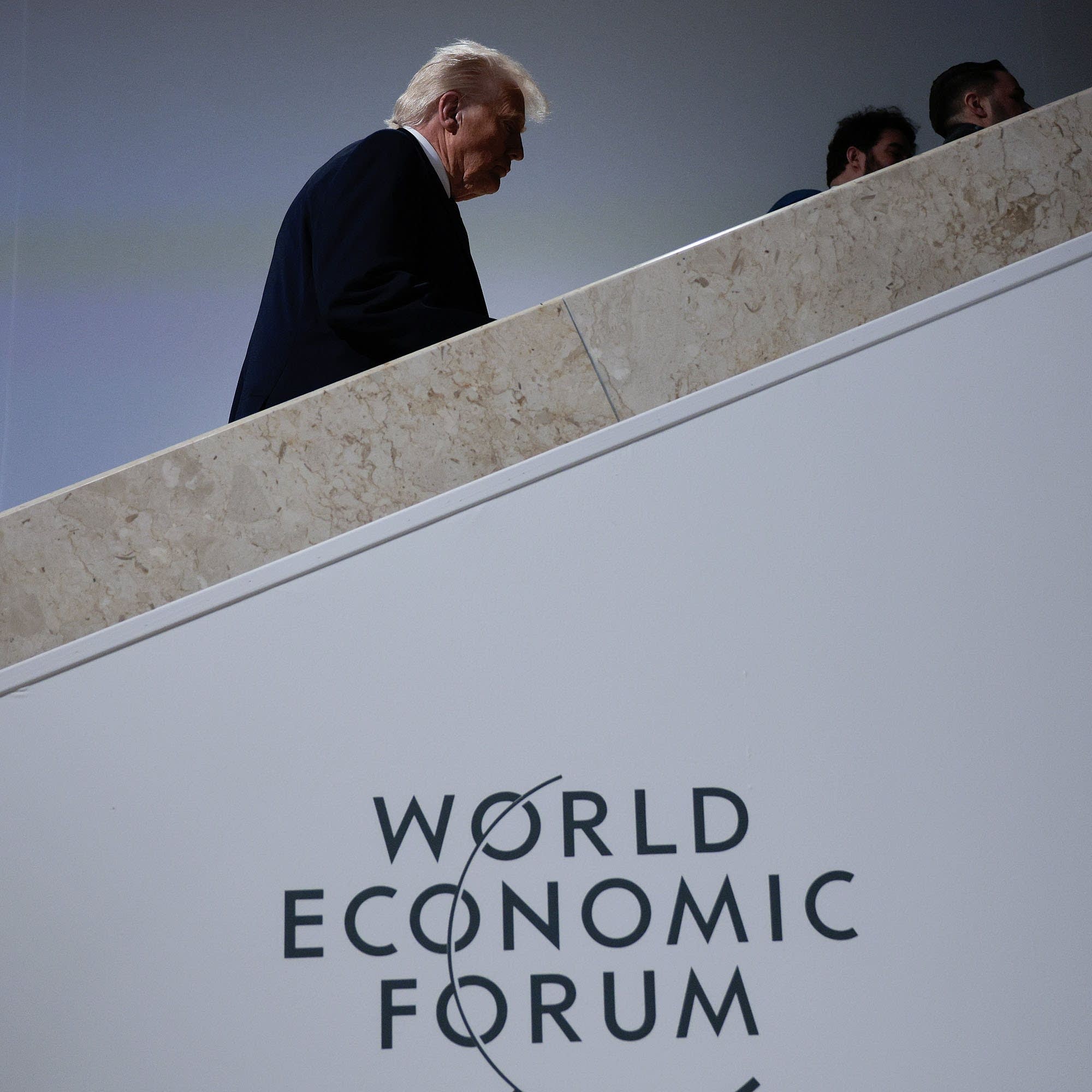
Overview of Economic power as a cudgel
This Marketplace episode ties together developments at the World Economic Forum in Davos with U.S. foreign-policy signaling (the Greenland episode), a major tech policy resolution around TikTok, recent U.S. inflation/savings data, and a deeper look at how Americans feel about financial security. Guests and reporting highlight a theme: economic power is increasingly being used as a tool of coercion, and perceptions — at the international and personal level — matter as much as raw numbers.
Key topics covered
-
Davos and transatlantic relations
- Mark Carney’s speech framing economic integration (tariffs, finance, supply chains) as tools of geopolitical coercion.
- The Greenland episode (President Trump’s comments about buying Greenland) cited as a turning point eroding trust among allies.
- Canada moving closer to China on trade (deal easing Chinese EV tariffs), signaling diversification of partnerships.
-
Global economic credibility
- Commentary that U.S. economic influence is under strain; the episode cites data on central bank holdings and shifts in reserve preferences (reported as increased gold holdings relative to U.S. dollars).
-
TikTok and national-security-driven tech fixes
- ByteDance proposes a U.S.-majority joint venture to operate TikTok in the U.S., claiming data-security and moderation controls; this responds to a 2024 U.S. law banning TikTok unless sold to a U.S. entity and later extensions from the President. TikTok has about 200 million U.S. users.
-
U.S. inflation and household finances
- BEA snapshot: consumer prices up ~2% year-over-year (November); consumer saving rates fell through 2025 while overall spending rose — primarily driven by higher-income households; middle- and lower-income households are cutting back.
-
Perceptions of financial security (This Is Uncomfortable segment)
- Street interviews about “how much is enough” show people continually raising their targets.
- Psychologists explain the hedonic treadmill: higher income often doesn’t increase lasting happiness because expectations and desires rise.
- Feeling financially insecure, even when metrics look OK, leads people to spend less and save less (behavioral effects).
Main takeaways
- Economic tools are being explicitly weaponized: tariffs, financial infrastructure, and supply chains are now seen as levers of geopolitical coercion.
- Trust in the U.S. as a reliable partner has weakened among some allies, prompting realignment or hedging (e.g., Canada–China trade moves).
- Tech regulation and national-security concerns are producing commercial compromises (TikTok’s proposed U.S.-majority joint venture) that try to balance access and oversight.
- Macro data show modest inflation but falling household saving rates; rising consumer spending is uneven and driven by higher-income households.
- Perception matters: people’s financial behaviors are strongly influenced by how secure they feel, not just their objective income/net worth.
Notable quotes & soundbites
- Mark Carney: “Great powers have begun using economic integration as weapons. Tariffs is leverage. Financial infrastructure is coercion. Supply chains as vulnerabilities to be exploited.”
- Shige Oishi (Univ. of Chicago): On the hedonic treadmill — people say a little more income will make them happy, but happiness often doesn’t change after they get it.
- Wendy De La Rosa (behavioral finance): How you feel about your finances “is more indicative and predictive of your financial behaviors than where you are.”
Implications and recommendations
-
For policymakers and diplomats
- Rebuild credibility with allies through consistent policy and predictable economic behavior; expect middle powers to diversify partnerships.
- Anticipate trade and financial instruments becoming explicit instruments of statecraft — plan resilience in supply chains and financial infrastructure.
-
For business and tech leaders
- Prepare for regulatory-driven restructurings (e.g., forced divestitures, data-localization or governance changes) and design contingency/exit strategies for markets with national-security scrutiny.
-
For individuals
- Recognize the hedonic treadmill: upgrading income often shifts expectations. Consider setting concrete saving goals and using automated tools to overcome behavioral barriers.
- Pay attention to subjective financial security — if you feel stretched, small behavioral steps (automatic savings, budgeting, reducing comparison-driven spending) can improve long-term outcomes.
Sponsors & disclosures
- Episode included sponsor messages and paid advertising: Fundrise (Fundrise Income Fund details and performance claims) and Intuit TurboTax (TurboTax Experts service).