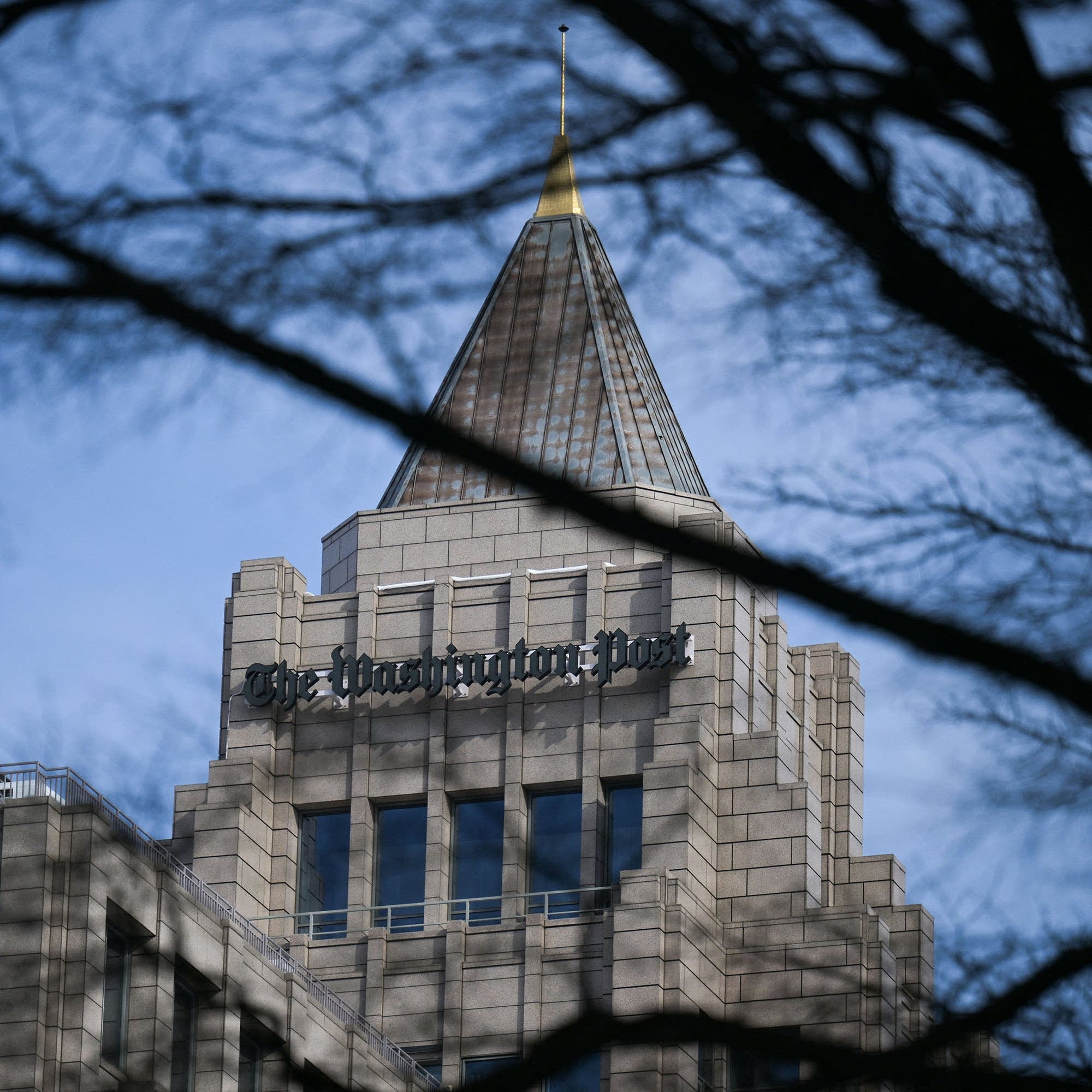
Overview of The continuing struggles of the news biz
This Marketplace Morning Report episode examines current financial and structural strains across the news industry — contrasting News Corp.’s strong investor metrics with layoffs at The Washington Post — and ties those developments to broader shifts in advertising, digital transformation, and democratic implications. The show also includes a separate segment on Amazon’s decision to close its Amazon Fresh and Amazon Go physical grocery concepts and why the experiments failed.
Key takeaways
- News organizations are under economic pressure as advertising revenue has migrated to social platforms, making sustainable business models difficult for legacy outlets.
- News Corp. (owner of The Wall Street Journal, Barron's, MarketWatch and Fox News) shows strong investor optimism and a high price-to-earnings ratio, driven by perceived success in digital conversion.
- The Washington Post’s recent layoffs highlight uneven results from digital transitions and raise concerns about the information environment essential to democracy.
- Experts argue newsroom cuts can create a “death spiral”: cutting journalists weakens the product, which drives away audiences and subscribers, further reducing revenue.
- Amazon shuttered Amazon Fresh and Amazon Go stores because the locations did not generate sufficient volumes and failed to pull customers away from established grocery habits.
- Walk-out/automated checkout technology can unsettle customers (glitches, unclear receipts, uncertainty about charges), and grocery is a low-margin, saturated market where differentiation is hard.
- Broader implication: the health of journalism affects civic understanding and democratic function; policy and market responses matter.
Topics discussed
- Financial health and investor expectations for media companies (News Corp vs. others)
- Layoffs at The Washington Post and implications for journalism and democracy
- The migration of advertising dollars to social media platforms
- Self-inflicted newsroom decline via cost-cutting and staffing reductions
- Amazon’s exit from certain physical grocery experiments (Amazon Fresh, Amazon Go)
- Practical limits of walk-out retail technology and consumer acceptance
- Advertising and sponsorship spots: Viking cruises, Fundrise Income Fund, Hogle Zoo
Notable quotes and insights
- Archon Fung (Harvard Kennedy School): “A successful democracy depends on an information environment in which people can understand what's going on with their government. And that information and news isn't going to produce itself.”
- Nick Usher (University of San Diego): News organizations create “a death spiral where you weaken the product, and when you weaken the product, people leave.”
- Neil Saunders (GlobalData Retail) on Amazon’s grocery stores: they “weren’t strong enough to pull customers away from where they were shopping already” and “didn’t make economic sense,” so Amazon chose to cut losses and refocus where it’s strongest — online.
Evidence and examples from the episode
- Contrast: News Corp’s high P/E ratio vs. Washington Post layoffs under owner Jeff Bezos.
- Expert commentary links newsroom cuts to diminished civic information and long-term harm to democracy.
- Retail case study: Amazon’s walk-out tech stores suffered from low traffic, consumer discomfort, occasional technical glitches (delayed or missing receipts), and unclear differentiation from existing supermarkets.
Recommendations / implications
- For news consumers: consider supporting local and national journalism through subscriptions or donations to sustain reporting capacity.
- For media organizations: prioritize strategies that preserve reporting capacity while experimenting with diversified revenue (subscriptions, memberships, events, philanthropy) rather than deep newsroom cuts that can erode product value.
- For policymakers and civic leaders: recognize the public-good role of journalism and explore interventions that strengthen local news ecosystems.
- For retailers/tech adopters: pilot new tech carefully, focus on clear consumer benefits, and weigh the economics in low-margin sectors like groceries before large-scale rollout.
Bottom line
The episode connects financial decisions—both in media and retail—to broader social outcomes: newsroom contractions weaken democratic information flows, and flashy tech-driven retail concepts can fail if they don’t clearly solve a customer problem or produce viable economics.