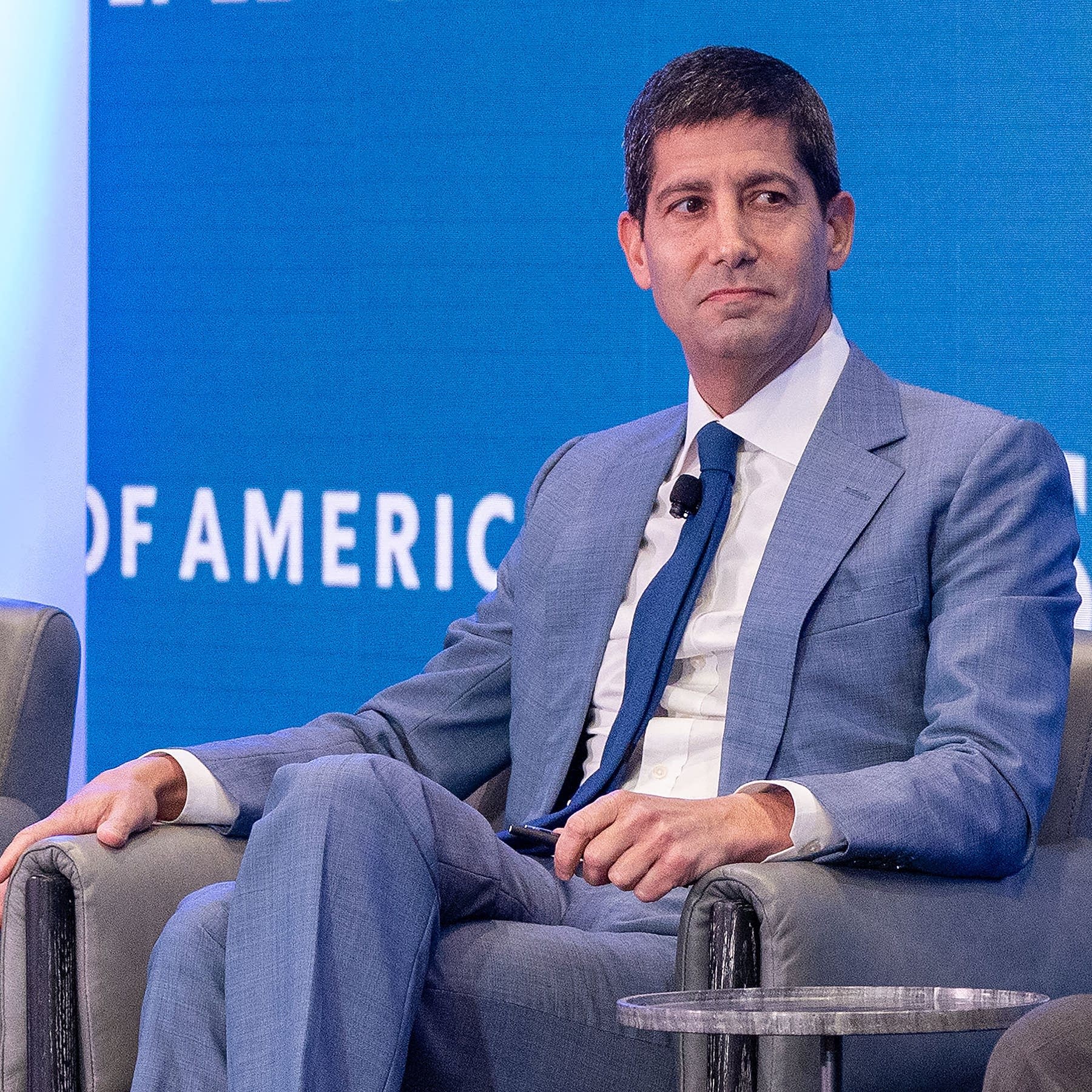
Overview of Who is Trump's Fed chair pick?
This Marketplace Morning Report episode covers President Trump’s nomination of Kevin Warsh to lead the Federal Reserve, plus short segments on an AI-linked energy solution (Recycling EV batteries to power a data center), an ad for Fundrise, and a BBC dispatch about Madagascar’s first modern highway. The piece explains Warsh’s background, his policy views (including calls for “regime change” at the Fed), and potential implications if he’s confirmed.
Key segments and takeaways
1) Trump’s Fed chair pick — Kevin Warsh
- Nominee: Kevin Warsh, who served as a Federal Reserve governor from 2006–2011 (including during the 2008 financial crisis).
- Current role: Visiting fellow in economics at Stanford’s Hoover Institution (a conservative-leaning think tank).
- Timing: If confirmed by the Senate, Warsh would replace Jerome Powell (whose term expires in May).
- Policy views highlighted:
- Has criticized the Fed for not doing enough historically to fight inflation; has called for “regime change” at the Fed.
- Advocates for lower interest rates (aligned with President Trump’s calls).
- Argues advanced technologies, especially artificial intelligence, will raise productivity and offset inflationary pressures—thus lower rates need not trigger higher inflation.
- Favors less intervention in financial markets and a more hands-off approach to bank regulation.
- Notable quote from Warsh: “The central bank can hit any price level that it wants, any inflation level that it wants… the idea that they should be blaming someone else strikes me as quite antithetical to good economic history.”
- Next steps/implications:
- Senate confirmation hearings and vote will determine whether Warsh becomes Fed chair.
- If confirmed, markets and regulatory policy could shift toward lower rates and lighter bank oversight—potentially contentious given recent inflation memories.
2) Energy & AI-related infrastructure (Redwood Materials)
- Example: Redwood Materials repurposes used electric‑vehicle batteries to run an off-grid data center in Nevada.
- Specs cited: 60 MWh of reused batteries providing 12 MW of power; the installation took about four months.
- Context: Part of Marketplace’s coverage on the AI boom—exploring infrastructure, energy constraints, and responses (e.g., restarting nuclear plants or using recycled batteries).
3) Fundrise sponsorship (brief)
- Fundrise Income Fund promoted as an option for retail investors seeking private‑credit-like passive income.
- Claimed distribution rate: 7.97% (as of 12/31/2025); 2025 total return: 8%; since-inception avg annual return: 7.8%.
- Standard disclaimers: past performance not a guarantee, read prospectus for risks and fees.
4) BBC report — Madagascar’s new highway
- Story: The first 8 km of a new 240 km highway linking Antananarivo and the port city Toamasina was inaugurated; full project budget ~ $1 billion.
- Expected benefits: Cut travel time drastically (from up to 16 hours to ~2.5 hours), boost trade, recoup via tolls and greater economic activity.
- Local impact and concerns:
- Some farmers, like 70‑year‑old Neni Farah, report sudden route markers on their land and feel excluded from consultation—fear of losing land and livelihoods.
- Environmental and social worries: activists warn the road could enable illegal logging and mining, threaten food and water security, and change fragile ecosystems.
- Political context: Project began under President Andry Rajoelina (since replaced by a military coup in October per the report); the new interim government says it will continue the motorway.
Notable quotes / soundbites
- Kevin Warsh: “The central bank can hit any price level that it wants, any inflation level that it wants… the idea that they should be blaming someone else strikes me as quite antithetical to good economic history.”
- Report framing: Warsh has called for “regime change at the Fed” (phrase used to summarize his critique).
Why this matters / implications to watch
- Warsh nomination:
- Could shift Fed policy toward lower interest rates and lighter regulation if confirmed—affecting inflation dynamics, markets, and banking oversight.
- Senate confirmation process will be politically charged; markets and policymakers will watch his hearings closely.
- AI and energy:
- Growing AI demand is stressing energy systems; alternative approaches (reused EV batteries, nuclear restarts) are emerging as solutions.
- Infrastructure in developing countries:
- Large road projects can expedite trade and growth but risk social displacement and environmental harm—local consultation and oversight are critical.
Action items / what to follow next
- Track:
- Senate hearing schedule and vote on Kevin Warsh’s nomination.
- Market reaction (rates, bank stocks) to nomination news and any Fed guidance.
- Evidence that productivity gains from AI are materializing enough to counter inflation—this is central to Warsh’s argument for lower rates.
- Developments on data center energy strategies (battery reuse, nuclear) amid rising AI power demand.
- Progress and environmental/social impact assessments for Madagascar’s highway project and reports on compensation/land rights for affected communities.
Episode context
- Source: Marketplace Morning Report (Marketplace), host David Brancaccio; reporter Nova Safo covered the Warsh story; BBC piece by Andre Lombard included. The transcript contained minor name misspellings that have been corrected (Kevin Warsh; President Andry Rajoelina).