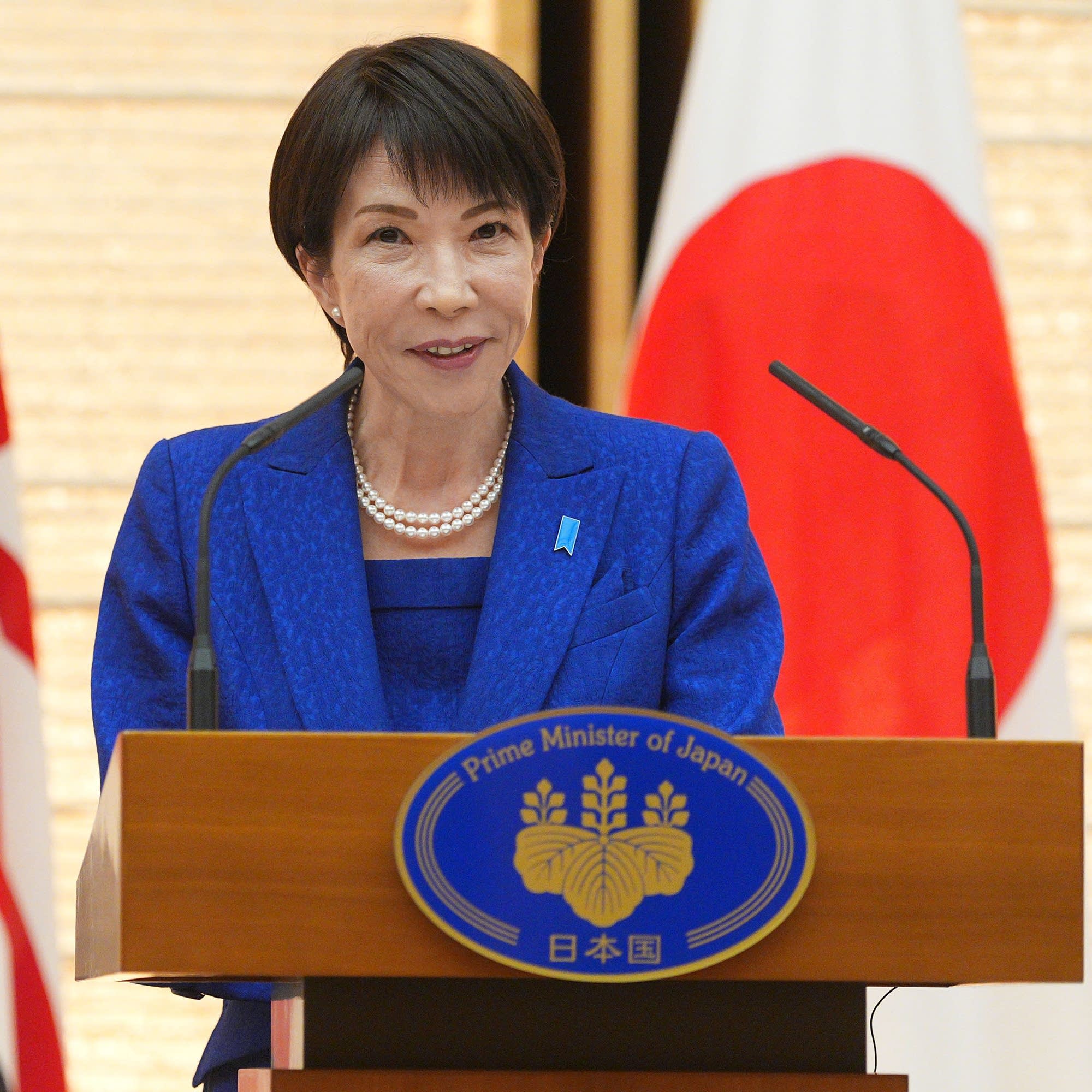
Overview of Marketplace Morning Report — "Japan prepares to go to the polls"
This episode (Marketplace Morning Report, BBC World Service) focuses on Japan's snap parliamentary election called by Prime Minister Sanae Takaichi (identified in the report as the country's first female PM). Reporter Phoebe Amoroso files from Tokyo and Okinawa, centering the story on how the rising cost of living is shaping voter sentiment and the pressures facing small businesses. The episode also includes brief business and world-news items (Stellantis, Bitcoin, Cuba, Winter Olympics/curling stones) and a promo for the podcast This Is Uncomfortable.
Key takeaways
- The economy — especially the rising cost of living — is the dominant concern for many Japanese voters heading into the snap election.
- Small businesses (restaurants, cafés) are under significant strain from rapid increases in food and input prices, pushing some to run at a loss to retain customers.
- Local voices want more direct, effective measures (e.g., consumption tax relief, subsidies that reach lower-income people).
- Tourism-dependent regions (e.g., Okinawa) are vulnerable to fluctuations in tourist numbers, compounding local economic anxieties.
- Short news roundups in the episode highlight market turbulence (Stellantis write-down, Bitcoin drop), an energy/US-Cuba diplomatic angle, and a human-interest piece on Olympic curling stones.
What the election centers on
- Prime Minister Sanae Takaichi called a snap election three months into her term seeking a mandate.
- Cost of living and inflation are front-and-center issues for voters across regions and income levels.
- Voters and small-business owners want clear, tangible policies that help ordinary people — not just high-level subsidies that don't "trickle down."
Voices from the ground
Tokyo — small restaurant owner (Hiroyuki Okano)
- Runs a one-person restaurant mixing French and Japanese dishes; opened just over a year ago.
- Reports steep price increases since late 2024: rice, meat, vegetables and fish up roughly 1.5x to nearly 2x.
- Food-cost ratio has risen to about 60% (vs. a normal target ~30%), forcing him to absorb losses to build customer relationships.
- Has not made a profit in a year; criticizes the consumption tax and calls government tax/policy support inadequate.
Okinawa — café owner (Miyako Nimi)
- Operates a small coffee shop in Naha, Okinawa’s capital and Japan’s poorest prefecture.
- Highly dependent on tourists; deeply worried about what happens if tourist numbers drop.
- Feels the broader economic outlook is bleak and expects continued difficulty for local businesses.
Policy issues raised by interviewees
- Consumption tax seen as burdensome for small businesses operating at thin or negative margins.
- Government subsidies are viewed as insufficient or poorly targeted — many feel relief isn’t reaching low-income households and small firms.
- Calls for policies that directly ease household and small-business burdens (tax cuts, targeted support).
Other stories and data points in the episode
- Stellantis: Shares fell ~20% after announcing a $25 billion write-down related to its electric-vehicle business.
- Bitcoin: Dropped to about $65,000 — roughly half of its value three months earlier (as reported).
- Cuba: President Miguel Díaz-Canel blames U.S. blocking of oil shipments for an energy crisis; says Cuba is open to equal-footed dialogue; White House responds that diplomacy is underway and claims the Cuban government is weakened.
- Winter Olympics: Opens in Milan and Cortina d’Ampezzo (first time across two locations). Short feature: Olympic curling stones sourced from Ailsa Craig, Scotland — made from two granites (green granite body; bluehorn base), around 2,000 new stones produced annually by a small, skilled team at Kay’s Scotland.
- Promo: Podcast This Is Uncomfortable — episode about financial secrecy in relationships with interviews including a divorce lawyer and couples counselor.
Notable quotes
- “Prices are definitely rising. But it also feels like people are just generally more depressed. Things don't feel very hopeful lately.” — Tokyo voter (capturing mood).
- Restaurant owner on margins: “My food cost percentage is about 60%. Normally, you're supposed to keep it at around 30%... I haven't been in the black even once.”
What to watch after the election
- Whether the incoming/returning government implements targeted relief (tax adjustments, direct cash assistance, support for small businesses).
- Policy signals affecting consumption tax and subsidies, which will directly impact small-business viability.
- Tourism recovery trajectories for regions like Okinawa and their policy support.
- Market reactions to election outcomes (domestic markets, currency) and ripple effects on corporate decisions already highlighted (e.g., Stellantis).
Bottom line
The snap election is being fought against a backdrop of rising living costs that are tangibly affecting small-business survival and voter sentiment. Local entrepreneurs want concrete economic measures that reach ordinary people — tax relief and better-targeted subsidies top their requests — and these pressures could shape both electoral outcomes and near-term policy choices.