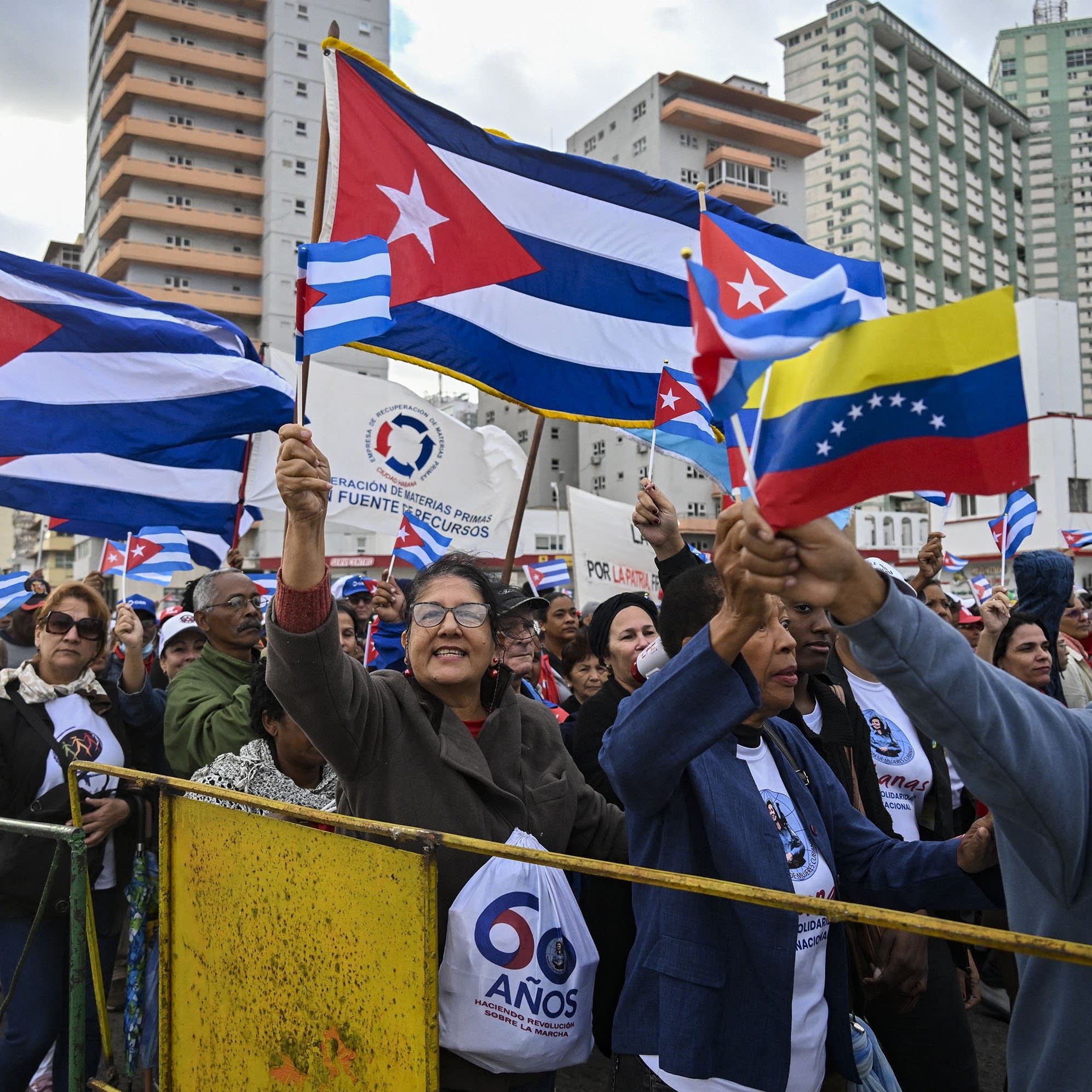
Overview of What's next for Cuba after Venezuela? (Marketplace)
This episode examines the fallout for Cuba after the U.S.-backed ouster of Venezuela’s leader, focusing on Cuba’s heavy dependence on Venezuelan oil, growing U.S. pressure on Havana, and the economic and political risks ahead. It combines reporting from the BBC’s Will Grant with broader Marketplace coverage of market reactions to U.S. policy moves and related housing and finance items.
Key takeaways
- Cuba is highly vulnerable to a cutoff of Venezuelan crude, which has subsidized the island’s economy and political project for about 25 years.
- Rolling blackouts in Havana make the energy shortfall visible on the ground; a full Venezuelan oil cutoff would worsen living conditions and economic strain.
- The U.S. is increasing pressure on Cuba after moves in Venezuela; reports (Wall Street Journal) say Washington may be seeking regime change in Cuba by year’s end and targeting revenue sources such as overseas medical missions.
- Mexico could supply some oil to Cuba, but U.S. pressure on Mexico’s leadership may constrain that option.
- The episode also covers market volatility tied to President Trump’s tariff threats and reversal on Greenland, and a short segment on housing affordability and mortgage/rental trends.
Detailed summary
- Market context: Stocks fell more than 2% after President Trump threatened tariffs on several European/NATO countries over Greenland, then rebounded (about +1.2%) after he said a framework had been agreed and tariffs wouldn’t be imposed. Bond sell-offs earlier in the week raised Treasury yields and borrowing costs.
- Cuba reporting (BBC’s Will Grant, on location):
- Visible effects in Havana: rolling blackouts and public demonstrations (anti-U.S. imperialism march).
- Cuban officials fear closer U.S.-Venezuelan ties (e.g., interim Venezuelan leader meeting with CIA) could mean loss of oil support for Cuba.
- Venezuela has been Cuba’s main oil supplier; Mexico is an alternative partner but political pressure (from the U.S.) may discourage Mexico from fully replacing Venezuela.
- Any U.S.-acceptable “deal” would likely demand deep political reforms from Havana—reforms Cuba is unlikely to accept.
- U.S. policy signals:
- Wall Street Journal report (unnamed sources): U.S. seeks regime change in Cuba this year and is attempting to curtail Cuba’s overseas medical missions (a major hard-currency earner).
- President Trump publicly urged Cuba to “make a deal before it's too late,” signaling heightened pressure.
- Housing & rental segment:
- Mortgage rates rose to ~6.2%; new housing supply tends to be higher-end.
- Rent affordability has improved for some renters (smaller, younger households), with rent burden measures near their best since Aug 2021, though benefits are uneven.
Notable quotes / lines
- “Propped up the Cuban revolution for the past two and a half decades.” — on Venezuela’s oil role for Cuba.
- President Trump: urged Cuba to “make a deal before it's too late.” (quoted in reporting)
- BBC on-the-ground: rolling blackouts in Havana as a visible sign of the energy squeeze.
Implications and what to watch next
- Humanitarian/economic risks: If Venezuelan oil flows stop, expect worsening electricity shortages, fuel scarcity, and further economic deterioration in Cuba.
- Political stability: Loss of Venezuelan support could increase internal pressure on the Cuban government and spur unrest or a political crisis.
- Geopolitical moves: Watch U.S. sanctions and policy steps targeting Cuba’s revenue (e.g., medical missions), diplomatic moves with Mexico, and any public confirmation of regime-change aims.
- Markets: Energy markets, remittance flows, and regional risk premiums could shift if Cuban shortages become acute or geopolitical tensions escalate.
Sponsorship and episode notes
- The episode included a paid advertisement for Fundrise (private credit product) and a separate Marketplace segment on housing affordability and mortgage/rental trends.
- Reporting sources: BBC correspondent Will Grant; Wall Street Journal (unnamed officials) cited for U.S. policy intentions.