The Indicator from Planet Money

by NPR
A bite-sized show about big ideas. From the people who make Planet Money, The Indicator helps you make sense of what's happening in today's economy. It's a quick hit of insight into money, work, and business. Monday through Friday, in 10 minutes or less. Sign up for our newsletter. Support public media by joining NPR+ at plus.npr.org. You’ll get perks for over 25 NPR podcasts, including bonus episodes for Planet Money and sponsor-free listening for The Indicator.
Episodes

Following the Chipotle playbook for the cyclospora crisis
Taco Bell and Taylor Farms are taking hits to their reputation due to the cyclosporiasis outbreak across the country. They could learn a thing or two from Chipotle, which went through its own public relations battle during a similar outbreak about a decade ago.<br/><br/>Fact checking by <a href="https://www.npr.org/people/1268825622/sierra-juarez"target="_blank" >Sierra Juarez</a>.<br/><br/><strong>Your Next Listen </strong><br>— <a href="http://lnk.to/a3OP5h"target="_blank" >Big Lettuce meets Small Intestine</a><br/><br/><strong>Connect with The Indicator </strong><br>— Sign up for <a href="https://npr.org/indicatornewsletter"target="_blank" >The Indicator’s weekly newsletter</a>!<br>— Buy the <a href="https://lnk.to/i3AukBdDWE"target="_blank" >Planet Money book</a><br>— Find our <a href="https://linktr.ee/indicator_npr"target="_blank" >socials, YouTube and more</a>!<br/><br/>Support public media with NPR+ and enjoy perks for over 25 podcasts like this one. This show’s perks include sponsor-free listening. Learn more at <a href="http://plus.npr.org/"target="_blank" >plus.npr.org</a>.<br/><br/>See <a href="https://pcm.adswizz.com">pcm.adswizz.com</a> for information about our collection and use of personal data for sponsorship and to manage your podcast sponsorship preferences.<br/><br/><a href="https://www.npr.org/about-npr/179878450/privacy-policy">NPR Privacy Policy</a>
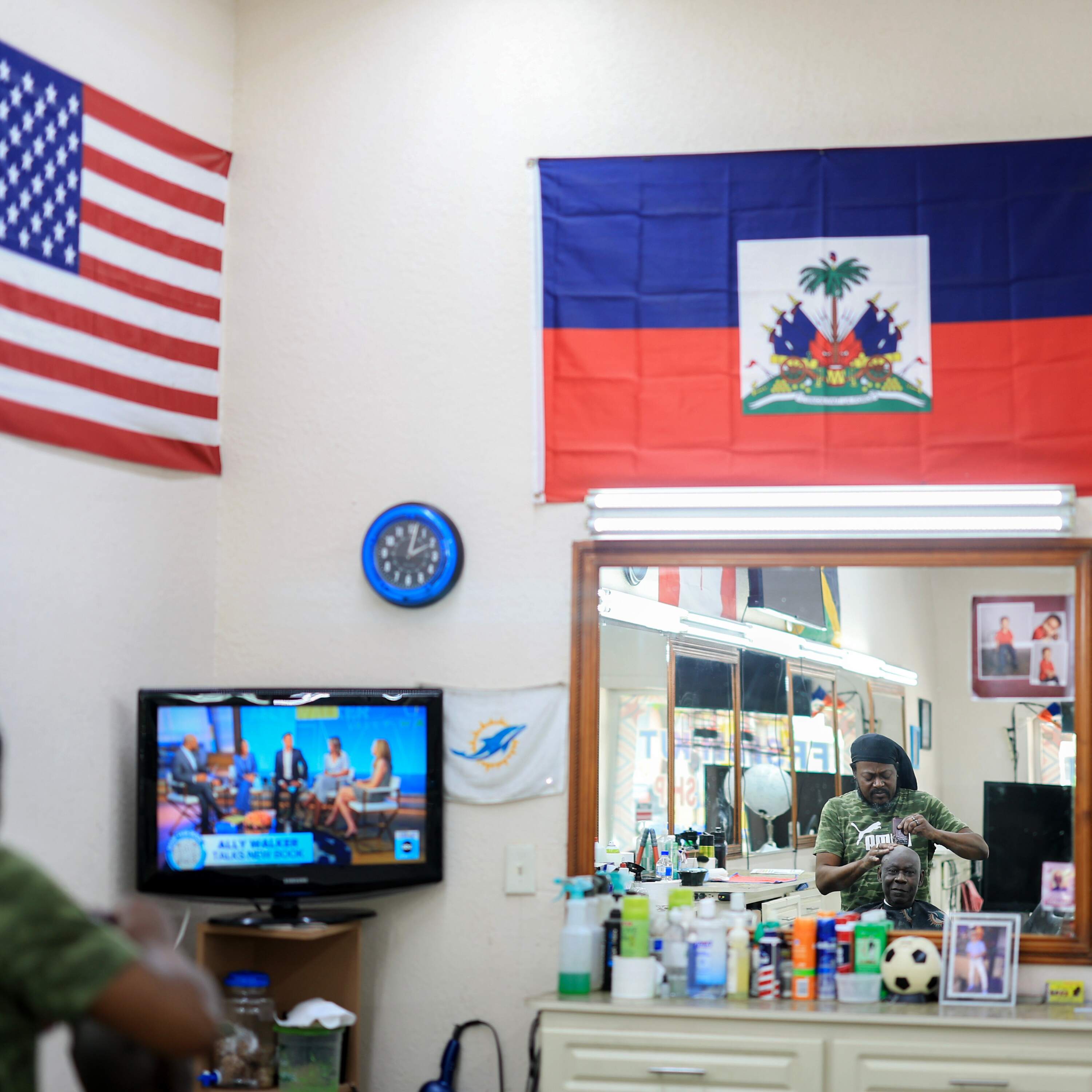
How ending TPS is squeezing workers, businesses and (soon) consumers
What happens when roughly a million people working legally in the U.S. suddenly lose that right to stay here? We’re starting to find out in places like Miami, Florida, home to one of the largest Haitian communities in the country. There, we talk to people on what the end of Temporary Protected Status (TPS) means for their businesses and the wider economy. <br/><br/>Fact checking by <a href="https://www.npr.org/people/1268825622/sierra-juarez"target="_blank" >Sierra Juarez</a>.<br/><br/><strong>Your Next Listen </strong><br>— <a href="http://lnk.to/7GhO7b"target="_blank" >Your American Dream is pending review<br/><br/></a><strong>Connect with The Indicator </strong><br>— Sign up for <a href="https://npr.org/indicatornewsletter"target="_blank" >The Indicator’s weekly newsletter</a>!<br>— Buy the <a href="https://lnk.to/i3AukBdDWE"target="_blank" >Planet Money book</a><br>— Find our <a href="https://linktr.ee/indicator_npr"target="_blank" >socials, YouTube and more</a>!<br>— For sponsor-free episodes, <a href="https://plus.npr.org/"target="_blank" >subscribe to NPR+</a> <br/><br/>Support public media with NPR+ and enjoy perks for over 25 podcasts like this one. This show’s perks include sponsor-free listening. Learn more at <a href="http://plus.npr.org/"target="_blank" >plus.npr.org</a>.<br/><br/>See <a href="https://pcm.adswizz.com">pcm.adswizz.com</a> for information about our collection and use of personal data for sponsorship and to manage your podcast sponsorship preferences.<br/><br/><a href="https://www.npr.org/about-npr/179878450/privacy-policy">NPR Privacy Policy</a>

Why we're short on blood, water and helium
Shortages are in the news again! Here’s why the supply of blood, water and helium are at concerningly low levels.<br/><br/>Fact checking by <a href="https://www.npr.org/people/1268825622/sierra-juarez"target="_blank" >Sierra Juarez</a>.<br/><br/><strong>Your Next Listen </strong><br>— <a href="http://lnk.to/UDxNGE"target="_blank" >How Colorado towns are trying to get some water certainty<br></a><br><strong>Connect with The Indicator </strong><br>— Sign up for <a href="https://npr.org/indicatornewsletter"target="_blank" >The Indicator’s weekly newsletter</a>!<br>— Buy the <a href="https://lnk.to/i3AukBdDWE"target="_blank" >Planet Money book</a><br>— Find our <a href="https://linktr.ee/indicator_npr"target="_blank" >socials, YouTube and more</a>!<br/><br/>Support public media with NPR+ and enjoy perks for over 25 podcasts like this one. This show’s perks include sponsor-free listening. Learn more at <a href="http://plus.npr.org/"target="_blank" >plus.npr.org</a>.<br/><br/>See <a href="https://pcm.adswizz.com">pcm.adswizz.com</a> for information about our collection and use of personal data for sponsorship and to manage your podcast sponsorship preferences.<br/><br/><a href="https://www.npr.org/about-npr/179878450/privacy-policy">NPR Privacy Policy</a>
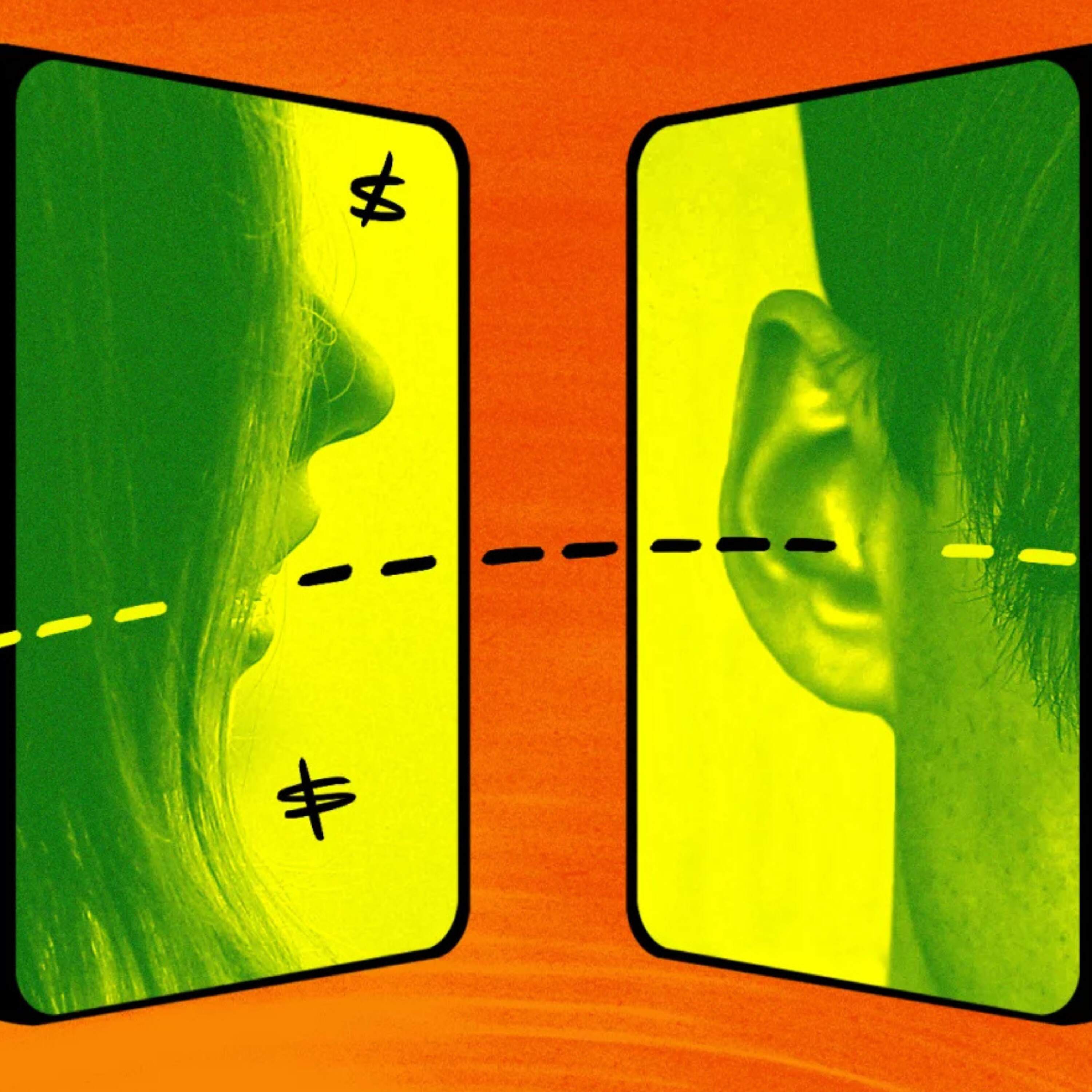
Who is a music industry plant? And does it matter?
Musicians from the Rolling Stones to up-and-coming pop star Bella Kay have one thing in common: <a href="https://www.npr.org/2026/07/13/nx-s1-5849926/influencers-paid-music-promotion"target="_blank" >Influencers are being paid to promote their songs</a>. <br/><br/>On today's show: Who is an industry plant and why does it matter? <br/><br/>Fact checking by Tyler Jones. <br/><br/><strong>Your Next Listen </strong><br>— <a href="https://lnk.to/1oGtIcWE"target="_blank" >Two Indicators: the influencer industry</a><br/><br/><strong>Connect with The Indicator </strong><br>— Sign up for <a href="https://npr.org/indicatornewsletter"target="_blank" >The Indicator’s weekly newsletter</a>! <br>— Buy the <a href="https://lnk.to/i3AukBdDWE"target="_blank" >Planet Money book</a> <br>— Find our <a href="https://linktr.ee/indicator_npr"target="_blank" >socials, YouTube and more</a>! <br>— For sponsor-free episodes, <a href="https://plus.npr.org/"target="_blank" >subscribe to NPR+</a><br> <br>Support public media with NPR+ and enjoy perks for over 25 podcasts like this one. This show’s perks include sponsor-free listening. Learn more at <a href="http://plus.npr.org/"target="_blank" >plus.npr.org</a>.<br/><br/>See <a href="https://pcm.adswizz.com">pcm.adswizz.com</a> for information about our collection and use of personal data for sponsorship and to manage your podcast sponsorship preferences.<br/><br/><a href="https://www.npr.org/about-npr/179878450/privacy-policy">NPR Privacy Policy</a>

Mamdani markets, America bets, Gen Z drinks
It’s Indicators of the Week! <br/><br/>On today’s episode: The inner workings of Mamdani’s marts; how much Americans gamble; and Gen-Z aren’t the sober generation we’ve been led to believe! <br/><br/>Fact checking by Corey Bridges. <br/><br/><strong>Your Next Listen </strong><br>— <a href="https://lnk.to/lvwibUWE"target="_blank" >Is gambling the reason we have pro sports?</a><br/><br/><strong>Connect with The Indicator </strong><br>— Sign up for <a href="https://npr.org/indicatornewsletter"target="_blank" >The Indicator’s brand new newsletter</a> <br>— Find our <a href="https://linktr.ee/indicator_npr"target="_blank" >socials, YouTube and more</a>! <br>— For sponsor-free episodes, <a href="https://plus.npr.org/"target="_blank" >subscribe to NPR+</a> <br/><br/>Fact checking by Corey Bridges<br/><br/>Support public media with NPR+ and enjoy perks for over 25 podcasts like this one. This show’s perks include sponsor-free listening. Learn more at <a href="http://plus.npr.org/"target="_blank" >plus.npr.org</a>.<br/><br/>See <a href="https://pcm.adswizz.com">pcm.adswizz.com</a> for information about our collection and use of personal data for sponsorship and to manage your podcast sponsorship preferences.<br/><br/><a href="https://www.npr.org/about-npr/179878450/privacy-policy">NPR Privacy Policy</a>

Trump’s new Truth Social plan: pay $100K
President Trump’s social media company, Truth Social, wants to sell investors early access to its posts. When Trump announces tariffs or new strikes on Iran, those milliseconds matter in the market. Is this corruption? Is this legal? And what does corruption mean for the U.S. economy? <br/><br/>Ray Fisman’s book with Miriam A. Golden is <a href="https://global.oup.com/academic/product/corruption-9780190463977?cc=us&lang=en&"target="_blank" ><em>Corruption: What Everyone Needs to Know</em></a>.<br/><br/>Fact checking by Tyler Jones. <br/><br/><strong>Your Next Listen </strong><br>— <a href="https://www.npr.org/2025/04/16/1245044457/did-trump-enable-insider-trading"target="_blank" >Did Trump enable insider trading?</a><br><strong>Connect with The Indicator </strong><br>— Sign up for <a href="https://npr.org/indicatornewsletter"target="_blank" >The Indicator’s weekly newsletter</a>!<br>— Buy the <a href="https://lnk.to/i3AukBdDWE"target="_blank" >Planet Money book</a><br>— Find our <a href="https://linktr.ee/indicator_npr"target="_blank" >socials, YouTube and more</a>!<br>— For sponsor-free episodes, <a href="https://plus.npr.org/"target="_blank" >subscribe to NPR+</a> <br><br/><br/>See <a href="https://pcm.adswizz.com">pcm.adswizz.com</a> for information about our collection and use of personal data for sponsorship and to manage your podcast sponsorship preferences.<br/><br/><a href="https://www.npr.org/about-npr/179878450/privacy-policy">NPR Privacy Policy</a>

Even Moore’s law can't save affordable tech
For decades, consumer tech like laptops and gaming systems got better AND cheaper. Memory shortages caused by the AI boom are making those lower prices a thing of the past. <br/><br/>Fact checking by <a href="https://www.npr.org/people/1268825622/sierra-juarez"target="_blank" >Sierra Juarez</a>.<br/><br/><strong>Your Next Listen </strong><br>— <a href="http://lnk.to/sJWUvE"target="_blank" >SK Hynix to the moon, Gen-Z to their rooms, and Connecticut tax reform looms<br></a><br><strong>Connect with The Indicator </strong><br>— Sign up for <a href="https://npr.org/indicatornewsletter"target="_blank" >The Indicator’s weekly newsletter</a>!<br>— Buy the <a href="https://lnk.to/i3AukBdDWE"target="_blank" >Planet Money book</a><br>— Find our <a href="https://linktr.ee/indicator_npr"target="_blank" >socials, YouTube and more</a>!<br>— For sponsor-free episodes, <a href="https://plus.npr.org/"target="_blank" >subscribe to NPR+</a> <br><br/><br/>See <a href="https://pcm.adswizz.com">pcm.adswizz.com</a> for information about our collection and use of personal data for sponsorship and to manage your podcast sponsorship preferences.<br/><br/><a href="https://www.npr.org/about-npr/179878450/privacy-policy">NPR Privacy Policy</a>

You had housing questions. An economist answered them.
The U.S. housing market is pretty weird right now. Whether you’re a buyer, seller or a renter, it leads to all kinds of questions, like: How did we end up with a housing shortage? Is housing still a good investment? What policies might unlock the housing inventory held by baby boomers? So we called up someone with answers: Redfin’s chief economist, Daryl Fairweather. <br/><br/>On today’s show, your housing questions, answered. This is an excerpt of a live virtual event we held last week for our NPR+ and other qualifying supporters. <br/><br/><em>To hear the entire event, make sure you’re signed up for NPR+. We’ll be publishing it as a bonus episode in the Planet Money feed next week!</em> <br/><br/>Fact checking by Vito Emanuel.<br/><br/><strong>Your Next Listen </strong><br>— <a href="https://www.npr.org/2026/07/21/nx-s1-5900993/two-cities-two-chip-plants-one-affordability-crisis"target="_blank" >Two Cities. Two chip plants. One affordability crisis.</a><br/><br/><strong>Connect with The Indicator </strong><br>— Sign up for <a href="https://npr.org/indicatornewsletter"target="_blank" >The Indicator’s brand new newsletter</a> <br>— Find our <a href="https://linktr.ee/indicator_npr"target="_blank" >socials, YouTube and more</a>! <br>— For sponsor-free episodes, <a href="https://plus.npr.org/"target="_blank" >subscribe to NPR+</a> <br><br/><br/>See <a href="https://pcm.adswizz.com">pcm.adswizz.com</a> for information about our collection and use of personal data for sponsorship and to manage your podcast sponsorship preferences.<br/><br/><a href="https://www.npr.org/about-npr/179878450/privacy-policy">NPR Privacy Policy</a>
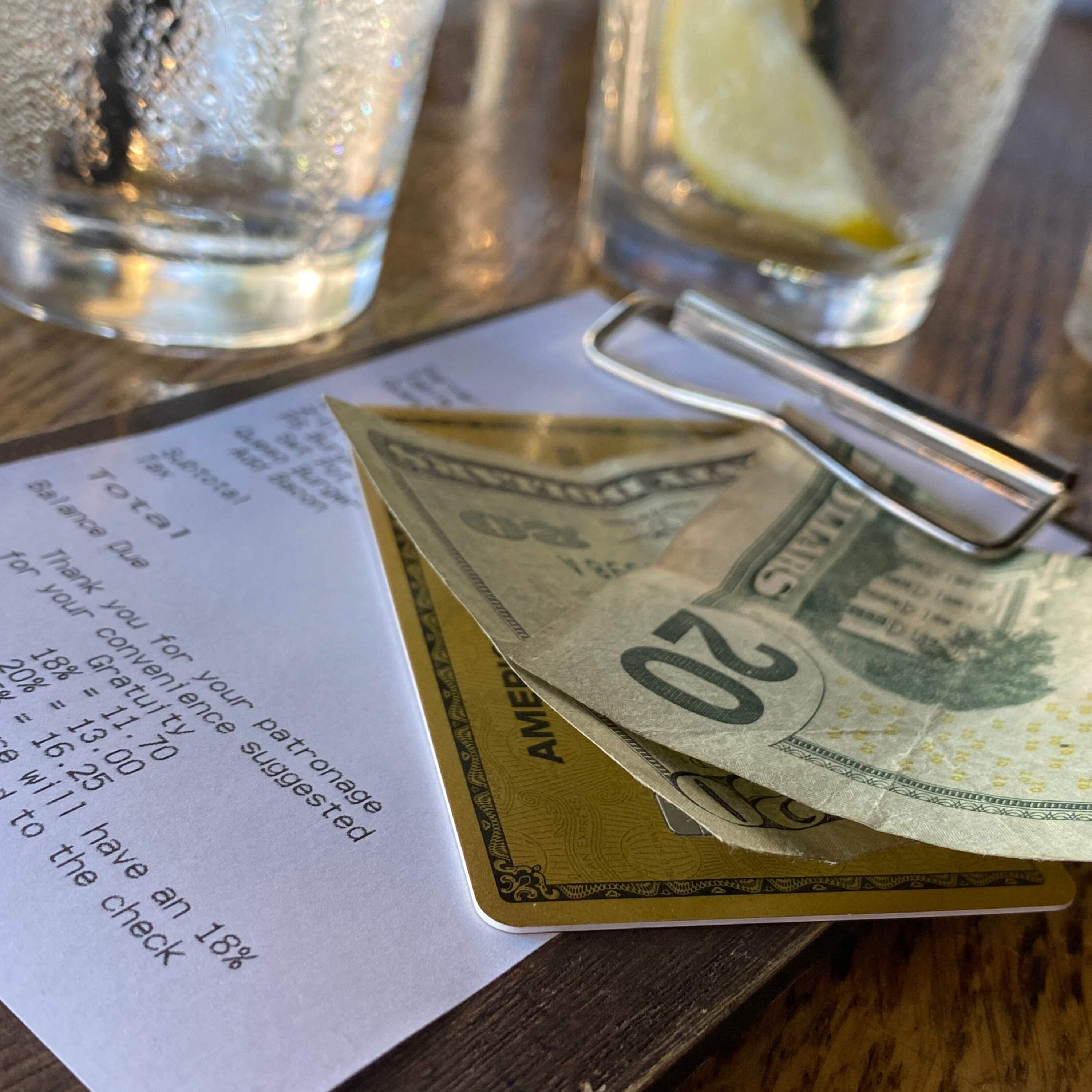
Petty! Econ! Grievances!
We have some grievances. Economic ones. And we’re airing them out. <br/><br/>On today’s show: Redeeming fast food rewards points in airports, not knowing the full price of your meal upfront, and the pen-and-paper restaurant bill slowdown. <br/><br/>Fact checking by <a href="https://www.npr.org/people/1268825622/sierra-juarez"target="_blank" >Sierra Juarez</a>. <br/><br/><strong>Your Next Listen </strong><br/><br/>— <a href="https://www.npr.org/2026/07/24/nx-s1-5905782/three-beefs-u-s-and-brazil-taco-bell-and-liability-waymo-and-trial-lawyers"target="_blank" >Three beefs: U.S. and Brazil, Taco Bell and liability, Waymo and trial lawyers<br></a><br><strong>Connect with The Indicator </strong><br>— Sign up for <a href="https://npr.org/indicatornewsletter"target="_blank" >The Indicator’s brand new newsletter</a> <br>— Find our <a href="https://linktr.ee/indicator_npr"target="_blank" >socials, YouTube and more</a>! <br>— For sponsor-free episodes, <a href="https://plus.npr.org/"target="_blank" >subscribe to NPR+</a> <br><br/><br/>See <a href="https://pcm.adswizz.com">pcm.adswizz.com</a> for information about our collection and use of personal data for sponsorship and to manage your podcast sponsorship preferences.<br/><br/><a href="https://www.npr.org/about-npr/179878450/privacy-policy">NPR Privacy Policy</a>
Three beefs: U.S. and Brazil, Taco Bell and liability, Waymo and trial lawyers
It’s Indicators of the Week! <br/><br/>Today on the show: Brazil’s fast payments system that’s got the Trump administration huffy, why Taco Bell might be liable for their role in cyclospora infections and why some lawyers are lobbying against driverless cars. <br/><br/>Fact checking by Emma Ferrara and Corey Bridges. <br/><br/><strong>Your Next Listen </strong><br>— <a href="http://lnk.to/lL9Tc0"target="_blank" >Can I get my tariff money back now?</a> <br/><br/><strong>Connect with The Indicator </strong><br>— Sign up for <a href="https://npr.org/indicatornewsletter"target="_blank" >The Indicator’s brand new newsletter</a> <br>— Find our <a href="https://linktr.ee/indicator_npr"target="_blank" >socials, YouTube and more</a>! <br>— For sponsor-free episodes, <a href="https://plus.npr.org/"target="_blank" >subscribe to NPR+</a> <br><br/><br/>See <a href="https://pcm.adswizz.com">pcm.adswizz.com</a> for information about our collection and use of personal data for sponsorship and to manage your podcast sponsorship preferences.<br/><br/><a href="https://www.npr.org/about-npr/179878450/privacy-policy">NPR Privacy Policy</a>

Can Paramount "gift" its way past the FCC?
Paramount’s $111 billion merger with Warner Bros. Discovery has a few hurdles ahead of it. One of them is an FCC approval. But a recent investigation shows that Paramount and the FCC have a dubious relationship, one with potential conflicts of interest.<br/><br/>Fact checking by <a href="https://www.npr.org/people/1268825622/sierra-juarez"target="_blank" >Sierra Juarez</a>.<br/><br/><strong>Your Next Listen </strong><br>— <a href="http://lnk.to/Iot95V"target="_blank" >Why Paramount went looney tunes for Warner Bros.</a><br/><br/><strong>Connect with The Indicator </strong><br>— Sign up for <a href="https://npr.org/indicatornewsletter"target="_blank" >The Indicator’s weekly newsletter</a>!<br>— Buy the <a href="https://lnk.to/i3AukBdDWE"target="_blank" >Planet Money book</a><br>— Find our <a href="https://linktr.ee/indicator_npr"target="_blank" >socials, YouTube and more</a>!<br>— For sponsor-free episodes, <a href="https://plus.npr.org/"target="_blank" >subscribe to NPR+</a> <br/><br/>See <a href="https://pcm.adswizz.com">pcm.adswizz.com</a> for information about our collection and use of personal data for sponsorship and to manage your podcast sponsorship preferences.<br/><br/><a href="https://www.npr.org/about-npr/179878450/privacy-policy">NPR Privacy Policy</a>
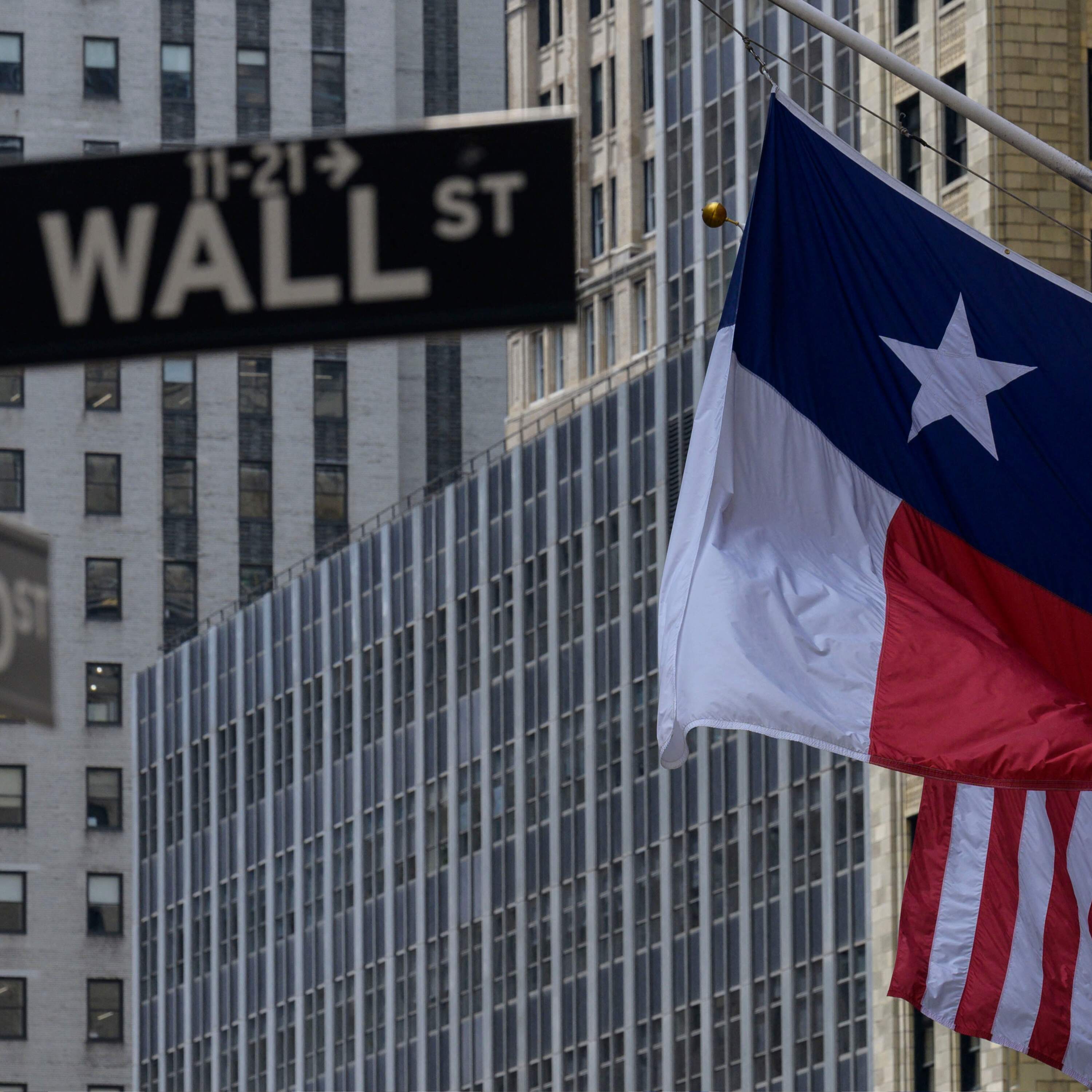
Can Y’all Street outflank Wall Street?
Biz-friendly Texas is opening a stock exchange, built and based in the state. Can it become—or best—Wall Street? And how has politics influenced the birth of Y’all Street?<br/><br/>Fact checking by <a href="https://www.npr.org/people/1268825622/sierra-juarez"target="_blank" >Sierra Juarez</a>.<br/><br/><strong>Your Next Listen </strong><br>— <a href="https://lnk.to/rqApcEWE"target="_blank" >ESG bans cost Texas</a><br/><br/><strong>Connect with The Indicator </strong><br>— Sign up for <a href="https://npr.org/indicatornewsletter"target="_blank" >The Indicator’s weekly newsletter</a>!<br>— Buy the <a href="https://lnk.to/i3AukBdDWE"target="_blank" >Planet Money book</a><br>— Find our <a href="https://linktr.ee/indicator_npr"target="_blank" >socials, YouTube and more</a>!<br>— For sponsor-free episodes, <a href="https://plus.npr.org/"target="_blank" >subscribe to NPR+</a> <br><br/><br/>See <a href="https://pcm.adswizz.com">pcm.adswizz.com</a> for information about our collection and use of personal data for sponsorship and to manage your podcast sponsorship preferences.<br/><br/><a href="https://www.npr.org/about-npr/179878450/privacy-policy">NPR Privacy Policy</a>

Tale of Two Cities
The formerly sleepy economies of suburban Austin, Texas and Syracuse, NY are getting two new semiconductor chip plants. They’re bringing thousands of jobs and dollars to the area but while Austin’s housing market seems to be handling the change well, Syracuse is in the midst of an affordability crisis. On today’s show, why?<br/><br/>Fact checking by <a href="https://www.npr.org/people/1268825622/sierra-juarez"target="_blank" >Sierra Juarez</a>. <br/><br/><strong>Your Next Listen </strong><br>— <a href="http://lnk.to/wVPNqR"target="_blank" >A solution to the housing shortage?</a><br/><br/><strong>Connect with The Indicator </strong><br>— Sign up for <a href="https://npr.org/indicatornewsletter"target="_blank" >The Indicator’s brand new newsletter</a> <br>— Find our <a href="https://linktr.ee/indicator_npr"target="_blank" >socials, YouTube and more</a>! <br>— For sponsor-free episodes, <a href="https://plus.npr.org/"target="_blank" >subscribe to NPR+</a><br/><br/>See <a href="https://pcm.adswizz.com">pcm.adswizz.com</a> for information about our collection and use of personal data for sponsorship and to manage your podcast sponsorship preferences.<br/><br/><a href="https://www.npr.org/about-npr/179878450/privacy-policy">NPR Privacy Policy</a>

Why doesn't the US have better sunscreen?
Why has the Food and Drug Administration taken so long to approve new sunscreens? Unlike the rest of the world, the FDA only just approved its first new ingredient in nearly three decades. We learn about a proposal to speed up drug and sunscreen innovation, and a skincare influencer who lobbied for change. <br/><br/>Fact checking by <a href="https://www.npr.org/people/1268825622/sierra-juarez"target="_blank" >Sierra Juarez</a>. <br/><br/><strong>Your Next Listen </strong><br>— <a href="http://lnk.to/CjZZHm"target="_blank" >The sneaky way companies get new chemicals into our food</a><br/><br/><strong>Connect with The Indicator</strong><br>— Sign up for <a href="https://npr.org/indicatornewsletter"target="_blank" >The Indicator’s weekly newsletter</a>! <br>— Buy the <a href="https://lnk.to/i3AukBdDWE"target="_blank" >Planet Money book</a> <br>— Find our <a href="https://linktr.ee/indicator_npr"target="_blank" >socials, YouTube and more</a>! <br>— For sponsor-free episodes, <a href="https://plus.npr.org/"target="_blank" >subscribe to NPR+</a> <br><br/><br/>See <a href="https://pcm.adswizz.com">pcm.adswizz.com</a> for information about our collection and use of personal data for sponsorship and to manage your podcast sponsorship preferences.<br/><br/><a href="https://www.npr.org/about-npr/179878450/privacy-policy">NPR Privacy Policy</a>
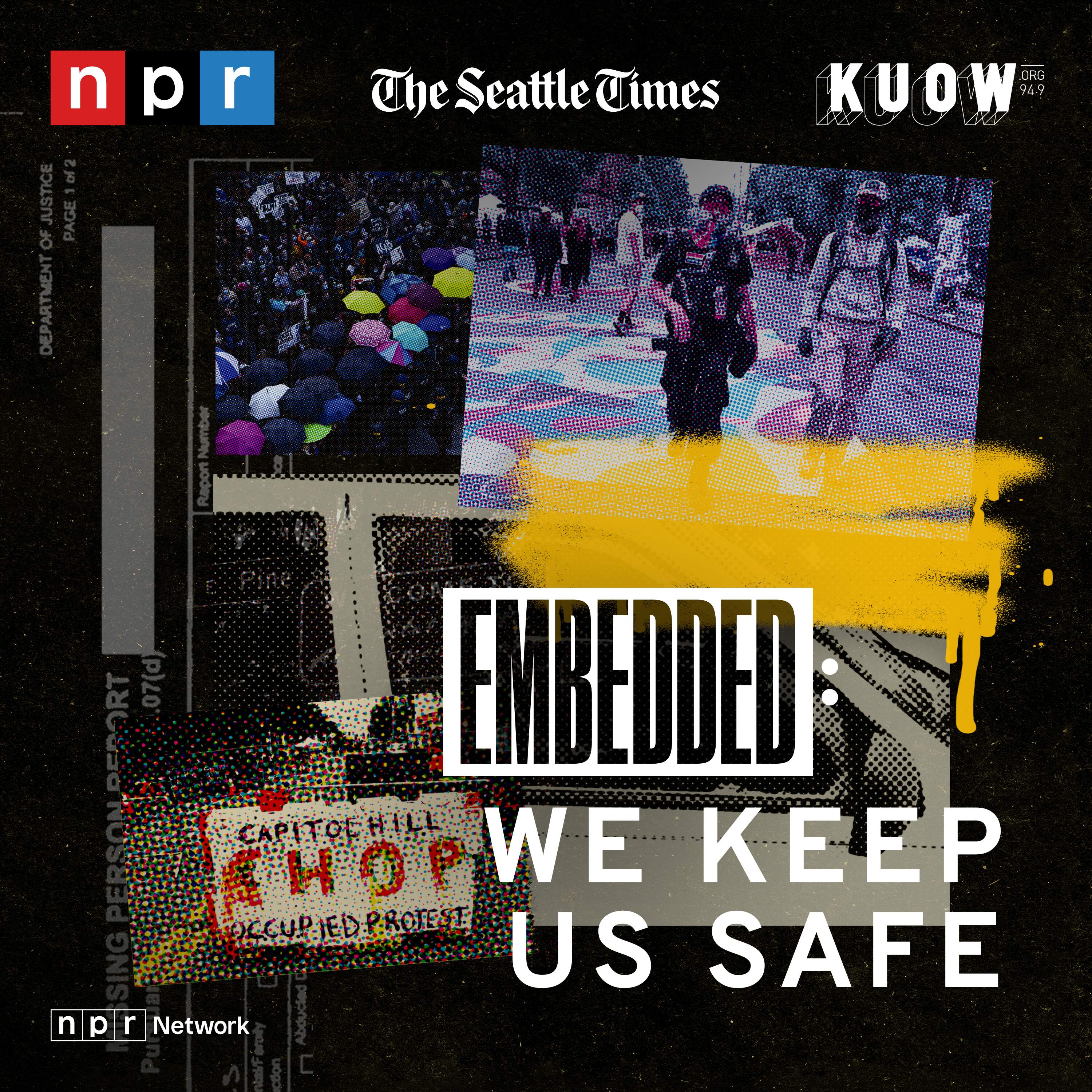
New NPR Series: "We Keep Us Safe" from the Embedded podcast
In the summer of 2020, sixteen-year-old Antonio Mays Jr. traveled a thousand miles to join the racial justice movement of his generation in the wake of George Floyd's killing. Antonio arrived in Seattle during the Capitol Hill Occupied Protest, known as CHOP. Less than a week later, he was shot and killed there. The case remains unsolved.<br/><br/>In this eight-part series, hosts Sydney Brownstone of <em>The Seattle Times</em> and Will James of KUOW team up with NPR's <em>Embedded</em> to investigate Antonio's death. They track down key eyewitnesses and surface crucial evidence that's never been made public.<br/><br/>Find "We Keep Us Safe" in the Embedded podcast feed.<br/><br/><em>Listen to Embedded wherever you get your podcasts, including the </em><a href="https://www.npr.org/podcasts/510311/embedded"target="_blank" ><em>NPR App</em></a><em>, </em><a href="https://podcasts.apple.com/podcast/id1091709555?mt=2&at=11l79Y&ct=nprdirectory"target="_blank" ><em>Apple Podcasts</em></a><em>, </em><a href="https://pca.st/embd"target="_blank" ><em>Pocket Casts</em></a><em>, </em><a href="https://open.spotify.com/show/4uGM0HtHF1DPR4LHNlfvwm"target="_blank" ><em>Spotify</em></a><em>, and via </em><a href="https://feeds.npr.org/510311/podcast.xml"target="_blank" ><em>RSS</em></a><em>.</em><br><br/><br/>See <a href="https://pcm.adswizz.com">pcm.adswizz.com</a> for information about our collection and use of personal data for sponsorship and to manage your podcast sponsorship preferences.<br/><br/><a href="https://www.npr.org/about-npr/179878450/privacy-policy">NPR Privacy Policy</a>

The Strait of Hormuz no-fee, China cuts down on pollution and IMAX's economic Odyssey
It’s Indicators of the Week (now on <a href="https://www.youtube.com/@planetmoney"target="_blank" >YouTube</a>!). <br/><br/>On today’s episode: What happened to Trump’s proposed Strait of Hormuz fee?; <a href="https://energyandcleanair.org/china-h1-2026-air-quality-review/"target="_blank" >China’s pollution takes a dip</a> … and maybe solves a mystery?; IMAX is expensive. But BIG. (For our eyes and theater owners.) <br/><br/>Fact checking by Julia Ritchey and Cooper Katz McKim. <br/><br/><br><strong>Your Next Listen </strong><br>—<a href="https://lnk.to/DhXF7fWE"target="_blank" >The curious rise of novelty popcorn buckets</a><br/><br/><strong>Connect with The Indicator </strong><br>— Sign up for <a href="https://npr.org/indicatornewsletter"target="_blank" >The Indicator’s brand new newsletter</a> <br>— Find our <a href="https://linktr.ee/indicator_npr"target="_blank" >socials, YouTube and more</a>! <br>— For sponsor-free episodes, <a href="https://plus.npr.org/"target="_blank" >subscribe to NPR+</a> <br/><br/>See <a href="https://pcm.adswizz.com">pcm.adswizz.com</a> for information about our collection and use of personal data for sponsorship and to manage your podcast sponsorship preferences.<br/><br/><a href="https://www.npr.org/about-npr/179878450/privacy-policy">NPR Privacy Policy</a>

Why the Pope wants to disarm AI
Over 100 years ago, Pope Leo XIII wrote a seminal letter encouraging workers to unionize in the face of industrialization. The current Pope Leo XIV in his seminal letter warned of an economic disruption from today that threatens workers - Artificial Intelligence.<br/><br/>Fact checking by <a href="https://www.npr.org/people/1268825622/sierra-juarez"target="_blank" >Sierra Juarez</a>.<br/><br/><strong>Your Next Listen </strong><br>— <a href="about:blank"target="_blank" >Jobs numbers, immigrants in healthcare, and ... Jesus Christ?<br></a><br><strong>Connect with The Indicator </strong><br>— Sign up for <a href="https://npr.org/indicatornewsletter"target="_blank" >The Indicator’s weekly newsletter</a>!<br>— Buy the <a href="https://lnk.to/i3AukBdDWE"target="_blank" >Planet Money book</a><br>— Find our <a href="https://linktr.ee/indicator_npr"target="_blank" >socials, YouTube and more</a>!<br>— For sponsor-free episodes, <a href="https://plus.npr.org/"target="_blank" >subscribe to NPR+</a> <br><br/><br/>See <a href="https://pcm.adswizz.com">pcm.adswizz.com</a> for information about our collection and use of personal data for sponsorship and to manage your podcast sponsorship preferences.<br/><br/><a href="https://www.npr.org/about-npr/179878450/privacy-policy">NPR Privacy Policy</a>

Why your neighbor might be paying less for their car
Many Gulf states like the United Arab Emirates are diversifying away from oil, but how do you actually measure that? After China resumed buying American soybeans, what are farmers doing now? And is your neighbor paying less for their car than you? Today on the show, we explore YOUR listener questions. <br/><br/>Fact checking by <a href="https://www.npr.org/people/1268825622/sierra-juarez"target="_blank" >Sierra Juarez</a> & Emma Ferrara. <br/><br/><strong>Your Next Listen </strong><br>— <a href="https://www.npr.org/2025/05/06/1249331174/farmers-soybean-trump-china-tariffs"target="_blank" >What do farmers do in a trade war?</a> <br/><br/><strong>Connect with The Indicator </strong><br>— Sign up for <a href="https://npr.org/indicatornewsletter"target="_blank" >The Indicator’s brand new newsletter</a><br>— Buy the <a href="https://lnk.to/i3AukBdDWE"target="_blank" >Planet Money book</a><br>— Find our <a href="https://linktr.ee/indicator_npr"target="_blank" >socials, YouTube and more</a>!<br>— For sponsor-free episodes, <a href="https://plus.npr.org/"target="_blank" >subscribe to NPR+</a> <br><br/><br/>See <a href="https://pcm.adswizz.com">pcm.adswizz.com</a> for information about our collection and use of personal data for sponsorship and to manage your podcast sponsorship preferences.<br/><br/><a href="https://www.npr.org/about-npr/179878450/privacy-policy">NPR Privacy Policy</a>
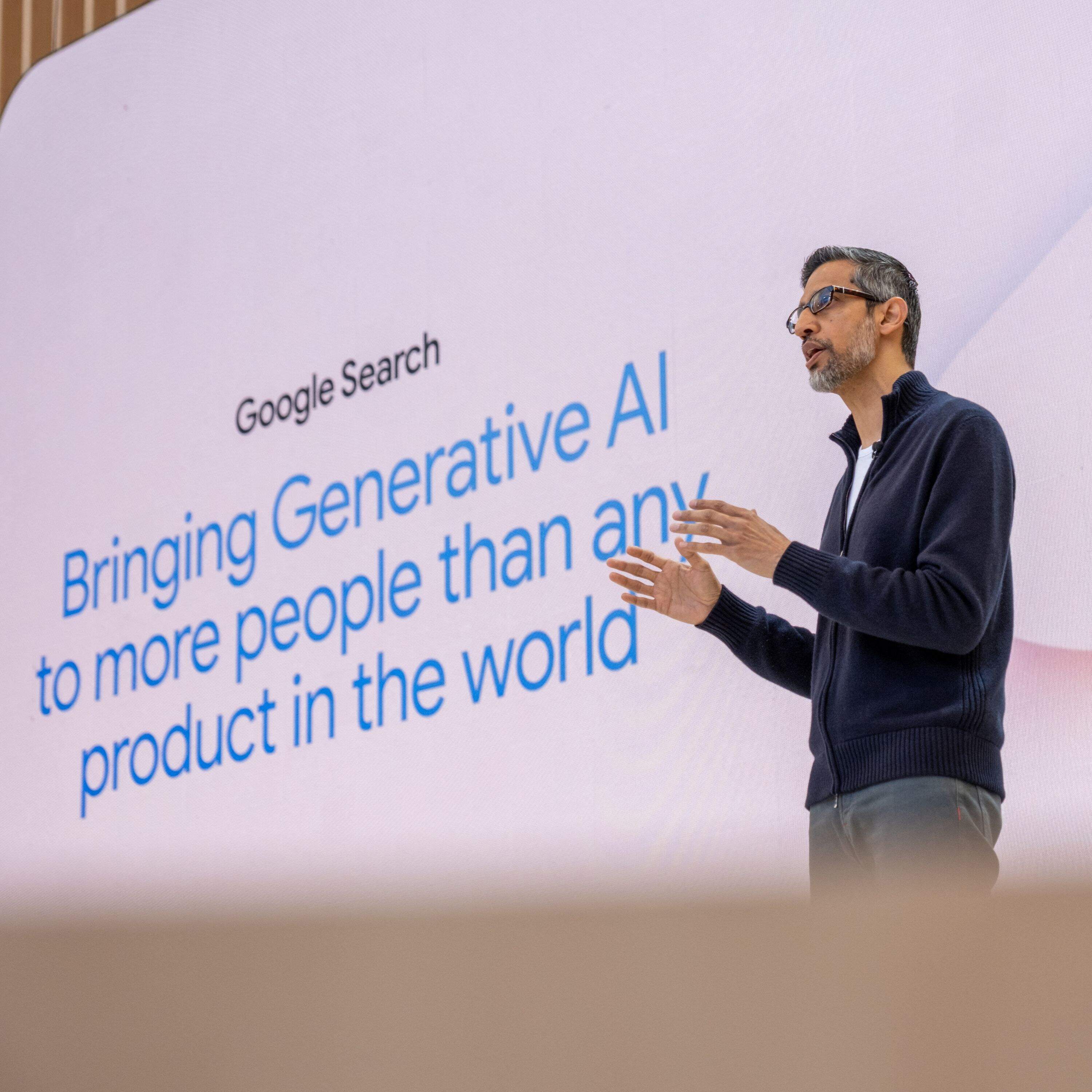
Can the internet survive AI summaries?
AI summaries are gaining traction and making the potential for a “zero click web” increasingly real. What does that mean for the internet as we know it today? <br/><br/>Fact checking by <a href="https://www.npr.org/people/1268825622/sierra-juarez"target="_blank" >Sierra Juarez</a>.<br/><br/><strong>Your Next Listen </strong><br>— <a href="http://lnk.to/lw4QzF"target="_blank" >AI is pumping out books. Are they any good?</a><br/><br/><strong>Connect with The Indicator </strong><br>— Sign up for <a href="https://npr.org/indicatornewsletter"target="_blank" >The Indicator’s brand new newsletter</a><br>— Buy the <a href="https://lnk.to/i3AukBdDWE"target="_blank" >Planet Money book</a><br>— Find our <a href="https://linktr.ee/indicator_npr"target="_blank" >socials, YouTube and more</a>!<br>— For sponsor-free episodes, <a href="https://plus.npr.org/"target="_blank" >subscribe to NPR+</a> <br><br/><br/>See <a href="https://pcm.adswizz.com">pcm.adswizz.com</a> for information about our collection and use of personal data for sponsorship and to manage your podcast sponsorship preferences.<br/><br/><a href="https://www.npr.org/about-npr/179878450/privacy-policy">NPR Privacy Policy</a>
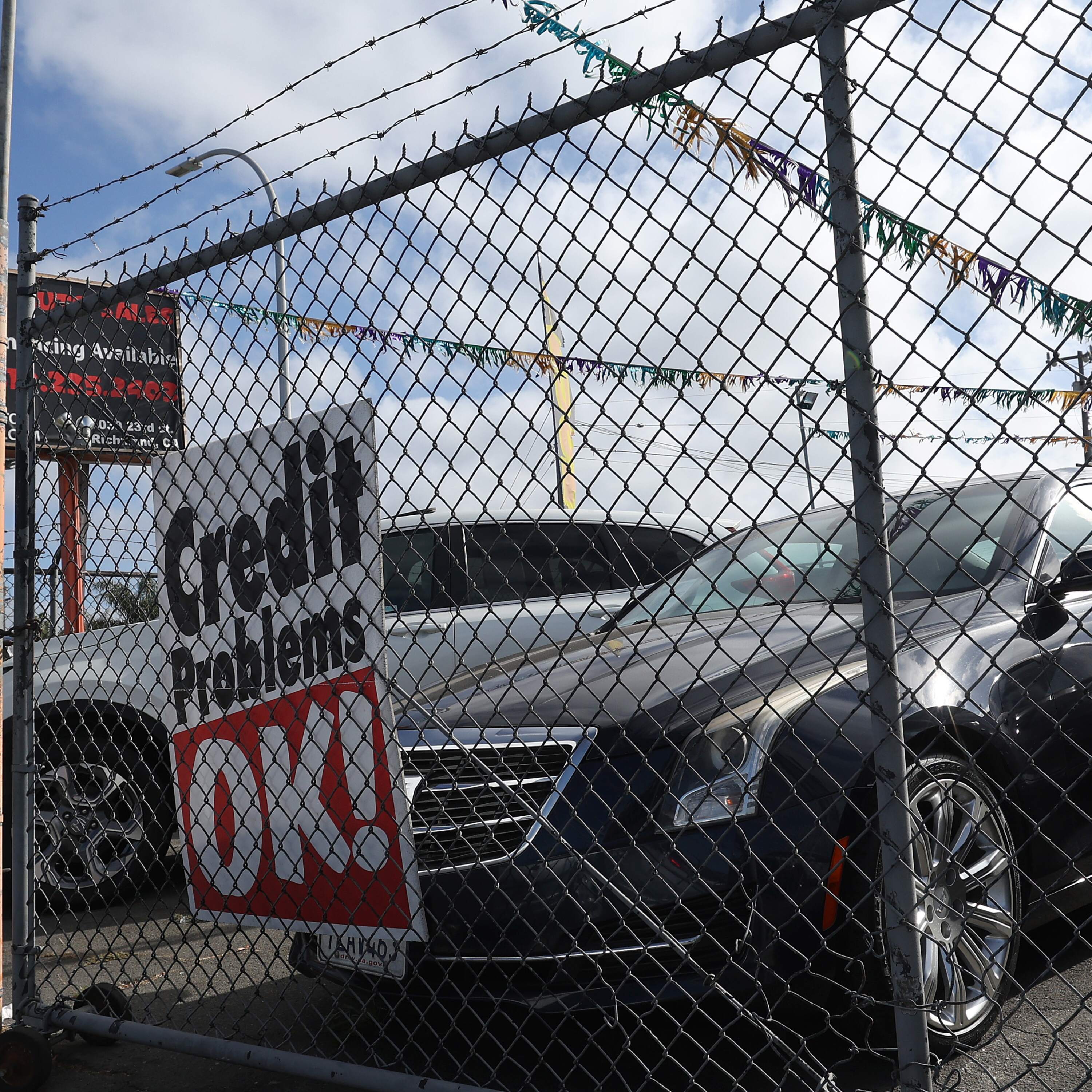
Young people aren’t paying their car loans. We can help.
About one in 20 car loans made to young people are in serious delinquency. That’s the highest rate since the global financial crisis. Today on the show, former FDIC chair Sheila Bair answers young listeners' car buying questions. <br/><br/>Sheila Bair’s book is <a href="https://bookshop.org/p/books/how-not-to-lose-a-million-dollars-sheila-bair/7dd0705caf3afd1d?ean=9780807533512"target="_blank" >How Not to Lose a Million Dollars: A Young Person's Guide to Avoiding the Tricks and Traps of Our Financial System</a> <br/><br/>Fact checking by <a href="https://www.npr.org/people/1268825622/sierra-juarez"target="_blank" >Sierra Juarez</a>. <br/><br/><strong>Your Next Listen </strong><br>— <a href="http://lnk.to/p9uEtP"target="_blank" >Why this former banking regulator is writing kids books</a> <br/><br/><strong>Connect with The Indicator </strong><br>— Sign up for <a href="https://npr.org/indicatornewsletter"target="_blank" >The Indicator’s brand new newsletter</a> <br>— Find our <a href="https://linktr.ee/indicator_npr"target="_blank" >socials, YouTube and more</a>! <br>— For sponsor-free episodes, <a href="https://plus.npr.org/"target="_blank" >subscribe to NPR+</a> <br><br/><br/>See <a href="https://pcm.adswizz.com">pcm.adswizz.com</a> for information about our collection and use of personal data for sponsorship and to manage your podcast sponsorship preferences.<br/><br/><a href="https://www.npr.org/about-npr/179878450/privacy-policy">NPR Privacy Policy</a>