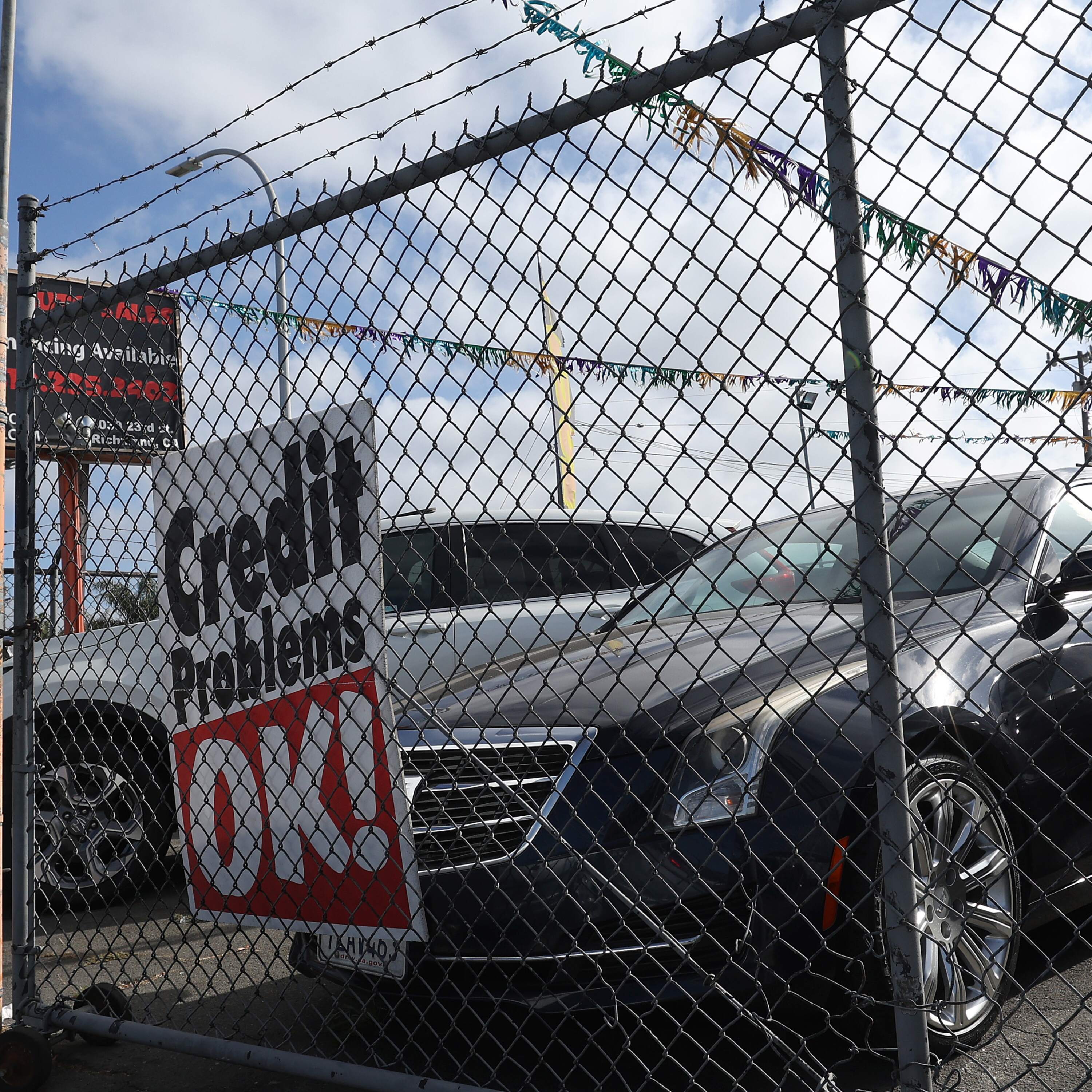
Overview of The Indicator from Planet Money: “Young people aren’t paying their car loans. We can help.”
This episode turns a financial advice segment into a playful “Car Talk” style call-in show, featuring former FDIC chair Sheila Bair giving practical guidance to young adults about car buying. The core message: cars are expensive, young buyers are taking on too much debt, and the smartest move is often to delay buying, buy used, and avoid unnecessary financing.
Main Takeaways
The car-loan problem among young people
- Sheila Bair notes that about 1 in 20 car loans to young people are in serious delinquency.
- That’s a red flag reminiscent of the global financial crisis-era stress she saw at the FDIC.
- Her broader concern: many young adults are entering major purchases without enough financial knowledge or planning.
Sheila Bair’s overall advice
- Don’t rush into buying a car if you don’t yet know your job situation or commute.
- Cars are much more expensive than just the sticker price:
- Monthly payment
- Insurance
- Taxes
- Gas
- Maintenance
- Parking
- If possible, keep biking or use transit as long as it works for your lifestyle and budget.
Caller 1: Alex, 21, considering whether he needs a car at all
Situation
- Alex bikes everywhere and is finishing college.
- He worries a car would be too expensive and might force him to change his current lifestyle.
Sheila’s advice
- She strongly validates his skepticism.
- Estimated costs for a young driver can easily reach $600–$700/month just for the car payment, plus insurance and other costs.
- Her recommendation:
- Wait until employment and commuting needs are clear
- Continue biking if it’s working
- Consider whether car ownership is truly necessary
Bottom line for Alex
- Bair encourages him to delay the purchase and avoid paying for a car before he actually needs one.
Caller 2: Kevin, 23, weighing a new SUV vs. a used car
Situation
- Kevin works at a major accounting firm and currently shares a car with family.
- He wants a midsize SUV, like a Toyota Highlander or RAV4.
- He has $20,000 for a down payment, but would need to borrow or lease the rest.
- His parents prefer a new car, partly for status reasons.
Sheila’s advice
- She runs the numbers and warns that a $50,000 new car could cost around $1,000/month all-in when financing and ownership costs are included.
- She strongly recommends buying used instead of new.
Key financial argument
- A used SUV could likely be bought for around $20,000 cash, avoiding a loan entirely.
- If Kevin instead financed the extra money and invested the difference, Sheila estimates that the savings could grow to $738,633 over 40 years.
- Her other major point: new cars depreciate quickly, while used cars retain value better.
Bottom line for Kevin
- The smarter choice is to push for a used car, even if his parents prefer new.
- Because he has the cash available, he may be able to make a strong case that a used vehicle is the more responsible financial move.
Practical Lessons From the Episode
What young buyers should think about
- Do I actually need a car right now?
- Have I accounted for the full cost of ownership?
- Is my job and commute stable enough to justify a purchase?
- Could I buy used instead of new?
- Would paying cash avoid expensive debt?
Most important recommendation
- Avoid borrowing for a car unless you truly need to.
- If you can buy a reliable used car with cash, that’s often the safest and cheapest option.
Notable Insight
“There’s nothing that will make a household more miserable than debt problems.”
That sentiment captures the episode’s broader warning: car debt can look manageable on paper, but for young adults, it often becomes an unnecessary financial burden that crowds out future goals like saving and investing.