The Indicator from Planet Money

by NPR
A bite-sized show about big ideas. From the people who make Planet Money, The Indicator helps you make sense of what's happening in today's economy. It's a quick hit of insight into money, work, and business. Monday through Friday, in 10 minutes or less. Sign up for our newsletter. Support public media by joining NPR+ at plus.npr.org. You’ll get perks for over 25 NPR podcasts, including bonus episodes for Planet Money and sponsor-free listening for The Indicator.
Episodes
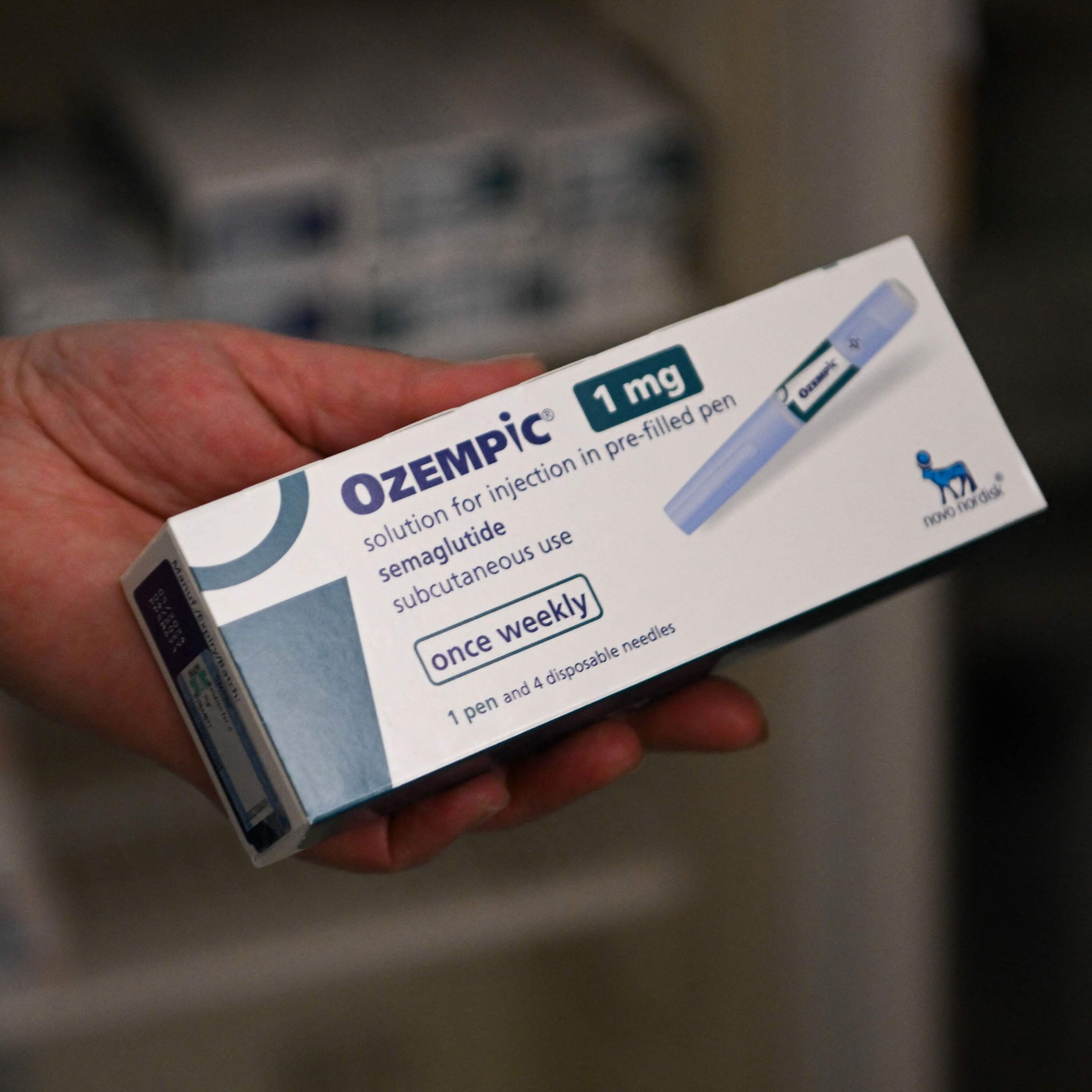
Unaffordability index: Rent, GLP-1s, Obamacare
This week’s indicators: Rent is squeezing middle-income earners, the Trump admin is squeezing ACA enrollees, and GLP-1s are squeezing employers.<br/><br/>Fact checking by Julia Ritchey.<br/><br/><strong>Your Next Listen </strong><br>—<a href="https://lnk.to/wttruAWE"target="_blank" >Why GLP-1s aren't lowering employers' costs</a><br/><br/><strong>Connect with The Indicator </strong><br>— Sign up for <a href="https://npr.org/indicatornewsletter"target="_blank" >The Indicator’s weekly newsletter</a>! <br>— Buy the <a href="https://lnk.to/i3AukBdDWE"target="_blank" >Planet Money book</a> <br>— Find our <a href="https://linktr.ee/indicator_npr"target="_blank" >socials, YouTube ad more</a>! <br>— For sponsor-free episodes, <a href="https://plus.npr.org/"target="_blank" >subscribe to NPR+</a> <br/><br/>Support public media with NPR+ and enjoy perks for over 25 podcasts like this one. This show’s perks include sponsor-free listening. Learn more at <a href="http://plus.npr.org/"target="_blank" >plus.npr.org</a>.<br/><br/>See <a href="https://pcm.adswizz.com">pcm.adswizz.com</a> for information about our collection and use of personal data for sponsorship and to manage your podcast sponsorship preferences.<br/><br/><a href="https://www.npr.org/about-npr/179878450/privacy-policy">NPR Privacy Policy</a>
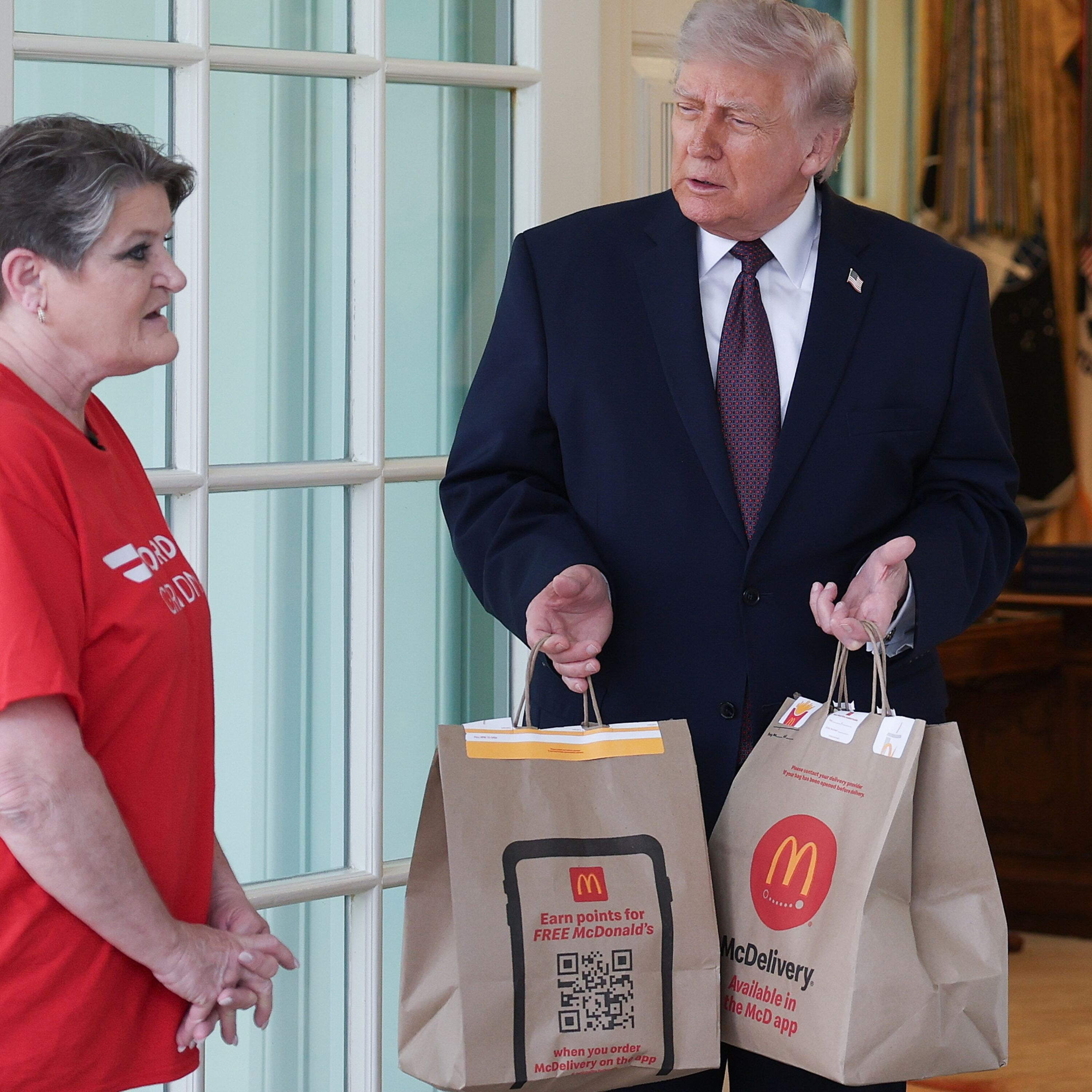
What Doordash, Dell and Palantir all have in common
President Trump and his money managers made more stock trades since his second term started than <a href="https://www.bloomberg.com/graphics/2026-trump-stock-trades-congress/"target="_blank" >all members of Congress combined</a>. The White House says there is no conflict of interest. Today on the show, we look at three companies he’s traded in that raise ethical flags because of their relationship with the federal government. <br/><br/>Fact checking by <a href="https://www.npr.org/people/1268825622/sierra-juarez"target="_blank" >Sierra Juarez</a>.<br/><br/><strong>Your Next Listen </strong><br>— <a href="https://lnk.to/NWu0suWE"target="_blank" >Did Trump enable insider trading?</a><br/><br/><strong>Connect with The Indicator </strong><br>— Sign up for <a href="https://npr.org/indicatornewsletter"target="_blank" >The Indicator’s weekly newsletter</a>! <br>— Buy the <a href="https://lnk.to/i3AukBdDWE"target="_blank" >Planet Money book</a> <br>— Find our <a href="https://linktr.ee/indicator_npr"target="_blank" >socials, YouTube and more</a>! <br>— For sponsor-free episodes, <a href="https://plus.npr.org/"target="_blank" >subscribe to NPR+</a> <br/><br/>Support public media with NPR+ and enjoy perks for over 25 podcasts like this one. This show’s perks include sponsor-free listening. Learn more at <a href="http://plus.npr.org"target="_blank" >plus.npr.org</a>. <br/><br/>See <a href="https://pcm.adswizz.com">pcm.adswizz.com</a> for information about our collection and use of personal data for sponsorship and to manage your podcast sponsorship preferences.<br/><br/><a href="https://www.npr.org/about-npr/179878450/privacy-policy">NPR Privacy Policy</a>
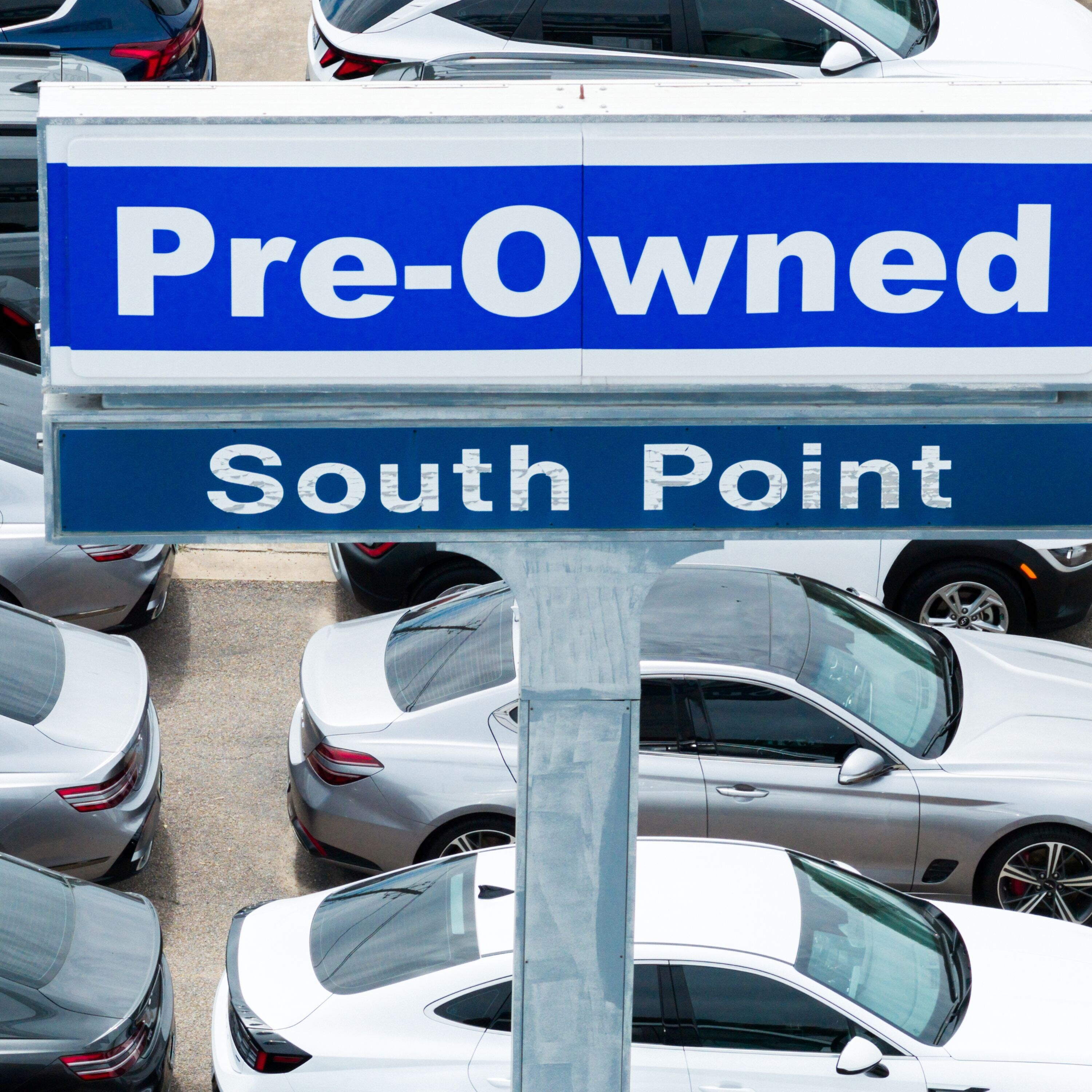
Why are used cars priced like new cars?
The used car market is out of control and there doesn’t seem to be an easy fix for high prices. Today, three reasons why finding an affordable car is so difficult.<br/><br/>Fact checking by <a href="https://www.npr.org/people/1268825622/sierra-juarez"target="_blank" >Sierra Juarez</a>.<br/><br/><strong>Your Next Listen </strong><br>— <a href="http://lnk.to/SD2wwQ"target="_blank" >Prepping for a rainy day and higher used car prices</a><br/><br/><strong>Connect with The Indicator </strong><br>— Sign up for <a href="https://npr.org/indicatornewsletter"target="_blank" >The Indicator’s weekly newsletter</a>! <br>— Buy the <a href="https://lnk.to/i3AukBdDWE"target="_blank" >Planet Money book</a> <br>— Find our <a href="https://linktr.ee/indicator_npr"target="_blank" >socials, YouTube and more</a>! <br>— For sponsor-free episodes, <a href="https://plus.npr.org/"target="_blank" >subscribe to NPR+</a> <br/><br/>Support public media with NPR+ and enjoy perks for over 25 podcasts like this one. This show’s perks include sponsor-free listening. Learn more at <a href="http://plus.npr.org"target="_blank" >plus.npr.org</a>. <br/><br/>See <a href="https://pcm.adswizz.com">pcm.adswizz.com</a> for information about our collection and use of personal data for sponsorship and to manage your podcast sponsorship preferences.<br/><br/><a href="https://www.npr.org/about-npr/179878450/privacy-policy">NPR Privacy Policy</a>
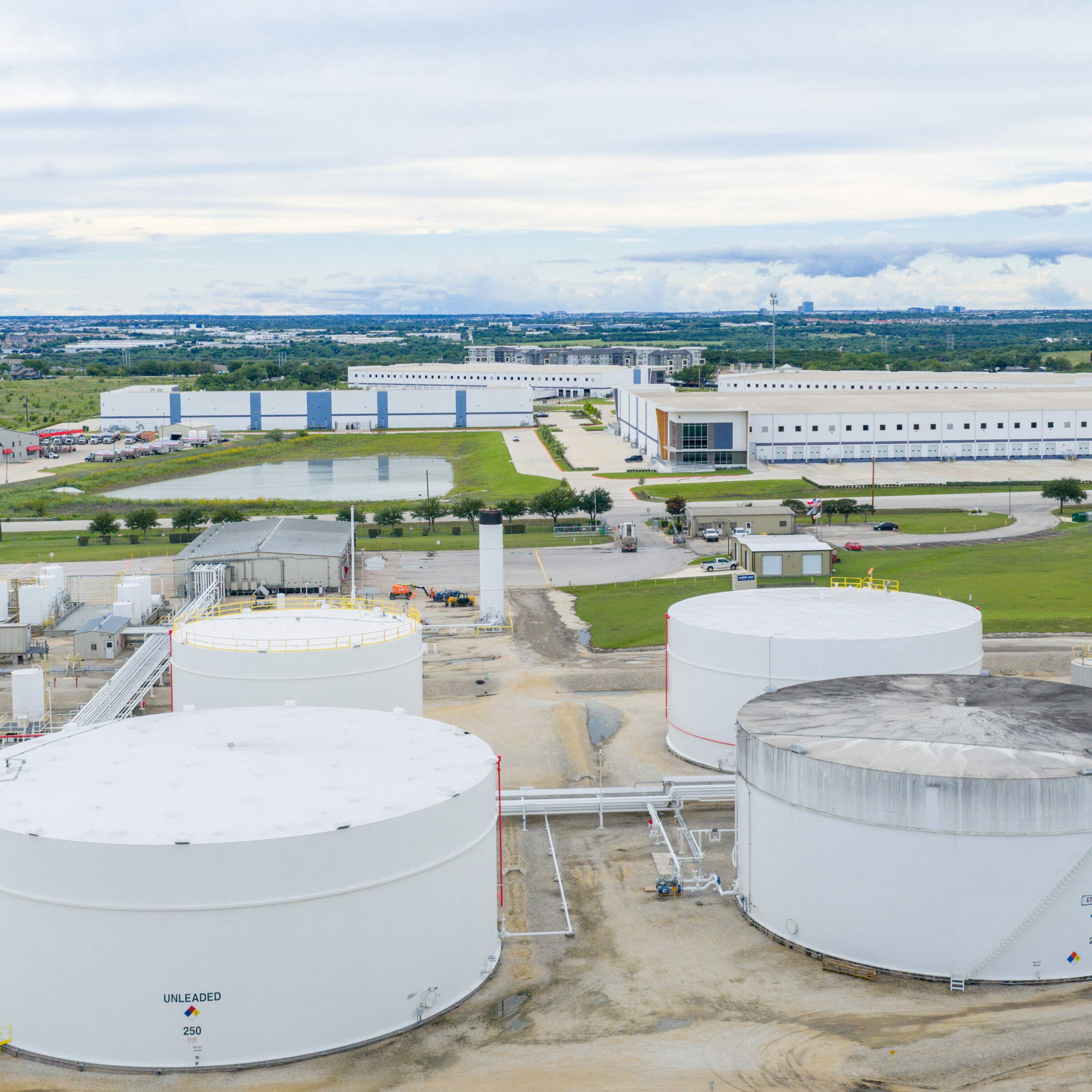
How will the US refill its dwindling oil reserves?
Whether it’s oil from Venezuela or somewhere else, the U.S. Strategic Petroleum Reserve needs to be refilled. The SPR is widely considered <em>critical </em>for energy security. <em> </em>On today’s show, the challenges to refilling the reserves at a time of high federal debt and climbing gas prices. <br/><br/>Fact-checking by <a href="https://www.npr.org/people/1268825622/sierra-juarez"target="_blank" >Sierra Juarez</a>. <br><strong>Your Next Listen </strong><br>— <a href="http://lnk.to/1pBGq2"target="_blank" >So… how long before these oil prices get REALLY bad?</a> <br><strong>Connect with The Indicator </strong><br>— Sign up for <a href="https://npr.org/indicatornewsletter"target="_blank" >The Indicator’s weekly newsletter</a>! <br>— Buy the <a href="https://lnk.to/i3AukBdDWE"target="_blank" >Planet Money book</a> <br>— Find our <a href="https://linktr.ee/indicator_npr"target="_blank" >socials, YouTube and more</a>! <br>— For sponsor-free episodes, <a href="https://plus.npr.org/"target="_blank" >subscribe to NPR+</a> <br/><br/>Support public media with NPR+ and enjoy perks for over 25 podcasts like this one. This show’s perks include sponsor-free listening. Learn more at <a href="http://plus.npr.org"target="_blank" >plus.npr.org</a>. <br/><br/>See <a href="https://pcm.adswizz.com">pcm.adswizz.com</a> for information about our collection and use of personal data for sponsorship and to manage your podcast sponsorship preferences.<br/><br/><a href="https://www.npr.org/about-npr/179878450/privacy-policy">NPR Privacy Policy</a>
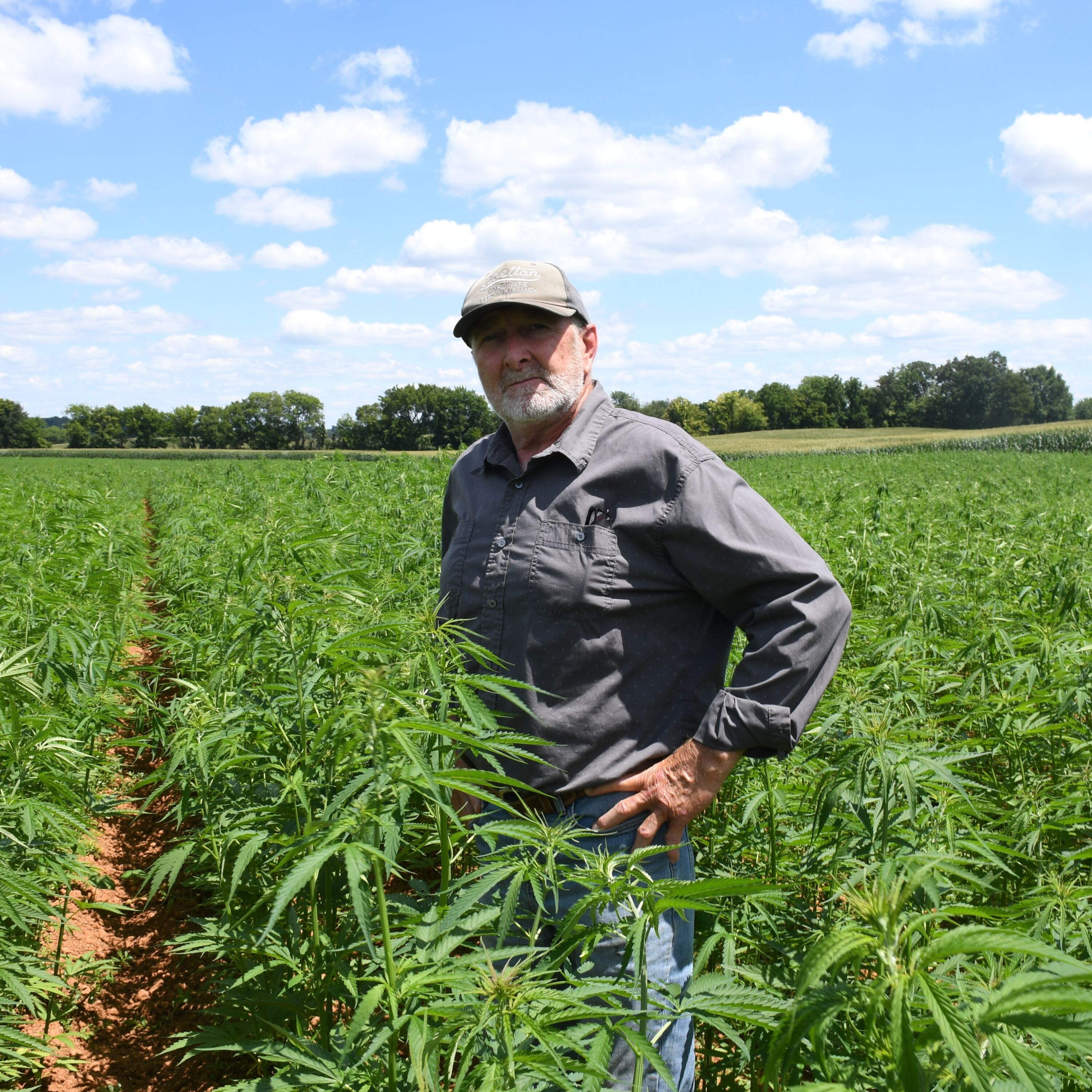
How Hemp-THC businesses are bracing for a near total ban
Follow us to Tennessee where hemp farmers are already pivoting in the face of a state ban and soon, a looming federal ban on basically all THC-derived hemp products. Will Congress step in to save this $28 billion industry? <br/><br/>Fact checking by <a href="https://www.npr.org/people/1268825622/sierra-juarez"target="_blank" >Sierra Juarez</a>.<br/><br/><strong>Your Next Listen </strong><br>— <a href="https://www.npr.org/2023/12/18/1197959045/would-be-weed-merchants-hit-a-grass-ceiling"target="_blank" >How would-be weed merchants hit a ‘grass ceiling’</a> <br/><br/><strong>Connect with The Indicator </strong><br>— Sign up for <a href="https://npr.org/indicatornewsletter"target="_blank" >The Indicator’s weekly newsletter</a>! <br>— Buy the <a href="https://lnk.to/i3AukBdDWE"target="_blank" >Planet Money book</a> <br>— Find our <a href="https://linktr.ee/indicator_npr"target="_blank" >socials, YouTube and more</a>! <br>— For sponsor-free episodes, <a href="https://plus.npr.org/"target="_blank" >subscribe to NPR+</a> <br/><br/>Support public media with NPR+ and enjoy perks for over 25 podcasts like this one. This show’s perks include sponsor-free listening. Learn more at <a href="http://plus.npr.org"target="_blank" >plus.npr.org</a>. <br/><br/>See <a href="https://pcm.adswizz.com">pcm.adswizz.com</a> for information about our collection and use of personal data for sponsorship and to manage your podcast sponsorship preferences.<br/><br/><a href="https://www.npr.org/about-npr/179878450/privacy-policy">NPR Privacy Policy</a>

OpenAI's waiting game, gas pump pain, and severe sulfur strain!
This week’s indicators: Tracking your pain at the gas pump in real-time; OpenAI’s IPO hard-launch tug-of-war; one unexpected ingredient is making fertilizer—and potentially your groceries—a whole lot more expensive.<br/><br/>Fact checking by Schuyler Swenson.<br/><br/><strong>Your Next Listen </strong><br>— <a href="https://lnk.to/Zzphx6WE"target="_blank" >What Iran teaches us about why wars start</a><br/><br/><strong>Connect with The Indicator </strong><br>— Sign up for <a href="https://npr.org/indicatornewsletter"target="_blank" >The Indicator’s weekly newsletter</a>! <br>— Buy the <a href="https://lnk.to/i3AukBdDWE"target="_blank" >Planet Money book</a> <br>— Find our <a href="https://linktr.ee/indicator_npr"target="_blank" >socials, YouTube and more</a>! <br>— For sponsor-free episodes, <a href="https://plus.npr.org/"target="_blank" >subscribe to NPR+</a> <br/><br/>Support public media with NPR+ and enjoy perks for over 25 podcasts like this one. This show’s perks include sponsor-free listening. Learn more at <a href="http://plus.npr.org/"target="_blank" >plus.npr.org</a>.<br/><br/>See <a href="https://pcm.adswizz.com">pcm.adswizz.com</a> for information about our collection and use of personal data for sponsorship and to manage your podcast sponsorship preferences.<br/><br/><a href="https://www.npr.org/about-npr/179878450/privacy-policy">NPR Privacy Policy</a>

Strait talk: Why the oil crisis is getting worse
A vital artery for Saudi oil exports is under siege and it’s <em>not</em> the Strait of Hormuz. Today on the show, we explain what’s going on in the Bab el-Mandeb shipping lane connected to the Red Sea, why it’s important, and why the global oil crisis is poised to get even worse. <br/><br/>Fact checking by <a href="https://www.npr.org/people/1268825622/sierra-juarez"target="_blank" >Sierra Juarez</a>.<br/><br/><strong>Your Next Listen </strong><br>— <a href="http://lnk.to/UmcdBR"target="_blank" >Fixing the oil crisis might not fix the Persian Gulf</a> <br/><br/><strong>Connect with The Indicator </strong><br>— Sign up for <a href="https://npr.org/indicatornewsletter"target="_blank" >The Indicator’s weekly newsletter</a>! <br>— Buy the <a href="https://lnk.to/i3AukBdDWE"target="_blank" >Planet Money book</a> <br>— Find our <a href="https://linktr.ee/indicator_npr"target="_blank" >socials, YouTube and more</a>! <br>— For sponsor-free episodes, <a href="https://plus.npr.org/"target="_blank" >subscribe to NPR+</a> <br/><br/>Support public media with NPR+ and enjoy perks for over 25 podcasts like this one. This show’s perks include sponsor-free listening. Learn more at <a href="http://plus.npr.org"target="_blank" >plus.npr.org</a>. <br/><br/>See <a href="https://pcm.adswizz.com">pcm.adswizz.com</a> for information about our collection and use of personal data for sponsorship and to manage your podcast sponsorship preferences.<br/><br/><a href="https://www.npr.org/about-npr/179878450/privacy-policy">NPR Privacy Policy</a>
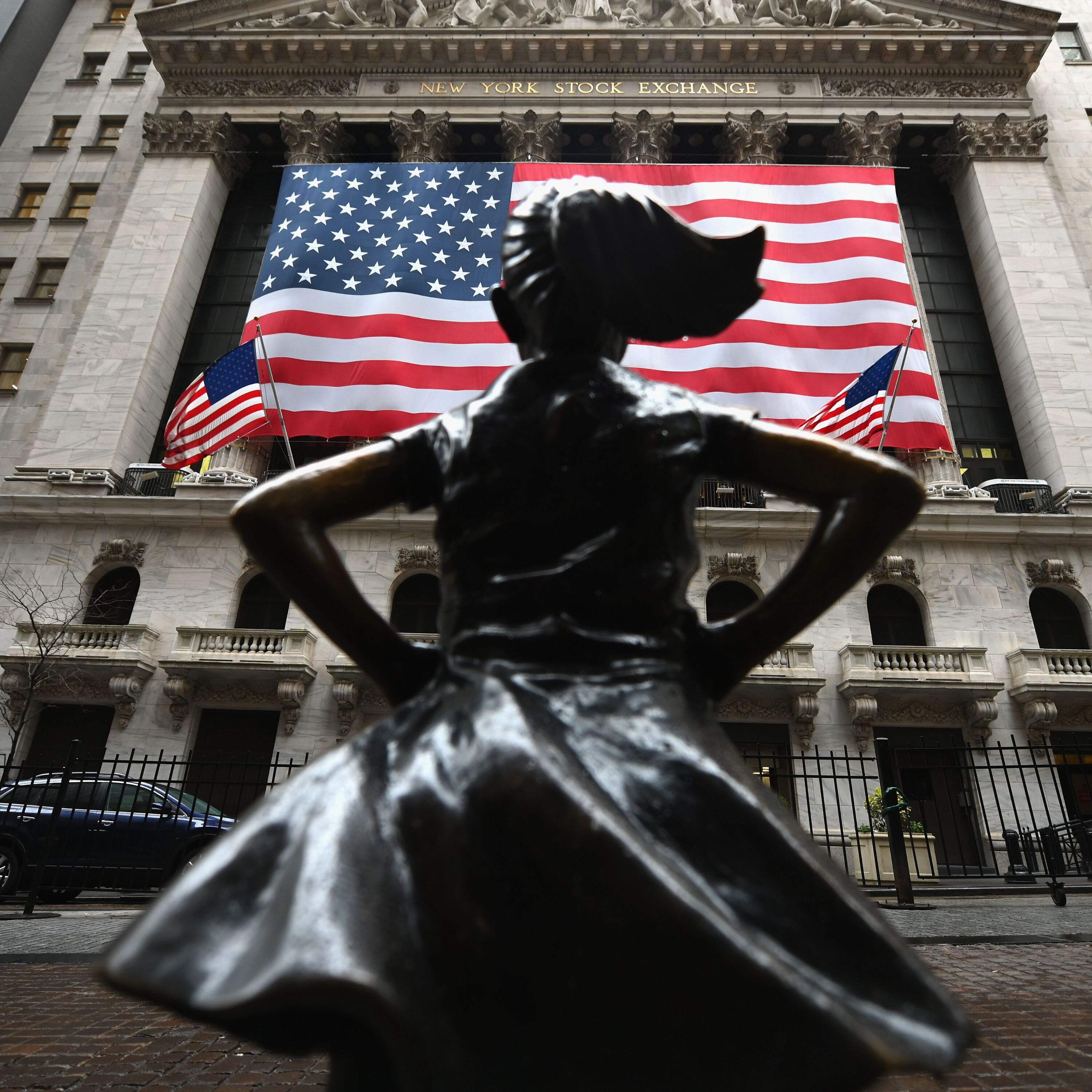
How the bond market is handling AI risks
Big tech companies are borrowing billions of dollars to finance the build-out of AI data centers, and your 401(k) might be helping to fuel that. Today on the show, what AI hyperscalers are doing to the bond market.<br/><br/>Fact checking by <a href="https://www.npr.org/people/1268825622/sierra-juarez"target="_blank" >Sierra Juarez</a>.<br/><br/><strong>Your Next Listen </strong><br>— <a href="http://lnk.to/7gZ1vo"target="_blank" >Who's financing Meta's massive AI data center?<br></a><br><strong>Connect with The Indicator </strong><br>— Sign up for <a href="https://npr.org/indicatornewsletter"target="_blank" >The Indicator’s weekly newsletter</a>! <br>— Buy the <a href="https://lnk.to/i3AukBdDWE"target="_blank" >Planet Money book</a> <br>— Find our <a href="https://linktr.ee/indicator_npr"target="_blank" >socials, YouTube and more</a>! <br>— For sponsor-free episodes, <a href="https://plus.npr.org/"target="_blank" >subscribe to NPR+</a> <br/><br/>Support public media with NPR+ and enjoy perks for over 25 podcasts like this one. This show’s perks include sponsor-free listening. Learn more at <a href="http://plus.npr.org"target="_blank" >plus.npr.org</a>. <br><br/><br/>See <a href="https://pcm.adswizz.com">pcm.adswizz.com</a> for information about our collection and use of personal data for sponsorship and to manage your podcast sponsorship preferences.<br/><br/><a href="https://www.npr.org/about-npr/179878450/privacy-policy">NPR Privacy Policy</a>
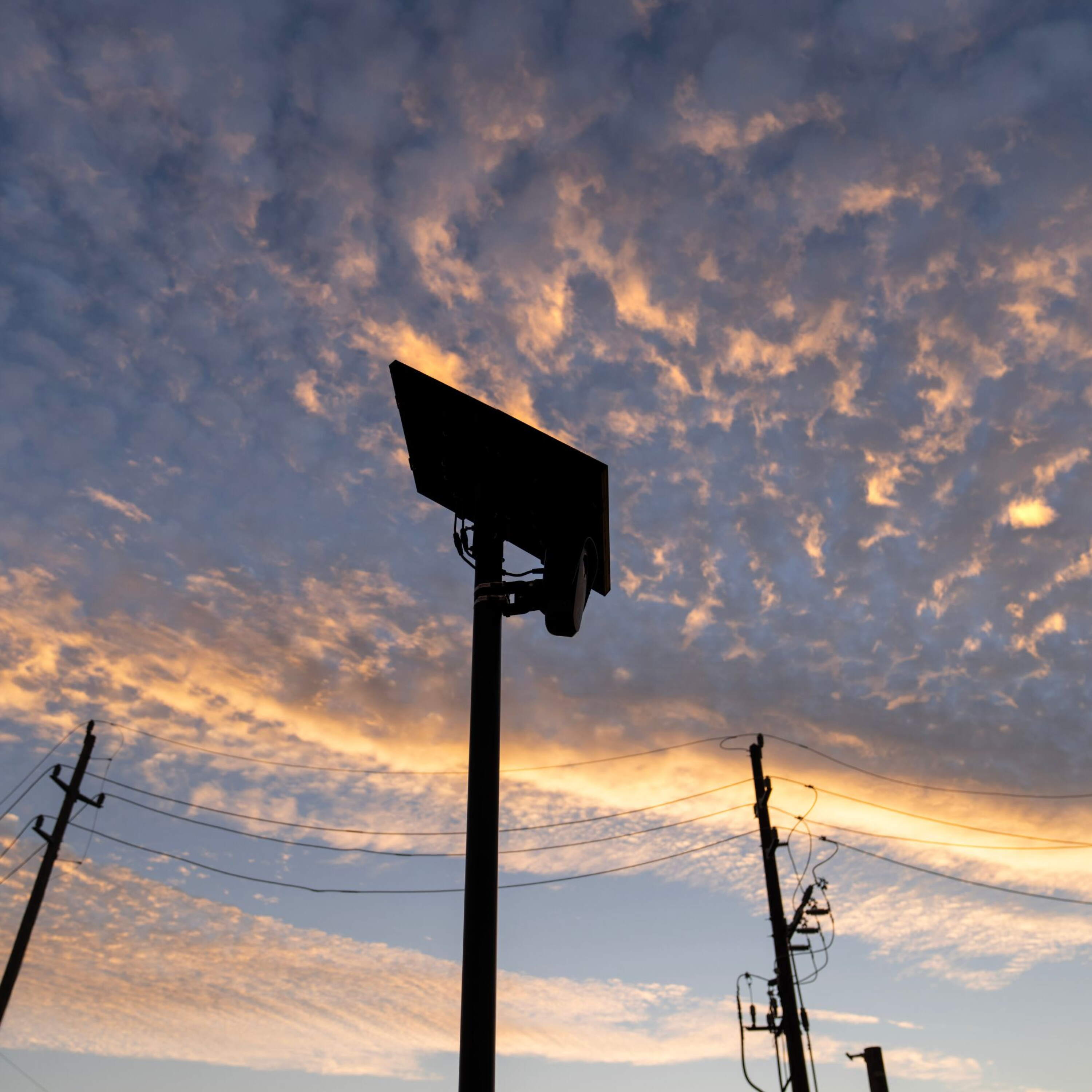
How much safer do Flock cameras make us?
Flock cameras promise to reduce crimes like car theft. But these automated license plate readers come with a trade-off: a wide-reaching surveillance network. Today on the show, does Flock actually make communities safer?<br/><br/>Fact checking by <a href="https://www.npr.org/people/1268825622/sierra-juarez"target="_blank" >Sierra Juarez</a>.<br/><br/><strong>Your Next Listen </strong><br>— <a href="https://www.npr.org/2019/07/05/738949320/episode-924-stuck-in-chinas-panopticon"target="_blank" >Stuck In China’s Panopticon</a><br/><br/><strong>Connect with The Indicator </strong><br>— Sign up for <a href="https://npr.org/indicatornewsletter"target="_blank" >The Indicator’s weekly newsletter</a>! <br>— Buy the <a href="https://lnk.to/i3AukBdDWE"target="_blank" >Planet Money book</a> <br>— Find our <a href="https://linktr.ee/indicator_npr"target="_blank" >socials, YouTube and more</a>! <br>— For sponsor-free episodes, <a href="https://plus.npr.org/"target="_blank" >subscribe to NPR+</a> <br/><br/>See <a href="https://pcm.adswizz.com">pcm.adswizz.com</a> for information about our collection and use of personal data for sponsorship and to manage your podcast sponsorship preferences.<br/><br/><a href="https://www.npr.org/about-npr/179878450/privacy-policy">NPR Privacy Policy</a>

A Beautiful Bill, Mamdani's Market, and Stock Subscriptions
It’s time for another Indicator Quiz! For today’s quiz, we’re testing the Indicator knowledge of a brilliant mathematician. Will we stump his theoretician brain? Tune in and find out! <br/><br/><em>Interested in being a contestant on our next Indicator Quiz? Email us your name and phone number to indicator@npr.org and put "Indicator Quiz" in the subject.</em><br/><br/>Fact checking by <a href="https://www.npr.org/people/1268825622/sierra-juarez"target="_blank" >Sierra Juarez</a>.<br/><br/><strong>Your Next Listen </strong><br>— <a href="https://www.npr.org/2026/06/22/nx-s1-5863543/an-urban-planner-infinite-scroll-and-what-is-a-public-good"target="_blank" >An urban planner, infinite scroll, and … what is a public good?</a><br/><br/><br><strong>Connect with The Indicator </strong><br>— Sign up for <a href="https://npr.org/indicatornewsletter"target="_blank" >The Indicator’s weekly newsletter</a>! <br>— Buy the <a href="https://lnk.to/i3AukBdDWE"target="_blank" >Planet Money book</a> <br>— Find our <a href="https://linktr.ee/indicator_npr"target="_blank" >socials, YouTube and more</a>! <br>— For sponsor-free episodes, <a href="https://plus.npr.org/"target="_blank" >subscribe to NPR+</a> <br/><br/>Support public media with NPR+ and enjoy perks for over 25 podcasts like this one. This show’s perks include sponsor-free listening. Learn more at <a href="http://plus.npr.org/"target="_blank" >plus.npr.org</a>.<br/><br/>See <a href="https://pcm.adswizz.com">pcm.adswizz.com</a> for information about our collection and use of personal data for sponsorship and to manage your podcast sponsorship preferences.<br/><br/><a href="https://www.npr.org/about-npr/179878450/privacy-policy">NPR Privacy Policy</a>

Bessent's yen bet, cold Argentine data centers set, and the summer box office net
This week’s indicators: Is The U.S. Treasury Department futzing with financial markets?; Is Patagonia’s pretty picturesque setting … for data centers?; Was the summer box office actually swell? <br/><br/>Fact checking by <a href="https://www.npr.org/people/1268825622/sierra-juarez"target="_blank" >Sierra Juarez</a>.<br/><br/><strong>Your Next Listen </strong><br>— <a href="https://lnk.to/azSIPOWE"target="_blank" >A Treasury showdown with the bond market</a><br/><br/><strong>Connect with The Indicator </strong><br>— Sign up for <a href="https://npr.org/indicatornewsletter"target="_blank" >The Indicator’s weekly newsletter</a>! <br>— Buy the <a href="https://lnk.to/i3AukBdDWE"target="_blank" >Planet Money book</a> <br>— Find our <a href="https://linktr.ee/indicator_npr"target="_blank" >socials, YouTube and more</a>! <br>— For sponsor-free episodes, <a href="https://plus.npr.org/"target="_blank" >subscribe to NPR+</a> <br/><br/>Support public media with NPR+ and enjoy perks for over 25 podcasts like this one. This show’s perks include sponsor-free listening. Learn more at <a href="http://plus.npr.org/"target="_blank" >plus.npr.org</a>.<br/><br/>See <a href="https://pcm.adswizz.com">pcm.adswizz.com</a> for information about our collection and use of personal data for sponsorship and to manage your podcast sponsorship preferences.<br/><br/><a href="https://www.npr.org/about-npr/179878450/privacy-policy">NPR Privacy Policy</a>

Are small town colleges going extinct?
Our favorite entry on the regional economy from the latest <a href="https://www.federalreserve.gov/monetarypolicy/files/BeigeBook_20260902.pdf"target="_blank" >Beige Book</a> reveals a troubling development in higher education. <br/><br/>Fact checking by <a href="https://www.npr.org/people/1268825622/sierra-juarez"target="_blank" >Sierra Juarez</a>.<br/><br/><strong>Your Next Listen </strong><br>— <a href="http://lnk.to/URleOy"target="_blank" >Community colleges are kind of underrated<br></a><br><strong>Connect with The Indicator </strong><br>— Sign up for <a href="https://npr.org/indicatornewsletter"target="_blank" >The Indicator’s weekly newsletter</a>! <br>— Buy the <a href="https://lnk.to/i3AukBdDWE"target="_blank" >Planet Money book</a> <br>— Find our <a href="https://linktr.ee/indicator_npr"target="_blank" >socials, YouTube and more</a>! <br>— For sponsor-free episodes, <a href="https://plus.npr.org/"target="_blank" >subscribe to NPR+</a> <br/><br/>Support public media with NPR+ and enjoy perks for over 25 podcasts like this one. This show’s perks include sponsor-free listening. Learn more at <a href="http://plus.npr.org"target="_blank" >plus.npr.org</a>. <br><br/><br/>See <a href="https://pcm.adswizz.com">pcm.adswizz.com</a> for information about our collection and use of personal data for sponsorship and to manage your podcast sponsorship preferences.<br/><br/><a href="https://www.npr.org/about-npr/179878450/privacy-policy">NPR Privacy Policy</a>

Let's play ... Who Wants To Be a Bank!
Why do so many fintech companies — like Square and Mercury — want to be banks? And what does it take to get there? Find out today when we play our fake game show … Who Wants To Be A Bank!<br/><br/>Fact checking by <a href="https://www.npr.org/people/1268825622/sierra-juarez"target="_blank" >Sierra Juarez</a>.<br/><br/><strong>Your Next Listen </strong><br>—<a href="https://lnk.to/0mk1WYWE"target="_blank" >Is this a bank?</a><br/><br/><strong>Connect with The Indicator </strong><br>— Sign up for <a href="https://npr.org/indicatornewsletter"target="_blank" >The Indicator’s weekly newsletter</a>! <br>— Buy the <a href="https://lnk.to/i3AukBdDWE"target="_blank" >Planet Money book</a> <br>— Find our <a href="https://linktr.ee/indicator_npr"target="_blank" >socials, YouTube and more</a>! <br>— For sponsor-free episodes, <a href="https://plus.npr.org/"target="_blank" >subscribe to NPR+</a> <br/><br/>Support public media with NPR+ and enjoy perks for over 25 podcasts like this one. This show’s perks include sponsor-free listening. Learn more at <a href="http://plus.npr.org/"target="_blank" >plus.npr.org</a>.<br/><br/>See <a href="https://pcm.adswizz.com">pcm.adswizz.com</a> for information about our collection and use of personal data for sponsorship and to manage your podcast sponsorship preferences.<br/><br/><a href="https://www.npr.org/about-npr/179878450/privacy-policy">NPR Privacy Policy</a>
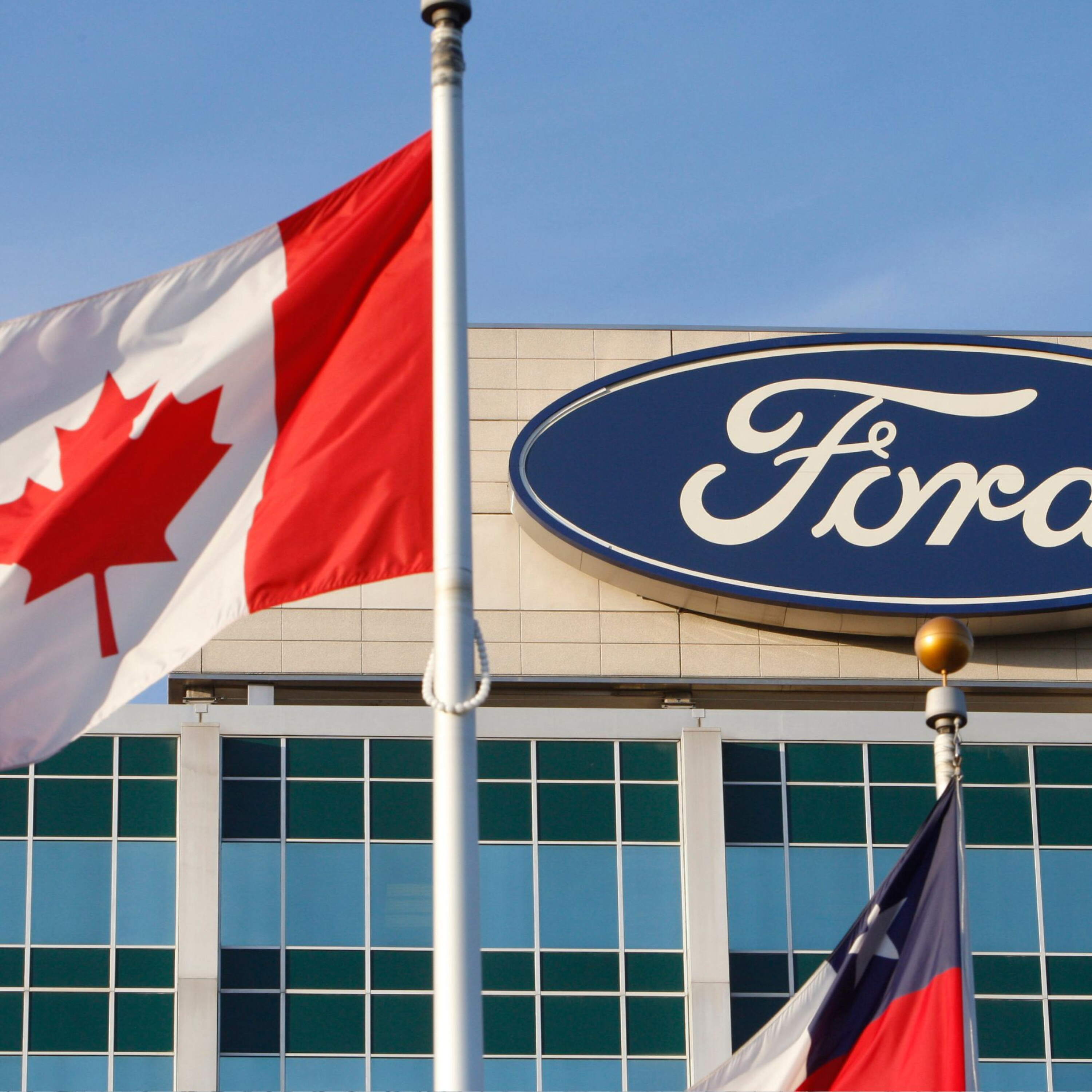
Canada fights tariffs with tariffs
The era of friendly diplomacy has fallen to the wayside once again as the U.S. - Canada trade war enters a new phase. This time, Canada is countering the latest round of tariffs with their own, targeting American dairy, steel and electronics. Today on the show, we hear from the host of CBC’s <a href="https://www.cbc.ca/radio/costofliving"target="_blank" ><em>Cost of Living </em>podcast</a> Paul Haavardsrud on Canada’s trade war strategy.<br/><br/>Fact checking by <a href="https://www.npr.org/people/1268825622/sierra-juarez"target="_blank" >Sierra Juarez</a>.<br/><br/><strong>Your Next Listen </strong><br>— <a href="https://lnk.to/7ybMEBWE"target="_blank" >Why there's no referee for the trade war</a><br>— <a href="https://click.nl.npr.org/?qs=ABB7InYiOjEsImQiOjQ5ODJ9AAYAAAAABH3p16Jfpbxo43CKzINqIFvRH4qOdyib8Cf81D8H-8S5ZOmeK4Z1U6rv0avRbuMP_8rAE06Dgmy5GaSQLlq5YSPmGc2PjJ0CRCuDDQ"target="_blank" >Why a trade war makes wigs (and bones) cost more + LeBond James</a><br/><br/><strong>Connect with The Indicator </strong><br>— Sign up for <a href="https://npr.org/indicatornewsletter"target="_blank" >The Indicator’s weekly newsletter</a>! <br>— Buy the <a href="https://lnk.to/i3AukBdDWE"target="_blank" >Planet Money book</a> <br>— Find our <a href="https://linktr.ee/indicator_npr"target="_blank" >socials, YouTube and more</a>! <br>— For sponsor-free episodes, <a href="https://plus.npr.org/"target="_blank" >subscribe to NPR+</a> <br/><br/>Support public media with NPR+ and enjoy perks for over 25 podcasts like this one. This show’s perks include sponsor-free listening. Learn more at <a href="http://plus.npr.org"target="_blank" >plus.npr.org</a>. <br><br/><br/>See <a href="https://pcm.adswizz.com">pcm.adswizz.com</a> for information about our collection and use of personal data for sponsorship and to manage your podcast sponsorship preferences.<br/><br/><a href="https://www.npr.org/about-npr/179878450/privacy-policy">NPR Privacy Policy</a>

Are job hoppers better at their jobs?
People with jobs are not always eager to leave them … but there are exceptions. Call them job hoppers. While many employers look down on this sort of professional promiscuity, new research suggests there are benefits to switching jobs frequently. <br/><br/>Fact checking by <a href="https://www.npr.org/people/1268825622/sierra-juarez"target="_blank" >Sierra Juarez</a>.<br/><br/><strong>Your Next Listen </strong><br>— <a href="https://lnk.to/U3BkkSWE"target="_blank" >I'm just here for the health benefits</a><br/><br/><strong>Connect with The Indicator </strong><br>— Sign up for <a href="https://npr.org/indicatornewsletter"target="_blank" >The Indicator’s weekly newsletter</a>! <br>— Buy the <a href="https://lnk.to/i3AukBdDWE"target="_blank" >Planet Money book</a> <br>— Find our <a href="https://linktr.ee/indicator_npr"target="_blank" >socials, YouTube and more</a>! <br>— For sponsor-free episodes, <a href="https://plus.npr.org/"target="_blank" >subscribe to NPR+</a> <br/><br/>Support public media with NPR+ and enjoy perks for over 25 podcasts like this one. This show’s perks include sponsor-free listening. Learn more at <a href="http://plus.npr.org/"target="_blank" >plus.npr.org</a>.<br/><br/>See <a href="https://pcm.adswizz.com">pcm.adswizz.com</a> for information about our collection and use of personal data for sponsorship and to manage your podcast sponsorship preferences.<br/><br/><a href="https://www.npr.org/about-npr/179878450/privacy-policy">NPR Privacy Policy</a>
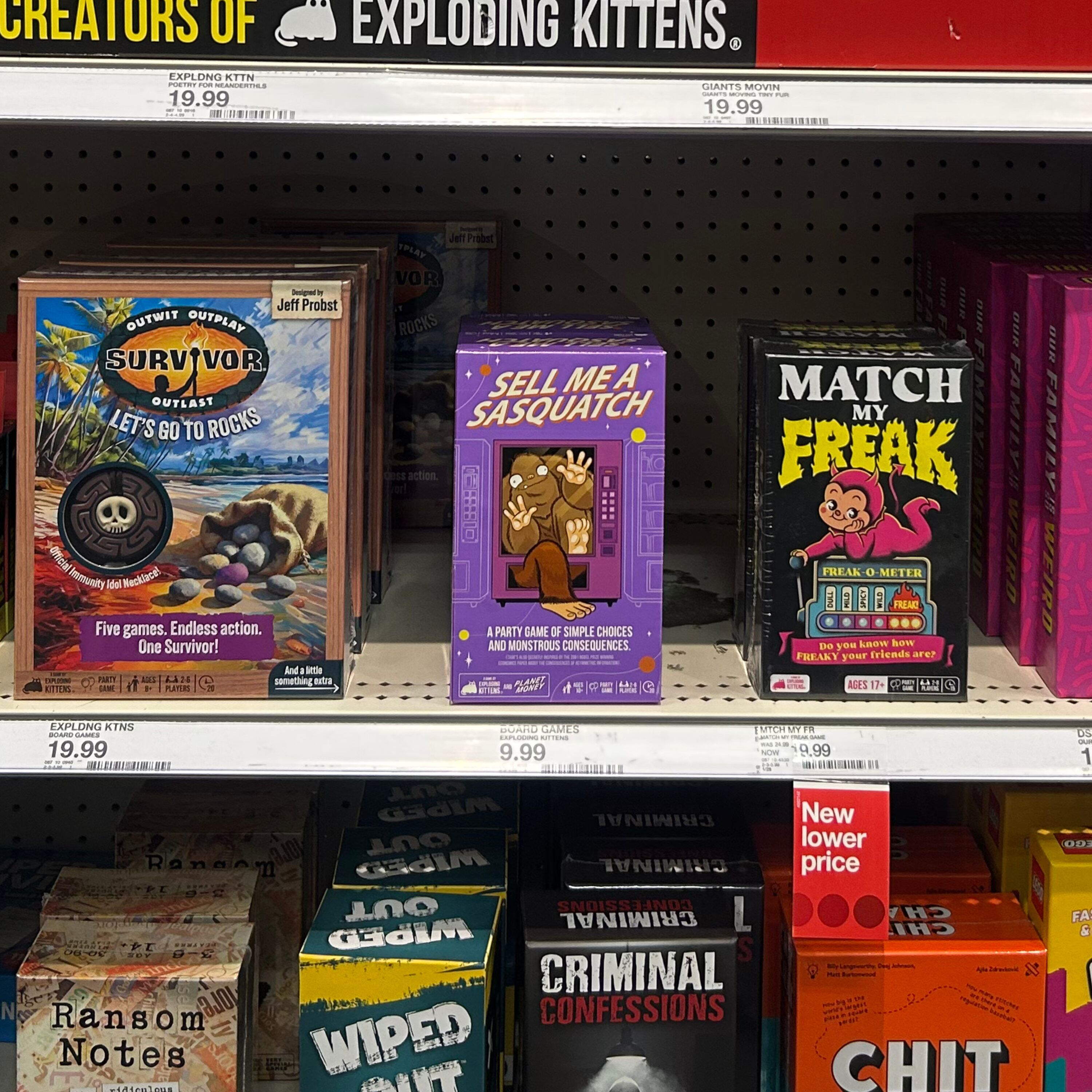
Does Planet Money’s game pass the shelf test? We go undercover to find out
We go undercover at a big box store for an inside look at the secret shelf test the makers of Exploding Kittens use for their hit games.<br/><br/>Fact checking by <a href="https://www.npr.org/people/1268825622/sierra-juarez"target="_blank" >Sierra Juarez</a>.<br/><br/><strong>Your Next Listen </strong><br>— <a href="http://lnk.to/NUvIrt"target="_blank" >Who decides what big box sells? Our GAME got us answers</a><br/><br/><strong>Connect with The Indicator </strong><br>— Sign up for <a href="https://npr.org/indicatornewsletter"target="_blank" >The Indicator’s weekly newsletter</a>! <br>— Buy the <a href="https://lnk.to/i3AukBdDWE"target="_blank" >Planet Money book</a> <br>— Find our <a href="https://linktr.ee/indicator_npr"target="_blank" >socials, YouTube and more</a>! <br>— For sponsor-free episodes, <a href="https://plus.npr.org/"target="_blank" >subscribe to NPR+</a><br/><br/>See <a href="https://pcm.adswizz.com">pcm.adswizz.com</a> for information about our collection and use of personal data for sponsorship and to manage your podcast sponsorship preferences.<br/><br/><a href="https://www.npr.org/about-npr/179878450/privacy-policy">NPR Privacy Policy</a>
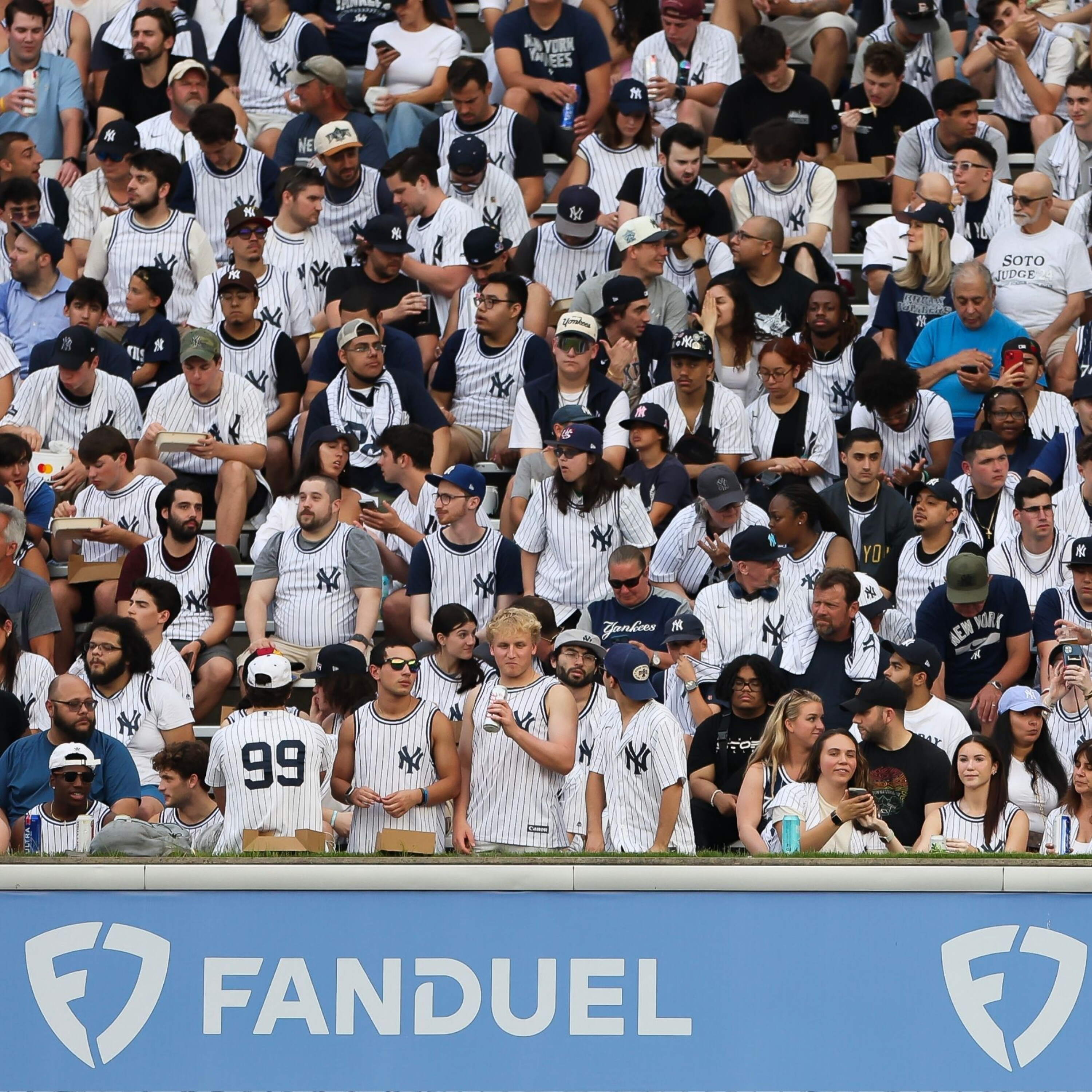
For a lot of Gen Z, gambling is investing
Why are <a href="https://www.prnewswire.com/news-releases/betterments-2026-retail-investor-survey-reveals-a-new-generation-of-investors-is-blurring-the-lines-between-information-advice-and-entertainment-302848376.html"target="_blank" >more than half</a> of Gen Zers using investment dollars for sports gambling? It’s been eight years since sports betting became widely legal. Today we look at its impact on a new generation of sports bettors and efforts to curb gambling’s more harmful effects. <br/><br/>Fact checking by <a href="https://www.npr.org/people/1268825622/sierra-juarez"target="_blank" >Sierra Juarez</a>.<br/><br/><strong>Your Next Listen </strong><br>— <a href="https://lnk.to/pRWjp2WE"target="_blank" >Prediction markets are threatening national security. Who's gonna fix it?</a><br/><br/><strong>Connect with The Indicator </strong><br>— Sign up for <a href="https://npr.org/indicatornewsletter"target="_blank" >The Indicator’s weekly newsletter</a>! <br>— Buy the <a href="https://lnk.to/i3AukBdDWE"target="_blank" >Planet Money book</a> <br>— Find our <a href="https://linktr.ee/indicator_npr"target="_blank" >socials, YouTube and more</a>! <br>— For sponsor-free episodes, <a href="https://plus.npr.org/"target="_blank" >subscribe to NPR+</a> <br/><br/>Support public media with NPR+ and enjoy perks for over 25 podcasts like this one. This show’s perks include sponsor-free listening. Learn more at <a href="http://plus.npr.org"target="_blank" >plus.npr.org</a>. <br><br/><br/>See <a href="https://pcm.adswizz.com">pcm.adswizz.com</a> for information about our collection and use of personal data for sponsorship and to manage your podcast sponsorship preferences.<br/><br/><a href="https://www.npr.org/about-npr/179878450/privacy-policy">NPR Privacy Policy</a>
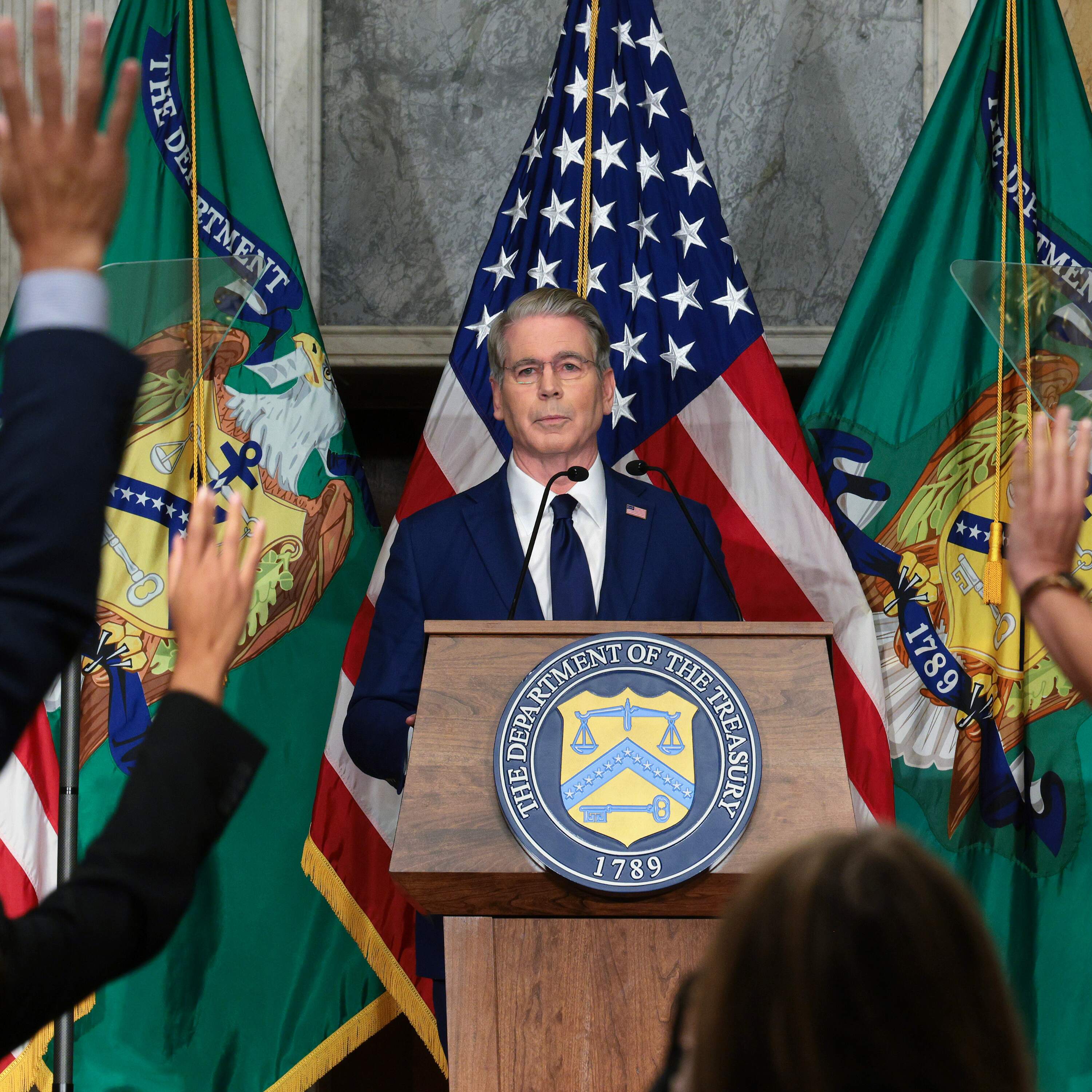
A Treasury showdown with the bond market
Why is the U.S. Treasury planning to buyback at least double the number of long-dated government bonds it usually does? And will Treasury Secretary Scott Bessent’s buyback plan pit him against both the bond markets and the Federal Reserve? Today we explain what the Treasury’s up to and what it means for you. <br/><br/>Fact checking by <a href="https://www.npr.org/people/1268825622/sierra-juarez"target="_blank" >Sierra Juarez</a>.<br/><br/><strong>Your Next Listen </strong><br>—<a href="https://lnk.to/vYbcaXWE"target="_blank" >Bond vigilantes. Who they are, what they want, and how you'll know they're coming<br></a><br><strong>Connect with The Indicator </strong><br>— Sign up for <a href="https://npr.org/indicatornewsletter"target="_blank" >The Indicator’s weekly newsletter</a>! <br>— Buy the <a href="https://lnk.to/i3AukBdDWE"target="_blank" >Planet Money book</a> <br>— Find our <a href="https://linktr.ee/indicator_npr"target="_blank" >socials, YouTube and more</a>! <br>— For sponsor-free episodes, <a href="https://plus.npr.org/"target="_blank" >subscribe to NPR+</a> <br/><br/>Support public media with NPR+ and enjoy perks for over 25 podcasts like this one. This show’s perks include sponsor-free listening. Learn more at <a href="http://plus.npr.org/"target="_blank" >plus.npr.org</a>.<br/><br/>See <a href="https://pcm.adswizz.com">pcm.adswizz.com</a> for information about our collection and use of personal data for sponsorship and to manage your podcast sponsorship preferences.<br/><br/><a href="https://www.npr.org/about-npr/179878450/privacy-policy">NPR Privacy Policy</a>

How ICE arrests are creating 'economies of fear'
Immigration and Customs Enforcement (ICE) <a href="https://www.npr.org/2026/08/26/nx-s1-5945127/immigration-arrests-record"target="_blank" >arrested nearly 50,000 people in July</a>, marking the biggest month for ICE arrests of President Trump’s second term. We talk to a researcher who thinks this increased ICE activity is creating <a href="https://zekehernandez.net/research/ice-ing-the-economy-immigration-enforcement-under-trump-2-0-and-local-economic-activity/"target="_blank" >an “economy of fear”</a> in cities around the country — and has the data to prove it.<br/><br/>Fact checking by <a href="https://www.npr.org/people/1268825622/sierra-juarez"target="_blank" >Sierra Juarez</a>.<br/><br/><strong>Your Next Listen </strong><br>— <a href="http://lnk.to/UtKHLw"target="_blank" >How ending TPS is squeezing workers, businesses and (soon) consumers<br></a><br><strong>Connect with The Indicator </strong><br>— Sign up for <a href="https://npr.org/indicatornewsletter"target="_blank" >The Indicator’s weekly newsletter</a>! <br>— Buy the <a href="https://lnk.to/i3AukBdDWE"target="_blank" >Planet Money book</a> <br>— Find our <a href="https://linktr.ee/indicator_npr"target="_blank" >socials, YouTube and more</a>! <br>— For sponsor-free episodes, <a href="https://plus.npr.org/"target="_blank" >subscribe to NPR+</a> <br/><br/>Support public media with NPR+ and enjoy perks for over 25 podcasts like this one. This show’s perks include sponsor-free listening. Learn more at <a href="http://plus.npr.org"target="_blank" >plus.npr.org</a>. <br/><br/>See <a href="https://pcm.adswizz.com">pcm.adswizz.com</a> for information about our collection and use of personal data for sponsorship and to manage your podcast sponsorship preferences.<br/><br/><a href="https://www.npr.org/about-npr/179878450/privacy-policy">NPR Privacy Policy</a>
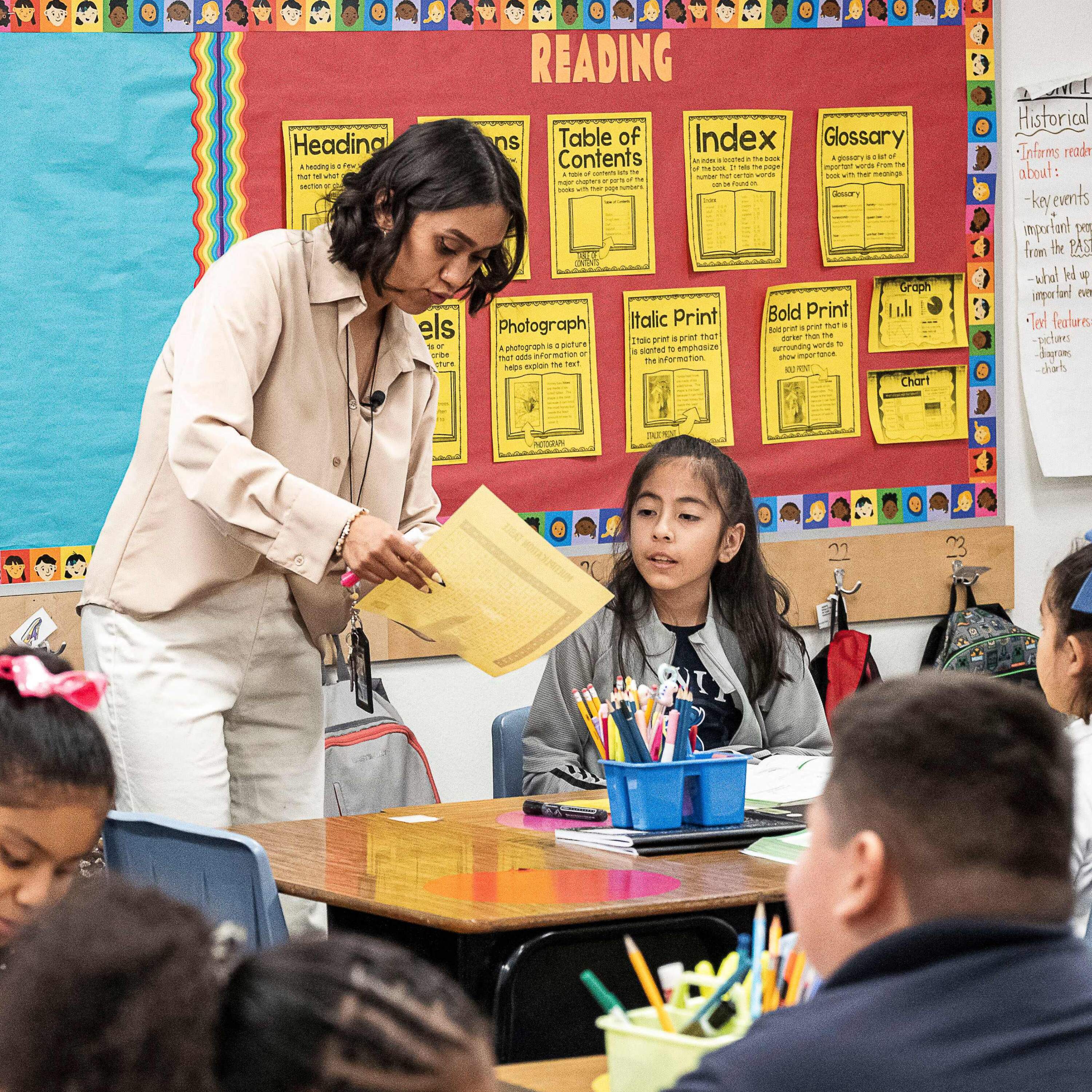
The teacher pay penalty, Meta's major settlement, and a footwear flop
This week’s indicators: The teacher pay penalty; Meta’s massive settlement; Nike and Dick’s Sporting Goods are struggling. <br/><br/>Fact checking by <a href="https://www.npr.org/people/1268825622/sierra-juarez"target="_blank" >Sierra Juarez</a>.<br/><br/><strong>Your Next Listen </strong><br>— <a href="https://lnk.to/XjpHn6WE"target="_blank" >Why infinite scroll's inventor wants to kill his creation<br></a><br><strong>Connect with The Indicator </strong><br>— Sign up for <a href="https://npr.org/indicatornewsletter"target="_blank" >The Indicator’s weekly newsletter</a>! <br>— Buy the <a href="https://lnk.to/i3AukBdDWE"target="_blank" >Planet Money book</a> <br>— Find our <a href="https://linktr.ee/indicator_npr"target="_blank" >socials, YouTube and more</a>! <br>— For sponsor-free episodes, <a href="https://plus.npr.org/"target="_blank" >subscribe to NPR+</a> <br/><br/>Support public media with NPR+ and enjoy perks for over 25 podcasts like this one. This show’s perks include sponsor-free listening. Learn more at <a href="http://plus.npr.org/"target="_blank" >plus.npr.org</a>.<br/><br/>See <a href="https://pcm.adswizz.com">pcm.adswizz.com</a> for information about our collection and use of personal data for sponsorship and to manage your podcast sponsorship preferences.<br/><br/><a href="https://www.npr.org/about-npr/179878450/privacy-policy">NPR Privacy Policy</a>