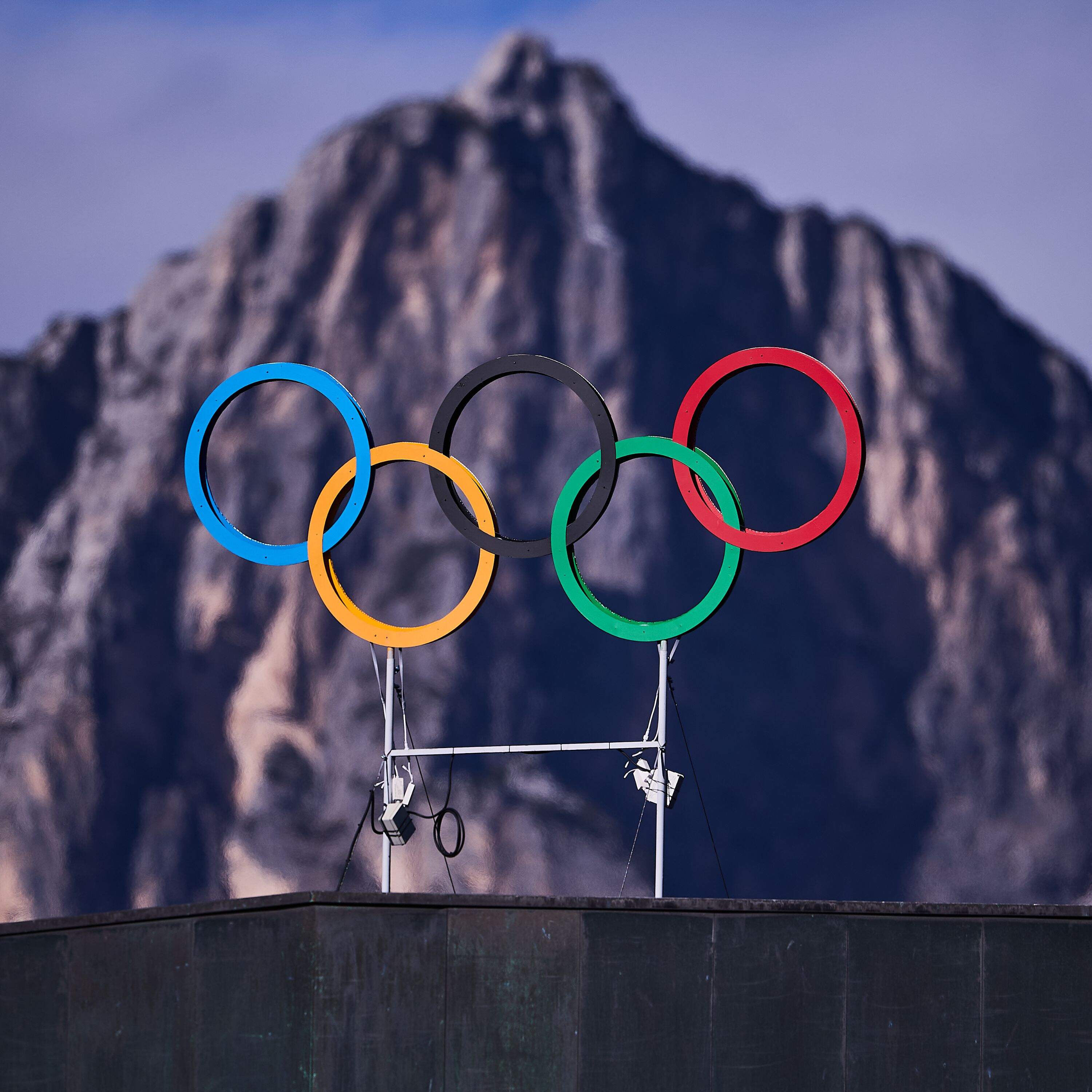
Overview of How college sports juiced Olympic development
This episode of The Indicator from Planet Money (NPR), hosted by Waylon Wong with Adrienne Ma, explains how U.S. Olympic athlete development became financially dependent on college sports—especially Division I football—rather than direct government support. Using Cold War-era policy decisions, athlete stories (like luger Ty Danko), and recent legal/market shifts (NIL and athlete pay), the episode traces how that system formed, why it’s under strain today, and what policy options could shore up the pipeline.
Key points / main takeaways
- Historical policy choice: During the Cold War the U.S. deliberately avoided government-funded sports programs (to contrast the Soviet model) and leaned on private-sector solutions.
- 1978 Olympic-related legislation: Created the U.S. Olympic Committee’s control over Olympic branding and encouraged corporate sponsorships and national governing bodies—but did not create a federal sports ministry or provide federal athlete funding.
- College sports as the funding engine: Revenue from Division I college football (broadcast deals, sponsorships, donations, ticket sales) subsidizes non-revenue Olympic sports at universities. Today about two-thirds of U.S. Olympians are NCAA athletes; many international athletes also train at U.S. colleges.
- Systemic fragility: Recent changes—NCAA allowing name, image, likeness (NIL) deals and a 2023 legal settlement permitting direct pay to athletes—mean more money stays with football players and less indirectly funds Olympic programs. This has created anxiety among national governing bodies.
- Equity problem: Many Olympic and Paralympic athletes are poorly paid—about 25% earn under $15,000/year—and only ~12% have sponsorships. High youth-sport costs risk narrowing the talent pipeline to wealthier families.
- Possible government roles: A 2020 Congressional commission found Americans are open to some taxpayer support. Suggested interventions include athlete health-care programs, targeted funding (e.g., from sports-betting taxes), and grants for college facilities that require community access.
Notable anecdotes & examples
- Ty Danko (luge, 1970s): Traded jeans, electronics, and magazines at European meets to secure better gear; earned the nickname “Banco Danko.” Illustrates resourcefulness and lack of organized support for U.S. winter-sport athletes at the time.
- College football’s uniqueness: Victoria Jackson (sports historian) notes football is largely U.S.-centric and has become the financial engine that enables elite sport development at U.S. colleges.
Data & quick facts
- ~2/3 of American Olympians are NCAA athletes.
- ~25% of Olympians/Paralympians earn less than $15,000 per year.
- ~12% of Olympic athletes have any sponsorship deals.
Quotes worth noting
- President Gerald Ford (paraphrase from 1976): The U.S. belief in athlete independence and the amateur tradition has held us back from all-out government support.
- Dionne Kohler (co-chair, 2020 commission): Americans aren’t opposed to some taxpayer dollars for athletes; “we in the United States like winners.”
- Victoria Jackson: American colleges are “epicenters of recruitment and development” funded by a sport (football) “really only played in the United States.”
Implications and recommendations
- Vulnerability: The Olympic-development pipeline is tied to college football revenue; changes that shift that revenue to athletes or alter college sports economics could reduce funding for Olympic programs.
- Equity concerns: Without intervention, youth-sport costs and low athlete compensation risk making the Olympic pathway less socioeconomically diverse.
- Policy options to consider:
- Publicly subsidized health-care or insurance programs for elite athletes.
- Earmarking revenue (e.g., from federal taxes on sports betting) to support Olympic/Paralympic development.
- Funding college athletic facilities conditional on community access to broaden training opportunities.
Bottom line
U.S. Olympic success has been buoyed by an unusual, market-driven model that funnels college football money into elite athlete development. Legal and economic shifts—plus growing costs for youth sport—threaten that model and raise fairness and access concerns, prompting renewed discussion of a limited, targeted government role to preserve and democratize the pipeline.