Overview of NPR’s “How ending TPS is squeezing workers, businesses and (soon) consumers”
This episode of The Indicator from Planet Money explains what happens when Temporary Protected Status (TPS) is ended for large numbers of immigrants who have been legally working in the U.S. It focuses on Haitian TPS holders in Florida, showing how the policy change is disrupting workers’ lives, hurting businesses that rely on them, and potentially raising costs for consumers in industries like home care, construction, and services.
What TPS is and why it matters
- TPS is a humanitarian immigration status that shields people from deportation when conditions in their home country are unsafe.
- At the start of Trump’s second term, 17 countries were covered by TPS.
- Since then, the administration has terminated or tried to terminate 13 of them.
- The episode raises the possibility that TPS coverage could fall to zero by the end of the year.
Florida’s Haitian community: the human impact
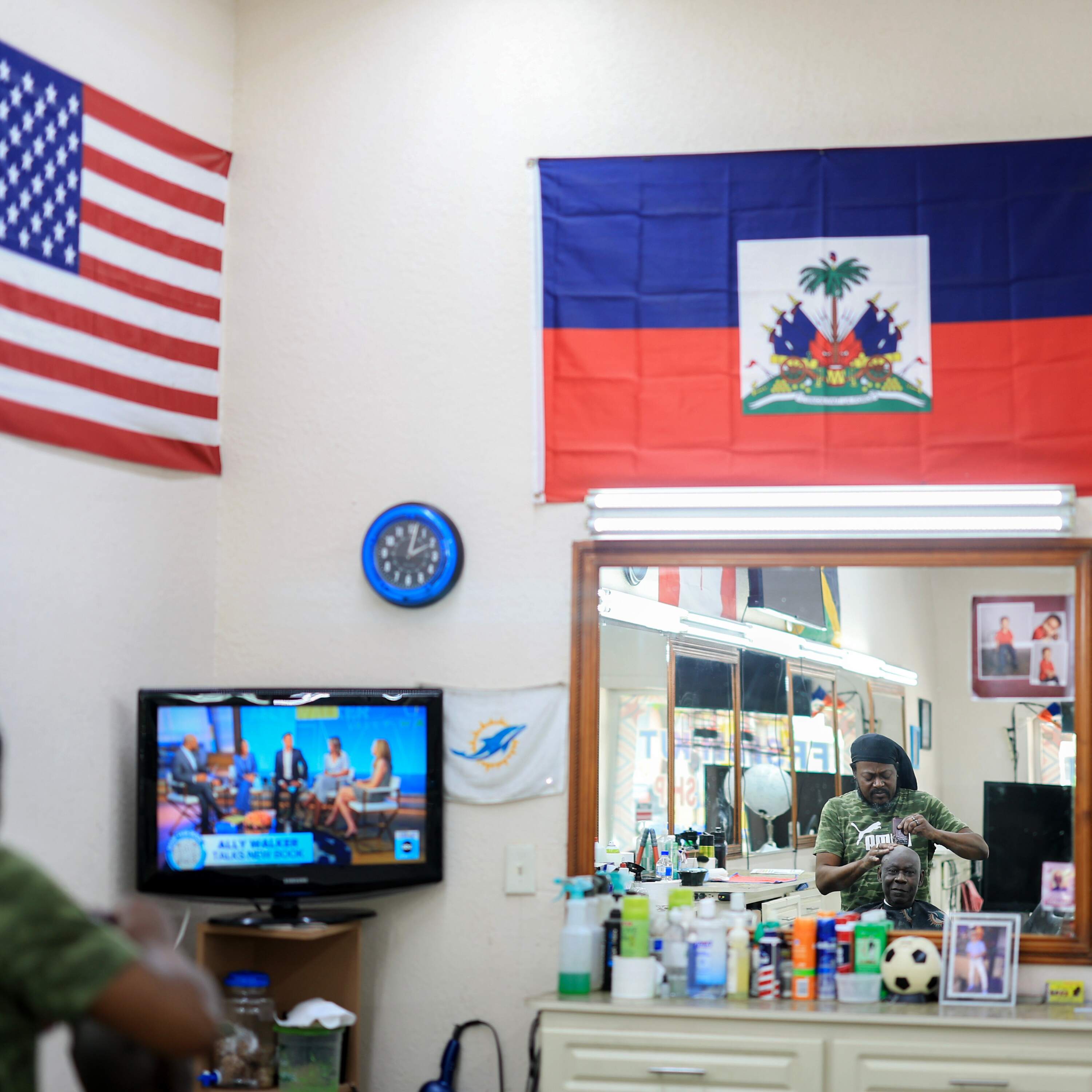
The story centers on North Miami, home to one of the largest Haitian communities in the U.S.
What changed after TPS ended
- Local streets and markets became noticeably quieter as people stayed home out of fear.
- Immigration enforcement intensified, and many TPS holders lost both:
- Work authorization
- Protection from arrest and deportation
Sabine Dulcio’s business
- Sabine Dulcio, a U.S. citizen and Haitian immigrant, runs a wedding and event planning business.
- She had more than a dozen Haitian TPS holders on staff.
- After TPS ended, she had to lay them off because they were no longer legally allowed to work.
- She describes the emotional toll as severe, especially knowing many workers were:
- Studying English
- Attending college
- Building stable lives in the U.S.
Why Haitians came in the first place
The episode briefly reviews the crises that led to repeated TPS extensions for Haiti:
- 2010 earthquake: the original TPS designation for Haitians was created under the Obama administration.
- 2016 hurricane: TPS was extended again.
- 2021 assassination of Haiti’s president: contributed to political collapse and worsening instability.
- Today, Haiti faces:
- Gang violence
- Hunger
- Weak infrastructure
- Political chaos
The broader economic consequences
Economist Alex Arnon of the Penn Budget Model says the policy shift is unusual and dramatic because roughly a million workers could suddenly become ineligible to work.
Where TPS workers are concentrated
Most TPS holders live in:
- Florida
- Texas
- New York
- California
- Georgia
They often work in sectors such as:
- Construction
- Warehousing
- Health care
- Cleaning and maintenance
What employers may face
- Some U.S.-born workers may fill vacancies, but generally not at prevailing wages in these jobs.
- Many of the affected jobs are manual labor roles requiring skills employers may struggle to replace.
- Businesses may face labor shortages in essential parts of the economy.
What consumers may feel
Arnon argues that consumers are likely to bear the costs through:
- Higher construction prices
- More expensive home health services
- Increased ride-share costs
- Higher wages in labor-tight sectors
His point: the loss of affordable labor will likely cost consumers more than any economic benefit gained by replacing TPS workers.
Home health care as an early warning sign
The episode highlights the home care industry as a place where consumers may notice effects quickly.
Steve Puryear’s experience
- Steve helps run a Florida health care agency that provides caregivers for people who need help with daily tasks like bathing and laundry.
- He had to lay off a caregiver who was a TPS holder.
- That meant one family lost a caregiver they had relied on for 2.5 years.
Why costs may rise
- Caregiver pay is already around $17 to $25 an hour.
- With fewer legally available workers, remaining caregivers can command higher wages.
- Those higher labor costs will likely be passed on to families and consumers.
Political and legal backdrop
- The White House argued it was ending TPS because the program had “exploited American workers” and because it wanted to create opportunity for U.S. workers.
- In the Supreme Court case over Haiti’s TPS, plaintiffs argued the termination was influenced by racial animus.
- The administration countered that Haiti’s instability and gang violence made the situation a national security risk.
- The Court ultimately ruled for the Trump administration.
Main takeaway
The episode argues that ending TPS is not just an immigration policy decision — it is a labor market shock with ripple effects:
- Workers lose legal status and stability
- Employers lose trusted employees
- Consumers may face higher prices and reduced services
- Many displaced TPS holders may be forced to live and work in the shadows
Notable perspective
“They’re not the same. And it saddens me that that’s what we’re doing.”
This sentiment, from a Florida health care business owner, captures the episode’s central moral argument: people who have lived, worked, and built lives in the U.S. for years should not be treated the same as recent unauthorized entrants.