Overview of Can the internet survive AI summaries?
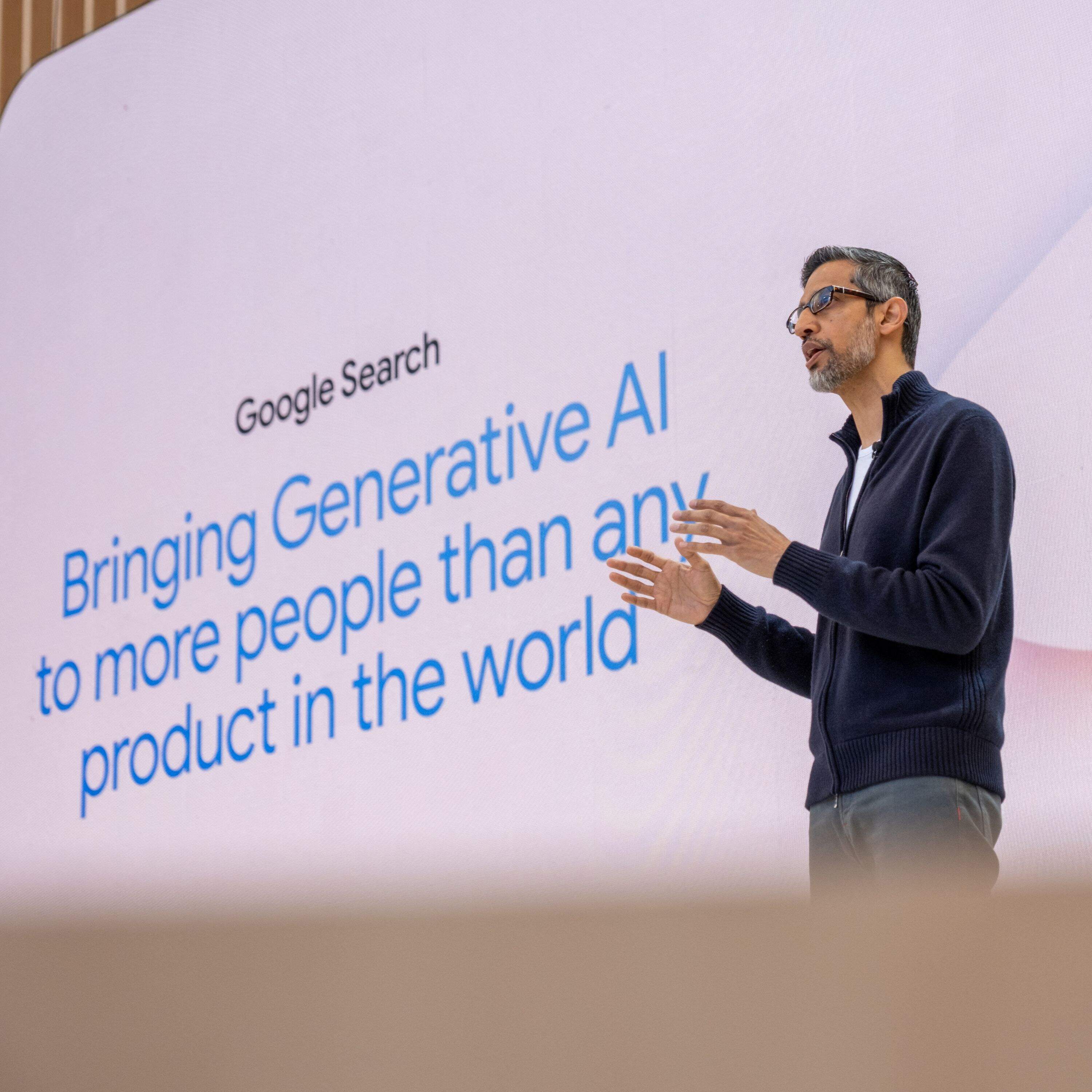
This NPR/Planet Money episode examines the rise of the “zero-click internet,” where people get answers directly from Google’s AI summaries or chatbots instead of clicking through to websites. The episode argues that this shift is reshaping the economics of the web, threatening publishers that rely on traffic for ad revenue, affiliate commissions, and subscriptions. It also explores how media companies are responding, from blocking AI crawlers to striking licensing deals and building bot-specific site versions.
What “zero-click” means
- Search results increasingly answer questions on the page itself, especially through AI-generated summaries.
- Users often no longer need to visit source websites, which reduces traffic across the web.
- This trend has been building for years through social platforms and search engines, but AI tools have accelerated it sharply.
- The episode frames this as a major shift in how value is captured online: platforms keep the audience, while publishers lose clicks.
Why publishers are worried
The old web business model is being disrupted
Many sites depend on:
- Display ads
- Affiliate links
- Traffic volume to sustain operations
If users stop visiting, those revenue streams shrink quickly.
Small publishers are especially vulnerable
The episode highlights All About Berlin, a site run by Nikola Bojan that helps newcomers navigate life in Berlin. It grew into a full-time business through affiliate commissions, but:
- Traffic reportedly dropped about 75% after Google introduced AI summaries.
- Income is down about 30% even after renegotiating affiliate deals.
- The site’s owner fears many similar niche sites may not survive.
Big publishers are also under pressure
The story notes that major outlets are adapting too, but the problem is widespread and changing fast.
How publishers are responding
1. Blocking AI crawlers
Some publishers are trying to stop AI companies from scraping their content.
2. Licensing and partnership deals
For example, Time has made deals with AI companies like OpenAI, exchanging content access for technology access.
3. Creating bot-friendly versions of sites
Time is building a stripped-down “markdown” version of its site for bots:
- Removes design and visual elements
- Leaves the core text and metadata
- Makes crawling easier and less computationally expensive
4. Legal and technical pushback
- Publishers like The New York Times are suing AI companies over alleged unauthorized training on their content.
- Companies like Cloudflare are developing tools that could let publishers charge bots to crawl their sites.
Key voices and insights
Amanda Natividad, SparkToro
- Says the zero-click trend is not just a UX improvement, but a serious economic threat.
- Argues that AI tools and platforms are increasingly “owning” the content and the audience.
Mark Howard, Time
- Emphasizes that the pace of change is unprecedented.
- Sees publishers experimenting with new ways to preserve value as AI reshapes search.
Nikola Bojan, All About Berlin
- Worries that many small, useful websites will disappear quietly.
- Suggests the internet may lose a lot of quirky, helpful resources before people realize what happened.
Main takeaway
The episode’s central argument is that AI summaries and chatbot answers are making the web less clickable, which may make the internet more convenient for users but less sustainable for the publishers who create its content. The long-term question is whether a healthy open web can survive if traffic keeps collapsing and the economic incentives for creating niche, useful websites disappear.
Bottom line
- For users: Faster answers, fewer clicks.
- For publishers: Less traffic, less revenue, more uncertainty.
- For the internet overall: A potential loss of the open-web ecosystem that supported diverse, independent sites.
Notable closing idea
The episode leaves listeners with a blunt irony: AI systems depend on web content to function, but if too many sites can’t survive financially, the very source material those systems rely on may start to disappear.