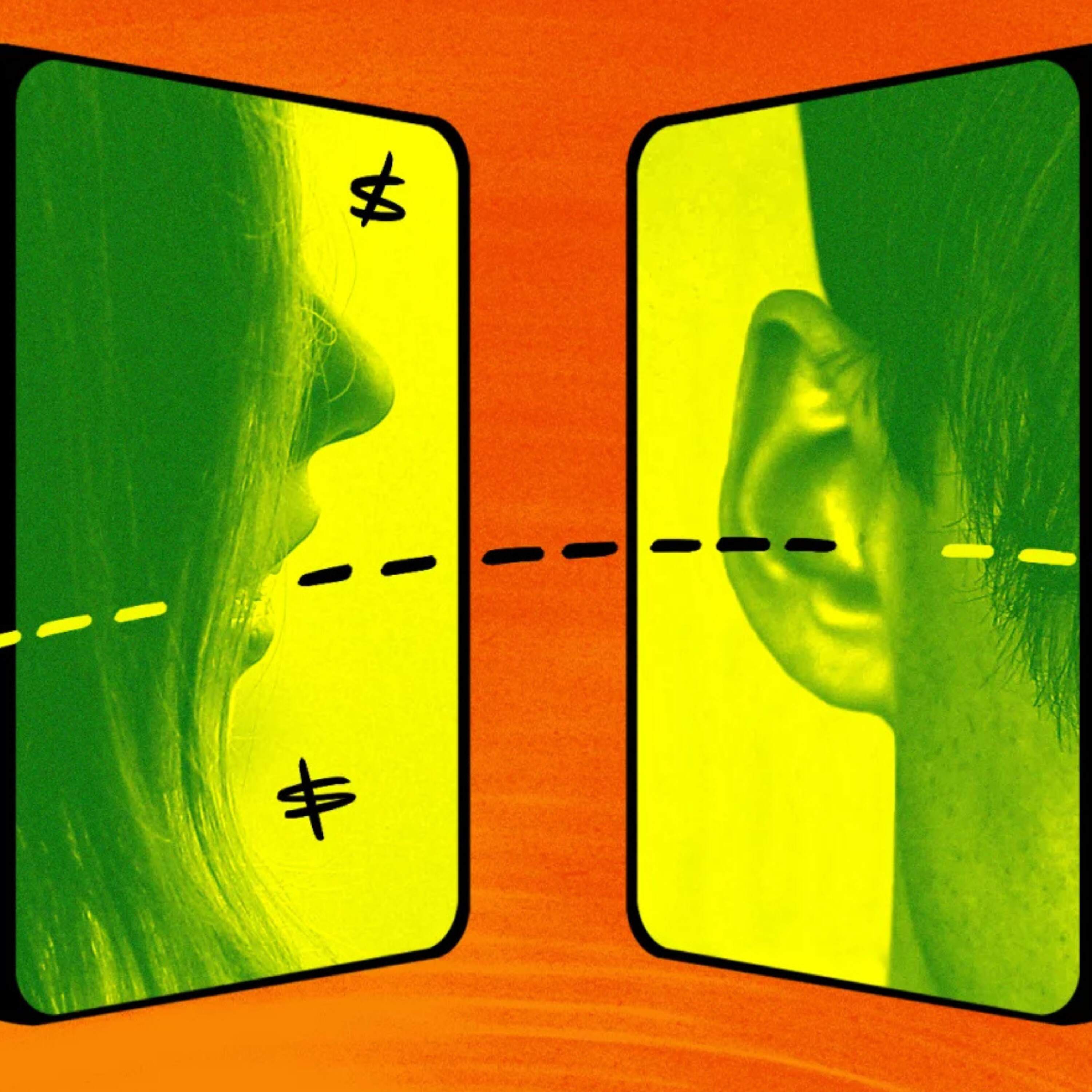
Overview of Who is a music industry plant? And does it matter?
This episode of NPR’s The Indicator looks at how music promotion has evolved from old-school payola to modern influencer marketing on TikTok and Instagram. Reporter Isabella Gomez-Sarmiento explains that record labels are increasingly paying music influencers to post about songs, often without clear disclosure, raising questions about trust, authenticity, and whether listeners can still tell what’s genuinely popular versus what’s being strategically marketed.
Key Takeaways
What “industry plant” really points to
- The phrase refers to an artist or song that appears to rise organically but is actually backed by heavy industry money and strategy.
- The episode focuses less on the label itself and more on the machinery behind manufactured buzz.
This is payola in a new form
- Paying people to promote music is not new.
- Historically, this was known as payola—especially when labels paid radio DJs to play songs.
- Payola was effectively outlawed after FCC crackdowns in 1960, but similar behavior has continued in disguised forms.
Social media created a gray area
- The FCC does not regulate social media the way it regulates radio.
- That has opened the door for labels and agencies to pay creators to push songs on TikTok and other platforms.
- These promotions can be hard to distinguish from genuine recommendations.
What the Investigation Found
Influencers are being paid to promote songs
- NPR spoke with five music influencers, some anonymously.
- They said they began as genuine fans recommending music, but were later approached by labels and agencies once their audiences grew.
- Payments reportedly ranged from $150 to $600 per post, depending on the campaign and the artist’s size.
Disclosure is inconsistent
- The FTC does require sponsored endorsements to be disclosed clearly.
- In practice, many influencers either do not disclose paid music promotions or are unsure where the line is between “sharing a song I like” and “advertising.”
Even influencers feel conflicted
- Some creators said they were initially uncomfortable taking payment for music recommendations.
- Others came to see it as fair compensation for influencing audiences and helping songs go viral.
Why It Matters
Trust in recommendations is at stake
- If paid promotions are not disclosed, audiences may believe they are getting honest recommendations from trusted creators.
- That can erode trust not just in one influencer, but in the whole ecosystem of music discovery.
It shapes what becomes popular
- A song can seem “everywhere” because it’s genuinely resonating—or because it’s being boosted by a coordinated marketing campaign.
- This creates a kind of social proof loop, where people are drawn to songs because they appear popular.
Independent artists may be disadvantaged
- If paying for influencer promotion becomes the norm, artists who can’t afford it may struggle to break through.
- The episode suggests the system may increasingly reward marketing power as much as musical quality.
Main Insight
The episode’s core argument is that good music can still be good music, even if it’s heavily marketed—but the bigger problem is when hidden promotion becomes normalized. That shifts the music industry toward a system where visibility is bought, trust is weakened, and audiences may no longer know whether they’re hearing genuine enthusiasm or paid persuasion.
Bottom Line
- Music promotion has always existed, but it has moved from radio and print into influencer culture.
- Social platforms make paid promotion easier to hide.
- The lack of transparency creates ethical and legal concerns.
- The real issue is not just whether an artist is “an industry plant,” but whether the audience is being misled about how fame is manufactured.