Overview of Why we're short on blood, water and helium
In this episode of NPR’s The Indicator from Planet Money, the hosts examine three different shortages that are all creating real-world pressure: blood, helium, and water. The conversation shows that shortages are not just about “not enough stuff” — they’re shaped by seasonal patterns, climate conditions, geopolitics, infrastructure, and how we prioritize limited resources.
Blood shortage: a national crisis
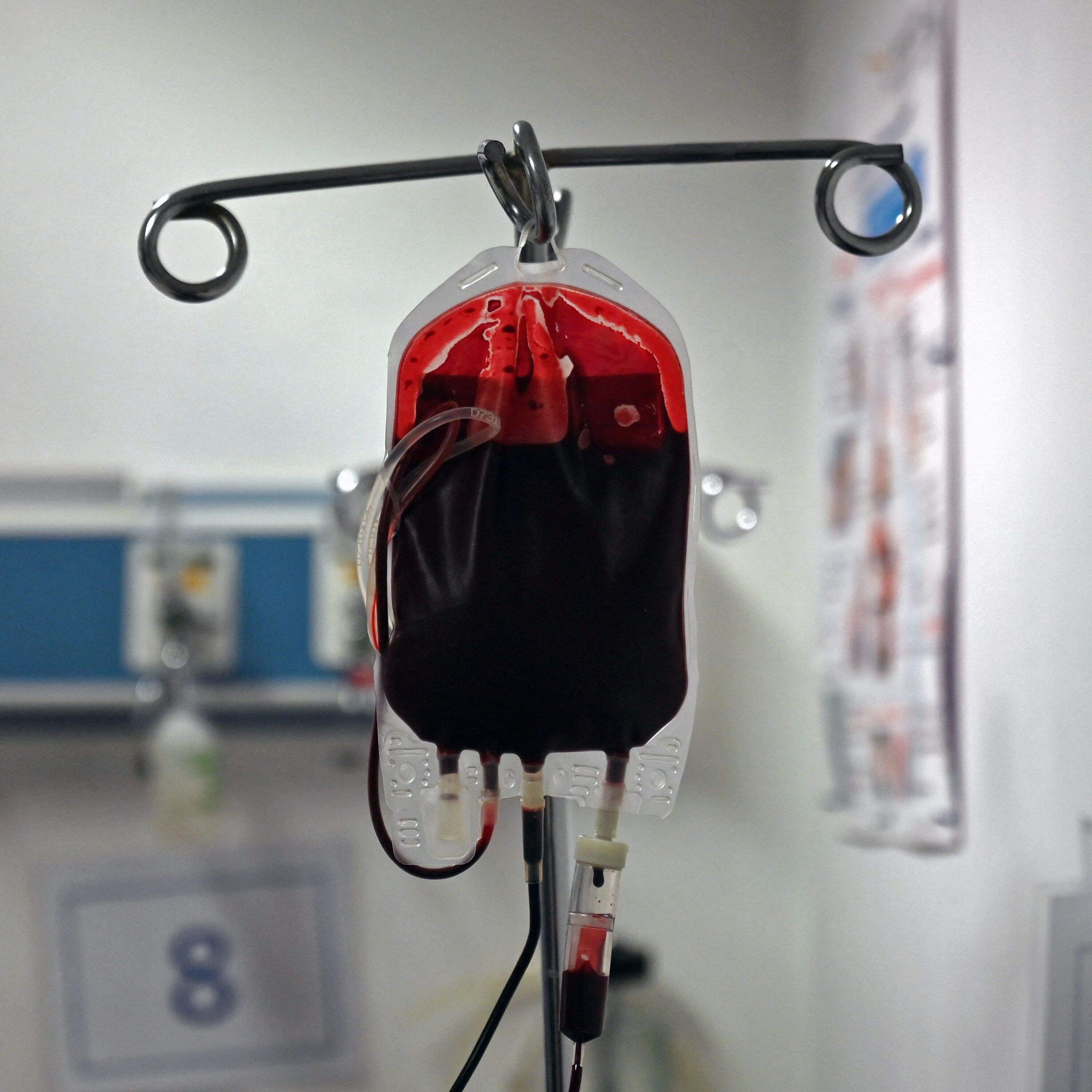
The American Red Cross has declared a national blood supply crisis, only the second time it has done so since the pandemic.
Why blood is running low
- Demand is up in summer because more people are injured while traveling, outdoors, or engaging in seasonal activities.
- Supply is down because fewer people are donating:
- Many regular donors are students who are out of school for the summer.
- Extreme heat, poor air quality, and illness are keeping many potential donors at home.
Why it matters
- Blood has no real substitute in many medical situations.
- The Red Cross says 1 in 7 hospital patients will need a transfusion.
- Shortages can force hospitals and doctors to make hard choices about who gets blood.
What can help
- Donating any blood type helps strengthen the supply.
- The Red Cross is currently restricting distributions of O-positive blood, but that is only a temporary fix.
Helium shortage: more serious than party balloons
The episode points out that helium shortages have been building for years, and the gas is far more important than its party reputation suggests.
Why helium is critical
Helium is used for:
- MRI machines
- Cooling nuclear reactors
- Semiconductor manufacturing
It is also useful because it can stay liquid at extremely low temperatures, and it cannot be manufactured — it must be extracted from natural gas.
Why supply is tight
- Demand is rising, especially because of the AI boom and the semiconductor industry.
- Qatar is a major supplier, accounting for about 35% of global helium production in 2024.
- Iranian drone and missile attacks have disrupted supply, and exports also face complications moving through the Strait of Hormuz.
What it means
- The U.S. cannot fully replace the missing supply.
- A former U.S. helium reserve was privatized in the 1990s.
- Current supplies are being prioritized for medical and scientific uses, making party balloons a lower priority.
Water shortage: the Colorado River system is under strain
The third shortage is water, especially in the western U.S., where states depend heavily on the Colorado River system.
The core problem
- The region was built around a Colorado River agreement that allocates water across seven states.
- For years, large reservoirs like Lake Powell and Lake Mead made the system seem stable.
- But long-term drought, declining snowpack, warming temperatures, and overuse have pushed the system into crisis.
What’s happening now
- The federal government is asking California, Arizona, and Nevada to make major cuts.
- States are disagreeing over who should cut more and how the burden should be shared.
- California sees the situation as a milestone in negotiations.
- Arizona and Nevada say the proposed cuts would be devastating.
Signs of progress
- Urban and suburban areas have improved conservation:
- Cities like Los Angeles, Denver, and Las Vegas are using less water even as populations grow.
- Small changes include requesting water in restaurants only when needed and reducing lawn watering.
The biggest lever
- About 70% of basin water use goes to agriculture.
- Roughly 55% of all basin water is used to grow alfalfa and grass for livestock feed.
- The episode suggests that without addressing agricultural use, the system cannot be brought into balance.
Main takeaways
- Shortages can come from a mix of seasonal demand, lower supply, climate effects, and political constraints.
- Some shortages, like blood, are things ordinary people can help relieve directly.
- Others, like helium and water, depend on industrial policy, infrastructure, and large-scale resource management.
- The episode emphasizes that the true challenge is not just scarcity, but how society chooses to allocate limited resources.
Practical actions mentioned
For listeners
- Donate blood if eligible.
- Conserve water, especially in drought-prone regions.
- Recognize that seemingly trivial resources like helium can be vital for medicine and technology.