The Indicator from Planet Money

by NPR
A bite-sized show about big ideas. From the people who make Planet Money, The Indicator helps you make sense of what's happening in today's economy. It's a quick hit of insight into money, work, and business. Monday through Friday, in 10 minutes or less. Sign up for our newsletter.
Episodes

The fired labor economist who couldn't get unemployment
A top labor economist encounters the endlessly frustrating labyrinth of filing for unemployment after getting fired by President Trump. Why are unemployment benefits so hard to get, and can we do anything to fix the system? <br/><br/>Fact checking by <a href="https://www.npr.org/people/1268825622/sierra-juarez"target="_blank" >Sierra Juarez</a>.<br/><br/><strong>Your Next Listen </strong><br>— <a href="http://lnk.to/inBkiL"target="_blank" >What you need to know about the job report revisions</a> <br/><br/><strong>Connect with The Indicator </strong><br>— Sign up for <a href="https://npr.org/indicatornewsletter"target="_blank" >The Indicator’s brand new newsletter</a><br>— Find our <a href="https://linktr.ee/indicator_npr"target="_blank" >socials, YouTube and more</a>! <br>— For sponsor-free episodes, <a href="https://plus.npr.org/"target="_blank" >subscribe to NPR+</a><br/><br/>See <a href="https://pcm.adswizz.com">pcm.adswizz.com</a> for information about our collection and use of personal data for sponsorship and to manage your podcast sponsorship preferences.<br/><br/><a href="https://www.npr.org/about-npr/179878450/privacy-policy">NPR Privacy Policy</a>

Who should new grads boo more? AI or remote work?
Is <a href="https://papers.ssrn.com/sol3/papers.cfm?abstract_id=6787638"target="_blank" >AI really to blame</a> for young people <a href="https://libertystreeteconomics.newyorkfed.org/2026/06/remote-work-leaves-younger-workers-sidelined/"target="_blank" >finding it hard to land first jobs</a>? Is Black unemployment a leading indicator for the rest of the economy? Here’s what the hosts of our Ambies award-winning business podcast think you should take away from the May jobs report.<br/><br/>Fact checking by <a href="https://www.npr.org/people/1268825622/sierra-juarez"target="_blank" >Sierra Juarez</a> and <a href="https://www.npr.org/people/nx-s1-63544/vito-emanuel"target="_blank" >Vito Emanuel</a>. <br/><br/><strong>Your Next Listen </strong><br>— <a href="https://lnk.to/NS9YKY"target="_blank" >Which jobs are future-proofed?</a> <br/><br/><strong>Connect with The Indicator </strong><br>— Sign up for <a href="https://npr.org/indicatornewsletter"target="_blank" >The Indicator’s brand new newsletter</a> <br>— Buy the <a href="https://lnk.to/i3AukBdDWE"target="_blank" >Planet Money book</a> <br>— Find our <a href="https://linktr.ee/indicator_npr"target="_blank" >socials, YouTube and more</a>! <br>— For sponsor-free episodes, <a href="https://plus.npr.org/"target="_blank" >subscribe to NPR+</a><br><br/><br/>See <a href="https://pcm.adswizz.com">pcm.adswizz.com</a> for information about our collection and use of personal data for sponsorship and to manage your podcast sponsorship preferences.<br/><br/><a href="https://www.npr.org/about-npr/179878450/privacy-policy">NPR Privacy Policy</a>

Equinomics, bag fees, and leftover campaign dollars
Our listeners have QUESTIONS about the economy. And we have answers. Today on the show, we look at why horse breeding might be slowing down, why airlines charge baggage fees, and where campaign cash actually goes. <br/><br/>Fact checking by <a href="https://www.npr.org/people/1268825622/sierra-juarez"target="_blank" >Sierra Juarez</a>. <br/><br/><strong>Your Next Listen </strong><br>— <a href="https://lnk.to/5aUzF0NI"target="_blank" >Can the yield curve still predict recessions? <br></a><br><strong>Connect with The Indicator </strong><br>— Sign up for <a href="https://npr.org/indicatornewsletter"target="_blank" >The Indicator’s brand new newsletter</a> <br>— Find our <a href="https://linktr.ee/indicator_npr"target="_blank" >socials, YouTube and more</a>! <br>— For sponsor-free episodes, <a href="https://plus.npr.org/"target="_blank" >subscribe to NPR+</a> <br><br/><br/>See <a href="https://pcm.adswizz.com">pcm.adswizz.com</a> for information about our collection and use of personal data for sponsorship and to manage your podcast sponsorship preferences.<br/><br/><a href="https://www.npr.org/about-npr/179878450/privacy-policy">NPR Privacy Policy</a>

Can the internet be reclaimed from Big Tech?
Why one former senior advisor of the FTC thinks a <a href="https://www.penguinrandomhouse.com/books/833829/reclaiming-the-internet-by-olivier-sylvain/"target="_blank" >libertarian myth of the internet</a> has given Big Tech too much power.<br/><br/>Fact checking by Vito Emanuel.<br/><br/><strong>Your Next Listen </strong><br>— <a href="https://lnk.to/XjpHn6WE"target="_blank" >Why infinite scroll's inventor wants to kill his creation<br></a><br><strong>Connect with The Indicator </strong><br>— Sign up for <a href="https://npr.org/indicatornewsletter"target="_blank" >The Indicator’s brand new newsletter</a><br>— Find our <a href="https://linktr.ee/indicator_npr"target="_blank" >socials, YouTube and more</a>!<br>— For sponsor-free episodes, <a href="https://plus.npr.org/"target="_blank" >subscribe to NPR+</a> <br/><br/>See <a href="https://pcm.adswizz.com">pcm.adswizz.com</a> for information about our collection and use of personal data for sponsorship and to manage your podcast sponsorship preferences.<br/><br/><a href="https://www.npr.org/about-npr/179878450/privacy-policy">NPR Privacy Policy</a>

Why boardinghouses could make a comeback
There is a burgeoning effort across the U.S. to revive boardinghouses, aka single room occupancy units or SROs, as a solution to the housing crisis. But what happened to them in the first place? We track the disappearance of the first rung of the housing ladder.<br/><br/>Fact-checking by Vito Emanuel. <br/><br/><strong>Your Next Listen </strong><br>— <a href="http://lnk.to/HevSSF"target="_blank" >How to build abundantly</a> <br/><br/><strong>Connect with The Indicator </strong><br>— Sign up for <a href="https://npr.org/indicatornewsletter"target="_blank" >The Indicator’s brand new newsletter</a> <br>— Find our <a href="https://linktr.ee/indicator_npr"target="_blank" >socials, YouTube and more</a>! <br>— For sponsor-free episodes, <a href="https://plus.npr.org/"target="_blank" >subscribe to NPR+</a> <br/><br/>See <a href="https://pcm.adswizz.com">pcm.adswizz.com</a> for information about our collection and use of personal data for sponsorship and to manage your podcast sponsorship preferences.<br/><br/><a href="https://www.npr.org/about-npr/179878450/privacy-policy">NPR Privacy Policy</a>

How AI is clogging the courtroom
AI has made it infinitely easier for anyone who can’t afford a lawyer, can’t get one, or doesn't want one to file a lawsuit and pro se cases are skyrocketing. But the wins haven’t followed and courts are starting to get overwhelmed with new AI filings. Today on the show, what happens when AI gets its day in court.<br/><br/><strong>Your Next Listen </strong><br> — <a href="https://www.npr.org/sections/money/2020/09/29/917824026/most-people-cant-afford-legal-help-1-reformer-wants-to-change-that?amp=&=&=&=&=&=&orgid="target="_blank" >Most People Can’t Afford Legal Help. 1 Reformer Wants To Change That</a><br/><br/><strong>Connect with The Indicator </strong><br>— Sign up for <a href="https://npr.org/indicatornewsletter"target="_blank" >The Indicator’s brand new newsletter</a><br>— Buy the <a href="https://lnk.to/i3AukBdDWE"target="_blank" >Planet Money book</a><br>— Find our <a href="https://linktr.ee/indicator_npr"target="_blank" >socials, YouTube and more</a>!<br>— For sponsor-free episodes, <a href="https://plus.npr.org/"target="_blank" >subscribe to NPR+</a> <br/><br/>Fact checking by <a href="https://www.npr.org/people/1268825622/sierra-juarez"target="_blank" >Sierra Juarez</a>.<br/><br/>See <a href="https://pcm.adswizz.com">pcm.adswizz.com</a> for information about our collection and use of personal data for sponsorship and to manage your podcast sponsorship preferences.<br/><br/><a href="https://www.npr.org/about-npr/179878450/privacy-policy">NPR Privacy Policy</a>

Obsession, the most fun job in China, and a new green card policy
It’s Indicators of the Week (now on <a href="https://www.youtube.com/@planetmoney"target="_blank" >YouTube</a>!). It’s our weekly look at some of the most fascinating economic numbers from the news. <br/><br/>On today’s episode: China’s baaaaad job market has led to an interest in <a href="https://www.reuters.com/business/world-at-work/job-ad-shepherds-goes-viral-china-exposing-labour-market-strains-2026-05-27/"target="_blank" >becoming a shepherd</a>, a young YouTuber strikes Hollywood gold, and the Trump administration's new green card policy is telling immigrants to 'go home.'<br/><br/>Fact checking by Vito Emanuel. <br/><br/><strong>Your Next Listen </strong><br>— <a href="https://lnk.to/e6JDrOWE"target="_blank" >We're about to lose a lot of foreign STEM workers<br></a><br><strong>Connect with The Indicator </strong><br>— Sign up for <a href="https://npr.org/indicatornewsletter"target="_blank" >The Indicator’s brand new newsletter</a> <br>— Find our <a href="https://linktr.ee/indicator_npr"target="_blank" >socials, YouTube and more</a>! <br>— For sponsor-free episodes, <a href="https://plus.npr.org/"target="_blank" >subscribe to NPR+</a> <br><br/><br/>See <a href="https://pcm.adswizz.com">pcm.adswizz.com</a> for information about our collection and use of personal data for sponsorship and to manage your podcast sponsorship preferences.<br/><br/><a href="https://www.npr.org/about-npr/179878450/privacy-policy">NPR Privacy Policy</a>

Saudi’s LIV golf exit is just the start
Is Saudi Arabia no longer a <em>golf</em> state? The Saudi sovereign wealth fund poured billions into culture and sports in the last decade, none more high profile than LIV Golf, a rival to the PGA. So why is it reversing course now?<br/><br/>Fact checking by Vito Emanuel. <br/><br/><strong>Your Next Listen </strong><br>— <a href="http://lnk.to/IRHXVU"target="_blank" >Why Saudi Arabia is building a new city in the desert</a> <br/><br/><strong>Connect with The Indicator </strong><br>— Sign up for <a href="https://npr.org/indicatornewsletter"target="_blank" >The Indicator’s brand new newsletter</a> <br>— Find our <a href="https://linktr.ee/indicator_npr"target="_blank" >socials, YouTube and more</a>! <br>— For sponsor-free episodes, <a href="https://plus.npr.org/"target="_blank" >subscribe to NPR+</a> <br><br/><br/>See <a href="https://pcm.adswizz.com">pcm.adswizz.com</a> for information about our collection and use of personal data for sponsorship and to manage your podcast sponsorship preferences.<br/><br/><a href="https://www.npr.org/about-npr/179878450/privacy-policy">NPR Privacy Policy</a>

What the movies teach us about recessions, memestocks and gold
<br>The Indicator hosts Adrian Ma and Wailin Wong discuss their favorite econ and business movies.<br/><br/>Fact checking by <a href="https://www.npr.org/people/1268825622/sierra-juarez"target="_blank" >Sierra Juarez</a>.<br/><br/><strong>Your Next Listen </strong><br>—<a href="https://lnk.to/jwrwWkWE"target="_blank" >Before La La Land, there was Fort Lee, New Jersey</a><br/><br/><strong>Connect with The Indicator </strong><br>— Sign up for <a href="https://npr.org/indicatornewsletter"target="_blank" >The Indicator’s brand new newsletter</a><br>— Find our <a href="https://linktr.ee/indicator_npr"target="_blank" >socials, YouTube and more</a>!<br>— For sponsor-free episodes, <a href="https://plus.npr.org/"target="_blank" >subscribe to NPR+</a> <br/><br/>See <a href="https://pcm.adswizz.com">pcm.adswizz.com</a> for information about our collection and use of personal data for sponsorship and to manage your podcast sponsorship preferences.<br/><br/><a href="https://www.npr.org/about-npr/179878450/privacy-policy">NPR Privacy Policy</a>

Who’s behind that shell company? We may never know
Why is a law to reign in shell companies getting shelved by the Trump administration? The Corporate Transparency Act had bipartisan support, until it didn’t. We explain what the law was designed to do and why it’s on life support. Fact checking by <a href="https://www.npr.org/people/1268825622/sierra-juarez"target="_blank" >Sierra Juarez</a>. <br/><br/><strong>Your Next Listen </strong><br>— <a href="https://lnk.to/e6tjLVWE"target="_blank" >We set up a shell company</a> <br/><br/><strong>Connect with The Indicator </strong><br>— Sign up for <a href="https://npr.org/indicatornewsletter"target="_blank" >The Indicator’s brand new newsletter</a> <br>— Find our <a href="https://linktr.ee/indicator_npr"target="_blank" >socials, YouTube and more</a>! <br>— For sponsor-free episodes, <a href="https://plus.npr.org/"target="_blank" >subscribe to NPR+</a><br/><br/>See <a href="https://pcm.adswizz.com">pcm.adswizz.com</a> for information about our collection and use of personal data for sponsorship and to manage your podcast sponsorship preferences.<br/><br/><a href="https://www.npr.org/about-npr/179878450/privacy-policy">NPR Privacy Policy</a>

Game of 'roids, trader Trump, and searching for Shakira's tax residence
Diving deep into President Trump’s <a href="https://popular.info/p/the-smoking-guns-in-trumps-new-financial"target="_blank" >many stock trades</a>, a peptide business posing as a sporting event and a new breakthrough in Shakira’s ongoing tax drama. <br/><br/>Fact checking by <a href="https://www.npr.org/people/1268825622/sierra-juarez"target="_blank" >Sierra Juarez</a>. <br/><br/><strong>Your Next Listen </strong><br>— <a href="http://lnk.to/3a4COl"target="_blank" >Trump crypto, Trump ballroom and Trump drones</a> <br/><br/><strong>Connect with The Indicator </strong><br>— Sign up for <a href="https://npr.org/indicatornewsletter"target="_blank" >The Indicator’s brand new newsletter</a> <br>— Find our <a href="https://linktr.ee/indicator_npr"target="_blank" >socials, YouTube and more</a>! <br>— For sponsor-free episodes, <a href="https://plus.npr.org/"target="_blank" >subscribe to NPR+</a> <br/><br/>See <a href="https://pcm.adswizz.com">pcm.adswizz.com</a> for information about our collection and use of personal data for sponsorship and to manage your podcast sponsorship preferences.<br/><br/><a href="https://www.npr.org/about-npr/179878450/privacy-policy">NPR Privacy Policy</a>

So ... how long until these oil prices get REALLY bad
The US-Israel War in Iran is almost three months in and oil prices have risen, but they’re not catastrophic … yet. Why isn't the price of oil even higher? We learn about how the world is adapting to the blocked Strait of Hormuz. <br/><br/>Fact checking by <a href="https://www.npr.org/people/1268825622/sierra-juarez"target="_blank" >Sierra Juarez</a>. <br/><br/><strong>Your Next Listen </strong><br>— <a href="https://lnk.to/ucHTcGWE"target="_blank" >Think the oil shock is bad in the US? Look here</a><br/><br/><strong>Connect with The Indicator </strong><br>— Sign up for <a href="https://npr.org/indicatornewsletter"target="_blank" >The Indicator’s brand new newsletter</a> <br>— Find our <a href="https://linktr.ee/indicator_npr"target="_blank" >socials, YouTube and more</a>! <br>— For sponsor-free episodes, <a href="https://plus.npr.org/"target="_blank" >subscribe to NPR+</a> <br><br/><br/>See <a href="https://pcm.adswizz.com">pcm.adswizz.com</a> for information about our collection and use of personal data for sponsorship and to manage your podcast sponsorship preferences.<br/><br/><a href="https://www.npr.org/about-npr/179878450/privacy-policy">NPR Privacy Policy</a>

It's come to this: Human certification in the age of AI slop
In an era of AI slop, we find out how some artists are seeking out human verification for their work. Plus, we prove our own episode is 100% human-made. <br/><br/>Fact checking by <a href="https://www.npr.org/people/1268825622/sierra-juarez"target="_blank" >Sierra Juarez</a>. <br><strong>Your Next Listen </strong>— <a href="https://lnk.to/aoO0qjWE"target="_blank" >Can you copyright artwork made using AI?</a> <br/><br/><strong>Connect with The Indicator </strong>— Sign up for <a href="https://npr.org/indicatornewsletter"target="_blank" >The Indicator’s brand new newsletter</a> <br>— Find our <a href="https://linktr.ee/indicator_npr"target="_blank" >socials, YouTube and more</a>! <br>— For sponsor-free episodes, <a href="https://plus.npr.org/"target="_blank" >subscribe to NPR+</a> <br/><br/>See <a href="https://pcm.adswizz.com">pcm.adswizz.com</a> for information about our collection and use of personal data for sponsorship and to manage your podcast sponsorship preferences.<br/><br/><a href="https://www.npr.org/about-npr/179878450/privacy-policy">NPR Privacy Policy</a>

Why GLP-1s aren't lowering employers' costs
The vast majority of employer health plans do not cover GLP-1s for weight loss. But roughly 20% do, many believing it will help their bottom line. Perhaps when employees take Wegovy or Zepbound, they’ll need less medical care tied to health issues from obesity. Today on the show, can GLP-1s save employers money in the long run?<br/><br/>Fact checking by <a href="https://www.npr.org/people/1268825622/sierra-juarez"target="_blank" >Sierra Juarez</a>.<br/><br/><strong>Your Next Listen </strong><br/><br/>— <a href="https://lnk.to/92GYT4WE"target="_blank" >No healthcare premiums? In this economy?! Here's how.</a><br>— <a href="https://tradeoffs.org/2026/04/16/should-people-who-want-glp-1s-have-to-work-for-them/"target="_blank" >Julie Wernau's original episode with TradeOffs</a><br/><br/><strong>Connect with The Indicator </strong><br>— Sign up for <a href="https://npr.org/indicatornewsletter"target="_blank" >The Indicator’s brand new newsletter</a><br>— Find our <a href="https://linktr.ee/indicator_npr"target="_blank" >socials, YouTube and more</a>!<br>— For sponsor-free episodes, <a href="https://plus.npr.org/"target="_blank" >subscribe to NPR+</a> <br><br/><br/>See <a href="https://pcm.adswizz.com">pcm.adswizz.com</a> for information about our collection and use of personal data for sponsorship and to manage your podcast sponsorship preferences.<br/><br/><a href="https://www.npr.org/about-npr/179878450/privacy-policy">NPR Privacy Policy</a>
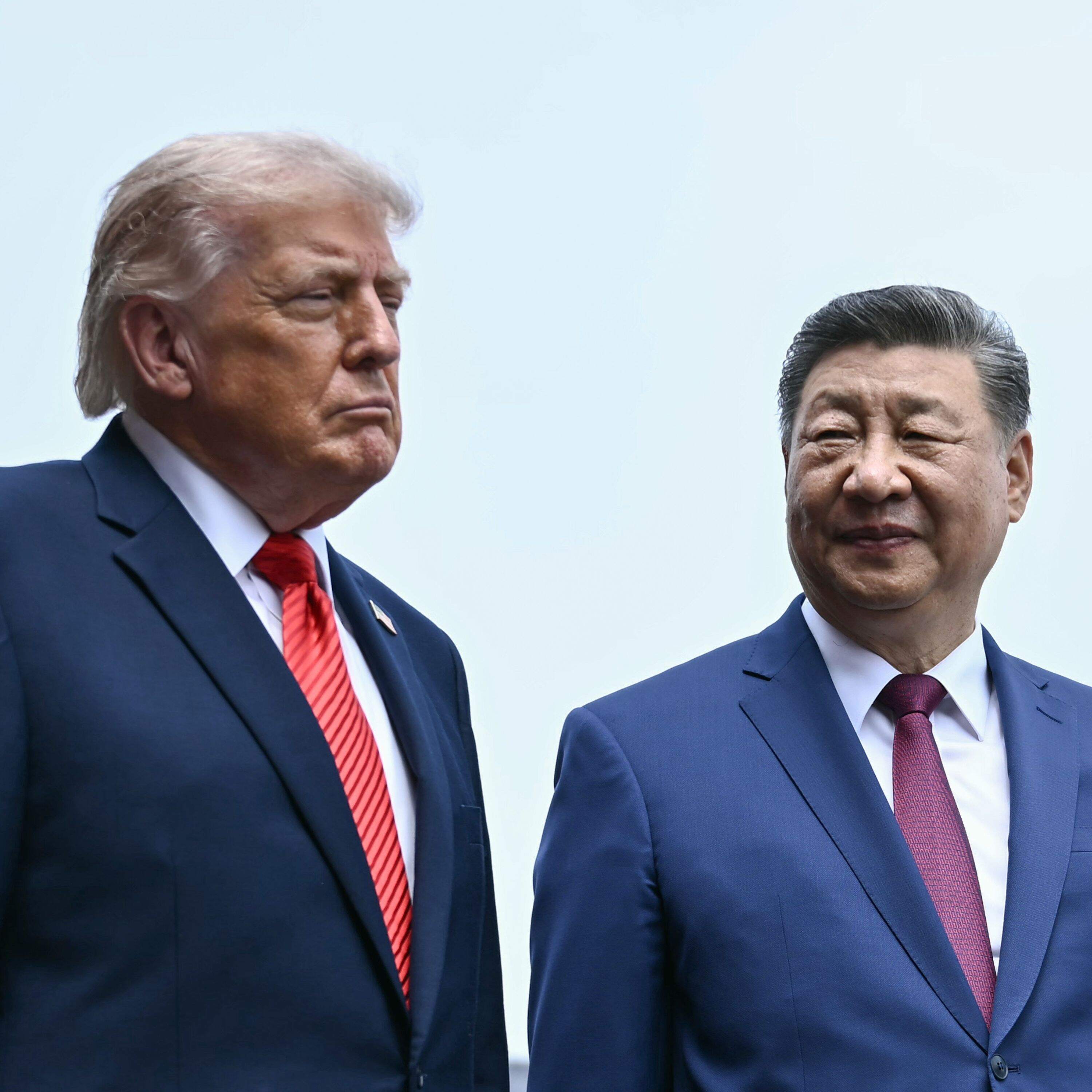
Taiwan arms sales, Board of Trade, and Chinamaxxing
Unpacking Donald Trump’s trip to China: arms sales to Taiwan, the Board of Trade proposal and China’s growing soft power. <br/><br/>Fact checking by <a href="https://www.npr.org/people/1268825622/sierra-juarez"target="_blank" >Sierra Juarez</a>. <br/><br/><strong>Your Next Listen </strong><br>— <a href="https://lnk.to/jHDnjB"target="_blank" >What might save China's economy</a> <br/><br/><strong>Connect with The Indicator </strong><br>— Sign up for <a href="https://npr.org/indicatornewsletter"target="_blank" >The Indicator’s brand new newsletter</a> <br>— Find our <a href="https://linktr.ee/indicator_npr"target="_blank" >socials, YouTube and more</a>! <br>— For sponsor-free episodes, <a href="https://plus.npr.org/"target="_blank" >subscribe to NPR+</a> <br/><br/>See <a href="https://pcm.adswizz.com">pcm.adswizz.com</a> for information about our collection and use of personal data for sponsorship and to manage your podcast sponsorship preferences.<br/><br/><a href="https://www.npr.org/about-npr/179878450/privacy-policy">NPR Privacy Policy</a>

GameStop rejected, a troubling loan trend, and no to pre-IPO AI shares
On today’s Indicators of the Week: the Gamestop and eBay romance that never was, more and more people are taking out loans for everyday things, and no, everyday people can’t invest in OpenAI and Anthropic before they’ve gone public. <br/><br/>Fact checking by Julia Ritchey and Corey Bridges. <br/><br/><strong>Your Next Listen <br></strong>— <a href="https://lnk.to/WWdNonWE"target="_blank" >OpenAI's deals are looking a little frothy</a> <br/><br/><strong>Connect with The Indicator </strong><br>— Sign up for <a href="https://npr.org/indicatornewsletter"target="_blank" >The Indicator’s brand new newsletter</a> <br>— Find our <a href="https://linktr.ee/indicator_npr"target="_blank" >socials, YouTube and more</a>! <br>— For sponsor-free episodes, <a href="https://plus.npr.org/"target="_blank" >subscribe to NPR+</a> <br/><br/>See <a href="https://pcm.adswizz.com">pcm.adswizz.com</a> for information about our collection and use of personal data for sponsorship and to manage your podcast sponsorship preferences.<br/><br/><a href="https://www.npr.org/about-npr/179878450/privacy-policy">NPR Privacy Policy</a>

How Trump's central bank beef could hurt the economy
A new documentary from Frontline PBS, called “The President vs. the Fed”, helps us make sense of the unprecedented power struggle between the world’s most powerful politician and the world’s most powerful bank. You can watch the film, directed by Frontline Correspondent James Jacoby, on <a href="https://www.pbs.org/show/frontline/"target="_blank" >Frontline’s website</a>, <a href="https://www.youtube.com/frontline"target="_blank" >YouTube channel</a>, or the PBS app. <br/><br/>Fact checking by <a href="https://www.npr.org/people/1268825622/sierra-juarez"target="_blank" >Sierra Juarez</a>.<br/><br/><strong>Your Next Listen </strong><br>— <a href="https://www.npr.org/2025/08/26/nx-s1-5518335/trumps-unprecedented-attack-on-the-fed"target="_blank" >Trump’s unprecedented attack on the Fed</a><br>— <a href="https://www.npr.org/2026/01/13/nx-s1-5675867/one-fed-battle-after-another"target="_blank" >One Fed battle after another<br></a><br><strong>Connect with The Indicator </strong><br>— Sign up for the <a href="https://npr.org/indicatornewsletter"target="_blank" >Indicator’s brand new newsletter<br></a>— Find our <a href="https://linktr.ee/indicator_npr"target="_blank" >socials, newsletter, YouTube and more</a>!<br>— For sponsor-free episodes, <a href="http://plus.npr.org"target="_blank" >subscribe to PlanetMoney+</a> <br><br/><br/>See <a href="https://pcm.adswizz.com">pcm.adswizz.com</a> for information about our collection and use of personal data for sponsorship and to manage your podcast sponsorship preferences.<br/><br/><a href="https://www.npr.org/about-npr/179878450/privacy-policy">NPR Privacy Policy</a>

Should NATO be pay-to-protect?
NATO was formed after World War 2 as a collective security alliance that would prevent future world wars. But President Trump sees NATO more like a transaction between countries where allies have to pay up or be left undefended. On today’s episode: How NATO is actually funded, why this longstanding alliance is under strain, and how the U.S. could pay the cost for these frayed relationships.<br/><br/>Fact checking by <a href="https://www.npr.org/people/1268825622/sierra-juarez"target="_blank" >Sierra Juarez</a>.<br/><br/><strong>Your Next Listen</strong><br/><br/>— <a href="https://www.npr.org/2025/02/27/1234145477/nato-new-relationship-trump-america"target="_blank" >Europe's NATO members take an economic hit<br/><br/></a><strong>Connect with The Indicator </strong><br>— Sign up for the <a href="https://npr.org/indicatornewsletter"target="_blank" >Indicator’s brand new newsletter</a> <br>— Find our <a href="https://linktr.ee/indicator_npr"target="_blank" >socials, newsletter, YouTube and more</a>!<br>— For sponsor-free episodes, <a href="http://plus.npr.org"target="_blank" >subscribe to PlanetMoney+</a> <br/><br/>See <a href="https://pcm.adswizz.com">pcm.adswizz.com</a> for information about our collection and use of personal data for sponsorship and to manage your podcast sponsorship preferences.<br/><br/><a href="https://www.npr.org/about-npr/179878450/privacy-policy">NPR Privacy Policy</a>
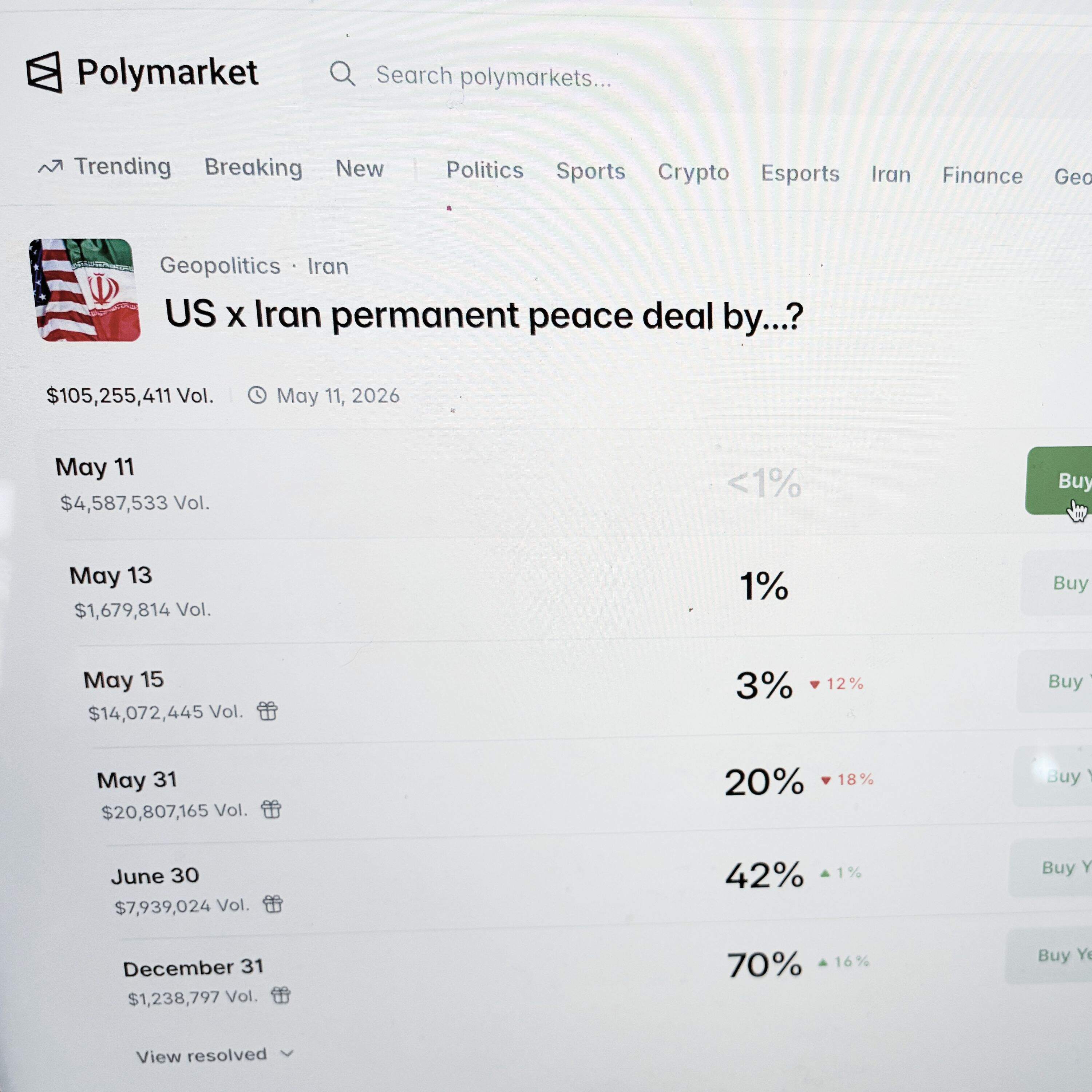
Prediction markets are threatening national security. Who's gonna fix it?
It’s the Wild West of online betting. Prediction markets have been plagued by insider trading allegations, ethical questions and even national security concerns. Today on the show, what are sites like Polymarket doing to self-police, and what other regulations might be necessary? We talk to one U.S. senator with some ideas. <br/><br/>The Indicator has a weekly newsletter! Sign up now: <a href="http://npr.org/newsletter/indicator"target="_blank" >npr.org/indicatornewsletter</a> <br><strong><br>Related: </strong><br><a href="https://www.npr.org/2026/04/20/nx-s1-5789071/is-anyone-gonna-do-anything-about-these-iran-war-trades"target="_blank" >Is anyone gonna do anything about these Iran War trades?</a> <br><a href="https://www.npr.org/2026/04/17/nx-s1-5789382/kalshi-polymarket-prediction-market-ceo-tarek-mansour"target="_blank" >Do prediction market bettors make anything better?</a> <br><a href="https://www.npr.org/2026/05/01/nx-s1-5806337/polymarket-bots-lithium-found-lots-marathon-shoe-thoughts"target="_blank" >Polymarket bots, lithium found: lots!, marathon shoe thoughts</a> <br/><br/><em>For sponsor-free episodes of The Indicator from Planet Money, subscribe to Planet Money+ via Apple Podcasts or at </em><a href="http://plus.npr.org/"target="_blank" ><em>plus.npr.org</em></a><em>.</em> <em>Fact-checking by </em><a href="https://www.npr.org/people/1268825622/sierra-juarez"target="_blank" ><em>Sierra Juarez</em></a><em>. </em><em>Music by </em><a href="https://dropelectric.bandcamp.com/"target="_blank" ><em>Drop Electric</em></a><em>. Find us: </em><a href="https://www.tiktok.com/@planetmoney"target="_blank" ><em>TikTok</em></a>, <a href="https://www.instagram.com/planetmoney/"target="_blank" ><em>Instagram</em></a>, <a href="https://www.facebook.com/planetmoney"target="_blank" ><em>Facebook</em></a>, <a href="http://npr.org/indicatornewsletter"target="_blank" ><em>Newsletter</em></a><em>. </em> <br/><br/>See <a href="https://pcm.adswizz.com">pcm.adswizz.com</a> for information about our collection and use of personal data for sponsorship and to manage your podcast sponsorship preferences.<br/><br/><a href="https://www.npr.org/about-npr/179878450/privacy-policy">NPR Privacy Policy</a>

The new AI model that could steal your life savings
Anthropic’s AI model, Claude Mythos, is very powerful. SO powerful it can find software vulnerabilities that might let it, I don’t know, steal your bank login information. Anthropic is holding back the model from a wider release for now. Today on the show, how worried should we really be about Mythos? And are its capabilities actually unique? <br/><br/>The Indicator has a weekly newsletter! Sign up now: <a href="http://npr.org/newsletter/indicator"target="_blank" >npr.org/indicatornewsletter</a> <br/><br/><strong>Related episodes: </strong><br><a href="https://www.npr.org/2025/10/06/nx-s1-5561881/fighting-ai-with-ai"target="_blank" >Fighting AI with AI</a> <br><a href="https://www.npr.org/2025/10/09/nx-s1-5562031/how-ai-might-mess-with-financial-markets"target="_blank" >How AI might mess with financial models</a> <br/><br/><em>For sponsor-free episodes of The Indicator from Planet Money, subscribe to Planet Money+ via Apple Podcasts or at </em><a href="http://plus.npr.org/"target="_blank" ><em>plus.npr.org</em></a><em>.</em> <em>Fact-checking by </em><a href="https://www.npr.org/people/1268825622/sierra-juarez"target="_blank" ><em>Sierra Juarez</em></a><em>. </em><em>Music by </em><a href="https://dropelectric.bandcamp.com/"target="_blank" ><em>Drop Electric</em></a><em>. Find us: </em><a href="https://www.tiktok.com/@planetmoney"target="_blank" ><em>TikTok</em></a>, <a href="https://www.instagram.com/planetmoney/"target="_blank" ><em>Instagram</em></a>, <a href="https://www.facebook.com/planetmoney"target="_blank" ><em>Facebook</em></a>, <a href="http://npr.org/indicatornewsletter"target="_blank" ><em>Newsletter</em></a><em>. </em> <br><br/><br/>See <a href="https://pcm.adswizz.com">pcm.adswizz.com</a> for information about our collection and use of personal data for sponsorship and to manage your podcast sponsorship preferences.<br/><br/><a href="https://www.npr.org/about-npr/179878450/privacy-policy">NPR Privacy Policy</a>