Overview of A trucker, a farmer, and an entrepreneur walk into a global supply shock
This episode of The Indicator from Planet Money (NPR) examines how the U.S.–Israel war with Iran triggered a global supply shock by pushing up energy prices — and how that ripple effect is hitting everyday Americans. Reporters talk with a long‑haul trucker, an Iowa corn farmer, and the CEO of a company that makes a plastic alternative to show concrete, on‑the‑ground consequences and possible responses.
Key takeaways
- A geopolitical conflict in the Middle East raised oil and natural gas prices, producing a broad supply shock that increases costs for fuel, fertilizer, and plastics.
- Short‑term coping options for affected businesses are limited; longer‑term adjustments include switching inputs (e.g., planting soy instead of corn) or adopting material substitutes.
- Industry structure matters: concentrated markets (fertilizer) can amplify price pressures and squeeze producers.
- Some firms (e.g., makers of plastic alternatives) may become more competitive as oil‑derived inputs rise, but scaling and product differences limit rapid substitution.
What happened (the mechanics)
- Diesel prices rose sharply — about 33% on March 9 compared with a month earlier — increasing per‑fill costs for truckers and transport firms.
- Natural gas prices rose because a significant share of global liquefied natural gas (LNG) flows through the Persian Gulf (transcript cites ~20% of global LNG), pushing up nitrogen fertilizer costs (most nitrogen fertilizer uses natural gas as an input).
- Plastic (polyethylene) prices jumped roughly 30% in the first weeks of the conflict because most plastics are oil‑derived.
Interviews: snapshots and concrete impacts
Truck driver — Forrest Atkinson
- Drives long haul and lives out of her truck.
- Higher diesel means hundreds more dollars per refill. Employer currently picks up fuel costs but may restrict which stations drivers can use when prices spike.
- Owner‑operators (drivers who own their trucks) are more vulnerable because they directly absorb fuel cost volatility.
Farmer — Mark Mueller (Iowa)
- Corn farmer; fertilizer is his single biggest input cost.
- Fertilizer prices rose as natural gas prices increased; because fertilizer is traded globally, foreign demand can push U.S. prices up even though the U.S. is a net gas exporter.
- Limited short‑term choices: buy fertilizer at higher prices, delay equipment purchases, switch to soybeans (which fix nitrogen from the air) — but switching has market/timing risks (competition from Brazil, China policy swings).
- Concerned about consolidation: from ~20 fertilizer companies decades ago to about four now, reducing competition and increasing vulnerability. Quote from transcript: “The fertilizer industry has us hostage.”
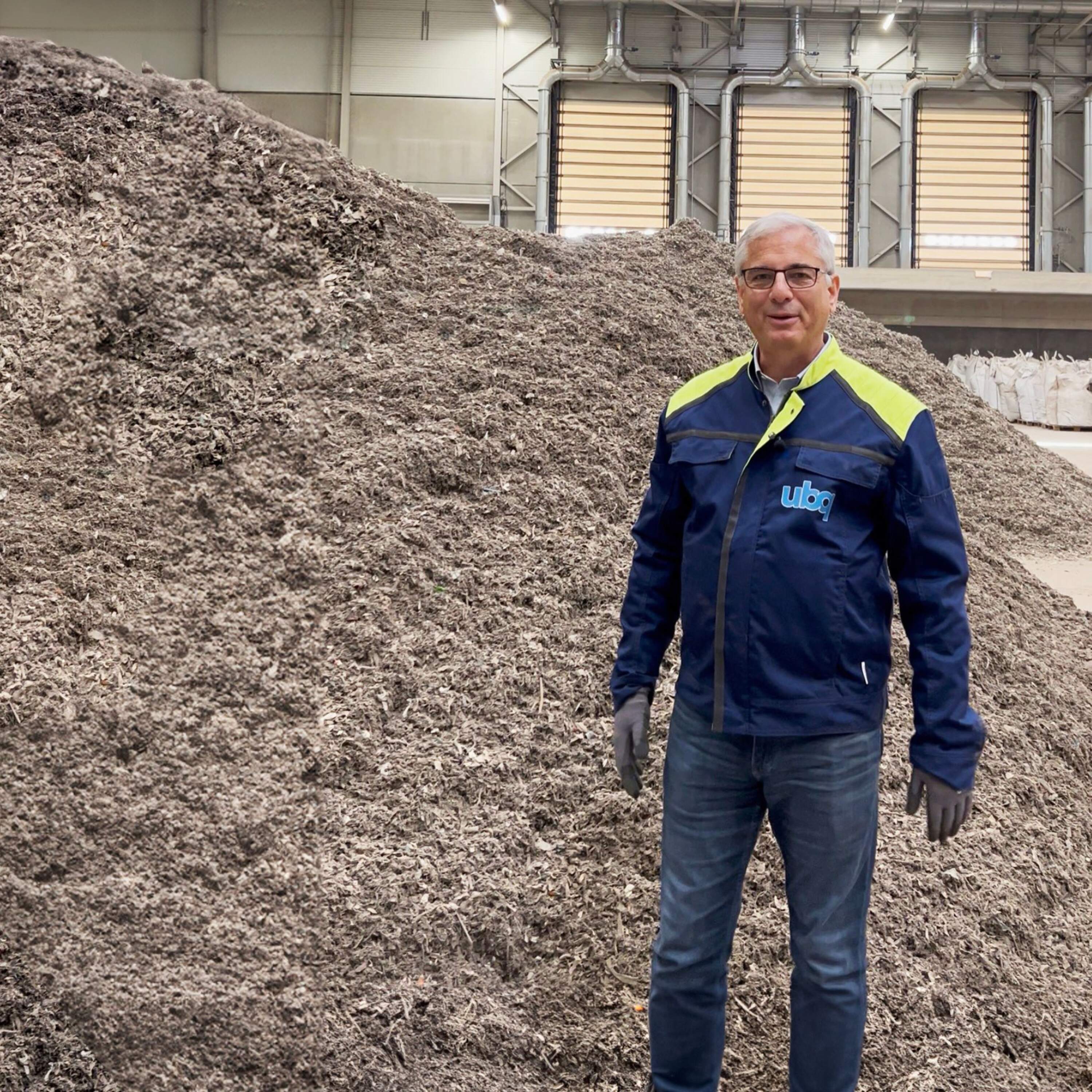
Entrepreneur — Albert (CEO of UBQ Materials)
- Runs a company making a plastic‑like material from household waste (mixed plastics, paper, organic waste) that doesn’t use oil as an input.
- UBQ’s material is already cheaper than conventional plastic; spikes in oil‑based plastic prices make it relatively more attractive.
- Limitations: product differences (e.g., color flexibility), early scaling challenges, so adoption is not instantaneous despite better economics.
Short‑term options and constraints
- Truckers: employers can restrict refueling locations; owner‑operators face severe risk and unpredictability.
- Farmers: little choice for immediate needs — fertilizer is often indispensable at planting time; planting alternative crops or deferring equipment purchases are imperfect and risky substitutes.
- Manufacturers: can consider substitution where feasible, but supply, performance, and scaling issues limit rapid shifts.
Longer‑term adjustments and economy‑wide effects
- Substitution: higher oil prices incentivize alternatives (e.g., waste‑based materials) and crop adjustments, but transition takes time.
- Market churn: some firms may fail if they can’t adapt; others that built in higher energy costs or offer alternatives could gain market share.
- Policy and competition: concentrated industries (fertilizer) can exacerbate pain for end users; antitrust and supply diversification become important considerations.
Notable data points and quotes
- Diesel was reported at about $4.86/gallon (recent week in episode) and had risen ~33% month‑over‑month on March 9.
- Polyethylene (main plastic used) rose ~30% in the first weeks after the war.
- “The fertilizer industry has us hostage.” — Mark Mueller (captures the squeeze from concentrated supply and inelastic demand).
Actionable implications (for listeners in business/agriculture/policy)
- Businesses: review fuel procurement/hedging strategies, monitor supplier concentration, evaluate realistic substitution pathways.
- Farmers: assess input timing (lock in prices where possible), model crop rotation impacts and market exposure before switching crops.
- Policymakers: monitor global energy and fertilizer supply chains, consider measures to enhance competition, and support scaling of viable non‑oil alternatives.
Bottom line
Geopolitical shocks that raise oil and natural gas prices ripple through the economy — directly raising transport and input costs and indirectly encouraging substitution and structural change. Short‑term pain is likely for many (especially those with little flexibility), but higher energy prices also accelerate innovation and substitution, reshaping markets over months and years.