Short Wave

by NPR
New discoveries, everyday mysteries, and the science behind the headlines — in just under 15 minutes. It's science for everyone, using a lot of creativity and a little humor. Join hosts Emily Kwong and Regina Barber for science on a different wavelength. Support public media by joining NPR+ at plus.npr.org. You’ll get perks for over 25 NPR podcasts, including sponsor-free listening for Short Wave.
Episodes
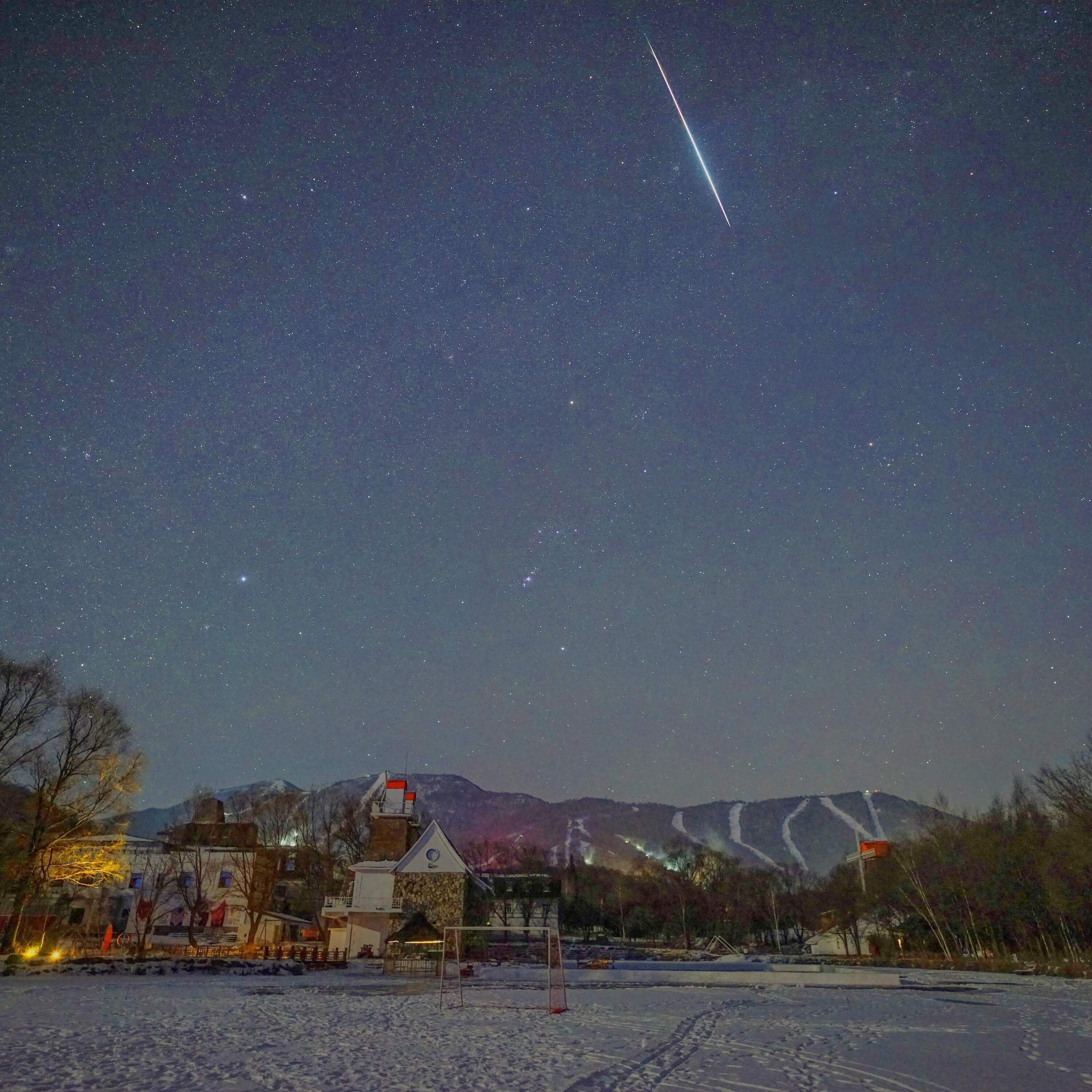
Shooting stars are just pea-sized rocks... and other space wonders
Ahead of the peak of the Perseid meteor shower, we're re-airing our first episode with host <a href="https://www.npr.org/people/1082526815/regina-g-barber"target="_blank" >Regina G. Barber</a>. In it, Regina and planetary scientist <a href="https://geology.wwu.edu/people/ricem5"target="_blank" >Melissa Rice</a> explore all things shooting stars. They talk about the different types, where they come from and what they actually are (hint: not stars).<br/><br/>Learn more about viewing the Perseids, which will peak Aug. 12: <a href="https://skyandtelescope.org/astronomy-press-releases/a-perfect-year-for-the-perseid-meteor-shower/"target="_blank" ><em>A Perfect Year for the Perseid Meteor Shower</em></a><br/><br/><em>Interested in more stellar science in the news? Email us your question at </em><a href="mailto:shortwave@npr.org"target="_blank" ><em>shortwave@npr.org</em></a><em>.</em><br/><br/><em>Support public media with NPR+ and enjoy perks for over 25 podcasts like this one. It includes perks like bonus episodes, early access, archive access, curated playlists and sponsor-free listening. Learn more at </em><a href="http://plus.npr.org"target="_blank" ><em>plus.npr.org</em></a><em>. </em><br><br/><br/>See <a href="https://pcm.adswizz.com">pcm.adswizz.com</a> for information about our collection and use of personal data for sponsorship and to manage your podcast sponsorship preferences.<br/><br/><a href="https://www.npr.org/about-npr/179878450/privacy-policy">NPR Privacy Policy</a>

More food and money, less disease: Senegal's surprising eco-experiment
In Senegal, rice farmers are trying to kill three birds with one stone – er, fish. Rice and fish are already a natural combination; they’re even the main ingredients of thieboudienne, the delicious national dish. But could that combination also reduce a debilitating disease, boost food security AND help farmers make more money? A team of researchers are conducting an ambitious experiment to see whether growing rice and fish together can be a win-win-win for Senegal, and NPR’s <a href="https://www.npr.org/people/703751120/jonathan-lambert"target="_blank" >Jonathan Lambert</a> came along for the ride.<br/><br/><em>Interested in more science-based </em><em>biological solutions?</em><em> Email us your question at </em><a href="mailto:shortwave@npr.org"target="_blank" ><em>shortwave@npr.org</em></a><em>.</em><br/><br/><em>Support public media with NPR+ and enjoy perks for over 25 podcasts like this one. It includes perks like bonus episodes, early access, archive access, curated playlists and sponsor-free listening. Learn more at </em><a href="http://plus.npr.org"target="_blank" ><em>plus.npr.org</em></a><em>.</em><br/><br/>See <a href="https://pcm.adswizz.com">pcm.adswizz.com</a> for information about our collection and use of personal data for sponsorship and to manage your podcast sponsorship preferences.<br/><br/><a href="https://www.npr.org/about-npr/179878450/privacy-policy">NPR Privacy Policy</a>

The new era of AI-powered cybercrime
Hacking has been on the rise around the world. In 2025, the FBI’s Internet Crime Complaint Center received over 1 million complaints of cybercrime, a record high in the US. Hackers are always getting more creative, and now they have a new tool at their disposal: AI. <br/><br/><em>Interested in more tech in the news? Email us your question at </em><a href="mailto:shortwave@npr.org"target="_blank" ><em>shortwave@npr.org</em></a><em>.</em><br/><br/><em>Support public media with NPR+ and enjoy perks for over 25 podcasts like this one. It includes perks like bonus episodes, early access, archive access, curated playlists and sponsor-free listening. Learn more at </em><a href="http://plus.npr.org"target="_blank" ><em>plus.npr.org</em></a><em>. </em><br><br/><br/>See <a href="https://pcm.adswizz.com">pcm.adswizz.com</a> for information about our collection and use of personal data for sponsorship and to manage your podcast sponsorship preferences.<br/><br/><a href="https://www.npr.org/about-npr/179878450/privacy-policy">NPR Privacy Policy</a>
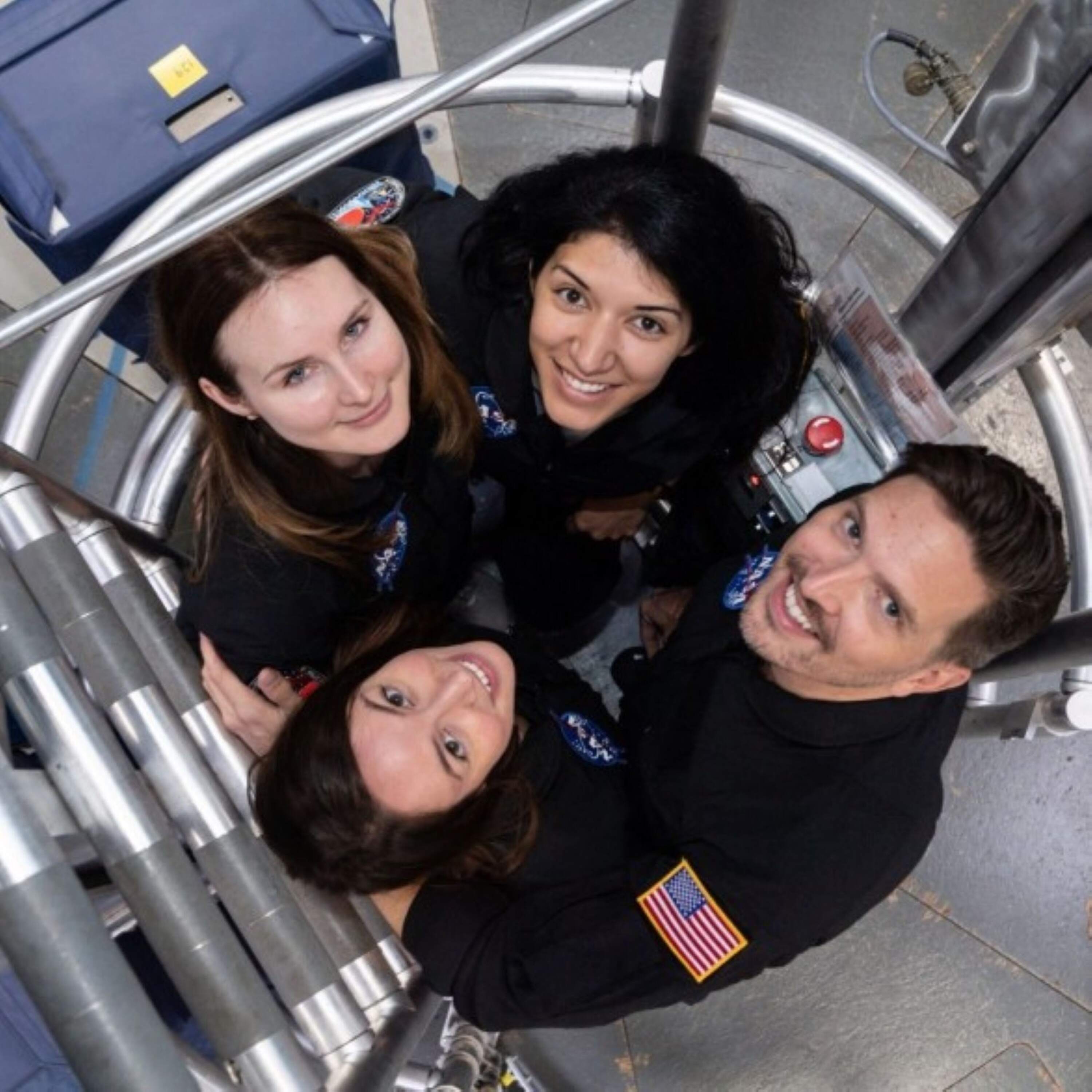
Want to spend a year living in NASA's Mars simulation?
Have you ever wanted to be an astronaut without risking your life in space? If so, we have the perfect opportunity for you. <a href="https://www.nasa.gov/hrp/nasa-seeks-volunteers-for-yearlong-simulated-mission-to-moon-mars/"target="_blank" >NASA is calling for people</a> with a science background to apply for a simulated mission to the Moon and Mars. Four adults will spend a year isolated in two enclosures meant to simulate both traveling through deep space and living on Mars. Learn whether you fit the profile and what NASA researchers hope to learn from the mission in this episode.<br/><br/><em>Interested in more space news? Email us your question at </em><a href="mailto:shortwave@npr.org"target="_blank" ><em>shortwave@npr.org</em></a><em> and we may cover it in an upcoming segment.</em><br/><br/><em>Support public media with NPR+ and enjoy perks for over 25 podcasts like this one. It includes perks like bonus episodes, early access, archive access, curated playlists and sponsor-free listening. Learn more at </em><a href="http://plus.npr.org"target="_blank" ><em>plus.npr.org</em></a><em>. </em><br/><br/>See <a href="https://pcm.adswizz.com">pcm.adswizz.com</a> for information about our collection and use of personal data for sponsorship and to manage your podcast sponsorship preferences.<br/><br/><a href="https://www.npr.org/about-npr/179878450/privacy-policy">NPR Privacy Policy</a>

Are extreme wildfires the new normal?
With parts of the U.S, Canada, Spain and France all ablaze with wildfires, you might be wondering: Are wildfires on the rise? If so, know that you mind-melded with the entire <em>Short Wave</em> staff. We had the exact same thought – and then went down some reporting rabbit holes and turned it into a whole episode. And let us just say: The answer is surprisingly complicated! But don’t you worry. We get into all the nuances this episode.<br/><br/><em>Interested in more science behind the headlines? Email us your question at </em><a href="mailto:shortwave@npr.org"target="_blank" ><em>shortwave@npr.org</em></a><em>.</em><br/><br/><em>Support public media with NPR+ and enjoy perks for over 25 podcasts like this one. It includes perks like bonus episodes, early access, archive access, curated playlists and sponsor-free listening. Learn more at </em><a href="http://plus.npr.org"target="_blank" ><em>plus.npr.org</em></a><em>. </em><br/><br/>See <a href="https://pcm.adswizz.com">pcm.adswizz.com</a> for information about our collection and use of personal data for sponsorship and to manage your podcast sponsorship preferences.<br/><br/><a href="https://www.npr.org/about-npr/179878450/privacy-policy">NPR Privacy Policy</a>

A cooler of eggs and a bold plan to save leopard sharks
Leopard sharks have nearly vanished from the waters in Raja Ampat, Indonesia. The country is one of the largest shark fishing nations in the world. Now, a first-of-its-kind conservation project is working to bring Indo-Pacific leopard sharks back from the brink of extinction. This international project hatches their eggs and raises shark pups to rewild them into the ocean where they once thrived. Will it be enough?<br/><br/>For answers, we talk to freelance journalist <a href="https://www.katerinabarton.com/"target="_blank" >Katerina Barton</a>. She takes us behind-the-scenes to a shark nursery and shares what this conservation project could mean for other shark species.<br/><br/><em>Interested in more conservation news? Email us your question at </em><a href="mailto:shortwave@npr.org"target="_blank" ><em>shortwave@npr.org</em></a><em>.</em><br/><br/><em>Support public media with NPR+ and enjoy perks for over 25 podcasts like this one. It includes perks like bonus episodes, early access, archive access, curated playlists and sponsor-free listening. Learn more at </em><a href="http://plus.npr.org"target="_blank" ><em>plus.npr.org</em></a><em>. </em><br/><br/>See <a href="https://pcm.adswizz.com">pcm.adswizz.com</a> for information about our collection and use of personal data for sponsorship and to manage your podcast sponsorship preferences.<br/><br/><a href="https://www.npr.org/about-npr/179878450/privacy-policy">NPR Privacy Policy</a>
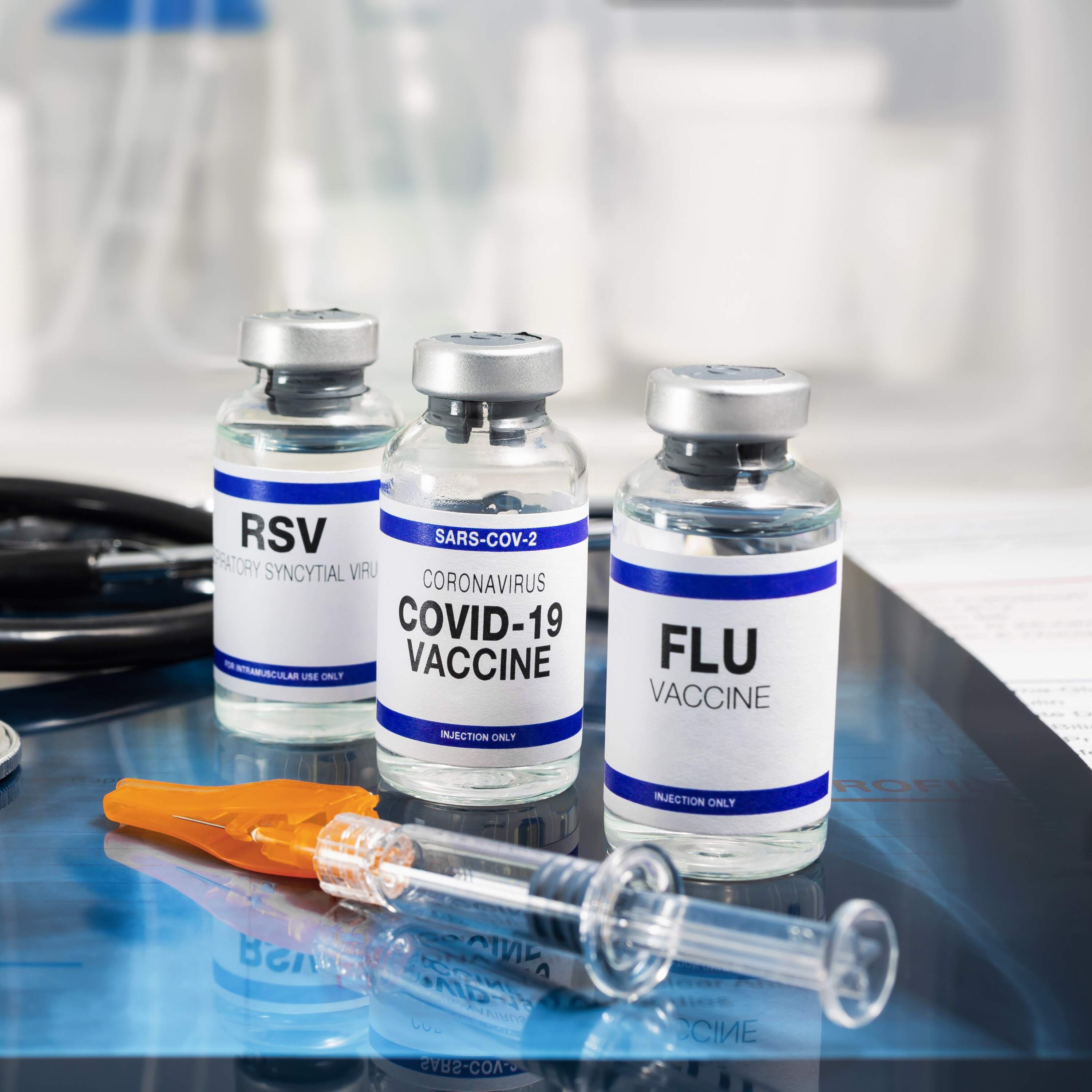
Could this nasal spray replace all your vaccines one day?
There’s the flu vaccine. The covid shot. The RSV shot… What if all of these—and more—could be combined into <em>one universal</em> vaccine? That’s what immunologist <a href="https://med.stanford.edu/pulendranlab.html"target="_blank" >Bali Pulendran</a> is working on in his lab. For this episode in our Tech Camp series, <a href="https://www.npr.org/people/1082526815/regina-g-barber"target="_blank" >Regina G. Barber</a> talks to him about how far he’s gotten, how far he has to go and why our ancient immune system is the key to it all. Plus they discuss how the vaccine may not be a shot at all—but a needle-free nasal spray. <br/><br/><strong>Sources: </strong><br><a href="https://www.science.org/doi/10.1126/science.aea1260"target="_blank" >Mucosal vaccination in mice provides protection from diverse respiratory threats</a><br><a href="https://www.clinicalmicrobiologyandinfection.org/article/S1198-743X(19)30197-1/fulltext"target="_blank" >Non-specific effects of BCG vaccine on viral infections</a><br/><br/><em>Interested in more science of the future? Email us your question at </em><a href="mailto:shortwave@npr.org"target="_blank" ><em>shortwave@npr.org</em></a><em>.</em><br/><br/><em>Support public media with NPR+ and enjoy perks for over 25 podcasts like this one. It includes perks like bonus episodes, early access, archive access, curated playlists and sponsor-free listening. Learn more at </em><a href="http://plus.npr.org"target="_blank" ><em>plus.npr.org</em></a><em>. </em><br/><br/>See <a href="https://pcm.adswizz.com">pcm.adswizz.com</a> for information about our collection and use of personal data for sponsorship and to manage your podcast sponsorship preferences.<br/><br/><a href="https://www.npr.org/about-npr/179878450/privacy-policy">NPR Privacy Policy</a>
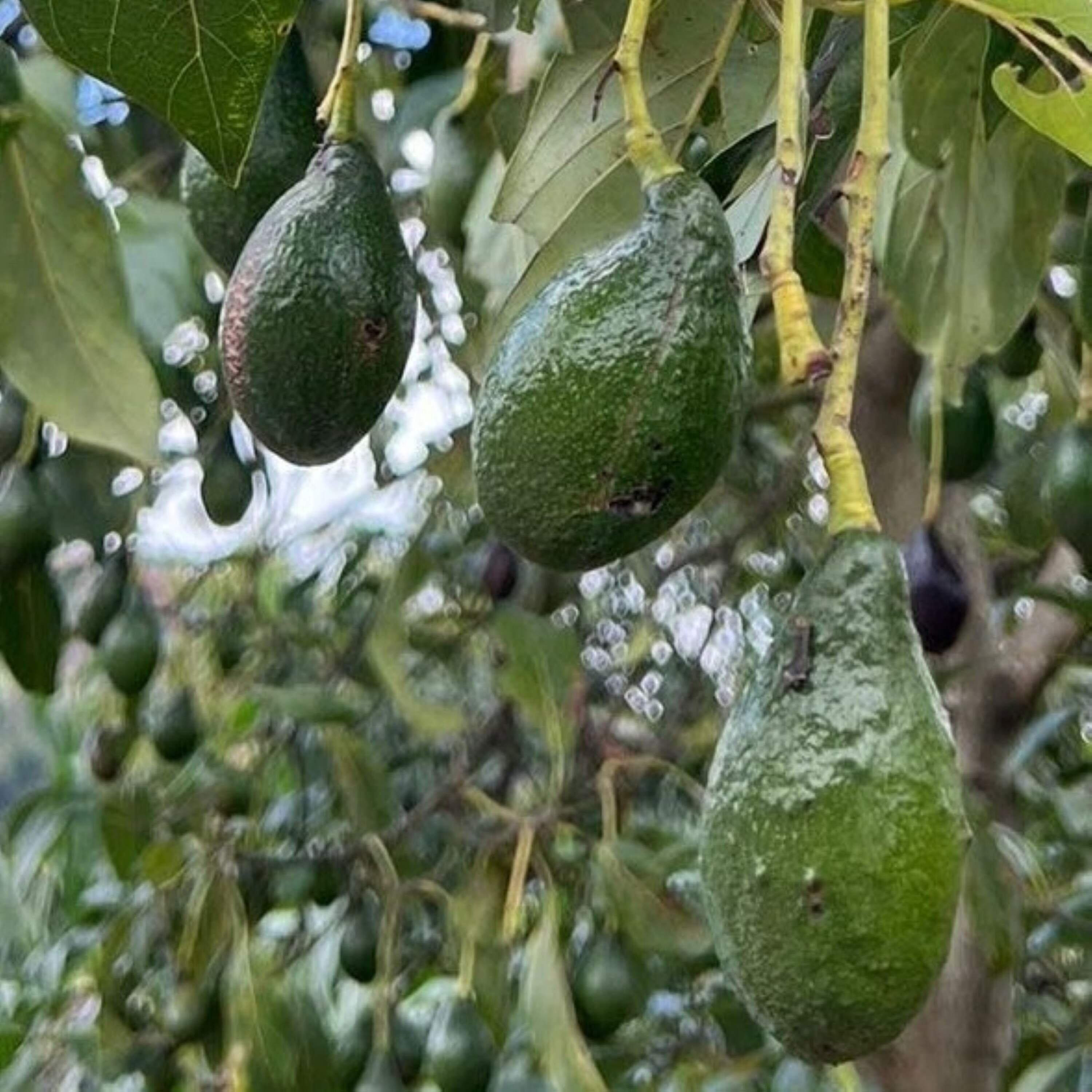
The problem with modern avocados — and the ancient solution
Did you know that when you pick up avocados at the supermarket, make avocado toast at home or order guacamole in your burrito, you’re probably consuming only <em>one </em>genetic type of avocado? Yep, it’s the Hass avocado. Since it <a href="https://www.npr.org/2006/07/19/5563805/whats-in-a-name-the-avocado-story"target="_blank" >originated in California</a> in the 20th century, it’s been grafted onto trees worldwide. And today, it makes up <a href="https://www.sciencedirect.com/science/article/abs/pii/S026121941730220X?via%3Dihub"target="_blank" >more than 80 percent</a> of commercial avocado production. Its bounty is a double-edged sword: It makes our avocados consistent; it also makes them susceptible to threats like new diseases and climate problems. In other words, we’re putting all of our eggs – er, avocados – in one basket. This episode, we get the inside scoop on new research that could help shore up the avocado’s chances at a long, more genetically diverse future. That way, avocados and their lovers alike can continue to thrive in the future.<br/><br/><strong>Read the </strong><a href="https://nph.onlinelibrary.wiley.com/doi/10.1002/ppp3.70236"target="_blank" ><strong>research paper here</strong></a><strong>.</strong><br/><br/><em>Interested in more plant anthropology science? Email us your question at </em><a href="mailto:shortwave@npr.org"target="_blank" ><em>shortwave@npr.org</em></a><em>.</em><br/><br/><em>Support public media with NPR+ and enjoy perks for over 25 podcasts like this one. It includes perks like bonus episodes, early access, archive access, curated playlists and sponsor-free listening. Learn more at </em><a href="http://plus.npr.org"target="_blank" ><em>plus.npr.org</em></a><em>. </em><br/><br/>See <a href="https://pcm.adswizz.com">pcm.adswizz.com</a> for information about our collection and use of personal data for sponsorship and to manage your podcast sponsorship preferences.<br/><br/><a href="https://www.npr.org/about-npr/179878450/privacy-policy">NPR Privacy Policy</a>
Does the science of peptides live up to the hype?
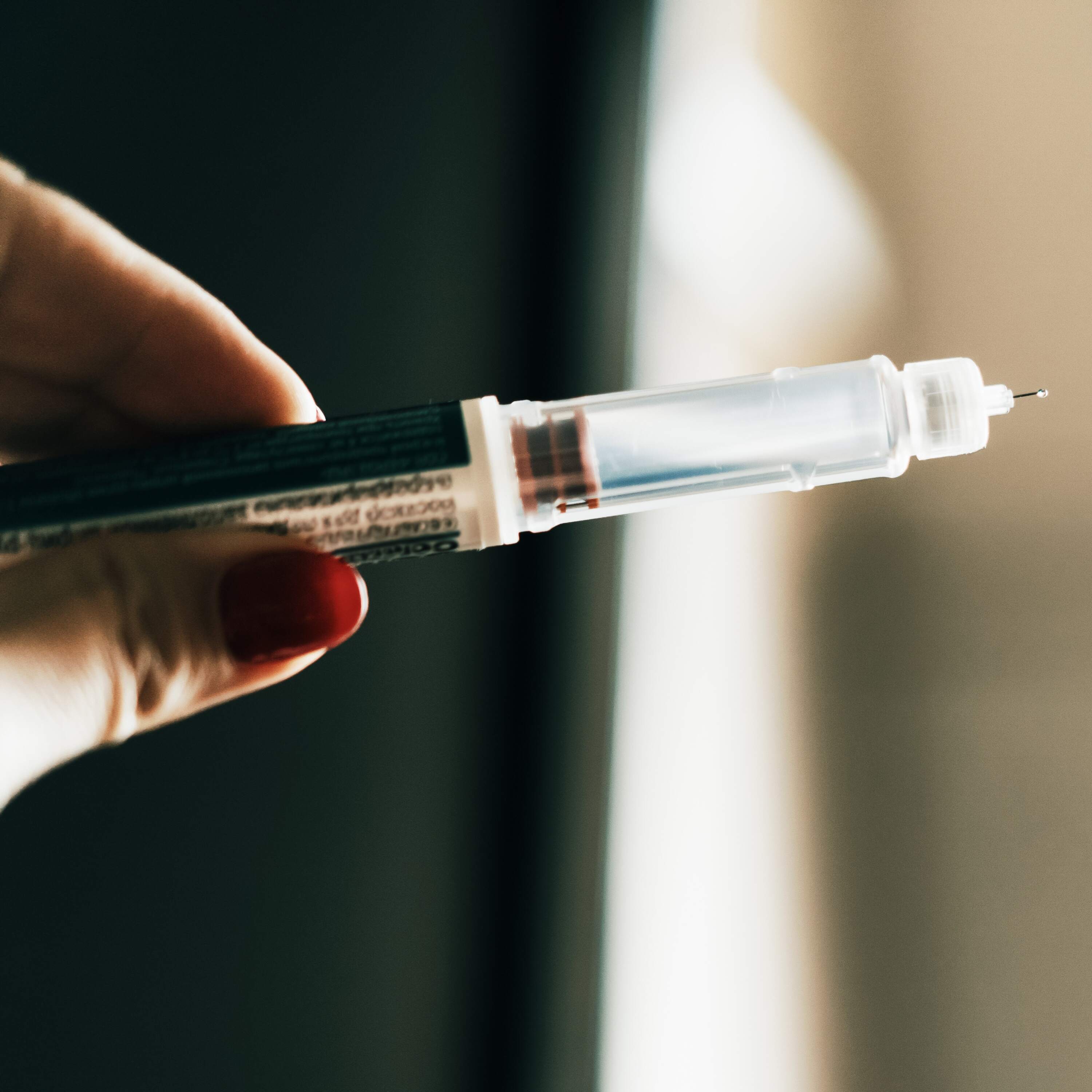
Synthetic peptides are getting some serious hype, from fitness influencers on your FYP to people seeking new options for chronic conditions. And while the human body already makes peptides, like insulin and the hormone oxytocin, most of the viral synthetic peptides are <em>not </em>approved by the Food and Drug Administration. Scientists say that raises some big concerns about safety and efficacy. So ahead of this week’s FDA meeting to discuss seven commonly used peptides, we get into the science with health reporter Sarah Boden.<br/><br/><em>Interested in more science behind health trends? Email us your question at </em><em>shortwave@npr.org</em><em>.</em><br/><br/><em>Support public media with NPR+ and enjoy perks for over 25 podcasts like this one. It includes perks like bonus episodes, early access, archive access, curated playlists and sponsor-free listening. Learn more at </em><a href="http://plus.npr.org/"target="_blank" ><em>plus.npr.org</em></a><em>. </em><br><br/><br/>See <a href="https://pcm.adswizz.com">pcm.adswizz.com</a> for information about our collection and use of personal data for sponsorship and to manage your podcast sponsorship preferences.<br/><br/><a href="https://www.npr.org/about-npr/179878450/privacy-policy">NPR Privacy Policy</a>

Cyclosporiasis: the science, risks and red flags
What’s small, round and could give you explosive diarrhea? Cyclospora parasites. The diarrheal disease they cause is wreaking havoc on thousands this summer in what is the largest known flare up in the U.S. ever. What’s causing it and what can we do about it? NPR’s <a href="https://www.npr.org/people/g-s1-127759/joseph-kim"target="_blank" >Joseph Kim</a> joins host <a href="https://www.npr.org/people/348779465/nathan-rott"target="_blank" >Nate Rott</a> to talk about the outbreak – and how to protect yourself and your loved ones.<br/><br/><strong>Read more of Joseph’s </strong><a href="https://www.npr.org/2026/07/12/nx-s1-5890935/cyclosporiasis-cyclospora-outbreak-diarrhea-states-us"target="_blank" ><strong>reporting on cyclosporiasis here</strong></a><strong>. </strong><br/><br/><em>Interested in more science in the news? Email us your question at </em><a href="mailto:shortwave@npr.org"target="_blank" ><em>shortwave@npr.org</em></a><em>.</em><br/><br/><em>Support public media with NPR+ and enjoy perks for over 25 podcasts like this one. It includes perks like bonus episodes, early access, archive access, curated playlists and sponsor-free listening. Learn more at </em><a href="http://plus.npr.org"target="_blank" ><em>plus.npr.org</em></a><em>.</em><br><br/><br/>See <a href="https://pcm.adswizz.com">pcm.adswizz.com</a> for information about our collection and use of personal data for sponsorship and to manage your podcast sponsorship preferences.<br/><br/><a href="https://www.npr.org/about-npr/179878450/privacy-policy">NPR Privacy Policy</a>

Are Trump and AI driving a nuclear power boom?
A race started by President Trump is leading to the rapid construction of new, experimental nuclear reactors. If they work, they could power data centers for artificial intelligence. But critics worry that the breakneck pace is compromising safety and public trust. NPR correspondent Geoff Brumfiel talks about the potential risks and benefits, and whether this may lead to a new nuclear age.<br/><br/><strong>Read more of Geoff’s coverage of the U.S.’s new nuclear reactors </strong><a href="https://www.npr.org/2026/06/29/nx-s1-5847944/new-nuclear-reactors-america-250-safety-concerns"target="_blank" ><strong>here</strong></a><strong>.</strong><br/><br/><strong>If you like this episode, check out our episode about </strong><a href="about:blank"target="_blank" ><strong>what happens inside a top-secret U.S. nuclear facility</strong></a><strong>?</strong><br/><br/><em>Interested in more science and tech news? Email us your question at </em><a href="mailto:shortwave@npr.org"target="_blank" ><em>shortwave@npr.org</em></a><em>.</em><br/><br/><em>Support public media with NPR+ and enjoy perks for over 25 podcasts like this one. It includes perks like bonus episodes, early access, archive access, curated playlists and sponsor-free listening. Learn more at </em><a href="http://plus.npr.org"target="_blank" ><em>plus.npr.org</em></a><em>. </em><br><br/><br/>See <a href="https://pcm.adswizz.com">pcm.adswizz.com</a> for information about our collection and use of personal data for sponsorship and to manage your podcast sponsorship preferences.<br/><br/><a href="https://www.npr.org/about-npr/179878450/privacy-policy">NPR Privacy Policy</a>

Why did designing the World Cup pitches take eight years?
Yamal and Messi aren’t the only stars of the World Cup finals. If you’ve been watching any of the games, you’ve probably stared directly at a huge, unsung hero: the turf. Turf grass science is a real thing, and it’s <a href="https://utia.tennessee.edu/person/?id=4020"target="_blank" >John Sorochan</a>’s area of expertise. He’s a scientist at the University of Tennessee at Knoxville, and he’s spent the last eight years preparing for the grass pitch the players are scoring on. John had the daunting task of figuring out how to create consistency and uniformity across all the World Cup stadiums. That meant dozens of team base camps and 16 different stadiums where turf had to weather all kinds of conditions – from Mexico City’s high altitude, to Miami’s sweltering heat. Today on <em>Short Wave</em>, we dive into the science behind it all. <br/><br/><em>Interested in more science behind your favorite sports? Email us your question at </em><a href="mailto:shortwave@npr.org"target="_blank" ><em>shortwave@npr.org</em></a><em>.</em><br/><br/><em>Support public media with NPR+ and enjoy perks for over 25 podcasts like this one. It includes perks like bonus episodes, early access, archive access, curated playlists and sponsor-free listening. Learn more at </em><a href="http://plus.npr.org"target="_blank" ><em>plus.npr.org</em></a><em>. </em><br><br/><br/>See <a href="https://pcm.adswizz.com">pcm.adswizz.com</a> for information about our collection and use of personal data for sponsorship and to manage your podcast sponsorship preferences.<br/><br/><a href="https://www.npr.org/about-npr/179878450/privacy-policy">NPR Privacy Policy</a>

Our favorite brains, including Einstein's stolen one
At Short Wave, we love a good brain. Which is why we’ve had a lot of conversations over the years with NPR’s neuroscience reporter, <a href="https://www.npr.org/people/2100615/jon-hamilton"target="_blank" >Jon Hamilton</a>. Jon’s been writing about brains for over 15 years, from tiny brain organoids that grow in a dish, to fruit fly brains, mouse brains and some really memorable human brains. But Jon is retiring, so today on the show he joins us to share the most memorable brains he’s come across in the past couple of decades. <br/><br/><em>Interested in more brain science? Email us your question at </em><a href="mailto:shortwave@npr.org"target="_blank" ><em>shortwave@npr.org</em></a><em>.</em><br/><br/><em>Listen to every episode of Short Wave sponsor-free and support our work at NPR by signing up for Short Wave+ at </em><a href="http://plus.npr.org/shortwave"target="_blank" ><em>plus.npr.org/shortwave</em></a><em>.</em><br/><br/>See <a href="https://pcm.adswizz.com">pcm.adswizz.com</a> for information about our collection and use of personal data for sponsorship and to manage your podcast sponsorship preferences.<br/><br/><a href="https://www.npr.org/about-npr/179878450/privacy-policy">NPR Privacy Policy</a>
What's this super-aging butterfly’s longevity secret?
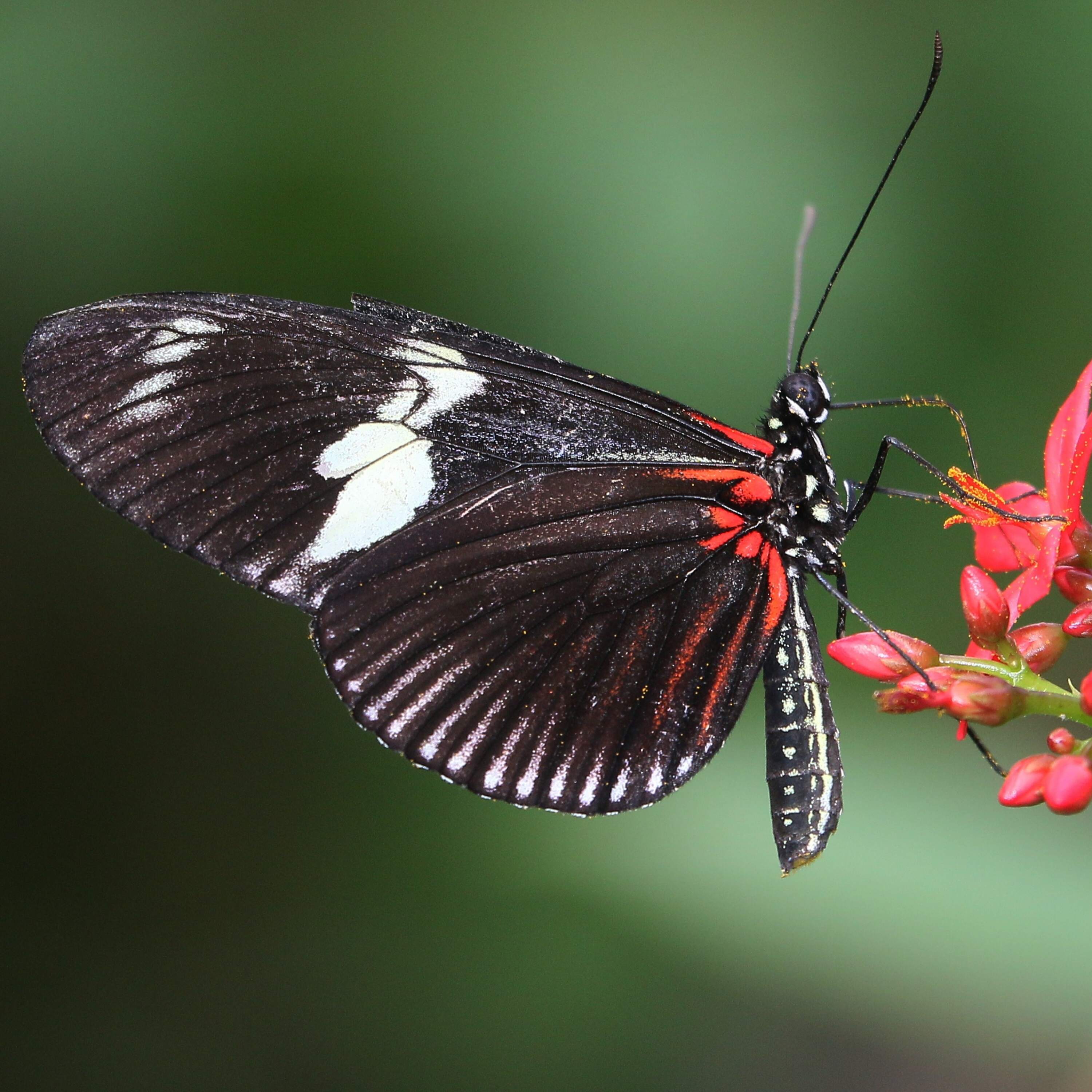
What if there were a great ape species that could live over 1,000 years? That’s basically <em>Heliconius</em> in the butterfly world. The insects live around 25 times longer than their butterfly cousins, and scientists think they have one clue as to why: pollen. But as <a href="https://www.theatlantic.com/author/katherine-j-wu/"target="_blank" >Katie Wu</a>, a science writer at <em>The Atlantic</em>, explains, that’s not the whole story. She and host <a href="https://www.npr.org/people/348779465/nathan-rott"target="_blank" >Nate Rott</a> also talk about how bats sip from the fountain of youth – and what it all may mean for humans.<br/><br/><strong>Read Katie's </strong><a href="https://www.theatlantic.com/science/2026/06/butterflies-longevity/687556/"target="_blank" ><strong>full story here</strong></a><strong>.</strong><br/><br/><strong>If you liked this episode, check out our episode on a pill that could </strong><a href="http://lnk.to/i7246O"target="_blank" ><strong>extend dogs’ lives</strong></a><strong>…and maybe yours someday. </strong><br/><br/><em>Interested in more science about aging? Email us your question at </em><a href="mailto:shortwave@npr.org"target="_blank" ><em>shortwave@npr.org</em></a><em>.</em><br/><br/><em>Support public media with NPR+ and enjoy perks for over 25 podcasts like this one. It includes perks like bonus episodes, early access, archive access, curated playlists and sponsor-free listening. Learn more at </em><a href="http://plus.npr.org"target="_blank" ><em>plus.npr.org</em></a><em>. </em><br/><br/>See <a href="https://pcm.adswizz.com">pcm.adswizz.com</a> for information about our collection and use of personal data for sponsorship and to manage your podcast sponsorship preferences.<br/><br/><a href="https://www.npr.org/about-npr/179878450/privacy-policy">NPR Privacy Policy</a>

How should we decide who, or what, is conscious?
In the age of AI, what differentiates humans from robots? What makes humans … human? To find answers, many people are studying consciousness: our capacity for experience. But doctors and researchers still have a long way to go when it comes to finding new ways to detect consciousness in humans — much less computer software. That gets especially tricky when people are unable to use their words or bodies to <em>tell </em>others whether or not they’re conscious, like in vegetative states. Today on <em>Short Wave</em>, how some researchers are finding ways to get around those limitations. <br/><br/><em>Interested in more tech episodes? Email us your question at </em><a href="mailto:shortwave@npr.org"target="_blank" ><em>shortwave@npr.org</em></a><em>.</em><br/><br/><em>Listen to every episode of Short Wave sponsor-free and support our work at NPR by signing up for Short Wave+ at </em><a href="http://plus.npr.org/shortwave"target="_blank" ><em>plus.npr.org/shortwave</em></a><em>.</em><br><br/><br/>See <a href="https://pcm.adswizz.com">pcm.adswizz.com</a> for information about our collection and use of personal data for sponsorship and to manage your podcast sponsorship preferences.<br/><br/><a href="https://www.npr.org/about-npr/179878450/privacy-policy">NPR Privacy Policy</a>
Plot twist: We're probably way undercounting insects on Earth
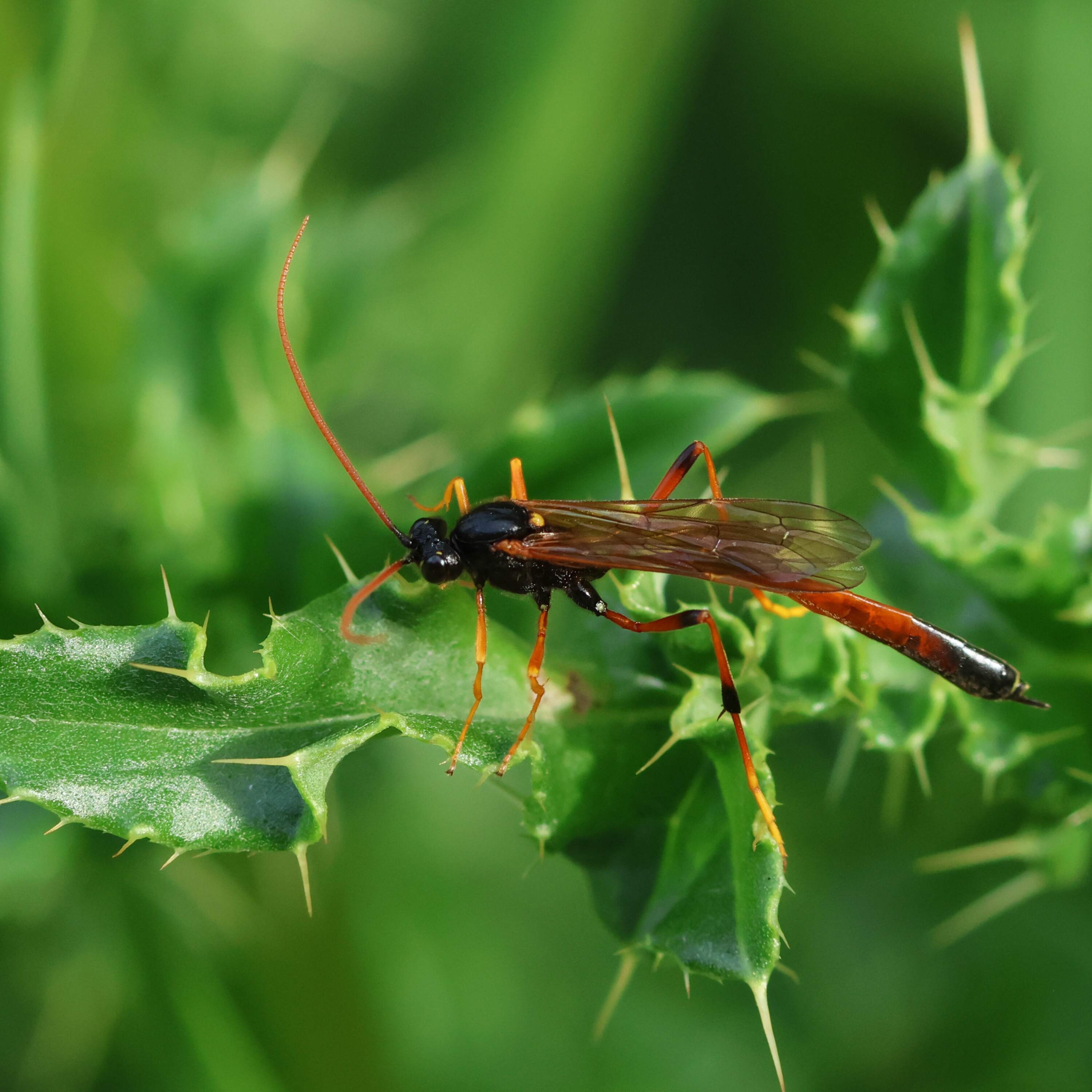
Maybe you’ve wondered about it late at night as a mosquito buzzes in your ear. Or when you kick over a rock and watch dozens of little critters crawl away: How many types of insects are there in the world? Scientists have been interested in answering this question for years. A new study — based on a census of tiny and, frankly terrifying, parasitoid wasps — suggests there’s <em>way more</em> than previously thought. Like, <em>millions</em> more that are just waiting to be discovered. <br/><br/><em>Interested in more bug science in the news? Email us your question at </em><a href="mailto:shortwave@npr.org"target="_blank" ><em>shortwave@npr.org</em></a><em>.</em><br/><br/><em>Support public media with NPR+ and enjoy perks for over 25 podcasts like this one. It includes perks like bonus episodes, early access, archive access, curated playlists and sponsor-free listening. Learn more at </em><a href="http://plus.npr.org"target="_blank" ><em>plus.npr.org</em></a><em>. </em><br/><br/>See <a href="https://pcm.adswizz.com">pcm.adswizz.com</a> for information about our collection and use of personal data for sponsorship and to manage your podcast sponsorship preferences.<br/><br/><a href="https://www.npr.org/about-npr/179878450/privacy-policy">NPR Privacy Policy</a>
NASA's race against time to rescue a falling satellite
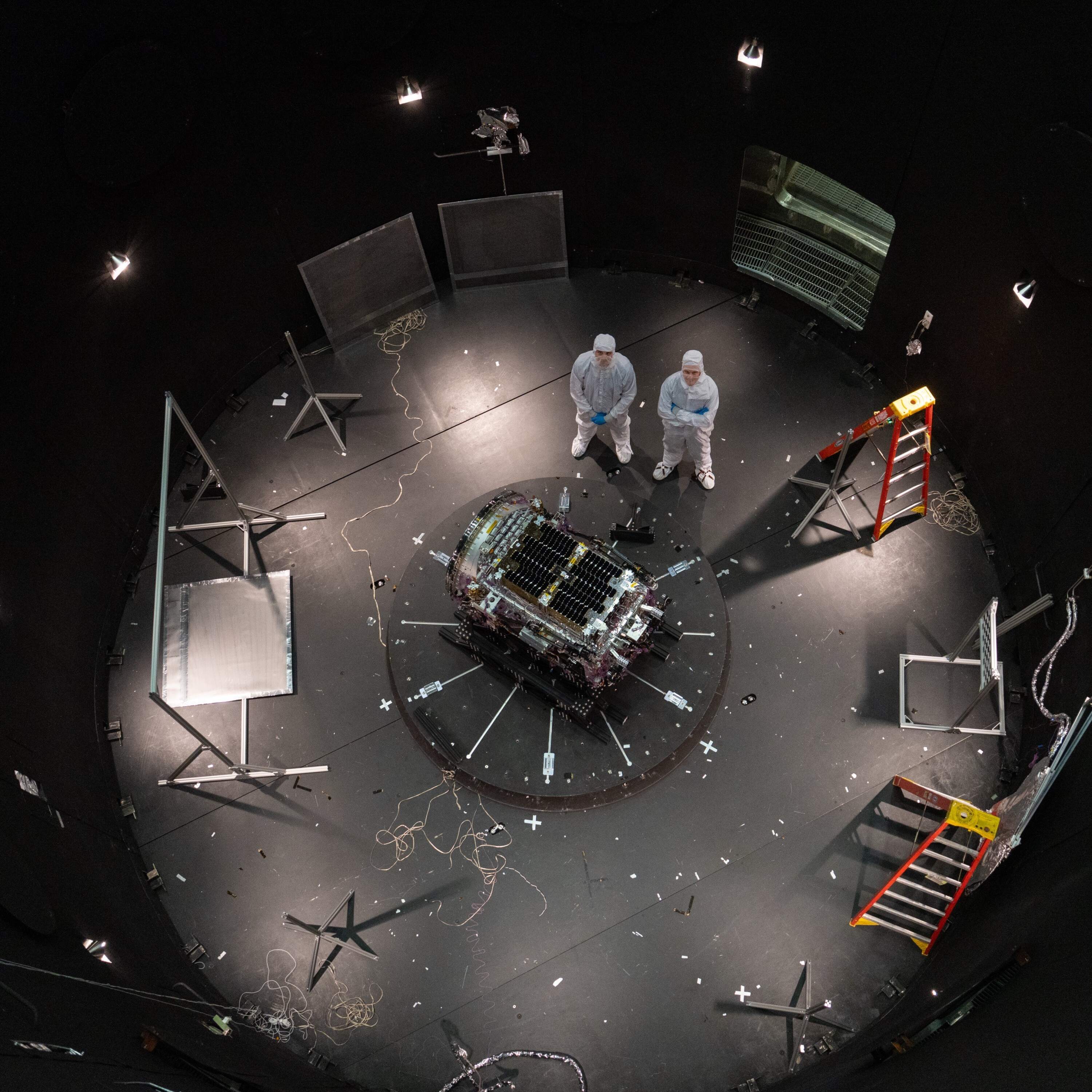
A valuable NASA satellite observatory is falling to Earth faster than scientists expected. It’s called the Neil Gehrels Swift Observatory, or “Swift” for short, and it can respond to celestial events much faster than its sky-gazing counterparts. To save Swift and test out a first-of-its-kind technology, NASA partnered with an Arizona-based startup to launch a refrigerator-sized robot, aptly named Link, into lower Earth orbit. That’s on its way right now to meet up with Swift to give it a boost.<br/><br/><em>Interested in more science in the news? Email us your question at </em><a href="mailto:shortwave@npr.org"target="_blank" ><em>shortwave@npr.org</em></a><em>.</em><br/><br/><em>Support public media with NPR+ and enjoy perks for over 25 podcasts like this one. It includes perks like bonus episodes, early access, archive access, curated playlists and sponsor-free listening. Learn more at </em><a href="http://plus.npr.org"target="_blank" ><em>plus.npr.org</em></a><em>. </em><br/><br/>See <a href="https://pcm.adswizz.com">pcm.adswizz.com</a> for information about our collection and use of personal data for sponsorship and to manage your podcast sponsorship preferences.<br/><br/><a href="https://www.npr.org/about-npr/179878450/privacy-policy">NPR Privacy Policy</a>

Could this anti-aging dog pill lead to one for you too?
Every dog lover’s greatest fear is inevitably losing their pet to time. We want our furry pals to stick around as long as they can. That wish may soon become reality with a new pill from a company called Loyal. It aims to extend the lives–and health–of dogs. This new drug also serves as a pitstop on a much bigger quest: to eventually lengthen human lives.<br/><br/><em>Interested in more science about your pets? Email us your question at </em><a href="mailto:shortwave@npr.org"target="_blank" ><em>shortwave@npr.org</em></a><em>.</em><br/><br/>Support public media with NPR+ and enjoy perks for over 25 podcasts like this one. It includes perks like bonus episodes, early access, archive access, curated playlists and sponsor-free listening. Learn more at <a href="http://plus.npr.org"target="_blank" >plus.npr.org</a>. <br/><br/>See <a href="https://pcm.adswizz.com">pcm.adswizz.com</a> for information about our collection and use of personal data for sponsorship and to manage your podcast sponsorship preferences.<br/><br/><a href="https://www.npr.org/about-npr/179878450/privacy-policy">NPR Privacy Policy</a>

Sky Uber? Air taxis could be here soon.
Taking an air taxi to the airport may become as simple as ordering a ride share today. In our first episode in our summer series Tech Camp, we explore how a futuristic vehicle that transforms from helicopter to propeller plane is already taking flight in New York and San Francisco. This new kind of commuting might be here sooner than you think: A law just went into effect to build infrastructure for them in places like airports. <em>Short Wave</em> host Regina Barber speaks with the startup Joby and Georgia Tech aerospace experts about the safety, the science and what an actual ride would look like from app to air. Plus, we get into the history of the air taxis of the past and why those airlines no longer exist.<br/><br/><em>Interested in more tech episodes? Email us your question at </em><a href="mailto:shortwave@npr.org"target="_blank" ><em>shortwave@npr.org</em></a><em>.</em><br/><br/><em>Listen to every episode of Short Wave sponsor-free and support our work at NPR by signing up for Short Wave+ at </em><a href="http://plus.npr.org/shortwave"target="_blank" ><em>plus.npr.org/shortwave</em></a><em>.</em><br/><br/>See <a href="https://pcm.adswizz.com">pcm.adswizz.com</a> for information about our collection and use of personal data for sponsorship and to manage your podcast sponsorship preferences.<br/><br/><a href="https://www.npr.org/about-npr/179878450/privacy-policy">NPR Privacy Policy</a>

This July 4th, are you a thrill- or chill-seeker?
Independence Day is approaching!<br/><br/><br>Imagine if someone has procured illegal fireworks from a couple of states over. Are you:<br/><br/>1. first in line to light them?<br/><br/>2. content to watch while others set them off?<br/><br/>3. going to find a fire extinguisher — just in case — while loudly condemning the activity?<br/><br/><a href="https://www.drkencarter.com/"target="_blank" >Ken Carter</a>, a psychologist at Oxford College of Emory University, says everyone has a different level of sensation-seeking. This episode, we get into the factors at play, like people's brain chemistry, when deciding whether or not to do an activity, like setting off fireworks.<br/><br/>For low and average sensation-seekers, very thrilling activities like large, self-run fireworks displays can cause their bodies to produce a lot of cortisol, a stress hormone.<br/><br/>On the other hand, high sensation-seekers, Carter says, "don't tend to produce that much cortisol when they're in those highly chaotic experiences. So when they're seeing those fireworks, they actually produce higher amounts of another chemical called dopamine, which is a neurotransmitter or a chemical messenger that's involved in pleasure."<br/><br/>Carter has developed a 40-point self-assessment survey for people to figure out how much of a sensation-seeker they are. The survey can be found in his book, <a href="https://www.cambridge.org/us/universitypress/subjects/psychology/personality-psychology-and-individual-differences/buzz-inside-minds-thrill-seekers-daredevils-and-adrenaline-junkies?format=PB"target="_blank" ><em>Buzz!</em></a><br/><br/><em>Interested in more psychology episodes? Email us your question at </em><a href="mailto:shortwave@npr.org"target="_blank" ><em>shortwave@npr.org</em></a><em>.</em><br/><br/><em>Support public media with NPR+ and enjoy perks for over 25 podcasts like this one. It includes perks like bonus episodes, early access, archive access, curated playlists and sponsor-free listening. Learn more at </em><a href="http://plus.npr.org"target="_blank" ><em>plus.npr.org</em></a><em>. </em><br/><br/>See <a href="https://pcm.adswizz.com">pcm.adswizz.com</a> for information about our collection and use of personal data for sponsorship and to manage your podcast sponsorship preferences.<br/><br/><a href="https://www.npr.org/about-npr/179878450/privacy-policy">NPR Privacy Policy</a>