Overview of This is your brain on pleasure (even the guilty kind)
This Shortwave episode (NPR) explores why we sometimes feel shame or guilt about things that bring us joy, and what’s actually happening in the brain when we experience pleasure. Through conversations with neuroscientists, a behavioral researcher, and a pleasure activist, the episode breaks down the pleasure cycle (wanting → liking → learning), distinguishes wanting from liking at the neural level, examines how social feelings like guilt affect enjoyment, and offers practical advice for having a healthier relationship with pleasurable activities.
Key points / main takeaways
- Pleasure is a multi-stage process: wanting (motivation), liking (hedonic enjoyment), and learning (associating cues with reward).
- Dopamine is primarily tied to wanting (motivation/urge), not to the direct experience of pleasure (liking).
- “Liking” is produced by small, localized hedonic hotspots in the brain that can be modulated independently of dopamine-driven wanting.
- Addiction and some everyday behaviors (e.g., social media use) can reflect an imbalance: strong wanting without corresponding liking.
- Social norms and internal “pleasure police” (guilt/shame) can suppress or change how we experience and express pleasure.
- Behavioral research shows paradoxical effects: priming guilt can sometimes increase reported enjoyment and willingness to pay for a pleasure (e.g., unlabeled chocolates).
- A healthier relationship with pleasure emphasizes variation and social, meaningful pleasures over strict moderation or willpower.
The neuroscience explained
- Pleasure cycle:
- Wanting — the anticipatory, motivational stage. Measured by how much effort someone will expend to obtain a reward.
- Liking — the consummatory stage: actual sensory/hedonic enjoyment (observable in animal facial/licking responses).
- Learning — forming associations between cues and rewards for future behavior.
- Brain systems:
- Wanting is strongly associated with dopamine and activation in reward-related areas (e.g., nucleus accumbens, ventral striatum, parts of the amygdala).
- Liking is produced by small hedonic “hotspots” nested within these structures; these hotspots can be pharmacologically stimulated to increase or decrease pleasure.
- Important distinction: lowering dopamine can reduce motivation to work for rewards but does not necessarily reduce the capacity to enjoy those rewards once obtained.
Guilty pleasures and social context
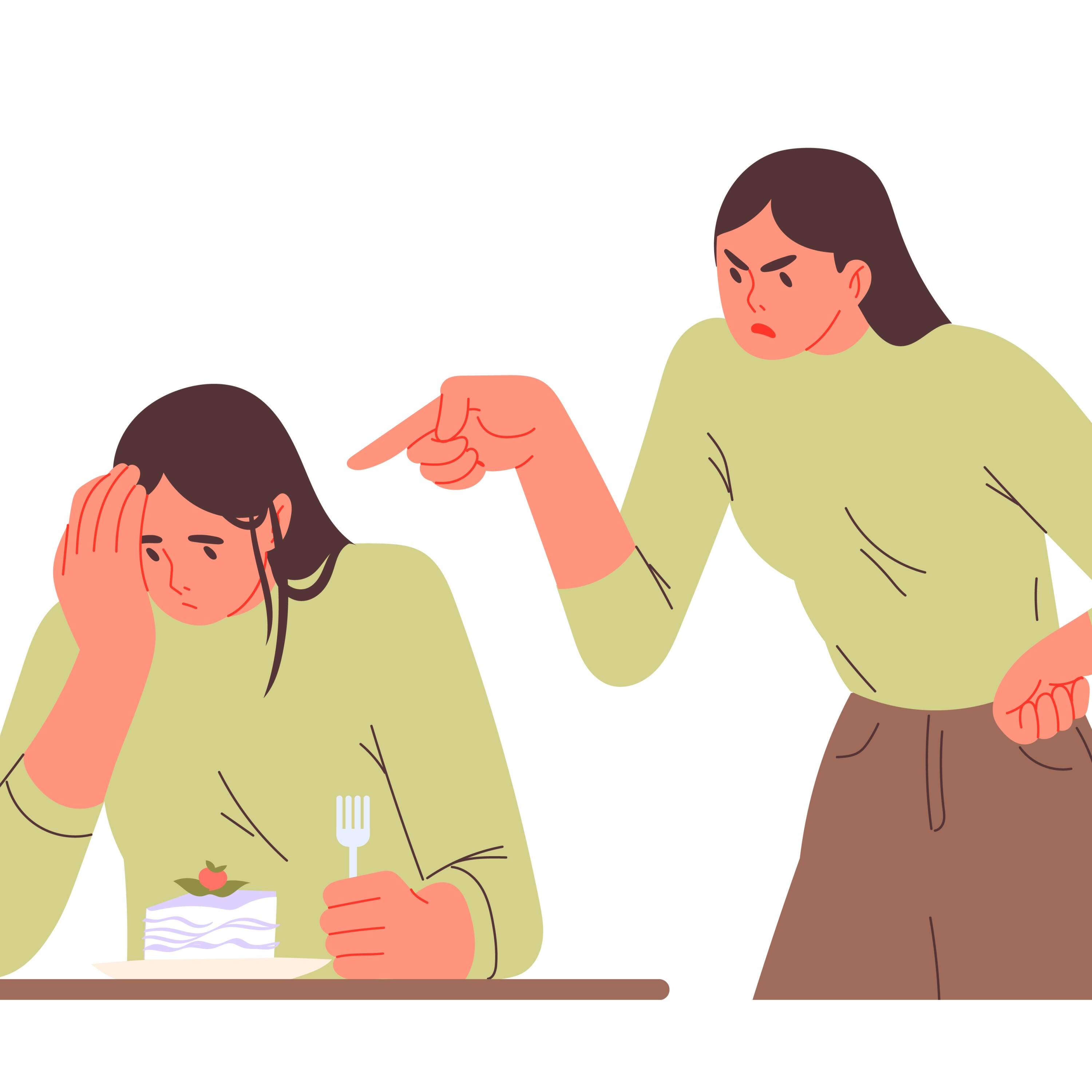
- Guilt and shame about pleasure are often culturally/socially constructed (e.g., expectations to be restrained as an adult).
- Higher-level social brain networks can modulate the basic pleasure cycle, changing how much we allow ourselves to want or enjoy things.
- Behavioral study highlight (Kelly Goldsmith, Vanderbilt): experimentally priming guilt (subtly, e.g., word-scramble tasks) made participants report greater liking for chocolates and greater willingness to pay — suggesting guilt can amplify enjoyment in some contexts.
- Pleasure activism perspective (Sammy Schalk): openly embracing joy can be stigmatized; pushing back against internalized “pleasure police” can foster connection and shared meaning.
Practical recommendations — how to have a healthier relationship with pleasure
- Emphasize variation over strict moderation: diversify the kinds of pleasures you pursue (social, sensory, creative, communal).
- Prioritize shared and meaningful pleasures (community meals, cooking with others, group activities) — these often provide deeper fulfillment.
- Address internalized shame: notice and challenge the “pleasure police” thoughts; sharing pleasures can reduce stigma and increase connection.
- Recognize nuance: few pleasures are wholly bad or wholly good — consider context, consequences, and balance rather than moralizing them.
- If a behavior feels out of control (e.g., persistent wanting without liking), seek help — this pattern can be part of addiction or other problematic cycles.
Notable quotes / insights
- “The point of experiencing pleasure is the survival of humanity” — framing pleasure as evolutionarily important for energy, reproduction, and social bonding.
- “Dopamine … doesn’t actually generate pleasure the way we once thought it did. It generates intense wants and urges.” — clarifies a common misconception about dopamine.
- “It’s not really about moderation … It’s about variation.” — suggested approach from the neuroscientific perspective on flourishing.
Episode details & contributors
- Host: Emily Kwong (Shortwave, NPR). Producer: Rachel Carlson (also reported on the episode).
- Guests/interviewees: Morten Kringelbach (neuroscientist, University of Oxford; researches human flourishing), Kent Berridge (professor of neuroscience, University of Michigan; research on wanting vs liking), Kelly Goldsmith (behavioral scientist / marketing professor, Vanderbilt University), Sammy Schalk (pleasure activist).
- Production credits: Producers Burley McCoy and Rebecca Ramirez (editor); audio engineer Robert Rodriguez; fact-checked by Rachel Carlson.
If you want to quickly get the scientific core: think of pleasure as a three-part cycle (wanting—dopamine; liking—hedonic hotspots; learning—associations), subject to social modulation (guilt/shame) that can either suppress or paradoxically intensify enjoyment. The recommended practical stance is to embrace varied, shared pleasures and to challenge internalized shame rather than gutting joy with moral judgment.