Short Wave

by NPR
New discoveries, everyday mysteries, and the science behind the headlines — in just under 15 minutes. It's science for everyone, using a lot of creativity and a little humor. Join hosts Emily Kwong and Regina Barber for science on a different wavelength. Support public media by joining NPR+ at plus.npr.org. You’ll get perks for over 25 NPR podcasts, including sponsor-free listening for Short Wave.
Episodes
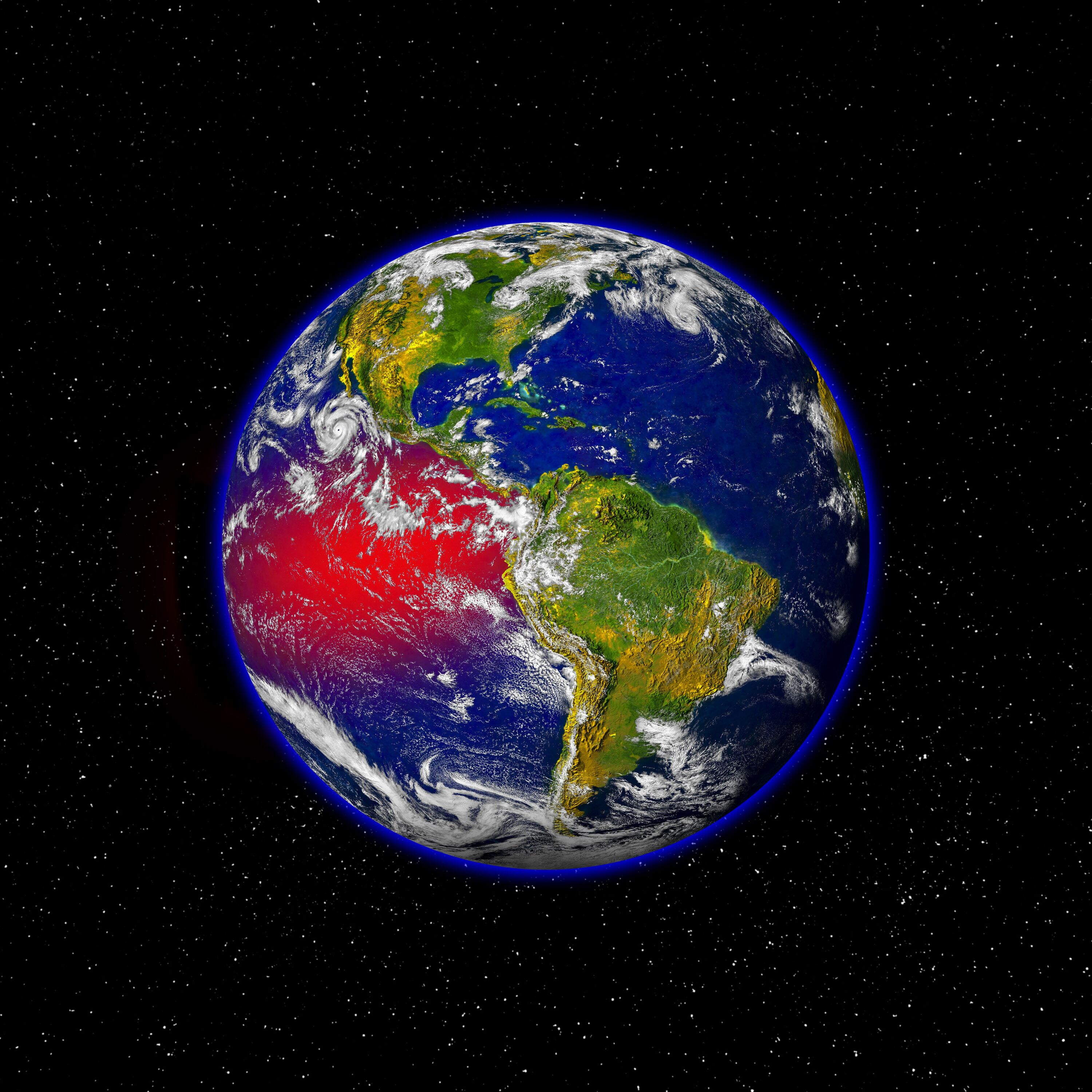
'Super' El Niño is coming. What should you expect?
The world is bracing for the worst effects of a Super El Niño. Or a Godzilla El Niño. But what does that really even mean?<br/><br/>For millennia El Niño has shaped weather across the globe, fueling flooding in parts of the U.S., droughts and wildfires in Australia and Indonesia, and disrupting fisheries across the Pacific.<br/><br/>Scientists have long wondered if human activities — chiefly the burning of fossil fuels — are making El Niños stronger. Now, on the eve of the strongest El Niño on record, a team of researchers think they have an answer.<br/><br/><em>Interested in more science behind the weather? Email us your question at </em><a href="mailto:shortwave@npr.org"target="_blank" ><em>shortwave@npr.org</em></a><em>.</em><br/><br/><em>Support public media with NPR+ and enjoy perks for over 25 podcasts like this one. This show’s perks include sponsor-free listening. Learn more at </em><a href="http://plus.npr.org"target="_blank" ><em>plus.npr.org</em></a><em>.</em><br/><br/>See <a href="https://pcm.adswizz.com">pcm.adswizz.com</a> for information about our collection and use of personal data for sponsorship and to manage your podcast sponsorship preferences.<br/><br/><a href="https://www.npr.org/about-npr/179878450/privacy-policy">NPR Privacy Policy</a>
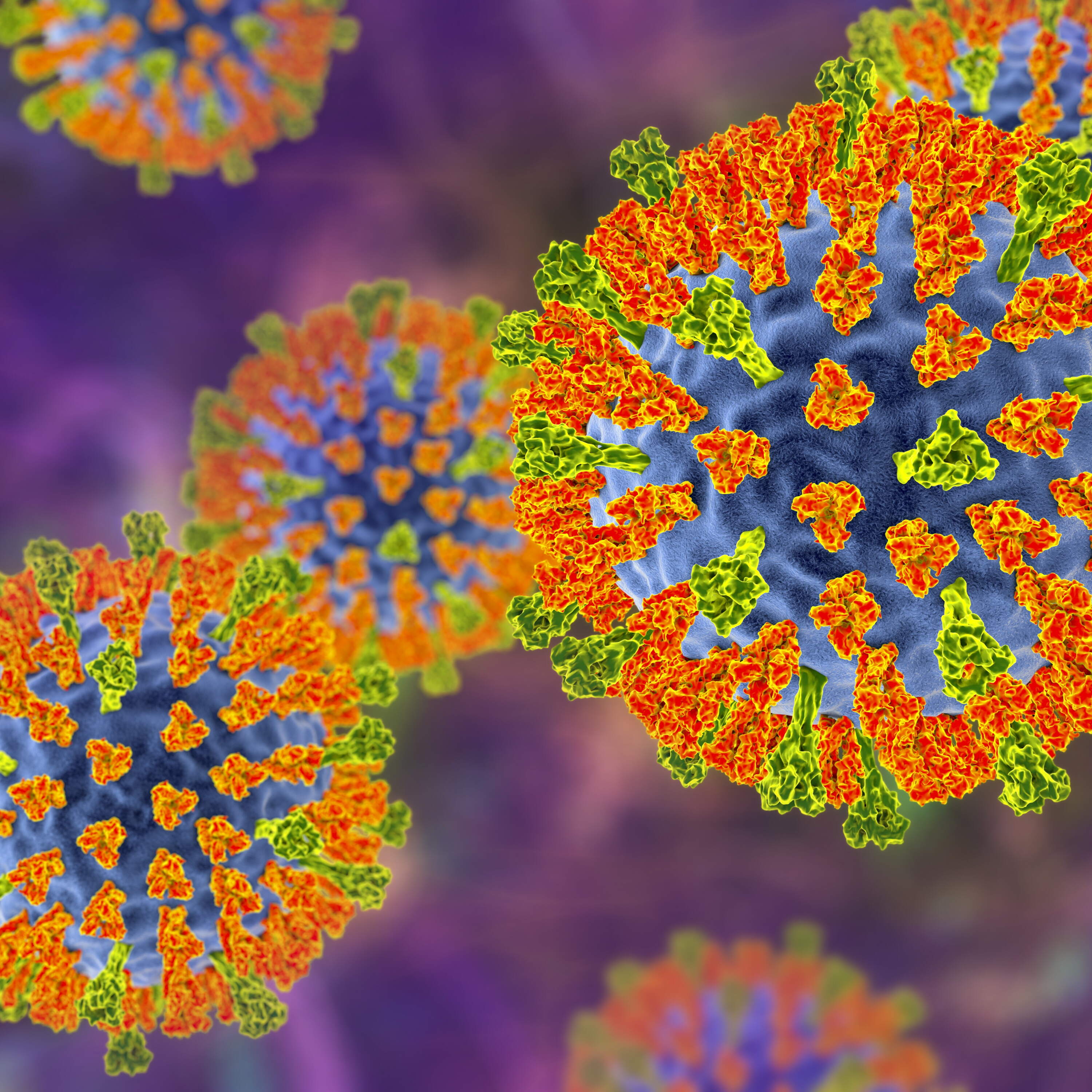
Vaccinated or not, we’re on the brink of a measles epidemic
Measles is making a comeback. Ongoing outbreaks in Pennsylvania, South Carolina, Texas, and Utah have documented hundreds of cases, mostly among unvaccinated people. And while local and federal politicians debate the definitions and impact of those measles-associated deaths, health experts worry that we’re overlooking the real problem: the threat of a full-scale epidemic. Today, we talk to one of those experts – epidemiologist <a href="https://crcs.seas.harvard.edu/event/michael-j-mina-md-phd-harvard-th-chan-school-public-health-harvard-medical-school"target="_blank" >Michael Mina</a> – to figure out who’s most at risk and whether there’s any way for us to turn this epidemic around.<br/><br/><em>Interested in more </em><em>health and medical news?</em><em> Email us your question at </em><a href="mailto:shortwave@npr.org"target="_blank" ><em>shortwave@npr.org</em></a><em>.</em><br/><br/><em>Support public media with NPR+ and enjoy perks for over 25 podcasts like this one. This show’s perks include sponsor-free listening. Learn more at </em><a href="http://plus.npr.org"target="_blank" ><em>plus.npr.org</em></a><em>. </em><br><br/><br/>See <a href="https://pcm.adswizz.com">pcm.adswizz.com</a> for information about our collection and use of personal data for sponsorship and to manage your podcast sponsorship preferences.<br/><br/><a href="https://www.npr.org/about-npr/179878450/privacy-policy">NPR Privacy Policy</a>
The science of self-worth (and how to boost yours)
Your self-worth today can be affected by your memories. But you have power over those memories – when you re-experience them. By doing that, you can reshape your self-esteem for the better and change your perspective. That idea and the broader science of self-worth are at the heart of Marisa Franco’s new book <em>Worth. </em>It’s so intriguing to us, we couldn’t pass up the chance to share it with you. That’s why today’s episode is a peek at a conversation Marisa had about self-worth on NPR’s self-help podcast <em>Life Kit</em>.<br/><br/><em>Interested in more psychology episodes? Email us your question at </em><a href="mailto:shortwave@npr.org"target="_blank" ><em>shortwave@npr.org</em></a><em> – it may become a future episode!</em><br/><br/><em>Support public media with NPR+ and enjoy perks for over 25 podcasts like this one. This show’s perks include sponsor-free listening. Learn more at </em><a href="http://plus.npr.org"target="_blank" ><em>plus.npr.org</em></a><em>. </em><br><br/><br/>See <a href="https://pcm.adswizz.com">pcm.adswizz.com</a> for information about our collection and use of personal data for sponsorship and to manage your podcast sponsorship preferences.<br/><br/><a href="https://www.npr.org/about-npr/179878450/privacy-policy">NPR Privacy Policy</a>

Why we should all be 'bookmaxxing'
Remember your mom, dad and teachers telling you to read because it’s good for you? Well, a compilation of the latest research shows they were right. “Reading is one of the simplest and most accessible activities for actually supporting cognitive performance, brain health, mental health, but also overall wellbeing throughout our lives,” said Christelle Langley, a cognitive neuroscientist at the University of Cambridge and co-author of review, published in the journal <em>Psychological Medicine. </em>The review looked specifically at recreational reading — reading for fun — and found broad benefits for children, adolescents and older adults. This episode, we dive deep into the joys and health benefits of bookmaxxing. <br/><br/><em>Interested in the science of reading</em><em>?</em><em> Email us your question at </em><a href="mailto:shortwave@npr.org"target="_blank" ><em>shortwave@npr.org</em></a><em>.</em><br/><br/><em>Support public media with NPR+ and enjoy perks for over 25 podcasts like this one. This show’s perks include sponsor-free listening. Learn more at </em><a href="http://plus.npr.org"target="_blank" ><em>plus.npr.org</em></a><em>. </em><br><br/><br/>See <a href="https://pcm.adswizz.com">pcm.adswizz.com</a> for information about our collection and use of personal data for sponsorship and to manage your podcast sponsorship preferences.<br/><br/><a href="https://www.npr.org/about-npr/179878450/privacy-policy">NPR Privacy Policy</a>

The latest on AI panic — and whether it's justified
AI is in the news again – for its potential to end civilization. A researcher at Anthropic resigned very publicly last week, citing concerns about the accelerating capabilities of AI and what he called “irresponsible” behavior from major AI companies Anthropic and OpenAI. Following his resignation, the leaders of both companies called for an internationally cooperative, industry-wide slowdown on advanced AI development. And Wednesday, OpenAI disclosed six more incidents of “unexpected or concerning model behavior” and debuted a new framework for reporting misalignments. So, given all these events, how worried should we be about the future of AI? And what safety measures are – or could be – set in place to safeguard humanity? NPR’s power and policy reporter <a href="https://www.npr.org/people/726257042/huo-jingnan"target="_blank" >Huo Jingnan</a> reports.<br/><br/><em>Interested in more science and technology news? Email us your question at </em><a href="mailto:shortwave@npr.org"target="_blank" ><em>shortwave@npr.org</em></a><em>.</em><br/><br/><em>Support public media with NPR+ and enjoy perks for over 25 podcasts like this one. This show’s perks include sponsor-free listening. Learn more at </em><a href="http://plus.npr.org"target="_blank" ><em>plus.npr.org</em></a><em>. </em><br/><br/>See <a href="https://pcm.adswizz.com">pcm.adswizz.com</a> for information about our collection and use of personal data for sponsorship and to manage your podcast sponsorship preferences.<br/><br/><a href="https://www.npr.org/about-npr/179878450/privacy-policy">NPR Privacy Policy</a>

When batteries get a facelift, so does renewable energy
For years, renewable energy companies have faced a problem: How to store the mass amounts of energy they produce for later use. Batteries may be just the solution. In California, there's now enough grid-scale battery storage to power millions of homes for a few hours. Battery power is often the second largest source of energy on a given day in the state. So, we're revisiting the fast-growing technology with <a href="https://www.npr.org/people/1200794832/cooper-katz-mckim"target="_blank" >Cooper Katz McKim</a>, a producer on <em>The Indicator from Planet Money</em>.<br/><br/><strong>Listen to the </strong><a href="https://www.npr.org/series/1265481061/the-indicator-takes-on-batteries"target="_blank" ><strong>three-part battery series</strong></a><strong>.</strong><br/><br/><em>Have questions about the future of energy? Contact us at </em><a href="mailto:shortwave@npr.org"target="_blank" ><em>shortwave@npr.org</em></a><em>.</em><br> <br/><br/>Support public media with NPR+ and enjoy perks for over 25 podcasts like this one. This show’s perks include sponsor-free listening. Learn more at <a href="http://plus.npr.org/"target="_blank" >plus.npr.org</a>.<br/><br/>See <a href="https://pcm.adswizz.com">pcm.adswizz.com</a> for information about our collection and use of personal data for sponsorship and to manage your podcast sponsorship preferences.<br/><br/><a href="https://www.npr.org/about-npr/179878450/privacy-policy">NPR Privacy Policy</a>

Why you'll probably be misdiagnosed in your lifetime
Nearly every person will experience at least one diagnostic error in their lifetime. That means either a delayed diagnosis, a wrong diagnosis – or no diagnosis at all. That’s according to <a href="https://www.nationalacademies.org/projects/IOM-HCS-13-03"target="_blank" >a report</a> by the National Academies of Sciences, Engineering and Medicine from 2015 on diagnostic error. Today on the show we talk to a physician who was personally affected by the crisis, and New York Times editor and author of the book <a href="https://www.penguinrandomhouse.com/books/697282/the-elusive-body-by-alexandra-sifferlin/"target="_blank" ><em>The Elusive Body: Patients, Doctors and the Diagnosis Crisis</em></a><em>.</em><br/><br/>If you liked this episode, check out these other episodes:<br>- <a href="http://lnk.to/uT6xx4"target="_blank" >How science is taking tripping mainstream</a><br>- <a href="https://lnk.to/GkjpoM"target="_blank" >What If You Took The "Trip" Out Of Ketamine?</a><br>- <a href="https://lnk.to/a1FdVe"target="_blank" >Could Psychedelics Become Tripless?</a><br>- <a href="http://lnk.to/rXFhMt"target="_blank" >The Reality Of OCD</a><br/><br/><em>Interested in more medical science? Email us your question at </em><a href="mailto:shortwave@npr.org"target="_blank" ><em>shortwave@npr.org</em></a><em>.</em><br/><br/><em>Support public media with NPR+ and enjoy perks for over 25 podcasts like this one. This show’s perks include sponsor-free listening. Learn more at </em><a href="http://plus.npr.org"target="_blank" ><em>plus.npr.org</em></a><em>.</em><br/><br/>See <a href="https://pcm.adswizz.com">pcm.adswizz.com</a> for information about our collection and use of personal data for sponsorship and to manage your podcast sponsorship preferences.<br/><br/><a href="https://www.npr.org/about-npr/179878450/privacy-policy">NPR Privacy Policy</a>

Should race affect BMI guidelines? Doctors are split
BMI is a quick, cheap way for doctors to estimate body fat and screen for conditions like heart disease and diabetes. But medicine has long known that BMI is problematic and unnuanced. By using it, groups of people have fallen through the cracks and conditions have been caught late. So, some doctors want to add nuance – to consider race when using BMI. But using race in medicine comes with its own problems. So what’s the way forward? To find out, we talk to Katie Wu, a science writer at <em>The Atlantic.</em><br/><br/>Read more of Katie’s reporting on <a href="https://www.theatlantic.com/health/2026/05/bmi-race-sensitive/687054/"target="_blank" >BMI and race</a>.<br/><br/><em>Interested in more science health stories? Email us your question at </em><a href="mailto:shortwave@npr.org"target="_blank" ><em>shortwave@npr.org</em></a><em>.</em><br/><br/><em>Support public media with NPR+ and enjoy perks for over 25 podcasts like this one. This show’s perks include sponsor-free listening. Learn more at </em><a href="http://plus.npr.org"target="_blank" ><em>plus.npr.org</em></a><em>. </em><br/><br/>See <a href="https://pcm.adswizz.com">pcm.adswizz.com</a> for information about our collection and use of personal data for sponsorship and to manage your podcast sponsorship preferences.<br/><br/><a href="https://www.npr.org/about-npr/179878450/privacy-policy">NPR Privacy Policy</a>
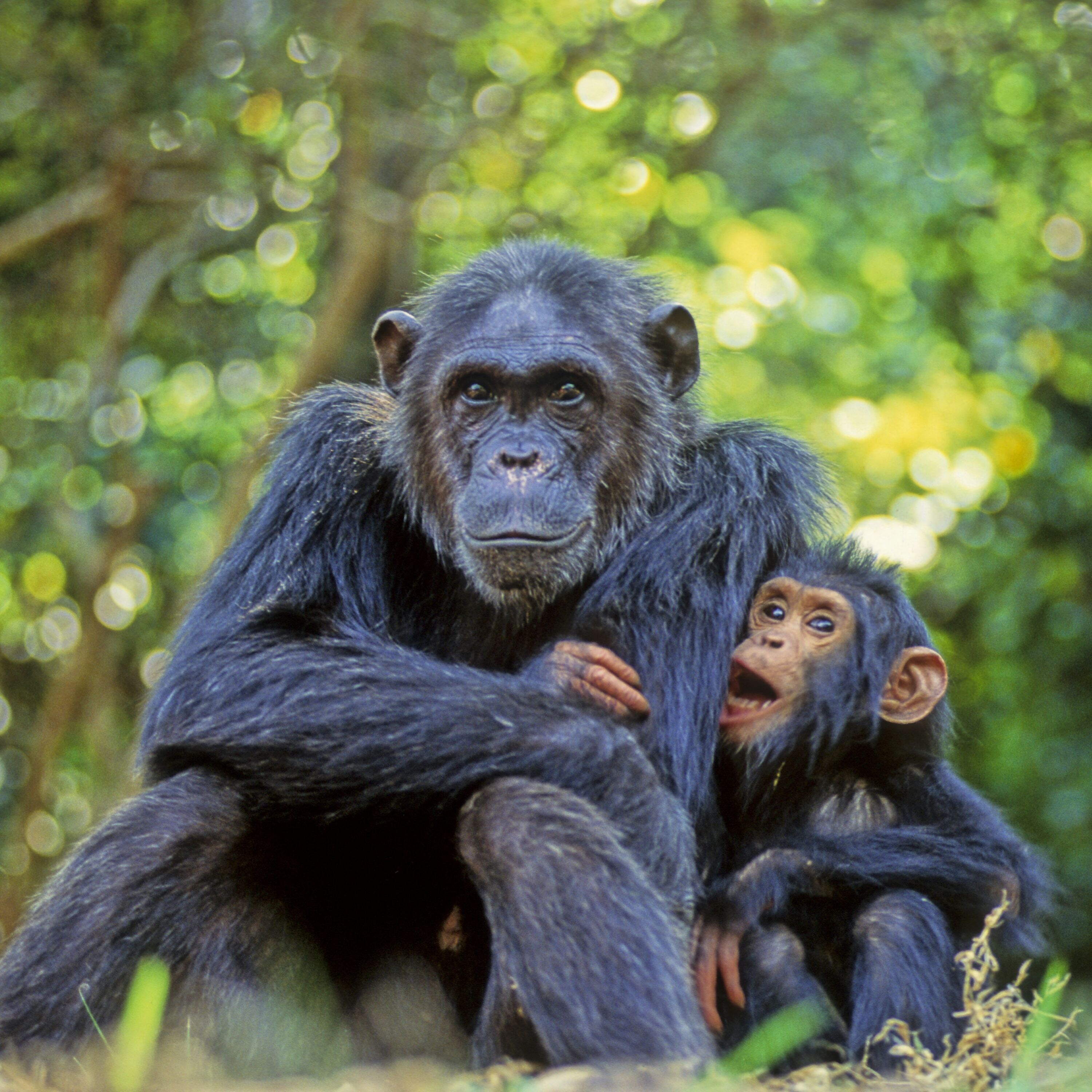
How scientists discovered that animals are doctors, too
When people are sick, we seek out medications and treatments to help heal. For a long time, scientists thought that was a uniquely human ability. But it turns out, many other animals do a version of it too! And since the late 1980s, western researchers have been trying to get a peek behind the curtain. And aside from just cataloguing all the cool examples just to know, there’s a real hope that studying animals’ medical cabinets may be the most promising way to expand our own. We get into the weeds with freelance science journalist <a href="https://www.mandynguyen.com/"target="_blank" >Mandy Nguyen</a>.<br/><br/><em>Interested in more animal stories? Email us your ideas and questions to explore at </em><a href="mailto:shortwave@npr.org"target="_blank" ><em>shortwave@npr.org</em></a><em>. They may become a future episode!</em><br/><br/><em>Support public media with NPR+ and enjoy perks for over 25 podcasts like this one. This show’s perks include sponsor-free listening. Learn more at </em><a href="http://plus.npr.org"target="_blank" ><em>plus.npr.org</em></a><em>. </em><br/><br/>See <a href="https://pcm.adswizz.com">pcm.adswizz.com</a> for information about our collection and use of personal data for sponsorship and to manage your podcast sponsorship preferences.<br/><br/><a href="https://www.npr.org/about-npr/179878450/privacy-policy">NPR Privacy Policy</a>
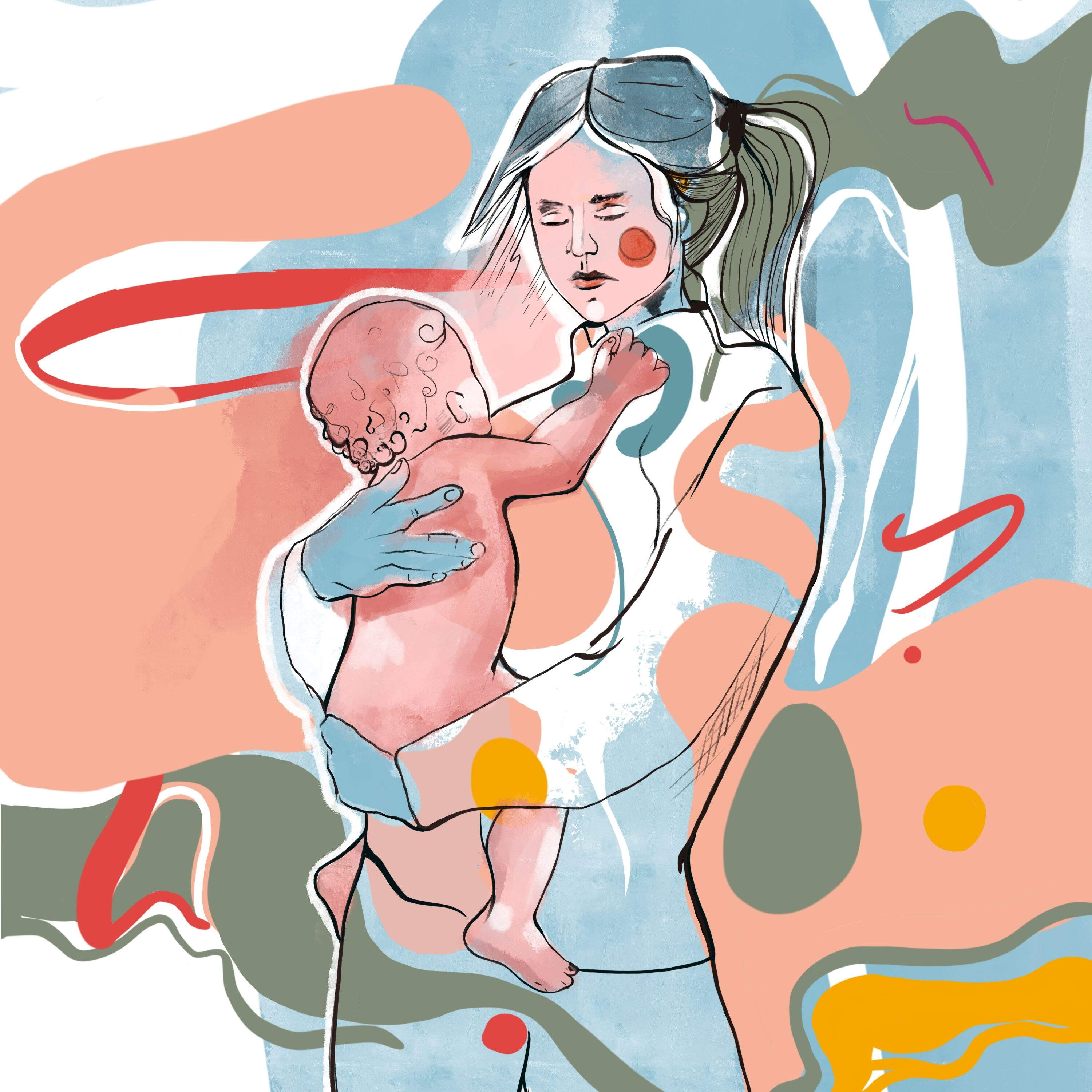
Lindsay Clancy and postpartum psychosis
The trial around Lindsay Clancy may be over for now, but it still leaves us with questions. On today’s episode, we talk to psychiatrists and patients to answer them: What is postpartum psychosis, exactly? Why don’t we know more about it? And what can you do if you are worried about a postpartum loved one?<br/><br/><em>Interested in more stories on mental health? Email us your question at </em><a href="mailto:shortwave@npr.org"target="_blank" ><em>shortwave@npr.org</em></a><em>.</em><br/><br/><em>Support public media with NPR+ and enjoy perks for over 25 podcasts like this one. This show’s perks include sponsor-free listening. Learn more at </em><a href="http://plus.npr.org"target="_blank" ><em>plus.npr.org</em></a><em>.</em><br/><br/>See <a href="https://pcm.adswizz.com">pcm.adswizz.com</a> for information about our collection and use of personal data for sponsorship and to manage your podcast sponsorship preferences.<br/><br/><a href="https://www.npr.org/about-npr/179878450/privacy-policy">NPR Privacy Policy</a>
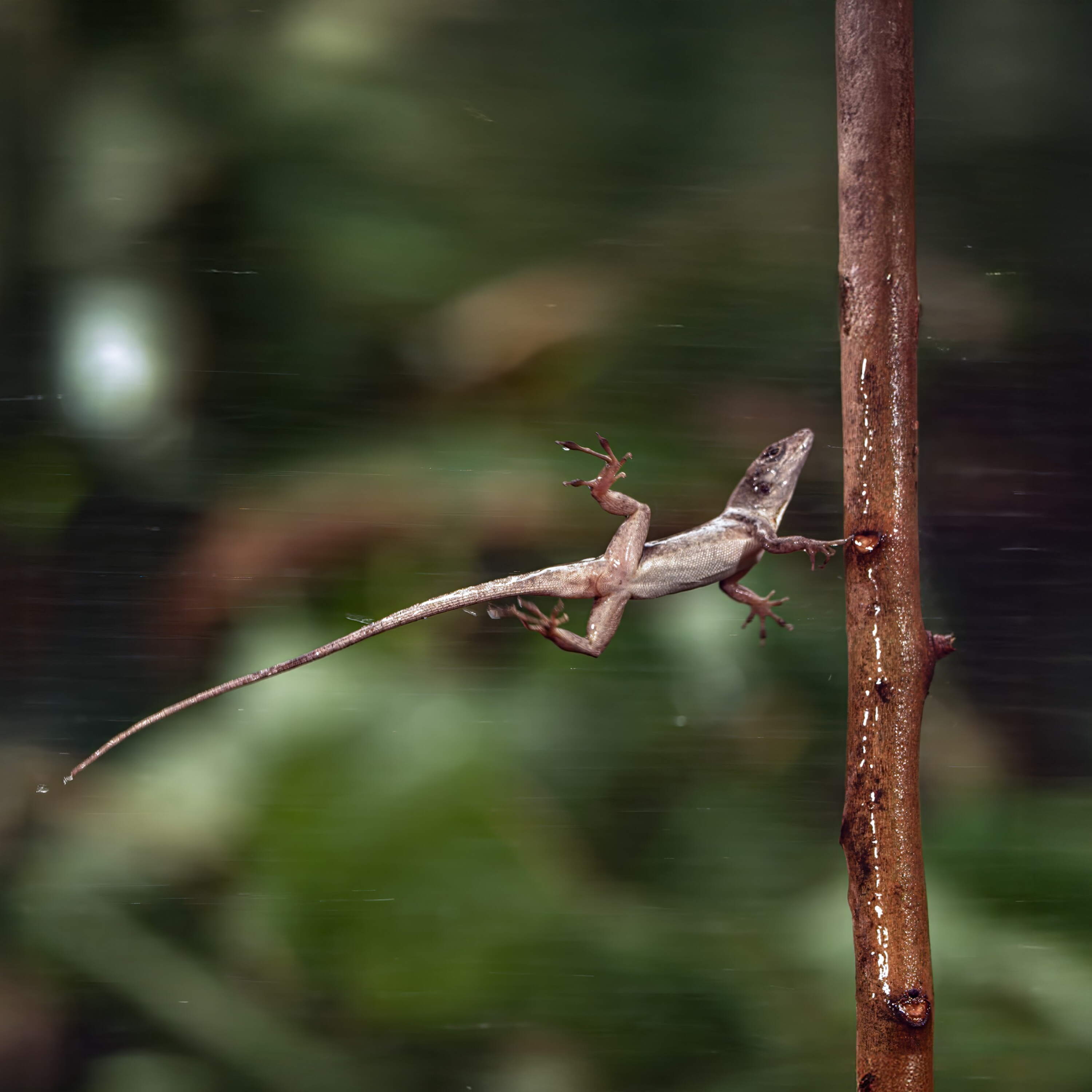
How hurricanes triggered lizard evolution
Hurricane season is upon us and it turns out that these powerful storms can quickly affect the biology of animals. After hurricanes Irma and Maria hit the islands that make up Turks and Caicos about a decade ago, the silver key anole adapted. They now have a shorter fourth toe on their hind legs! That could help them cling to objects better. But how do you know unless you put lizards in front of a fan and record how long they can hold on?<br/><br/>This study is out now in the journal <a href="https://www.cell.com/current-biology/fulltext/S0960-9822(26)00887-0"target="_blank" ><em>Current Biology</em></a>.<br/><br/><em>Interested in more science in the news? Email us your question at </em><a href="mailto:shortwave@npr.org"target="_blank" ><em>shortwave@npr.org</em></a><em>.</em><br/><br/><em>Support public media with NPR+ and enjoy perks for over 25 podcasts like this one. This show’s perks include sponsor-free listening. Learn more at </em><a href="http://plus.npr.org"target="_blank" ><em>plus.npr.org</em></a><em>. </em><br/><br/>See <a href="https://pcm.adswizz.com">pcm.adswizz.com</a> for information about our collection and use of personal data for sponsorship and to manage your podcast sponsorship preferences.<br/><br/><a href="https://www.npr.org/about-npr/179878450/privacy-policy">NPR Privacy Policy</a>
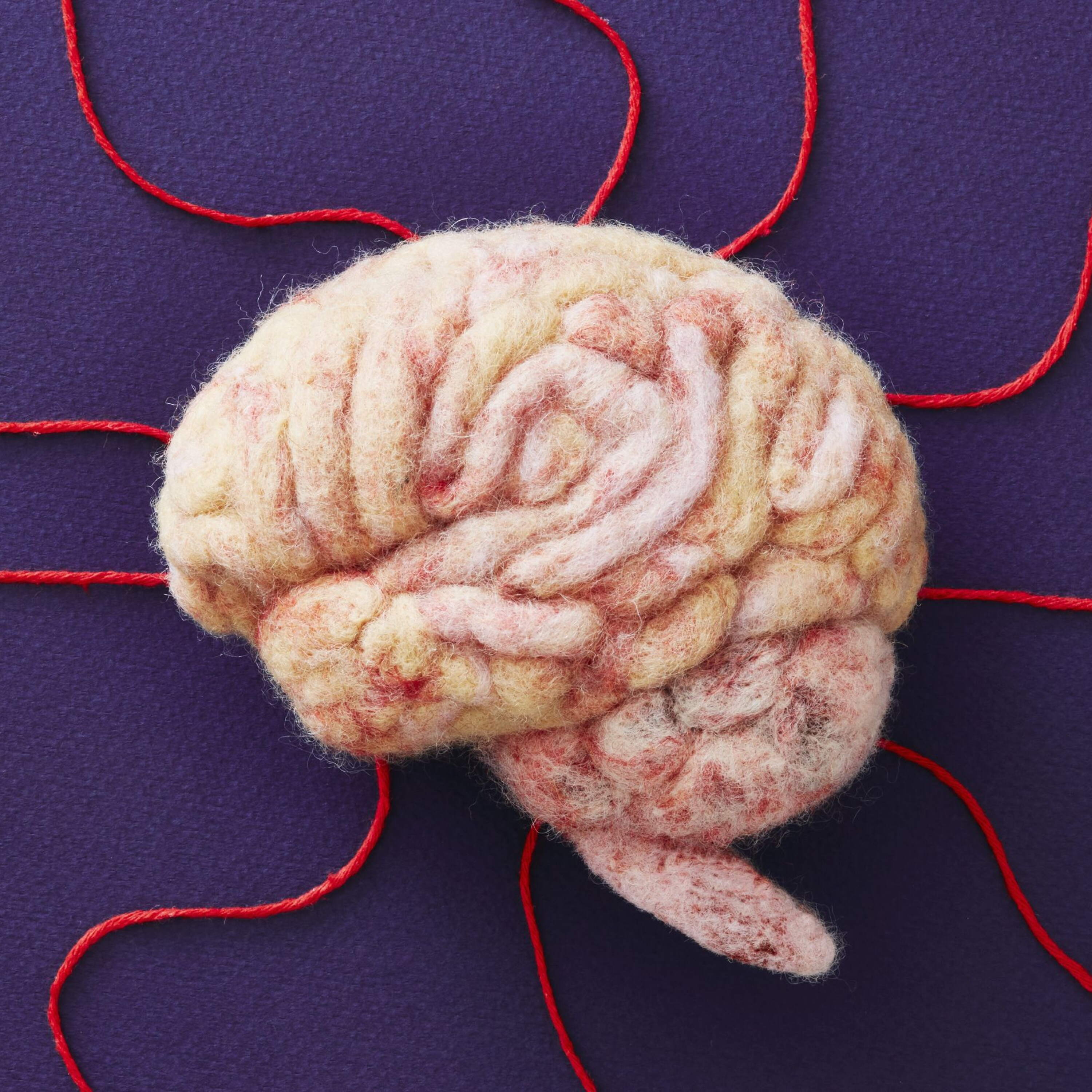
When is your brain actually 'adult'?
Summer is winding down and school is back. And all of that has us thinking about this idea that something happens in the human brain when we turn 25. Suddenly, we can rent a car without fees. Make rational decisions. We may even regret some of our past… indiscretions. All because we’re developed…right? Well, a paper in <a href="https://www.nature.com/articles/s41467-025-65974-8"target="_blank" >the journal <em>Nature</em></a> suggests that may not be the case. Neuroscientists found four distinct turning points in brain development across the human lifespan – and that the brain may be in its “adolescent” phase until about the age of 32. (Encore episode)<br/><br/><em>Interested in more of the science inside your brain? Email us your question at </em><a href="mailto:shortwave@npr.org"target="_blank" ><em>shortwave@npr.org</em></a><em>.</em><br/><br/>Support public media with NPR+ and enjoy perks for over 25 podcasts like this one. This show’s perks include sponsor-free listening. Learn more at <a href="http://plus.npr.org/"target="_blank" >plus.npr.org</a>.<br><em>This episode was produced by Rachel Carlson. It was edited by Rebecca Ramirez. Tyler Jones checked the facts. The audio engineer was Kwesi Lee.</em><br/><br/>See <a href="https://pcm.adswizz.com">pcm.adswizz.com</a> for information about our collection and use of personal data for sponsorship and to manage your podcast sponsorship preferences.<br/><br/><a href="https://www.npr.org/about-npr/179878450/privacy-policy">NPR Privacy Policy</a>
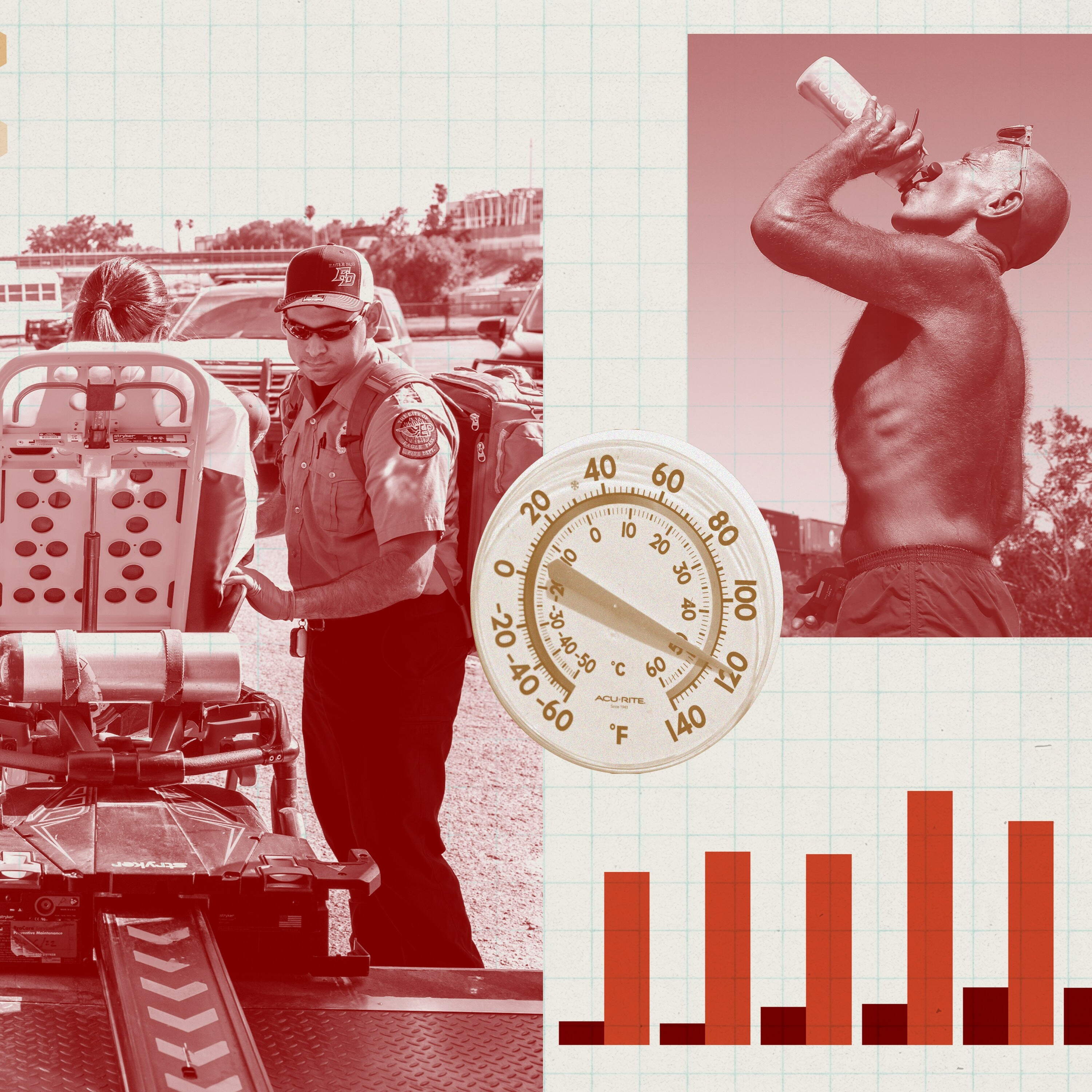
A new investigation shows heat is even deadlier than we thought
Hot weather isn’t just an inconvenience. It’s killing thousands more Americans than show up in official records. That’s the finding from a new NPR investigation, in partnership with Boston University. And the way they came up with that new, better estimate of the true toll of heat is, of course, with <em>science</em>. This episode, we’ll bring you all the details – and chat about why getting good estimates could save lives.<br/><br/><em>Interested in more science-based investigations? Email us your question at </em><a href="mailto:shortwave@npr.org"target="_blank" ><em>shortwave@npr.org</em></a><em>.</em><br/><br/>Support public media with NPR+ and enjoy perks for over 25 podcasts like this one. This show’s perks include sponsor-free listening. Learn more at <a href="http://plus.npr.org/"target="_blank" >plus.npr.org</a>.<br/><br/>See <a href="https://pcm.adswizz.com">pcm.adswizz.com</a> for information about our collection and use of personal data for sponsorship and to manage your podcast sponsorship preferences.<br/><br/><a href="https://www.npr.org/about-npr/179878450/privacy-policy">NPR Privacy Policy</a>
The science of emotional regulation — and how to do it better
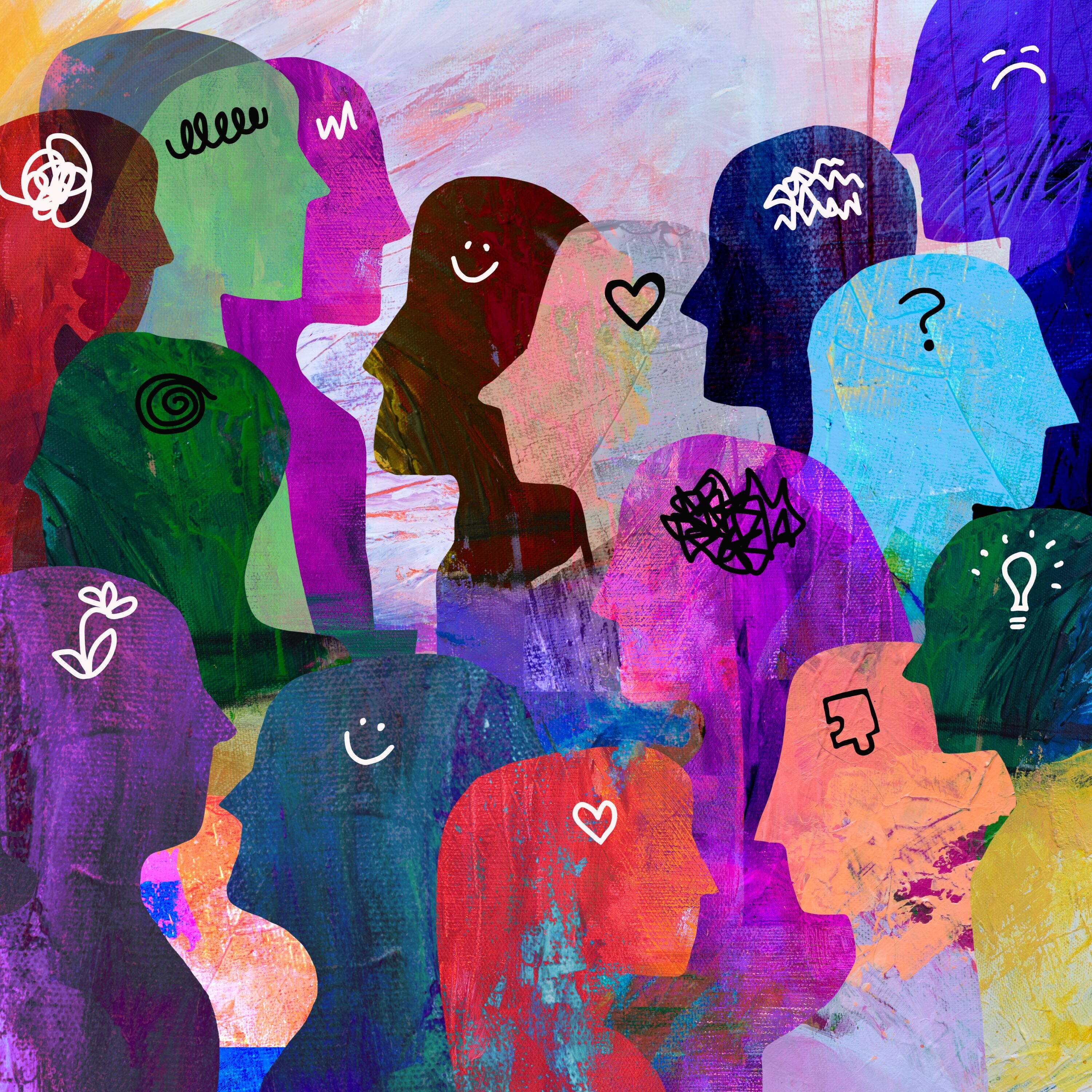
Do you ever feel like your emotions control you instead of you controlling them? Maybe you lash out at someone after a long day at work or indulge to avoid a stressful situation. It’s called emotional dysregulation and don’t worry – we all experience it at some point. Luckily, there’s a better way of dealing with our feelings: building emotional intelligence. That may seem daunting, but Short Wave is here to guide you through everything from understanding the importance of emotions to how we can repair our relationship to them.<br/><br/><em>Interested in learning more about your brain and your feelings? Email us your question at </em><a href="mailto:shortwave@npr.org"target="_blank" ><em>shortwave@npr.org</em></a><em>. We might cover it in a future episode!</em><br/><br/><em>Support public media with NPR+ and enjoy perks for over 25 podcasts like this one. It includes perks like bonus episodes, early access, archive access, curated playlists and sponsor-free listening. Learn more at </em><a href="http://plus.npr.org"target="_blank" ><em>plus.npr.org</em></a><em>.</em><br/><br/>See <a href="https://pcm.adswizz.com">pcm.adswizz.com</a> for information about our collection and use of personal data for sponsorship and to manage your podcast sponsorship preferences.<br/><br/><a href="https://www.npr.org/about-npr/179878450/privacy-policy">NPR Privacy Policy</a>

What can seashells teach us about the health of our oceans?
Seashells: They're beautiful remnants to carry home from the beach—and so much more! According to environmental journalist <a href="https://www.cynthiabarnett.net/"target="_blank" >Cynthia Barnett</a>, seashells record history more accurately than the humans who first wrote it down. In this episode, we talk about the science of seashells, their impact on humankind and the scientist behind a very famous tongue twister.<br/><br/><strong>Check out Cynthia’s book </strong><a href="https://www.cynthiabarnett.net/shop/p/the-sound-of-the-sea-hardcover"target="_blank" ><strong>The Sound of the Sea</strong></a><strong> and check out Emily’s </strong><a href="https://lnk.to/YmA2sk"target="_blank" ><strong>reporting on sandcastles</strong></a><strong>.</strong><br/><br/><em>Interested in more marine biology stories? Email us your question at </em><a href="mailto:shortwave@npr.org"target="_blank" ><em>shortwave@npr.org</em></a><em>.</em><br/><br/><em>Support public media with NPR+ and enjoy perks for over 25 podcasts like this one. This show’s hperks include sponsor-free listening. Learn more at </em><a href="http://plus.npr.org"target="_blank" ><em>plus.npr.org</em></a><em>. </em><br><br/><br/>See <a href="https://pcm.adswizz.com">pcm.adswizz.com</a> for information about our collection and use of personal data for sponsorship and to manage your podcast sponsorship preferences.<br/><br/><a href="https://www.npr.org/about-npr/179878450/privacy-policy">NPR Privacy Policy</a>
Football is here – and so is a new study on CTE
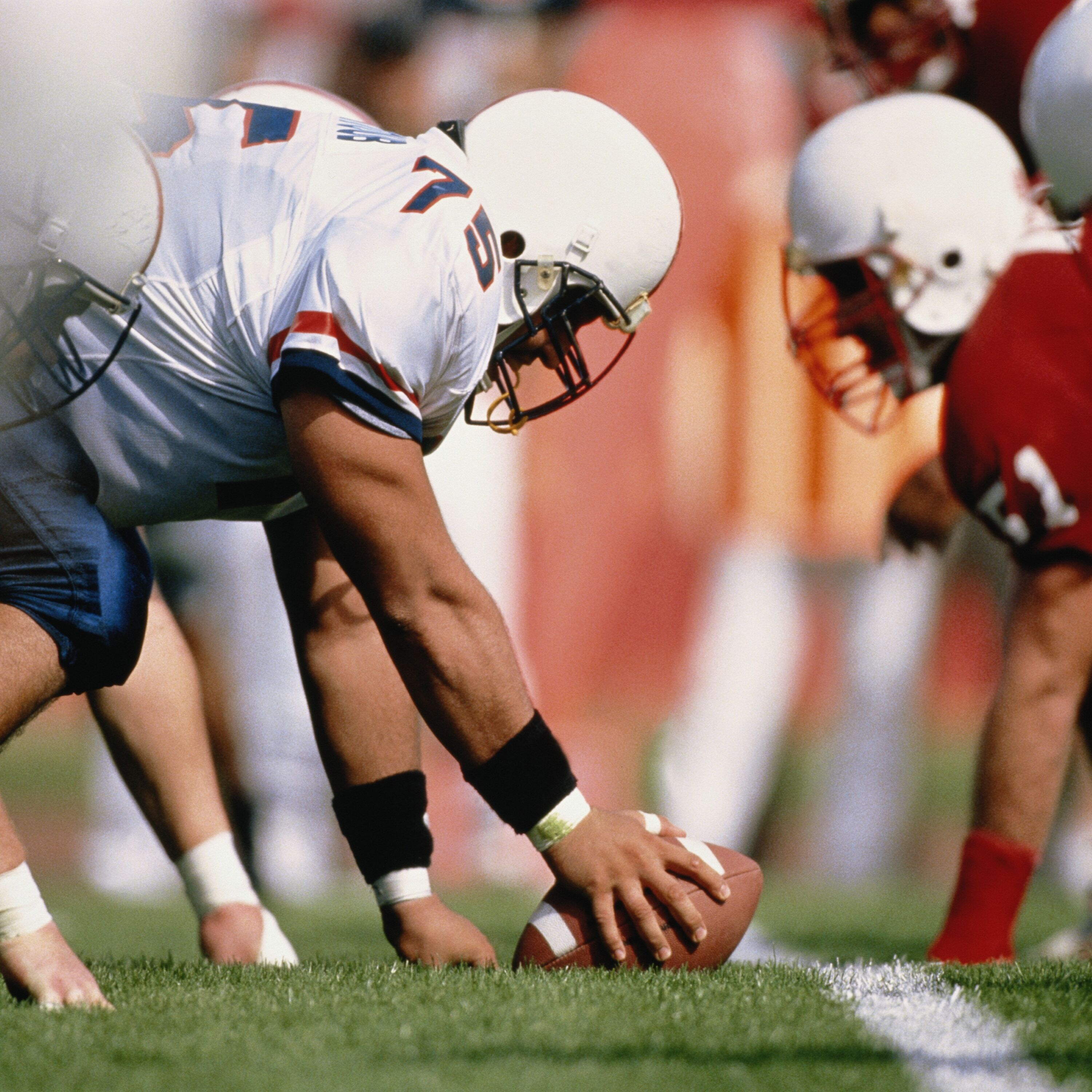
The NFL season begins this week, but America’s favorite sport has been on our minds for other reasons recently. New <a href="https://doi.org/10.1136/bmj-2026-100418"target="_blank" >research released in the journal<em> BMJ</em></a> reveals that 1 in 4 former NFL players in this sample had CTE, a neurodegenerative brain disease caused by repetitive head injuries. Past studies already showed that football players are at high risk for CTE, but this study – which assessed ex-NFL players who died from 2016 to 2021 – revealed that at least a quarter of those former players died with CTE, and the study’s lead author says the actual numbers are likely higher. What does that mean for players (and fans) of American football? Short Wave host <a href="https://www.npr.org/people/348779465/nathan-rott"target="_blank" >Nate Rott</a> and NPR sports correspondent Becky Sullivan find out.<br/><br/><em>Interested in more sports science? Email us your question at </em><a href="mailto:shortwave@npr.org"target="_blank" ><em>shortwave@npr.org</em></a><em>.</em><br/><br/><em>Support public media with NPR+ and enjoy perks for over 25 podcasts like this one. This show’s perks include sponsor-free listening. Learn more at </em><a href="http://plus.npr.org/"target="_blank" ><em>plus.npr.org</em></a><em>.</em><br><br/><br/>See <a href="https://pcm.adswizz.com">pcm.adswizz.com</a> for information about our collection and use of personal data for sponsorship and to manage your podcast sponsorship preferences.<br/><br/><a href="https://www.npr.org/about-npr/179878450/privacy-policy">NPR Privacy Policy</a>
NASA's newest telescope has a top secret past
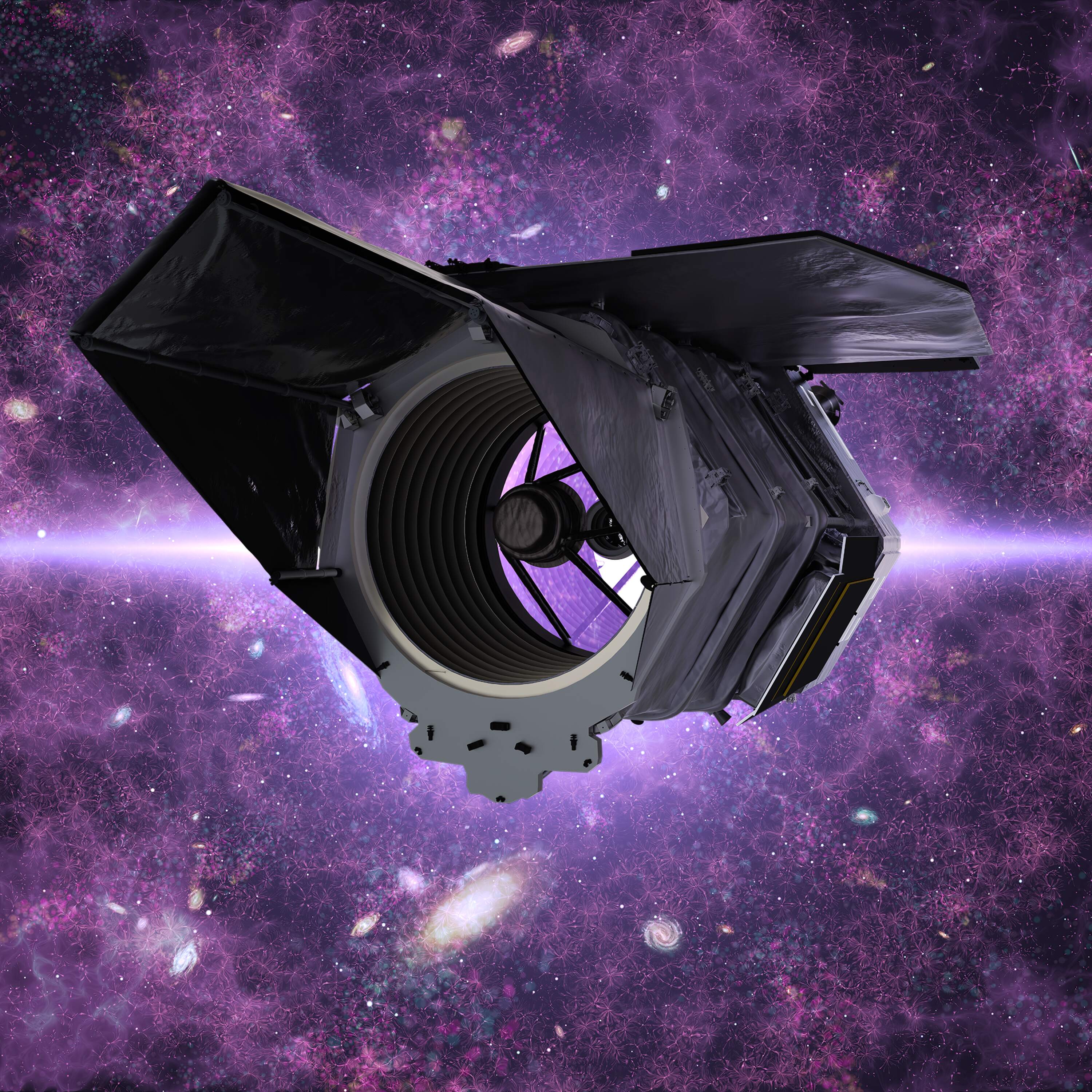
The new Nancy Grace Roman space telescope is slated to launch <em>this weekend</em>. It was originally built for the National Reconnaissance Office as a spy satellite, but was never launched. Instead, NRO gave it to NASA about 15 years ago. After some major modifications, it’s set to begin its five-year mission peering at new supernovas, distant galaxies and planets orbiting stars outside our solar system. It should help scientists get a better understanding of the mysterious force known as dark energy – which will tell us about the fate of the universe.<br/><br/><strong>If you liked this episode, check out Regina’s reporting </strong><a href="http://lnk.to/C0Cpam"target="_blank" ><strong>demystifying the mysterious red dots</strong></a><strong> spotted by the James Webb Space Telescope.</strong><br/><br/><em>Interested in more space news? Email us your question at </em><a href="mailto:shortwave@npr.org"target="_blank" ><em>shortwave@npr.org</em></a><em>.</em><br/><br/><em>Support public media with NPR+ and enjoy perks for over 25 podcasts like this one. This show’s perks include sponsor-free listening. Learn more at </em><a href="http://plus.npr.org"target="_blank" ><em>plus.npr.org</em></a><em>. </em><br><br/><br/>See <a href="https://pcm.adswizz.com">pcm.adswizz.com</a> for information about our collection and use of personal data for sponsorship and to manage your podcast sponsorship preferences.<br/><br/><a href="https://www.npr.org/about-npr/179878450/privacy-policy">NPR Privacy Policy</a>

How your metabolism could alter your mental health
In 2009, medical student <a href="https://med.stanford.edu/profiles/shebani-sethi"target="_blank" >Shebani Sethi</a> watched a patient in a weight loss program make a remarkable recovery. The dietary intervention she underwent alleviated her schizophrenia symptoms, something the woman had tried – and failed – to treat with medication for years. That experience sent Shebani down a medical path that would lead her to treating mental health in a radically different way. Today host <a href="https://www.npr.org/people/767284140/emily-kwong"target="_blank" >Emily Kwong</a> talks to Shebani about the emerging field of metabolic psychiatry and how ketogenic metabolic therapy may treat schizophrenia, bipolar disorder and depression.<br/><br/><strong>Read Shebani’s </strong><a href="https://www.nature.com/articles/s44220-026-00609-5"target="_blank" ><strong>article on metabolic psychiatry here</strong></a><strong>.</strong><br/><br/><em>Interested in more lifestyle science? Email us your question at </em><a href="mailto:shortwave@npr.org"target="_blank" ><em>shortwave@npr.org</em></a><em>.</em><br/><br/><em>Listen to every episode of Short Wave sponsor-free and support our work at NPR by signing up for Short Wave+ at </em><a href="http://plus.npr.org/"target="_blank" >plus.npr.org</a><br/><br/>See <a href="https://pcm.adswizz.com">pcm.adswizz.com</a> for information about our collection and use of personal data for sponsorship and to manage your podcast sponsorship preferences.<br/><br/><a href="https://www.npr.org/about-npr/179878450/privacy-policy">NPR Privacy Policy</a>
AI-made viruses could be the future of medicine
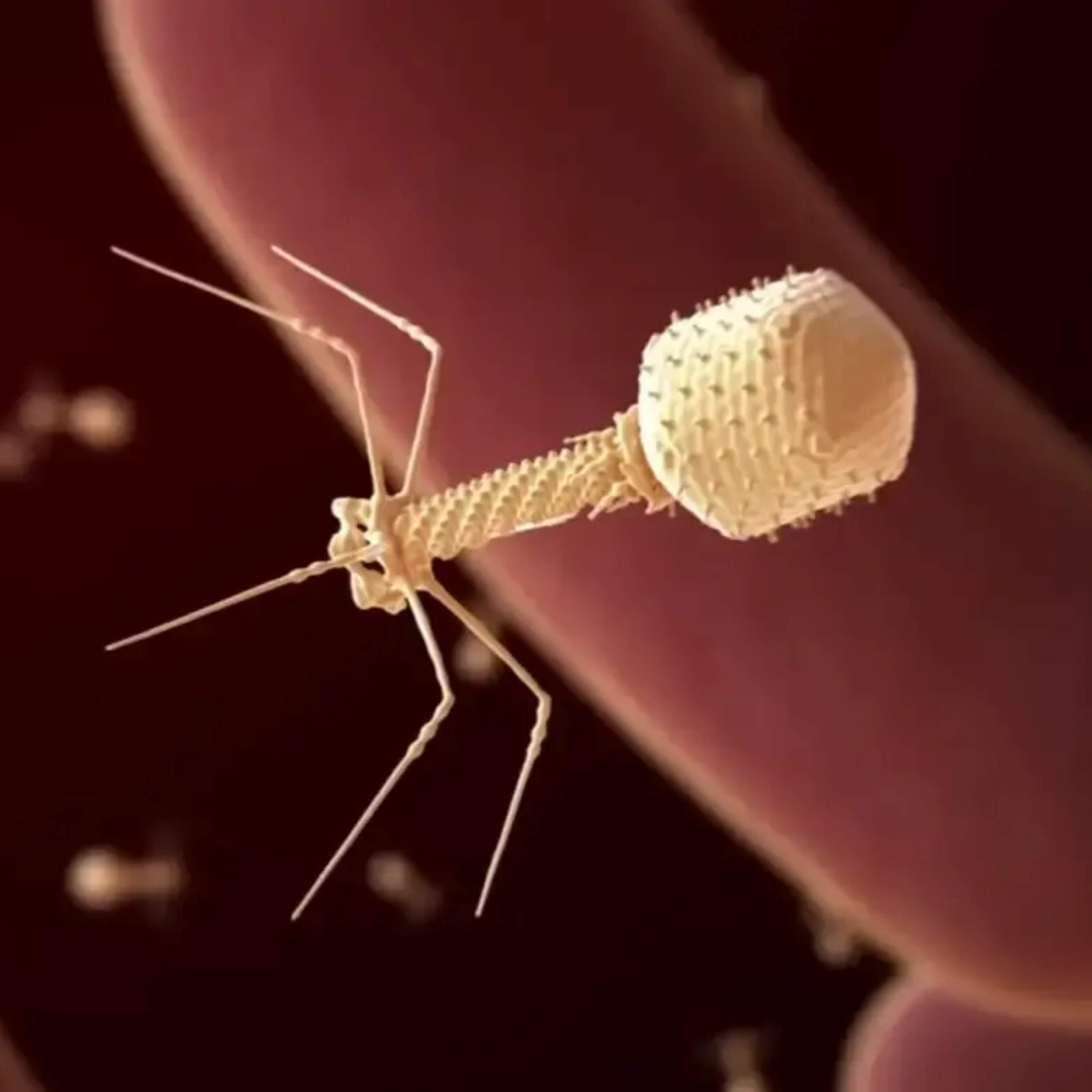
The era of AI-generated viruses is here. Some scientists are using AI to design viruses that can attack bacteria. The hope is that these tailor-made viruses can fight drug-resistant bacterial infections in people. And longer-term, Brian Hie, the Stanford researcher spearheading this project, hopes that AI can help create more complicated biological systems to treat formidable diseases. But some experts warn that placed in the wrong hands, this technology could create the next pandemic. <br/><br/><em>Interested in more AI-related research? Email us your question at </em><a href="mailto:shortwave@npr.org"target="_blank" ><em>shortwave@npr.org</em></a><em>.</em><br/><br/><em>Support public media with NPR+ and enjoy perks for over 25 podcasts like this one. This show’s perks include sponsor-free listening. Learn more at </em><a href="http://plus.npr.org"target="_blank" ><em>plus.npr.org</em></a><em>. </em><br/><br/>See <a href="https://pcm.adswizz.com">pcm.adswizz.com</a> for information about our collection and use of personal data for sponsorship and to manage your podcast sponsorship preferences.<br/><br/><a href="https://www.npr.org/about-npr/179878450/privacy-policy">NPR Privacy Policy</a>
How much has the U.S.’s wildlife changed since Lewis and Clark?
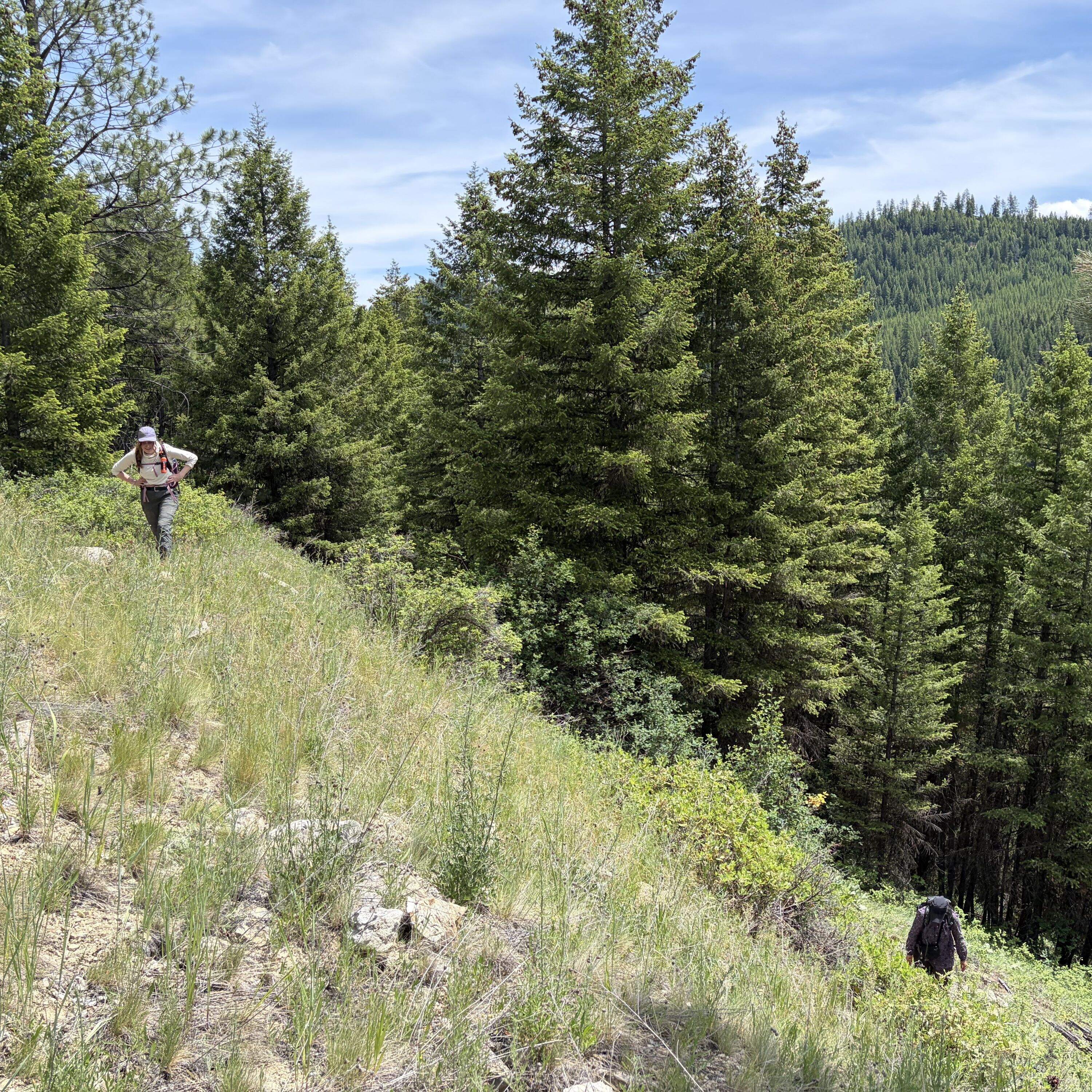
Ever wish you could have been part of the Lewis and Clark expedition? Us too. The Corps of Discovery came across scores of plants and animals that were new to Western science: Grizzly bears, ponderosa pines, a “barking squirrel” that William Clark would later call the prairie dog. A modern effort is underway to see how much the country’s wildlife has changed in the 220-some years since their journey. Host <a href="https://www.npr.org/people/348779465/nathan-rott"target="_blank" >Nate Rott</a> tags along with some scientists re-surveying a part of the expedition’s route in western Montana. And he wishes he was in better shape.<br/><br/><em>Interested in more science in the news? Email us your question at </em><a href="mailto:shortwave@npr.org"target="_blank" ><em>shortwave@npr.org</em></a><em>.</em><br/><br/>Support public media with NPR+ and enjoy perks for over 25 podcasts like this one. This show’s perks include sponsor-free listening. Learn more at <a href="http://plus.npr.org/"target="_blank" >plus.npr.org</a>.<br/><br/>See <a href="https://pcm.adswizz.com">pcm.adswizz.com</a> for information about our collection and use of personal data for sponsorship and to manage your podcast sponsorship preferences.<br/><br/><a href="https://www.npr.org/about-npr/179878450/privacy-policy">NPR Privacy Policy</a>