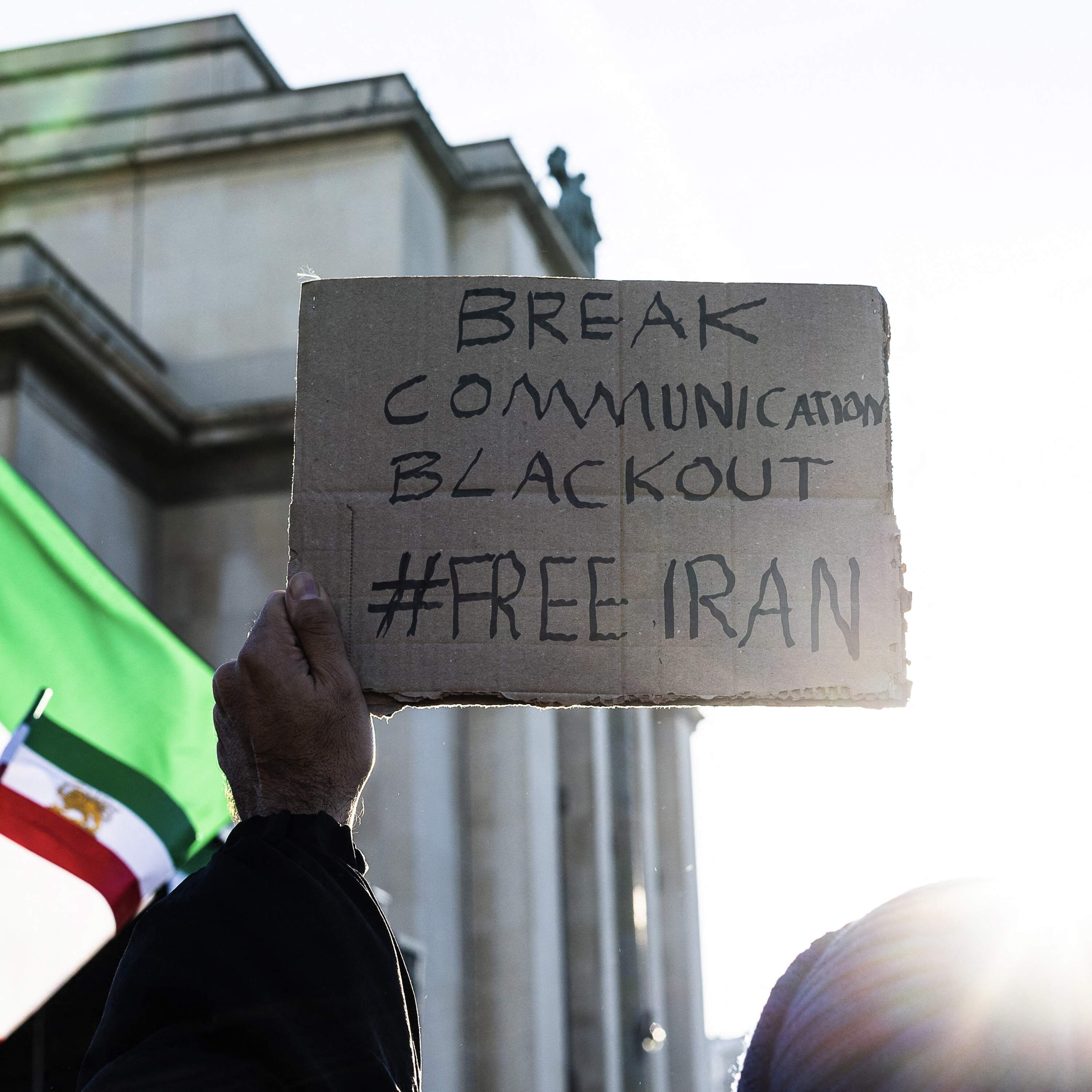
Overview of Iran offline: How a government can turn off the internet
This episode of Shortwave (NPR) explains how internet infrastructure works, how and why governments—using Iran as the recent example—can shut down connectivity, how researchers detect those shutdowns from afar, and what citizens lose when the network goes dark. It features Amanda Meng (IOTA project, Georgia Tech) and Alberto Dainotti (computer scientist, Georgia Tech), and discusses the January shutdown in Iran (partially restored later via whitelisted services), past shutdowns, and the limits of satellite alternatives like Starlink.
Main points and context
- Iran implemented a near-complete internet blackout in early January in response to mass protests tied to economic distress and political grievances. Authorities routinely cite “national security” when cutting access.
- Shutdowns are not new in Iran (notably in 2019’s “Bloody November” and during the 2022 Women Life Freedom protests), but tactics have become more sophisticated: selective whitelisting of services and selective access for trusted users.
- NPR cites an independent U.S.-based human rights group reporting more than 5,000 deaths since the protests began; NPR has not independently verified that figure.
- Restoration estimates ranged from days to weeks at the time of the episode; some domestic access (e.g., Google Search/Images) returned as “whitelisted” services while international email/Gmail remained inaccessible.
How the internet actually works (concise)
- The internet is a “network of networks”: many ISPs, telecoms, universities, etc., interconnect through routers, switches and various links (fiber, last-mile cable, cellular radio, Wi‑Fi, satellite).
- Endpoints (phones, laptops, servers) communicate by routing traffic through intermediate nodes. Control over those nodes and links determines how traffic can be allowed or blocked.
How governments can shut the internet down
- Centralization is key: countries with a small number of gateways or tightly controlled national networks can more easily cut external connectivity or filter traffic.
- Techniques used:
- Cutting or modifying routing announcements (blocking announcement of IP address blocks).
- Shutting down mobile networks or specific ISPs.
- Whitelisting select services/addresses so only approved apps or sites work domestically.
- Jamming satellite signals (reported attempts to interfere with Starlink terminals).
- Motivations include suppressing mobilization, controlling information flow, enabling targeted communications for officials, and minimizing economic fallout by being selective rather than total blackouts.
How researchers detect and measure outages (IOTA)
IOTA (Internet Outage Detection and Analysis) provides public data on connectivity using three main signals:
- Router announcements: monitoring BGP/routing updates to see which networks advertise reachability to the global internet.
- Active probing: periodically pinging hosts and networks to measure responsiveness and reachability.
- Telescope traffic (network telescopes): analyzing background “noise” and unsolicited traffic observed by large unused address space sensors as a liveness signal. These combined signals let researchers detect where, when, and how severe outages are, and compare tactics across events and countries.
Impact on people and society
- Immediate losses: ability to contact family and friends, coordinate safety, access mapping/navigation, reach emergency services, and use digital banking and payment systems.
- Economic consequences: full shutdowns severely hurt commerce; selective tactics can be used to reduce economic damage while maintaining control.
- Civil participation: internet access matters for protests, resource coordination, and civic life—centralization (or decentralization) of infrastructure affects resilience (e.g., Ukraine’s more decentralized network improved resilience in past conflicts).
Satellite internet and limits of escape routes
- Satellite services like Starlink can provide connectivity even when terrestrial networks are shut down, and some Iranians used them to stay online.
- Governments can attempt to jam or criminalize the use of satellite terminals; Starlink jamming was mentioned as an example of state efforts to extend control.
- The situation is evolving: satellite coverage, countermeasures, and state responses form a technological and policy race.
Notable quotes / takeaways from guests
- “The keyword here really is centralization.” — on why some countries can shut off the internet more easily.
- Shutdowns are increasingly sophisticated: “They’ve become more sophisticated in how they’re implementing their shutdowns so that they can keep online what they want to keep online.”
- Human costs are immediate and practical: people first lose the ability to contact loved ones and access basic services.
Actionable takeaways / further reading
- For citizens and organizations in at-risk countries: expect shutdowns to be targeted (not always total); critical communications planning should assume intermittent or partial connectivity.
- For researchers and policymakers: monitoring projects like IOTA are essential for documenting outages, understanding tactics, and informing mitigation strategies.
- NPR provided links and additional reporting in the episode show notes for deeper coverage of the Iran protests and the technical analyses.
Final summary
The episode combines technical explanation and human context: internet shutdowns are possible because of how national networks are structured and managed, and governments can use a mix of blunt and surgical tools (routing cuts, mobile blackouts, whitelisting, jamming) to control connectivity. Detection work by groups like IOTA helps the world understand where and how these shutdowns happen, and the human toll—loss of communication, safety, and economic activity—is immediate and severe.