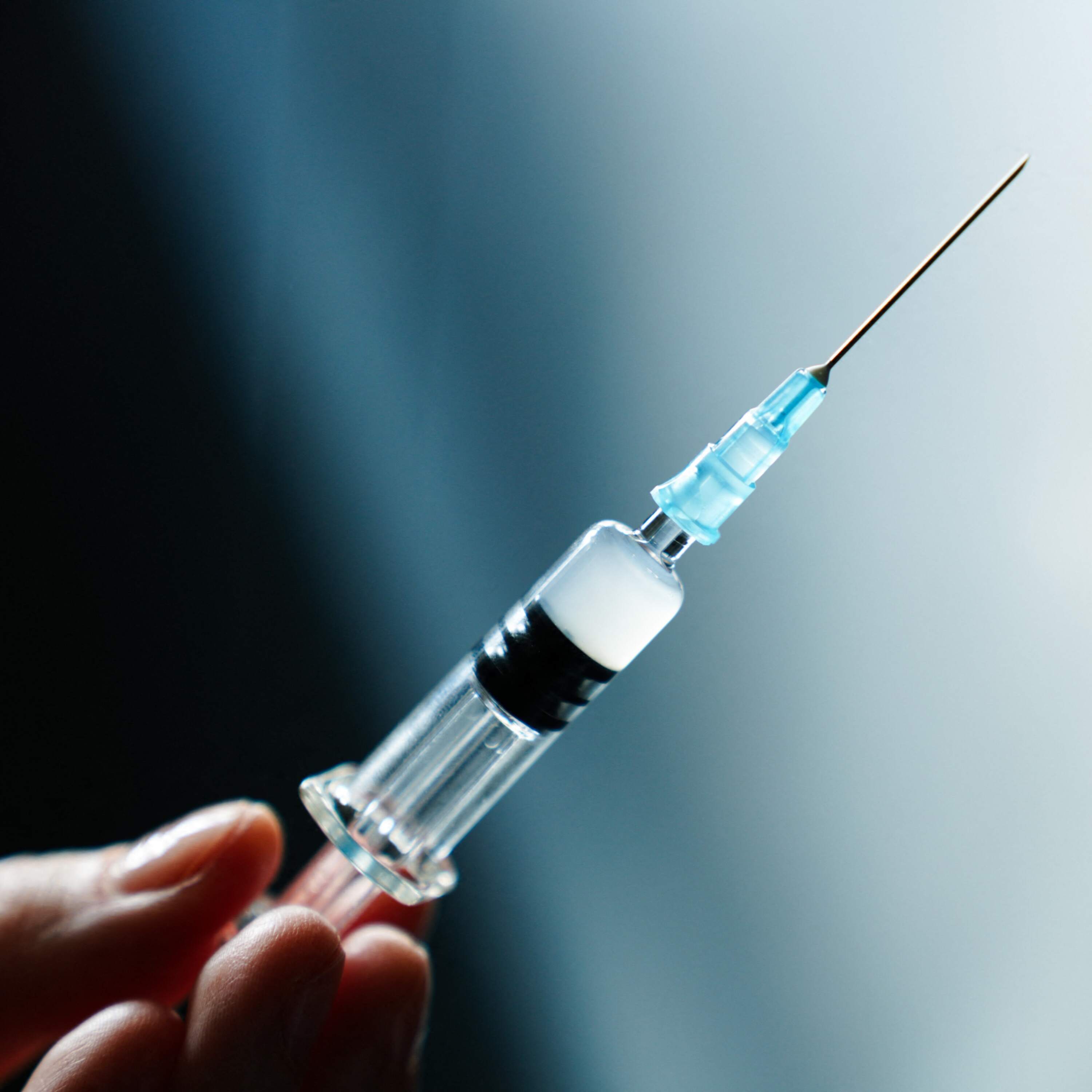
Overview of The global fallout of RFK Jr.'s vaccine policies (Shortwave, NPR)
This episode examines how Robert F. Kennedy Jr.'s vaccine priorities as U.S. Secretary of Health and Human Services are affecting global public health. Gabriela Emanuel (NPR global health correspondent) outlines two flashpoints: (1) an ultimatum to Gavi, the international vaccine alliance, to remove thimerosal from vaccines or face withheld U.S. funding; and (2) controversy over a Denmark-led, partly U.S.-funded randomized study in Guinea-Bissau on newborn hepatitis B vaccination. The conversation covers scientific, ethical, logistical, and geopolitical consequences of these moves.
Key topics discussed
- RFK Jr.’s influence on U.S. vaccine policy and advisory appointments
- Gavi funding dispute over thimerosal (a vaccine preservative)
- A controversial hepatitis B newborn vaccine study in Guinea-Bissau
- Scientific consensus on vaccine safety vs. political/ethical objections
- Broader implications for U.S. standing in global public health
Example 1 — Gavi ultimatum and thimerosal
What happened
- HHS (under RFK Jr.) threatened to withhold future U.S. funding to Gavi unless the organization removes thimerosal from vaccines. Congress has also allocated funds to Gavi, so the funding outcome is uncertain.
What thimerosal is and why it matters
- Thimerosal is a mercury-containing preservative used in multi-dose vaccine vials to prevent bacterial/fungal contamination—important for low-income countries that rely on cheaper multi-dose vials during mass campaigns.
- Major public-health authorities (WHO, FDA, CDC) consider thimerosal safe; the form of mercury it contains is rapidly cleared from the body and exposure from vaccines is lower than common dietary sources (e.g., a tuna sandwich, per virologist Angela Rasmussen).
Arguments and risks
- RFK Jr. has long campaigned against thimerosal, calling its use an injection of mercury into millions of children in low-income countries.
- Critics (e.g., Paul Offit) warn that forcing out thimerosal without viable, affordable alternatives could disrupt vaccine supply and lead to preventable child deaths because multi-dose vials would be unsafe or unavailable.
- Gavi says it will follow scientific consensus and its board; HHS has said Gavi refused to develop a phase-out plan and threatened withholding funds.
Implication
- Removing thimerosal without feasible, low-cost alternatives risks undermining immunization coverage in poorer countries.
Example 2 — Guinea-Bissau hepatitis B study
Background
- Hepatitis B is common in Guinea-Bissau (~1 in 5 adults infected). A birth dose of hepatitis B vaccine is highly effective at preventing mother-to-child transmission.
- Current policy there delays vaccination for several weeks; the country plans to introduce birth-dose vaccination in 2028.
Study design and controversy
- Denmark-based researchers proposed (with ~$1.6M U.S. funding) a randomized trial of ~14,000 newborns: half would get hepatitis B vaccine at birth, half would receive it later (current policy). Researchers would monitor for short- and medium-term adverse outcomes (e.g., neurological issues, eczema).
- The study was announced soon after a December vote by CDC advisors (handpicked by RFK Jr.) to stop routine U.S. newborn hepatitis B vaccination—suggesting heightened scrutiny of newborn vaccine policy.
Ethical concerns
- WHO labeled the trial unethical, arguing it exploits scarcity and withholds a proven protection from enrolled families.
- Critics compare the study to abusive past research (e.g., Tuskegee) and argue the vaccine’s safety and effectiveness are already well established; thus the trial may not answer a valuable question and could erode trust.
- Defenders (including HHS in its statement) call the study a gold-standard trial that meets high ethical and scientific standards.
- The study is currently suspended pending an ethics review; Africa CDC is involved in review oversight.
Additional context
- The Danish researchers are controversial; RFK Jr. has cited their work favorably in the past. Some experts have criticized the researchers’ prior statistical and evidentiary claims.
Main takeaways
- RFK Jr.’s vaccine priorities are creating tangible international ripple effects—threatening funding relationships and prompting contested research in vulnerable countries.
- Scientific consensus supports thimerosal safety and the effectiveness of hepatitis B birth-dose vaccination; policy shifts or imposed changes that ignore logistical realities can reduce vaccine coverage and cause real harm.
- Ethical critiques focus on whether proposed research asks a necessary question and whether conducting it in resource-poor settings exploits scarcity and damages trust.
- The U.S. may be growing more isolated in global public health if policies diverge from international science-based norms.
Notable quotes and perspectives
- RFK Jr. (paraphrase): Accused Gavi of "injecting mercury into more than 100 million black and brown babies in developing countries annually."
- Angela Rasmussen (virologist): The toxic mercury exposure from a thimerosal-containing vaccine is “less than you would get from eating a tuna fish sandwich.”
- Paul Offit (vaccine expert): If Gavi agrees to remove thimerosal under pressure, “children will no doubt die.”
What to watch next (actionable items)
- Gavi’s board decisions and whether U.S. funding is actually withheld or reinstated via congressional action.
- Outcome of the Guinea-Bissau ethics review and decisions by Africa CDC and WHO.
- Any move by countries relying on multi-dose vials to alter vaccination schedules or procurement in response to a thimerosal phase-out.
- Statements and peer-reviewed evidence from the Danish research team if the trial is revised or resumed.
Who’s on the episode
- Host: Regina Barber (Shortwave, NPR)
- Guest: Gabriela Emanuel (NPR global health correspondent)
- Reporting/production credits: Produced by Rachel Carlson; edited by Giselle Grayson; showrunner Rebecca Ramirez; fact-checkers Gabriela Emanuel and Tyler Jones.
Summary prepared to help readers understand the scientific, ethical, and geopolitical stakes without listening to the full episode.