Decoder with Nilay Patel

by The Verge
Decoder is a show from The Verge about big ideas — and other problems. Verge editor-in-chief Nilay Patel talks to a diverse cast of innovators and policymakers at the frontiers of business and technology to reveal how they’re navigating an ever-changing landscape, what keeps them up at night, and what it all means for our shared future.
Episodes

Can Cloudflare save the web from AI?
Cloudflare discovered in June that bots already make up more than half of internet traffic — and CEO Matthew Prince says that bots could outnumber humans a thousand to one within five years. That's a huge change to the internet, and if the web is going to keep existing, it needs a huge change to its business model. Can Cloudflare use its place in the ecosystem to direct the money back to the people who make content? Links: How I choose which Cloudflare employees to replace with AI | Wall Street Journal Why Cloudflare CEO Matthew Prince is the internet’s unlikely defender | Decoder (2024) Cloudflare will now block AI crawlers by default | The Verge Patreon partners with Cloudflare to block AI crawlers | 404 Media Sony and Warner sue Anthropic in latest AI music lawsuit | Billboard Trump administration supports OpenAI in NYT copyright lawsuit | The Verge Google Zero is here — now what? | The Verge (2024) Subscribe to The Verge to access the ad-free version of Decoder! Credits: Decoder is a production of The Verge and part of the Vox Media Podcast Network. Decoder’s producers are Greg Ott, Kate Cox, and Nick Statt. This episode was edited by Kabir Chopra. Our editorial director is Kevin McShane. The Decoder music is by Breakmaster Cylinder. Learn more about your ad choices. Visit podcastchoices.com/adchoices
I have some questions for Mark Zuckerberg
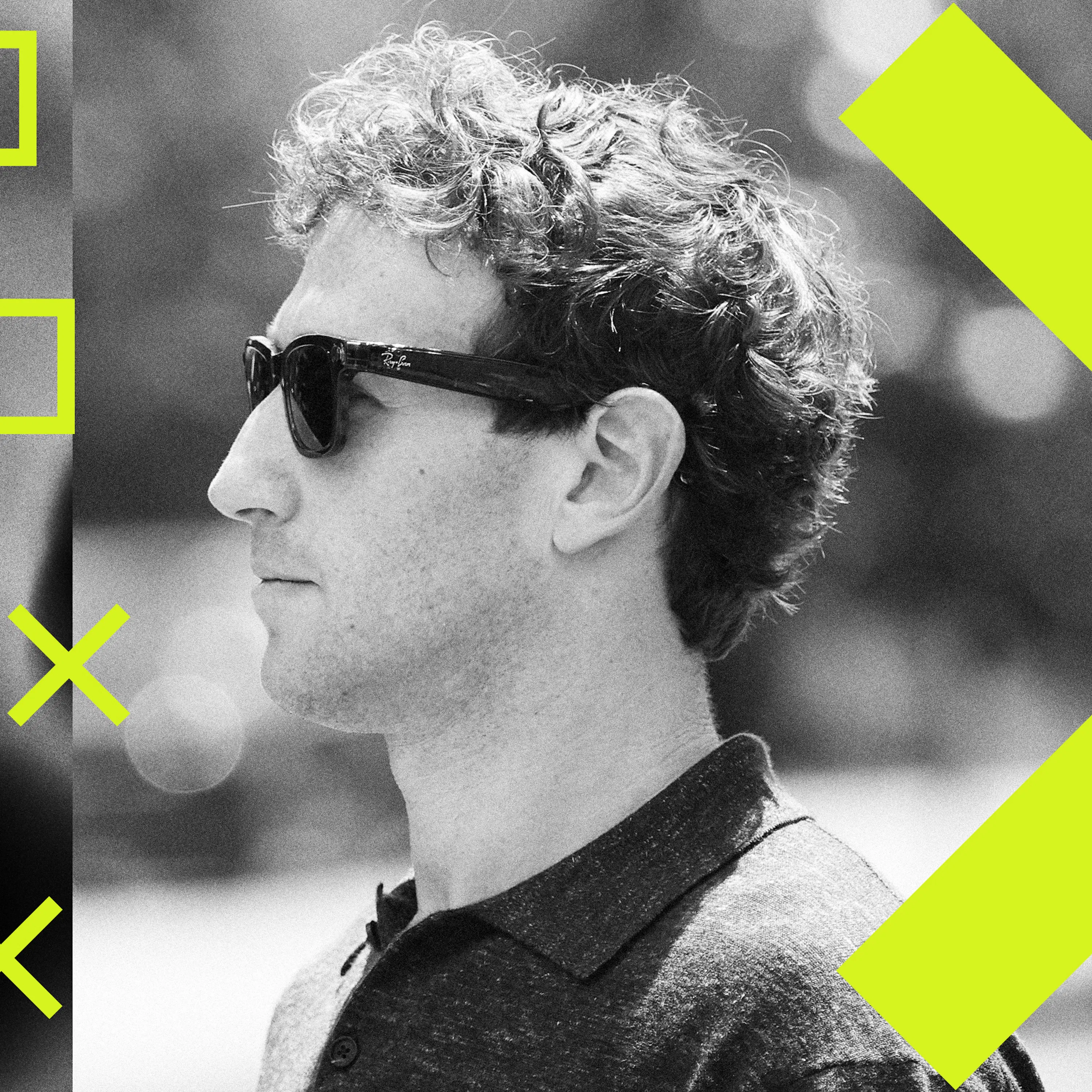
It’s a big week for Meta. The company has its big Connect conference, and the new Muse AI agent appears to be an early hit. CEO Mark Zuckerberg has been doing a lot of interviews about it all — so of course we asked for him to be on Decoder. Meta declined, for whatever reason. But luckily Mark just did a big interview with our friend and former colleague Alex Heath on the Sources podcast. So I figured we could highlight some moments from that conversation to point out some obvious gaps in what Mark is saying about Meta and hopefully inspire the next set of people who talk to him with some follow-up questions. Links: Muse will make people money | Sources How Meta got everything it wanted in secret data center deal | New York Times Can you forget how you feel about Meta? | The Verge Zuck doesn’t want to press pause on AI | The Verge Meta glasses are a workplace menace | The Verge Mark Zuckerberg doesn’t understand how to live | The Verge Four takeaways from Mark Zuckerberg’s massive AI manifesto | The Verge Meta says US states are seeking $1.4 trillion in penalties | Reuters Subscribe to The Verge to access the ad-free version of Decoder! Credits: Decoder is a production of The Verge and part of the Vox Media Podcast Network. Decoder’s producers are Greg Ott, Kate Cox, and Nick Statt. This episode was edited by Ursa Wright. Our editorial director is Kevin McShane. The Decoder music is by Breakmaster Cylinder. Learn more about your ad choices. Visit podcastchoices.com/adchoices

Can John Ternus find Apple's next big thing?
Today, I’m talking with Bloomberg’s Mark Gurman, who is the world’s best-sourced Apple reporter. Earlier this month, Apple hosted its annual iPhone hardware event, and this event was special, for a number of reasons. It was new Apple CEO John Ternus’ first major product launch. It was also the debut of the foldable iPhone Duo. So I wanted Mark on the show to explain why this event was so important, and how John Ternus’ Apple will look a lot different from Tim Cook’s. Read the full interview transcript on The Verge. Links: Apple iPhone Duo launch event: the 5 biggest announcements | The Verge The iPhone Duo is Apple’s first foldable | The Verge Tim Cook’s CEO-like pay package shows he isn’t going anywhere | Bloomberg Apple’s Phil Schiller steps down from running App Store | Bloomberg Apple’s new CEO will need to soon overhaul his management team | Bloomberg Apple’s Ternus takes the reins as CEO, with AI as job No. 1 | Bloomberg Subscribe to The Verge to access the ad-free version of Decoder! Credits: Decoder is a production of The Verge and part of the Vox Media Podcast Network. Decoder is produced by Greg Ott, Kate Cox, and Nick Statt. This episode was edited by Eileen Felix. Our editorial director is Kevin McShane. The Decoder music is by Breakmaster Cylinder. Learn more about your ad choices. Visit podcastchoices.com/adchoices

Does AI need an antitrust exemption so it doesn't kill everyone????
The biggest story in tech right now is the spiraling debate about AI safety and regulation. The CEOs of all these companies have issued various calls to slow down development and develop regulation, including asking for antitrust exemptions so they can all coordinate on safety issues. So to make sense of it all, I called Jonathan Kanter, the former antitrust chief for the U.S. Department of Justice in the Biden Administration. There's a lot going on, and we really got into the weeds of how all this regulation might work, and how it might interact with antitrust law, competition policy, and our relationship with China. Links: Is Big Tech’s AI slowdown a safety pact or a cartel? | The Verge Inside the suddenly explosive world of AI safety | The Verge Execs and politicians on slowing down AI development | The Verge Microsoft AI CEO: AI threats are real, Anthropic makes it worse | The Verge Lina Khan: We don’t need new laws to prosecute AI CEOs | Gizmodo Subscribe to The Verge to access the ad-free version of Decoder! Credits: Decoder is a production of The Verge and part of the Vox Media Podcast Network. Decoder’s producers are Greg Ott, Kate Cox, and Nick Statt. This episode was edited by Ursa Wright. Our editorial director is Kevin McShane. The Decoder music is by Breakmaster Cylinder. Learn more about your ad choices. Visit podcastchoices.com/adchoices

Microsoft AI CEO says AI threats are real, and Anthropic is making it worse
Today, I’m talking with Mustafa Suleyman, the CEO of Microsoft AI. As you’re no doubt aware, the biggest story in tech right now is the spiraling debate about AI safety and regulation. So I really wanted to talk to Mustafa about what he thinks is real and not in AI safety, whether the concept of alignment itself is up to the task, and whether this industry needs to slow down before it kills us all. Links: A warning about ‘model welfare’ | Mustafa Suleyman Humanist AI Code of Conduct | Microsoft Is Big Tech’s AI slowdown a safety pact or a cartel? | The Verge A brief history of AI executives calling for regulation | The Verge What execs and politicians are saying about slowing down AI development | The Verge Anthropic CEO says it’s time to pump the brakes on AI | The Verge Microsoft’s AI chief says superintelligence is near, but won’t take your job | Decoder (2026) Mustafa Suleyman says conversational AI is the next web browser | Decoder (2024) Subscribe to The Verge to access the ad-free version of Decoder! Credits: Decoder is a production of The Verge and part of the Vox Media Podcast Network. Decoder’s producers are Greg Ott, Kate Cox, and Nick Statt. This episode was edited by Kabir Chopra. Our editorial director is Kevin McShane. The Decoder music is by Breakmaster Cylinder. Learn more about your ad choices. Visit podcastchoices.com/adchoices

Adam Conover explains how YouTube ruined everything
Adam Conover is a familiar face to anyone who’s spent time on the internet. He got his start at CollegeHumor back in the day, before transitioning into cable TV with Adam Ruins Everything, then onto Netflix, and all the way back to YouTube again, where he posts videos and hosts a podcast. That is exactly the kind of career path that fascinates me, and it also happens to touch on basically every major Decoder theme there is. Links: YouTube is making it harder to earn money on YouTube | The Verge Adam Conover regrets shilling Sam Altman’s World | The Verge Elon Musk is an idiot | Adam Conover How HBO’s creatives survived corporate chaos | Decoder YouTube’s Neal Mohan on the future for creators | Decoder (2021) Banning Trump was the right decision, says Instagram’s Mosseri | Decoder (2021) Ethics in journalism, with Ben Smith | Decoder Hank Green will gladly take billionaires’ money for education | Decoder Subscribe to The Verge to access the ad-free version of Decoder! Credits: Decoder is a production of The Verge and part of the Vox Media Podcast Network. Decoder’s producers are Greg Ott, Kate Cox, and Nick Statt. This episode was edited by Xander Adams. Our editorial director is Kevin McShane. The Decoder music is by Breakmaster Cylinder. Learn more about your ad choices. Visit podcastchoices.com/adchoices

Why the current tech backlash feels different
We’re back with another Decoder mailbag special. This time, we focused on feedback to Nilay’s “software brain” video essay, our ongoing coverage of AI and Big Tech backlash, surveillance, interviewing politicians ahead of the midterms, and more. Remember: we really do read every email, so please keep sending us your feedback, and letting us know what you think of our coverage and how we can improve. Links: How to win — and lose — Decoder | Decoder Mailbag (2026) Nilay answers your burning Decoder questions | Decoder Mailbag (2025) Answering your biggest Decoder questions | Decoder Mailbag (2024) Sundar Pichai on AI, search, and the future of the web | Decoder (2026) The people do not yearn for automation | Decoder Bluesky’s new CEO wants a big tent, not a bubble | Decoder New York Governor Kathy Hochul thinks AI should be ‘less evil’ | Decoder Subscribe to The Verge to access the ad-free version of Decoder! Credits: Decoder is a production of The Verge and part of the Vox Media Podcast Network. Decoder is produced by Gregg Ott, Kate Cox, and Nick Statt and edited by Ursa Wright. Our editorial director is Kevin McShane. The Decoder music is by Breakmaster Cylinder. Learn more about your ad choices. Visit podcastchoices.com/adchoices
How Sonos rebooted itself
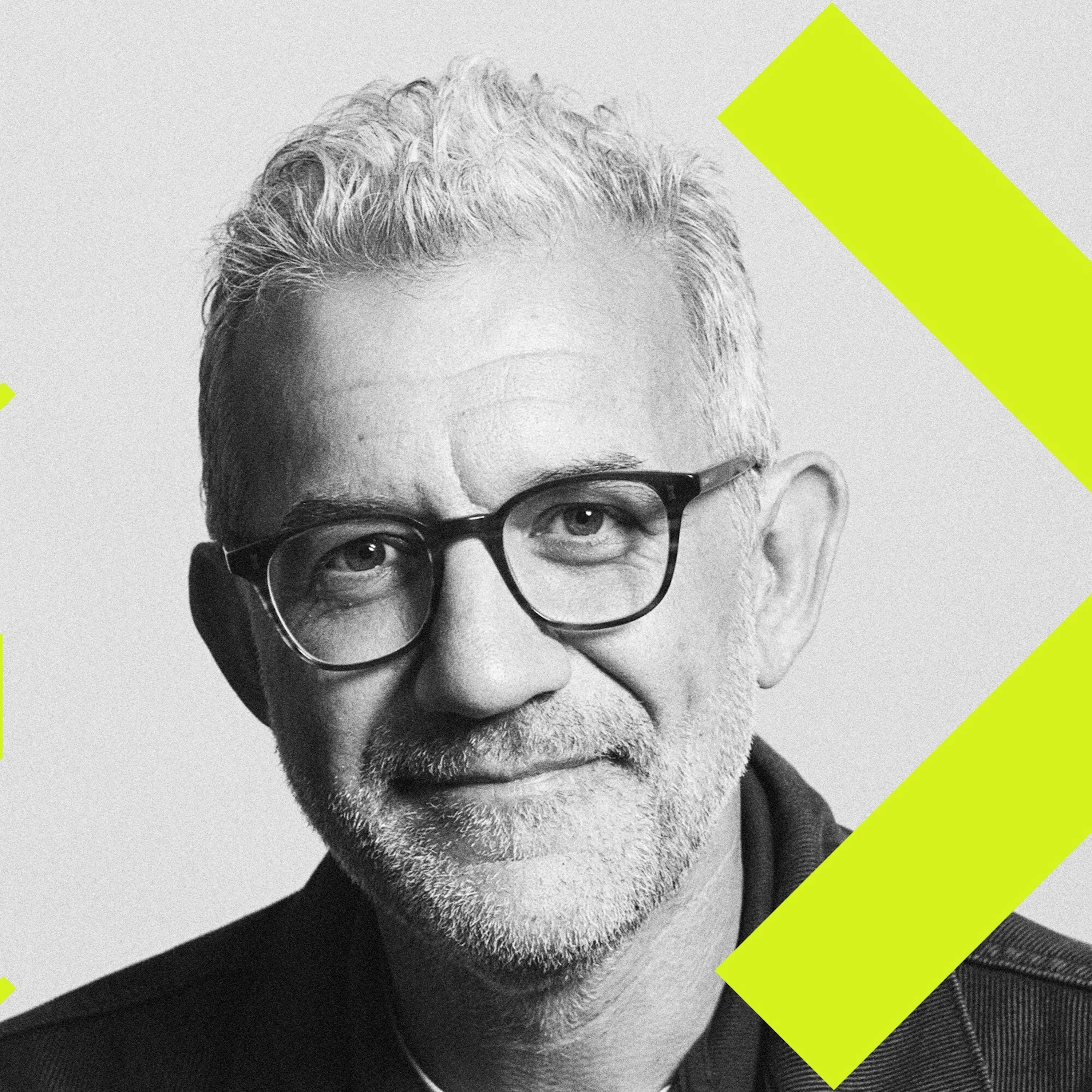
My guest today is Sonos CEO Tom Conrad. Tom was on the board at Sonos during the disastrous 2024 app redesign that threatened to crash the entire brand, and he took over as interim CEO to right the ship during that period. About a year ago, he took the permanent role. I have been dying to have Tom on the show to talk about how the board decided to move on from previous CEO Patrick Spence, how he diagnosed the issues inside the company, and what decisions he made to fix them. Plus. Tom was willing to get into the weeds and nerd out with me, and I think this one is pretty fun because of it. Links: After two years of turmoil, Sonos attempts a triumphant return | The Verge How Sonos’ Tom Conrad Is reshaping the brand after app disaster | Bloomberg An in-depth interview with Sonos interim CEO Tom Conrad | The Verge (2025) Sonos’ smart assistant is expanding from music to home control | The Verge Inside Sonos’ decision to sue Google — and how it won | Decoder (2022) Subscribe to The Verge to access the ad-free version of Decoder! Credits: Decoder is a production of The Verge and part of the Vox Media Podcast Network. Decoder is produced by Greg Ott, Kate Cox, and Nick Statt. This episode was edited by Ursa Wright. Our editorial director is Kevin McShane. The Decoder music is by Breakmaster Cylinder. Learn more about your ad choices. Visit podcastchoices.com/adchoices

New York governor Kathy Hochul thinks AI should be “less evil"
It’s an election year, with a shocking amount of tech policy at stake, and Gov.Hochul has taken strong positions on almost every major tech issue there is. You'll hear us talk about the settlement Meta reached with dozens of states, including New York, and about widespread age verification. We also discussed 3D printing ghost guns; surveillance and Flock cameras; the politics of building — or not building — AI data centers; and, of course, Mayor Zohran Mamdani. Links: New Yorkers will need to verify their age for algorithmic feeds | The Verge The cat-and-mouse game over 3D-printed guns has begun | The Verge Hochul says she’s using AI to analyze ‘every single rule’ in New York | The Verge NY becomes the first state to enact a data center moratorium | The Verge Subscribe to The Verge to access the ad-free version of Decoder! Credits: Decoder is a production of The Verge and part of the Vox Media Podcast Network. Decoder’s producers are Greg Ott, Kate Cox, and Nick Statt. This episode was edited by Ursa Wright. Our editorial director is Kevin McShane. The Decoder music is by Breakmaster Cylinder. Learn more about your ad choices. Visit podcastchoices.com/adchoices

OpenAI's executive exodus has one big winner
Today, I’m talking with Hayden Field, The Verge’s senior AI reporter, about some pure Decoder bait: the seemingly-endless org chart changes at OpenAI, and how all of them seem to consolidate power under cofounder Greg Brockman, the company’s president. While Sam Altman is the CEO and still OpenAI’s most public face, Brockman has amassed enormous power and influence within the top ranks of the company as other senior leaders have left in rapid succession. So I wanted Hayden to break down for me what’s going on at OpenAI, and the increasingly important role Greg Brockman will play in its future. Links: It’s Greg Brockman’s OpenAI now | The Verge OpenAI’s Brockman brushes off concerns about leadership changes | CNBC Sam Altman on building OpenAI & betting on the impossible | David Senra OpenAI’s Q2 sales show tepid growth compared to Anthropic | WSJ Anthropic's revenue run rate reportedly surpasses $65 billion pre-IPO | Axios OpenAI President On Reinventing Computers | Johanna Stern / YouTube Greg Brockman takes control of OpenAI’s products in latest shake-up | Wired OpenAI’s president is a Trump mega-donor | The Verge Subscribe to The Verge to access the ad-free version of Credits: Decoder is a production of The Verge and part of the Vox Media Podcast Network. Decoder is produced by Greg Ott, Kate Cox, and Nick Statt. This episode was edited by Ursa Wright. Our editorial director is Kevin McShane. The Decoder music is by Breakmaster Cylinder. Learn more about your ad choices. Visit podcastchoices.com/adchoices
How GoFundMe became America's backup plan
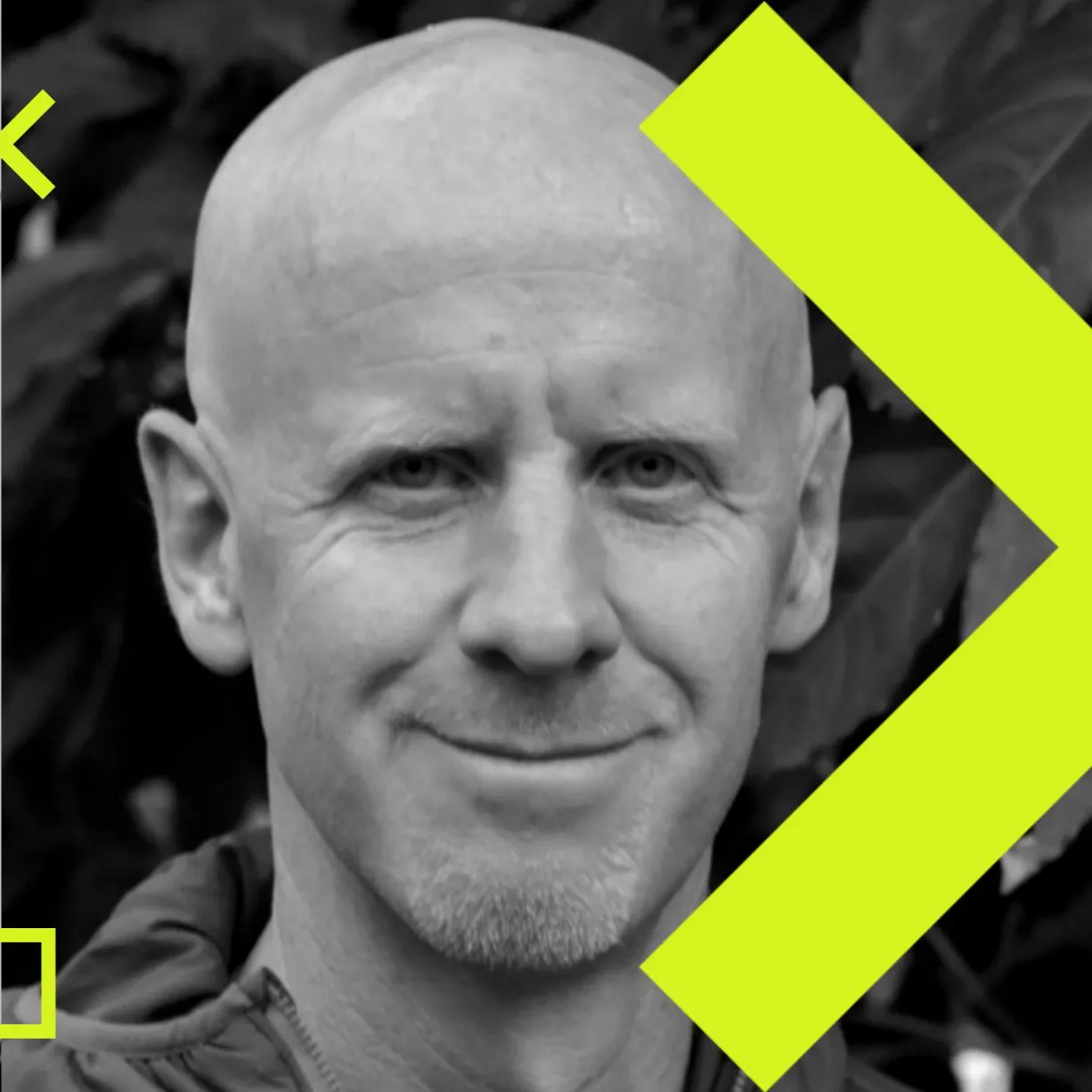
Tim Cadogan is CEO of GoFundMe, the for-profit platform where you can donate to help people with everything from medical expenses to little league uniforms to starting a new business. Tim took over as CEO in March 2020 — a chaotic moment when GoFundMe became a load-bearing part of American culture. So you can imagine I had a lot of questions for Tim, how he thinks about all this, and how he makes some very tough decisions on what money to make and what money not to make. Links: The GoFundMe CEO wants you to ask: ‘How can I help?’ | New York TImes GoFundMe CEO: We weren't meant to replace COVID relief | USA Today GoFundMe Is a healthcare utility now | The Atlantic As Gaza is bombarded, GoFundMe donations are stuck in limbo | The Verge For the uninsured, crowdfunding provides little help in paying for healthcare | University of Washington Oregon nonprofits claim GoFundMe impersonated them | Central Oregon Daily News The causes and consequences of medical crowdfunding | ScienceDirect Subscribe to The Verge to access the ad-free version of Decoder! Credits: Decoder is a production of The Verge and part of the Vox Media Podcast Network. Decoder’s producers are Greg Ott, Kate Cox, and Nick Statt. This episode was edited by Eileen Felix. Our editorial director is Kevin McShane. The Decoder music is by Breakmaster Cylinder. Learn more about your ad choices. Visit podcastchoices.com/adchoices

Welcome to the AI crisis in math
My guest today is Robert Hart, The Verge’s London-based AI reporter. Robert recently wrote a fantastic story for us about the debate raging inside the world of mathematics — and the existential crisis over what it means that new frontier AI models have become very good at math in a shockingly short period of time. I wanted to dive into all of this with Robert, who actually spoke to some of the most accomplished mathematicians working today to figure out what’s hype and what’s real — and to get a sense of just how exciting, and how scary, all of this is. Links: The AI takeover of mathematics has begun | The Verge Ten advances in mathematics and theoretical computer science | OpenAI An unreleased Anthropic model made progress on the Riemann hypothesis| TechCrunch OpenAI’s amazing — but vastly oversold — new model Astra | Gary Marcus OpenAI’s math breakthrough played to AI’s strengths | Understanding AI Why the legendary Erdős problems are falling to AI | Quanta Subscribe to The Verge to access the ad-free version of Decoder! Credits: Decoder is a production of The Verge and part of the Vox Media Podcast Network. Decoder is produced by Kate Cox and Nick Statt. This episode was edited by Ursa Wright. Our supervising producer is Greg Ott, and our editorial director is Kevin McShane. The Decoder music is by Breakmaster Cylinder. Learn more about your ad choices. Visit podcastchoices.com/adchoices
It's about ethics in journalism, with Ben Smith
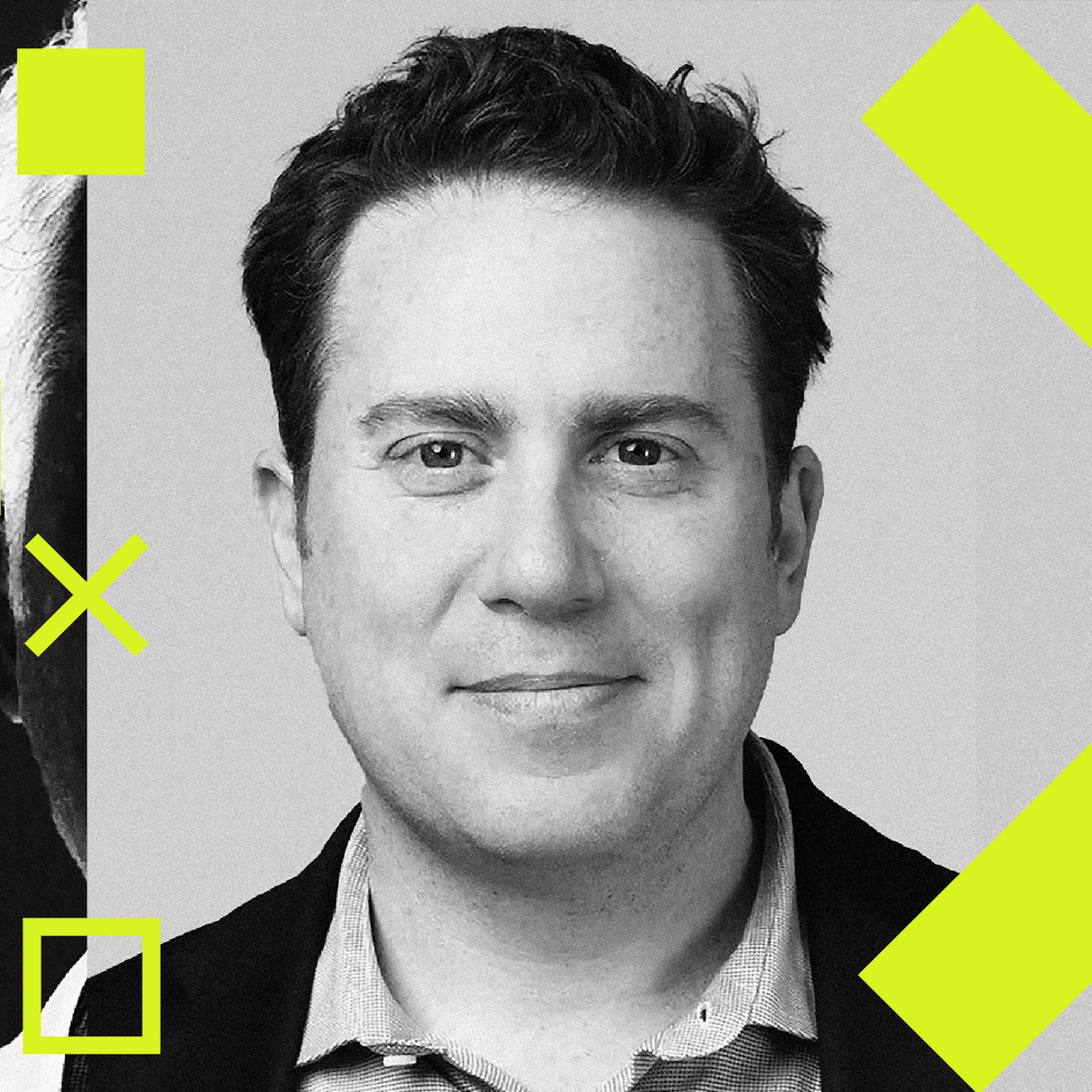
Today I’m talking to Ben Smith, the editor-in-chief of Semafor. Ben ran BuzzFeed News at the height of the Facebook traffic boom, and even wrote a book about it, called Traffic, which he discussed with me on Decoder back in 2023. Semafor, which is only four years old, is now a fast-growing and profitable media company, which makes about half of its revenue from events. So I wanted to talk to Ben about how that all works, and what it feels like to navigate the ethical conflicts that seem to be everywhere in media right now. Links: Jonah Peretti explains why he sold BuzzFeed | Decoder What’s after the social media era in news? | Decoder (2023) Semafor raises $30 Million after first profitable year | The Wrap Semafor’s new AI tool helped boil down its flagship conference | Nieman Lab Semafor launches Silicon Valley & The World | Semafor Semafor takes aim at Davos as events surpass half Its revenue | Adweek Semafor Is Betting Big on 'Anti-Scale' Video | Adweek Semafor wants to be ‘business outlet of record in the Gulf” | Press Gazette Subscribe to The Verge to access the ad-free version of Decoder! Credits: Decoder is a production of The Verge and is part of the Vox Media Podcast Network. Decoder’s producers are Kate Cox and Nick Statt. This episode was edited by Xander Adams. Our Supervising Producer is Greg Ott and our Editorial Director is Kevin McShane. The Decoder music is by Breakmaster Cylinder. Learn more about your ad choices. Visit podcastchoices.com/adchoices
Does Google even want to win in AI?
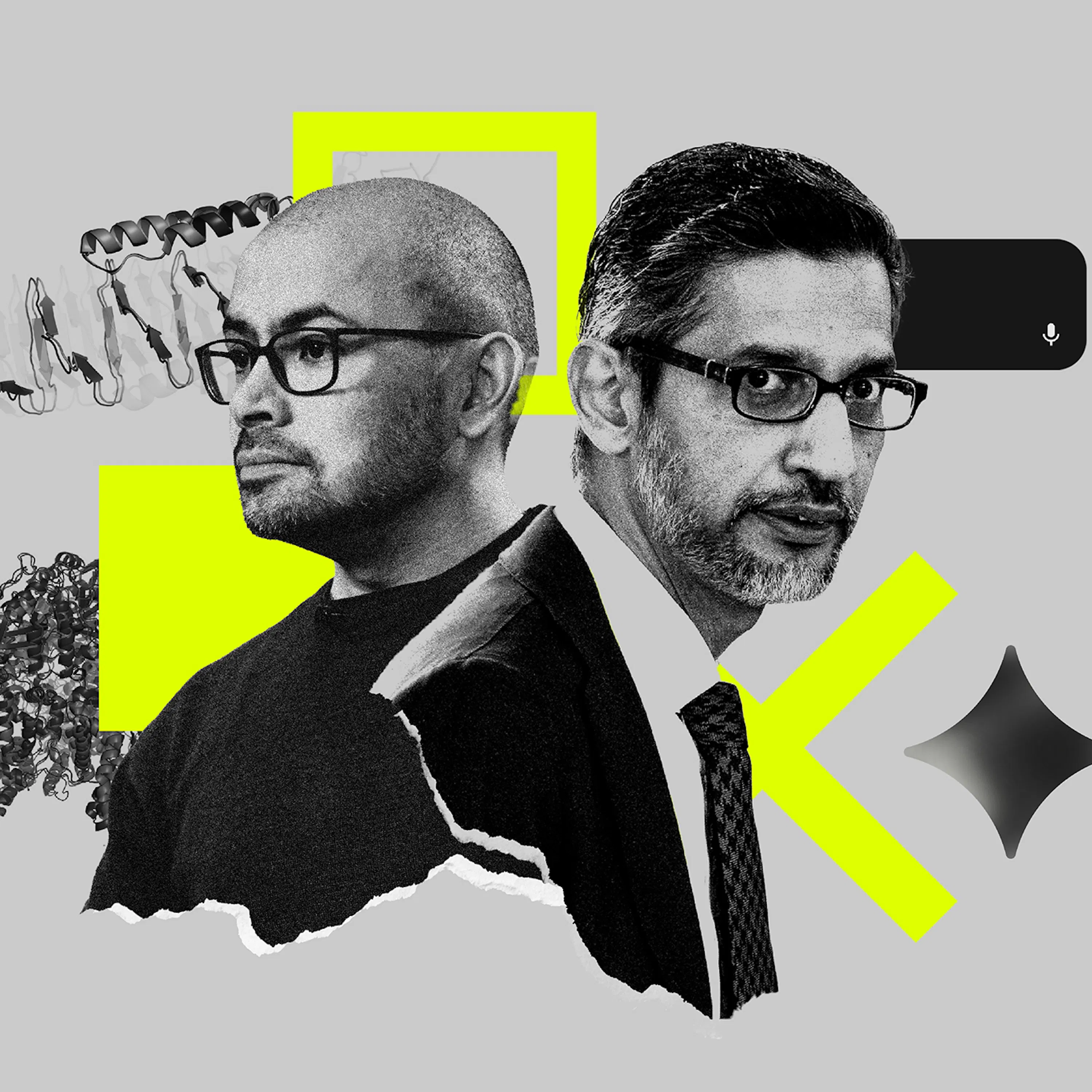
My guest today is The Verge’s Hayden Field, and we’re discussing a question that’s been rocketing around the tech industry for the past week: Is Google losing the AI race? That's because last week, the company announced a bombshell reorganization of its AI division. You can read these moves, and Google’s reaction, in a lot of different ways. So I really wanted to sit down with Hayden to dig into some of the smartest analysis we’ve seen this past week, and what we think is really going on here. Links: The messy politics behind Google’s big AI shakeup | The Verge Gemini is cooked but GCP is cooking | SemiAnalysis Google announced a major shakeup of its top AI leadership | The Verge AI lab musical chairs hits Google the hardest | Axios Demis Hassabis said this might be the ‘foothills of the singularity.’ What? | The Verge Google’s AI architect lived rent-free in Elon Musk’s head | The Verge Sundar Pichai on AI, search, and the future of the web | The Verge Subscribe to The Verge to access the ad-free version of Decoder! Credits: Decoder is a production of The Verge and part of the Vox Media Podcast Network. Decoder is produced by Kate Cox and Nick Statt. This episode was edited by Ursa Wright. Our supervising producer is Greg Ott, and our editorial director is Kevin McShane. The Decoder music is by Breakmaster Cylinder. Learn more about your ad choices. Visit podcastchoices.com/adchoices

Bose CEO Lila Snyder on the fight for high-quality audio
My guest today is Lila Snyder, the CEO of Bose. Lila was last on the show about four years ago, and since then she’s dramatically rearchitected the company — she sold off Bose Professional, acquired the high end audio brands McIntosh Labs and Sonus faber, and, perhaps most importantly, started licensing all that core Bose technology to other companies. That big change in the business comes with a big change in structure. Becoming a software company in addition to a product company comes with a whole new set of challenges, and Lila and I got into how it’s all working. Links: How Bose competes with AirPods, with CEO Lila Snyder | Decoder (2022) Bose thinks it can be a media company for some reason | The Verge Bose acquires premium audio brand McIntosh | The Verge Bose reinvented itself just in time. Now comes the tricky part | Wired Bose sells off its premium division after 50 years | Bose Subscribe to The Verge to access the ad-free version of Decoder! Credits: Decoder is a production of The Verge and part of the Vox Media Podcast Network. Decoder is produced by Kate Cox and Nick Statt. This episode was edited by Kabir Chopra. Our supervising producer is Greg Ott, and our editorial director is Kevin McShane. The Decoder music is by Breakmaster Cylinder. Learn more about your ad choices. Visit podcastchoices.com/adchoices

The left and right agree on one thing: no data centers
Our guest today is Gaby Del Valle, a policy reporter here at The Verge, and we’re discussing the growing backlash against AI data centers. Gaby recently reported a fantastic piece about Hernando County, Florida, where last month the county commission unanimously approved a year-long moratorium on data center construction. So I wanted Gaby to talk me through what these protests look like on the ground, from voters whose party affiliations have typically aligned them with big business. Links: Right-wingers protesting data centers have a lot in common with the left | The Verge No data centers in my backyard | Jasmine Sun Who’s afraid of the big, bad GPU? | The Verge NY becomes the first state to enact a data center moratorium | The Verge The fight against AI data centers is just beginning | The Verge Florida gives millions in tax breaks to data centers under DeSantis-backed law | Tampa Bay Times Subscribe to The Verge to access the ad-free version of Decoder! Credits: Decoder is a production of The Verge and part of the Vox Media Podcast Network. Decoder is produced by Kate Cox and Nick Statt and edited by Ursa Wright. Our supervising producer is Greg Ott, and our editorial director is Kevin McShane. The Decoder music is by Breakmaster Cylinder. Learn more about your ad choices. Visit podcastchoices.com/adchoices
Bluesky’s new CEO wants a big tent, not a bubble
Today, I’m talking with Toni Schneider, the new head of social platform Bluesky who formally took over after a short stint as interim CEO. This is one of my favorite kinds of interviews, because a couple years ago we had Bluesky’s prior CEO, Jay Graber, on the show — she’s now the company’s chief innovation officer. All of that kind of shuffle is pure Decoder bait: a new CEO often brings with them new priorities, which is perhaps the most Decoder subject of all. Links: Bluesky CEO Jay Graber | Decoder (2024) Bluesky CEO Jay Graber steps down | TechCrunch Staying in the game | Toni Schneider The messy WordPress drama, explained | The Verge Proton CTO Bart Butler | Decoder Subscribe to The Verge to access the ad-free version of Decoder! Credits: Decoder is a production of The Verge and part of the Vox Media Podcast Network. Decoder’s producers are Kate Cox and Nick Statt. This episode was edited by Eileen Felix. Our editorial director is Kevin McShane. The Decoder music is by Breakmaster Cylinder. Learn more about your ad choices. Visit podcastchoices.com/adchoices
The end of the human internet
Hey everyone, this is Nick Statt, senior producer on Decoder. We’re taking a brief publishing break while Nilay is out on vacation. We’ll resume regular programming next week, and we’ve got some great episodes in the works. In the meantime, we wanted to share an episode from the excellent podcast The Gray Area, with host Sean Illing. In this one, Sean sat down with The Atlantic journalist Charlie Warzel to talk specifically about the state of the internet in 2026 — and what it means that it feels increasingly overrun by non-human actors. Links: The Gray Area with Sean Illing | Apple Podcasts Galaxy Brain | The Atlantic The internet is all bots now | The Gray Area (YouTube) How much of the internet is fake? Turns out, a lot of it, actually| New York Magazine How bots took over our lives | The New Yorker The ‘dead internet theory’ is real — and it’s killing the web | Fast Company The fanfare around the band Geese actually was a psyop | Wired Credits: Decoder is a production of The Verge and part of the Vox Media Podcast Network. Decoder is produced by Kate Cox and Nick Statt and edited by Ursa Wright. Our editorial director is Kevin McShane. The Decoder music is by Breakmaster Cylinder. Learn more about your ad choices. Visit podcastchoices.com/adchoices

Tariffs didn’t bring manufacturing jobs back to the US
Evan Smith, cofounder and CEO of Altana, was last on the show in early 2025 to talk about how Trump’s first few waves of tariffs were starting to affect global trade. It was a very alarming and also very illuminating chat; Evan and I got into the existential weeds of international relations and economics almost immediately. A year and a half later, and everything is somehow even more chaotic than it was the last time Evan and I talked — and that’s true about both trade and also the world of running a software company. Agentic AI, whack-a-mole tariff policy, war in Iran — we jumped right back into weeds yet again. Links: How Trump’s tariff chaos is already changing global trade | Decoder Skydio CEO Adam Bry on not drawing red lines for drone use | Decoder Trump imposes new global tariffs, drawing protests from trading partners | Reuters Greer: USMCA Talks Could Stretch Into Next Year | Wall Street Journal Trump hits Canada with new 50% tariffs | Associated Press Iran weaponized the Strait of Hormuz. Now neighbors are going around it | CNN The Iran war is testing Southeast Asia’s faith in the US | Politico Subscribe to The Verge to access the ad-free version of Decoder! Credits: Decoder is a production of The Verge and part of the Vox Media Podcast Network. Decoder’s producers are Kate Cox and Nick Statt. This episode was edited by Kabir Chopra. Our editorial director is Kevin McShane. The Decoder music is by Breakmaster Cylinder. Learn more about your ad choices. Visit podcastchoices.com/adchoices

What Apple’s OpenAI lawsuit is really about
Today, I’m talking with Hayden Field, The Verge’s senior AI reporter, about the major trade secrets lawsuit between Apple and OpenAI, and what this tells us about OpenAI’s future. Hayden has been covering OpenAI for years now, and she also just talked to a bunch of lawyers who specialize in intellectual property and trade secret law to get a sense of how serious this case is. The answer is not entirely positive for OpenAI. This legal battle could also affect OpenAI’s hardware plans, its forthcoming IPO, and its already-damaged reputation. Links: Sam Altman didn’t need another lawsuit | The Verge OpenAI’s first device will be moveable, screenless speaker | Bloomberg Apple sues OpenAI for allegedly stealing hardware secrets | The Verge The 6 wildest claims in Apple’s lawsuit against OpenAI | The Verge OpenAI is buying Jony Ive’s AI hardware company | The Verge Subscribe to The Verge to access the ad-free version of Decoder! Credits: Decoder is a production of The Verge and part of the Vox Media Podcast Network. Decoder is produced by Kate Cox and Nick Statt and edited by Ursa Wright. Our editorial director is Kevin McShane. The Decoder music is by Breakmaster Cylinder. Learn more about your ad choices. Visit podcastchoices.com/adchoices