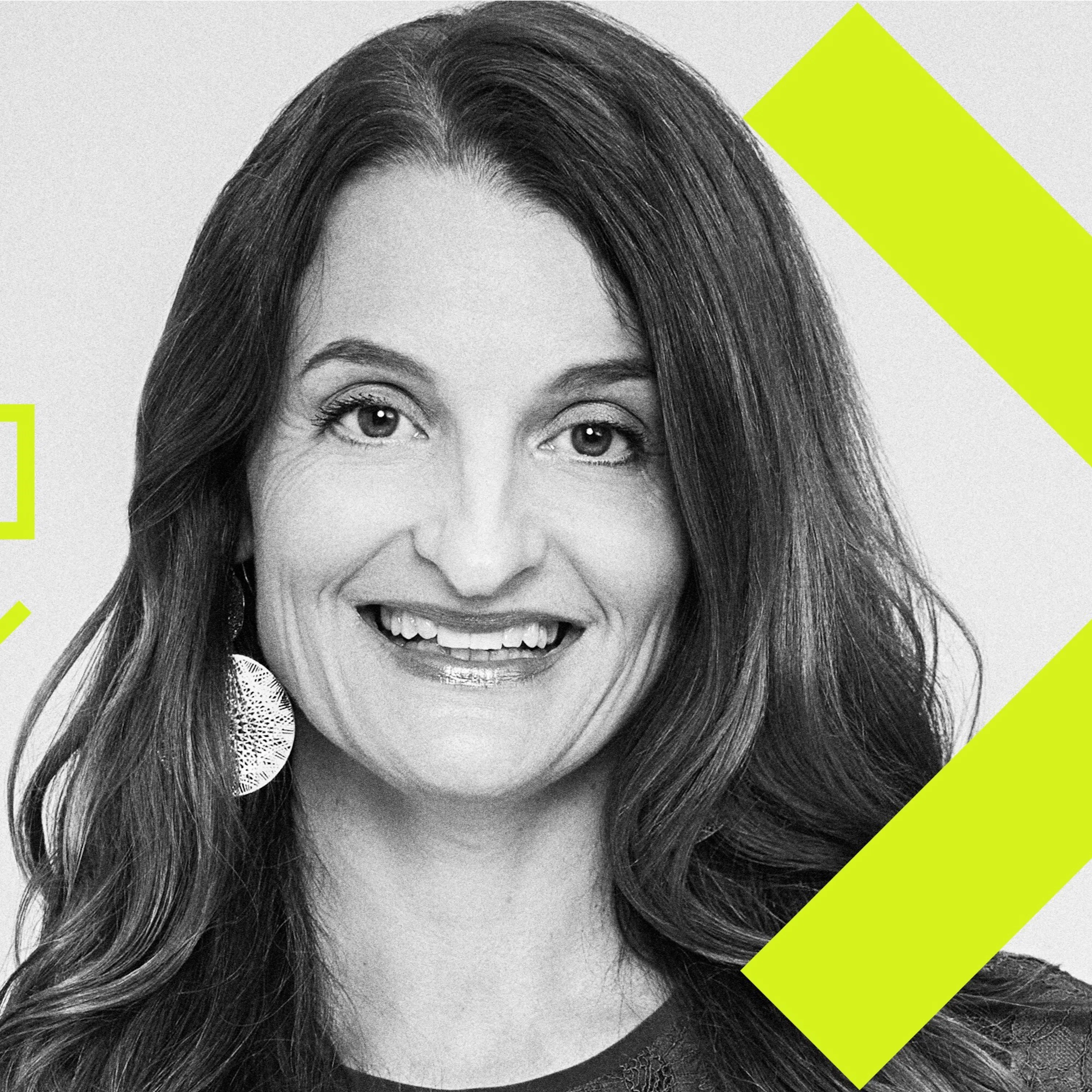
Overview of The CMO is a dying role, says Digitas' Amy Lanzi
In this live Decoder conversation at Cannes, Verge editor-in-chief Nilay Patel speaks with Amy Lanzi, CEO of Digitas North America, about how AI, data, creators, and platform power are reshaping advertising and marketing. Lanzi argues that the traditional CMO role is fading in favor of a more operational, data-driven growth leader—closer to a chief growth officer—focused on business outcomes, not just campaigns. The discussion also covers the rise of creator-led businesses, the limits of AI-generated advertising, the changing role of websites and search in the age of LLMs, and why brands increasingly need integrated “marketing systems” rather than isolated tactics.
Key takeaways
-
The classic CMO role is disappearing
- Lanzi says the old model of a CMO focused on big campaigns and brand awareness is no longer enough.
- The future belongs to leaders responsible for growth, data, systems, and measurable commercial results.
- She frames this as a shift from “CMO” to something more like CGO (chief growth officer).
-
AI is useful, but the hype is overblown
- Publicis and Digitas see AI as a tool for workflow improvement, speed, and intelligence, not magical automation.
- Lanzi compares today’s AI hype to the earlier promises of programmatic advertising: lots of automation promises, but human judgment still matters.
- AI can help teams produce more rounds, faster workflows, and better operational output, but it does not replace strategic thinking.
-
Brands need integrated systems, not disconnected tools
- Digitas reorganized around roles like:
- Chief Intelligence Officer for data/AI infrastructure
- Chief Systems Officer for marketing systems and operational design
- Chief Transformation Officer for helping clients shift their organizations
- The point is to connect media, creative, CRM, commerce, and analytics into one growth engine.
- Digitas reorganized around roles like:
-
Creators are becoming a major marketing channel
- The creator economy is increasingly professionalized: many creators now see themselves as marketers and media businesses.
- Large creator-led businesses eventually need agency support for scale, operations, media investment, and product growth.
- Lanzi sees opportunities in helping creators turn into sustainable enterprises.
-
Websites are not dead, but they are changing
- Brands are revisiting their websites because the web is shifting from a “brochure” model to a knowledge and machine-readable model.
- She argues brands still need owned assets for legitimacy and direct customer relationships.
- Websites now need to serve both humans and machines—especially LLMs and AI-powered search.
AI, data, and the future of marketing
“Creative is the new targeting” — but not completely
- Lanzi pushes back on the platform idea that creative should simply be used as a targeting mechanism.
- Her view:
- Brands still need story, emotion, and authenticity
- AI should help with personalization, testing, and efficiency
- More content is not always better; relevance matters more than volume
What AI is actually good for
- Automating repetitive work
- Speeding up production and iteration
- Helping teams create stronger briefs and smarter workflows
- Personalizing everyday marketing outputs, such as product detail pages and retail content
Why data matters more than ever
- Marketing success is increasingly tied to:
- identity and audience understanding
- cross-platform data collaboration
- measurement of actual business results
- Digitas and Publicis are investing in data infrastructure and partnerships to compete with large platforms.
Creator economy and brand-building
Creators vs. influencers vs. celebrities
- Lanzi distinguishes between:
- Creators: content-first, community-driven
- Influencers: often more transactional
- Celebrities: broader fame and higher pricing power
- As creators become more famous, their rates rise and the market becomes more polarized.
The “barbell” creator economy
- Lanzi suggests the creator economy may split into:
- a high end of massive creators/celebrity creators
- a low end of UGC-style, lower-cost content
- The middle may shrink, though she also notes demand for mid-tier creators remains strong.
When creators launch products
- She warns that creators can hit an “influencer cliff” if they move too aggressively from sponsored content into selling their own products.
- The most successful creator products tend to be:
- authentic to the creator’s identity
- unique in the market
- not just a “me too” extension of their persona
Web, search, and GEO
SEO is evolving into GEO
- Digitas’ SEO work has expanded significantly because LLMs and AI search are changing discovery.
- Lanzi describes the new discipline as more about being “known for” something than merely being found.
- She sees this as part of a broader shift toward GEO / generative engine optimization.
Publishers are adapting
- Publisher traffic from Google is declining, so publishers are looking for:
- custom content
- stronger direct audiences
- less dependency on search traffic
- Lanzi says strong editorial voices will still attract loyal audiences, even as search weakens.
LLM visibility can be measured
- Digitas uses audit frameworks to track share of voice within LLMs, though the metrics are more fluid than traditional search rankings.
- Long-form content, including YouTube and podcasts, matters because it increasingly feeds AI systems.
Retail media, Amazon, and platform power
- Lanzi says the biggest tension for brands is often retail partner vs. media partner.
- Retailers like Amazon are not just selling products; they are also becoming media ecosystems.
- AI tools and “magical” platform features often push brands toward more media spend on those same platforms.
- Brands still need their own assets and customer relationships to avoid being commoditized by large platforms.
Notable insights
- “The role is a dying role.”
- Lanzi’s most striking statement: the old-school CMO focused only on campaigns is obsolete.
- “We are not in a world where we need more content.”
- She argues the industry’s problem is not quantity, but relevance and usefulness.
- “People are complicated.”
- Her reminder that consumer behavior can’t be reduced to pure automation or one-platform thinking.
- “We build for a machine and humans.”
- A concise summary of the new web/marketing reality.
Bottom line
Amy Lanzi’s core message is that marketing is becoming a systems and growth discipline, not a branding-only function. AI will matter, but mostly as infrastructure that helps humans work faster and smarter. The brands, agencies, and creators that win will be the ones that combine data, distribution, authenticity, and operational scale—without falling for the industry’s latest hype cycle.