Planet Money

by NPR
Wanna see a trick? Give us any topic and we can tie it back to the economy. At Planet Money, we explore the forces that shape our lives and bring you along for the ride. Don't just understand the economy – understand the world. Support public media by joining NPR+ at plus.npr.org. You’ll get perks for over 25 NPR podcasts, including bonus episodes and sponsor-free listening for Planet Money.
Episodes
How bodegas led to the Yemeni coffeehouse explosion
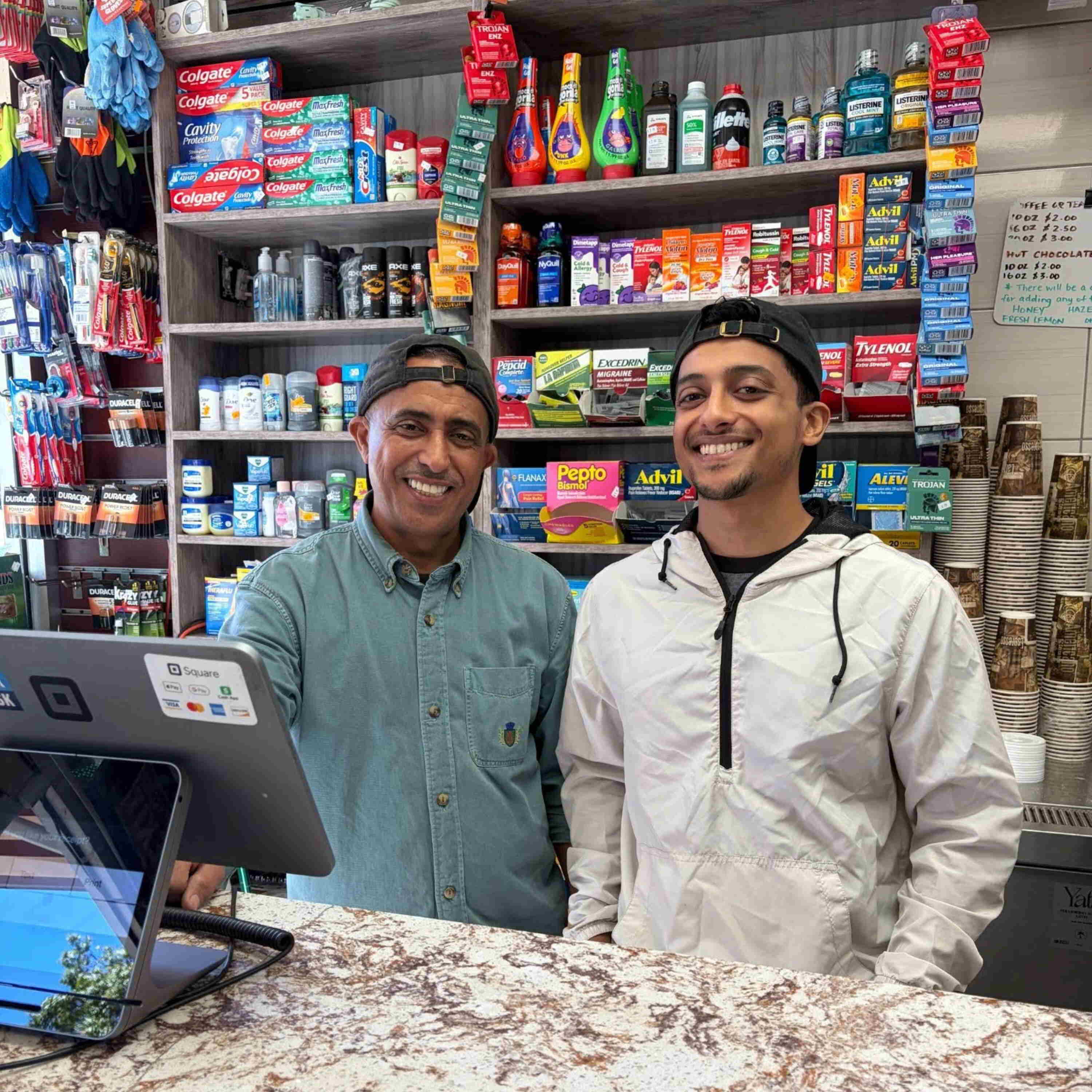
There is a long-standing tradition of different immigrant groups arriving in the U.S. and specializing in one particular type of business. Think, nail salons run by people from Vietnam or Gujarati Indians owning motels and hotels.<br/><br/>Yemenis are another immigrant community that has largely clustered around one industry, in their case, bodegas and small grocery stores. There are thousands of these shops all over the country, despite Yemeni-Americans only making up around one-fortieth of one percent of the U.S. population, according to the last census. <br/><br/>In the past 9 years, a new business success story has been built on top of that foundation: Yemeni coffee houses.<br/><br/>Today on the show, why some immigrant groups concentrate in a single industry, while others spread out to work in all sorts of jobs. And what it’s like for the next generation to try to expand on their parents’ success.<br/><br/><strong><em>Read:</em></strong><em> </em><br><em>- Our book: </em><a href="https://lnk.to/i3AukBdD"target="_blank" ><em>Planet Money: A Guide to the Economic Forces That Shape Your Life</em></a><em> </em><br><em>- Our weekly longform </em><a href="https://n.pr/3zrFvUB"target="_blank" ><em>Planet Money newsletter</em></a><br><em>- Our weekly </em><a href="https://www.npr.org/newsletter/indicator"target="_blank" ><em>Indicator round-up newsletter</em></a><br/><br/><strong><em>Follow:</em></strong><em> </em><br><em>- </em><a href="https://n.pr/3FqLuws"target="_blank" ><em>Instagram</em></a><br><em>- </em><a href="https://n.pr/3sGZdrq"target="_blank" ><em>TikTok</em></a><br><em>- </em><a href="https://lnk.to/iCVDaW3C"target="_blank" ><em>YouTube</em></a><br><em>- </em><a href="https://n.pr/3h92GwS"target="_blank" ><em>Facebook</em></a><br/><br/><em>Support public media with NPR+ and enjoy perks for over 25 podcasts like this one. This show’s perks include bonus episodes and sponsor-free listening. Learn more at</em><a href="http://plus.npr.org/"target="_blank" ><em> plus.npr.org</em></a><em>.</em><br/><br/><em>Today’s episode of Planet Money was hosted by Amanda Aronczyk and Jeff Guo. It was produced by James Sneed, edited by Keith Romer, and fact-checked by Dania Suleman. Engineering by Cena Loffredo and Travis Hagen. Alex Goldmark is Planet Money’s executive producer.</em><br/><br/>See <a href="https://pcm.adswizz.com">pcm.adswizz.com</a> for information about our collection and use of personal data for sponsorship and to manage your podcast sponsorship preferences.<br/><br/><a href="https://www.npr.org/about-npr/179878450/privacy-policy">NPR Privacy Policy</a>
Inside the insurance industry’s destruction lab
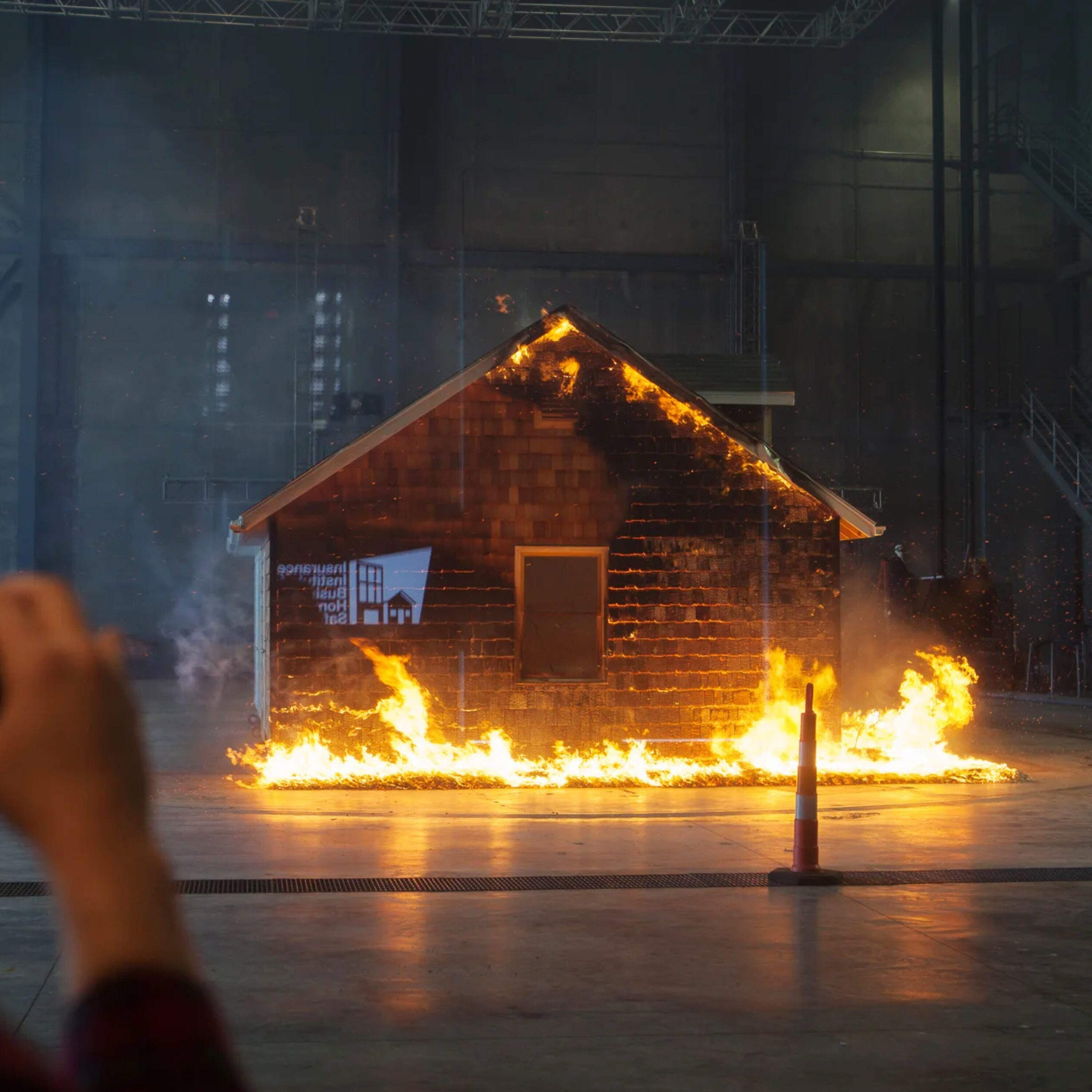
When you think of someone burning down a house for insurance purposes, you don’t imagine it would ever be the insurance company itself lighting the match. But that’s essentially what’s happening inside a giant destruction laboratory, funded by the insurance industry, in the woods of South Carolina. Scientists and engineers there build household structures — from decks to sheds to single family homes — and subject them to literal trials by fire, hail, and hurricane force wind. It’s all in hopes of determining which building materials and techniques will make communities across the country more resilient to natural disasters and make those natural disasters less expensive for insurance companies. <br/><br/><br>Today on the show, Planet Money goes inside the destruction lab to see that high octane experimentation in action and to learn about how the insurance industry has been quietly shaping the world around us for over a century. <br/><br/><em>For more about how natural disasters are changing the insurance industry:</em><br/><br/><ul class="rte2-style-ul"><li><a href="https://vimeo.com/16094164?fl=pl&fe=cm"target="_blank" >Video of IBHS Research Center blowing down a house</a></li><li><a href="https://www.npr.org/sections/money/2017/09/29/554603161/episode-797-flood-money"target="_blank" >Episode 797: Flood Money </a></li><li><a href="https://www.npr.org/sections/money/2014/09/19/349650496/episode-570-the-fine-print"target="_blank" >Episode 570: The Fine Print </a></li></ul><em>Read: </em><br/><br/><ul class="rte2-style-ul"><li>Our book: <a href="https://lnk.to/i3AukBdD"target="_blank" >Planet Money: A Guide to the Economic Forces That Shape Your Life</a> </li><li>Our weekly longform <a href="https://n.pr/3zrFvUB"target="_blank" >Planet Money newsletter</a></li><li>Our weekly <a href="https://www.npr.org/newsletter/indicator"target="_blank" >Indicator round-up newsletter</a></li></ul><em>Follow: </em><br/><br/><ul class="rte2-style-ul"><li><a href="https://n.pr/3FqLuws"target="_blank" >Instagram</a></li><li><a href="https://n.pr/3sGZdrq"target="_blank" >TikTok</a></li><li><a href="https://lnk.to/iCVDaW3C"target="_blank" >YouTube</a></li><li><a href="https://n.pr/3h92GwS"target="_blank" >Facebook</a></li></ul><em>This episode was produced by Vito Emanuel and edited by Jess Jiang. It was fact-checked by Sierra Juarez with help from Emma Peaslee. It was engineered by Annlie Huang and Travis Hagan. Alex Goldmark is our executive producer.</em><br/><br/><em>Music: NPR Source Audio — “Lone Star Desert Surfer,” “Highride,” “Rumba De Maghreb”</em><br/><br/><em>Support public media with NPR+ and enjoy perks for over 25 podcasts like this one. This show’s perks include bonus episodes and sponsor-free listening. Learn more at </em><a href="http://plus.npr.org/"target="_blank" ><em>plus.npr.org</em></a><em>.</em><br/><br/>See <a href="https://pcm.adswizz.com">pcm.adswizz.com</a> for information about our collection and use of personal data for sponsorship and to manage your podcast sponsorship preferences.<br/><br/><a href="https://www.npr.org/about-npr/179878450/privacy-policy">NPR Privacy Policy</a>
How surveillance crept up on us
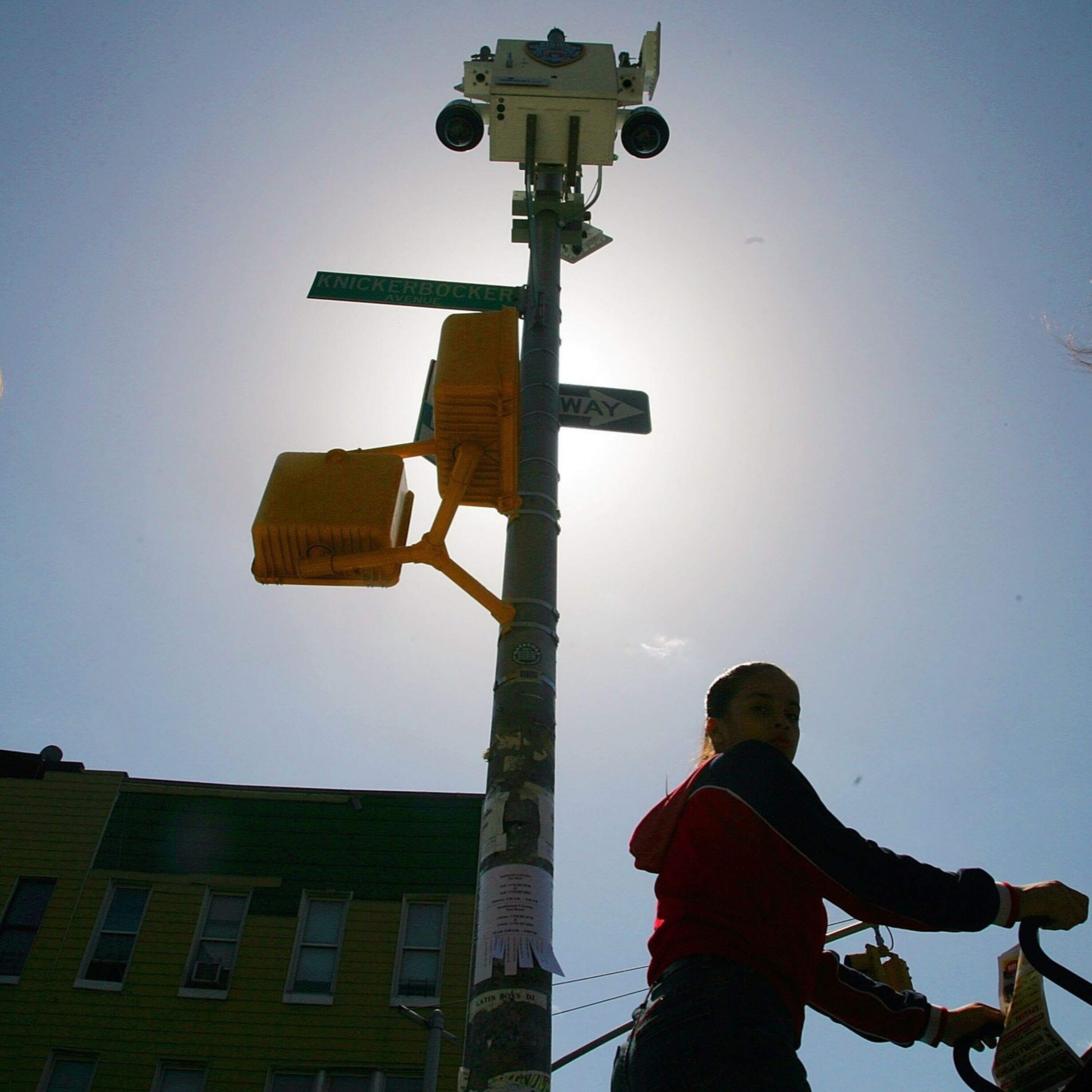
For years, police have spent billions of tax dollars on watching us, tracking us, and recording us. In the largest police department in the country, these surveillance systems were paid for and adopted without the kind of public oversight cities usually require. <br/><br/>In the wake of 9/11, the New York Police Department built one of the most sophisticated and omnipresent surveillance systems in the country. <br/><br/>And while decisions were being made about what tech to adopt and how much to pay for it, few outside the NYPD were consulted. Not the City Council nor the public. For over a decade, the only paper trail of these purchases were offline, stored in filing cabinets, inaccessible to the public. <br/><br/>Today on the show, how the country’s largest police department built its surveillance system, and the fight to get police everywhere to tell us how they’re watching us. <br/><br/><em>Read: </em><br/><br/><ul class="rte2-style-ul"><li>Our book: <a href="https://lnk.to/i3AukBdD"target="_blank" >Planet Money: A Guide to the Economic Forces That Shape Your Life</a> </li><li>Our weekly longform <a href="https://n.pr/3zrFvUB"target="_blank" >Planet Money newsletter</a></li><li>Our weekly <a href="https://www.npr.org/newsletter/indicator"target="_blank" >Indicator round-up newsletter</a></li></ul><br/><br/><em>Follow: </em><br/><br/><ul class="rte2-style-ul"><li><a href="https://n.pr/3FqLuws"target="_blank" >Instagram</a></li><li><a href="https://n.pr/3sGZdrq"target="_blank" >TikTok</a></li><li><a href="https://lnk.to/iCVDaW3C"target="_blank" >YouTube</a></li><li><a href="https://n.pr/3h92GwS"target="_blank" >Facebook</a></li></ul><br/><br/><em>Support public media with NPR+ and enjoy perks for over 25 podcasts like this one. This show’s perks include bonus episodes and sponsor-free listening. Learn more at</em><a href="http://plus.npr.org/"target="_blank" ><em> plus.npr.org</em></a><em>.</em><br/><br/><em>This episode was produced by Vito Emanuel and edited by Marianne McCune. It was fact-checked by Sierra Juarez and engineered by Cena Loffredo. Alex Goldmark is our executive producer.</em><br/><br/><em>Music: NPR Source Audio - "Funky Space Mama," "Sunday Lights," and "Blammo"</em><br/><br/>See <a href="https://pcm.adswizz.com">pcm.adswizz.com</a> for information about our collection and use of personal data for sponsorship and to manage your podcast sponsorship preferences.<br/><br/><a href="https://www.npr.org/about-npr/179878450/privacy-policy">NPR Privacy Policy</a>
We try to fix election polling (update)
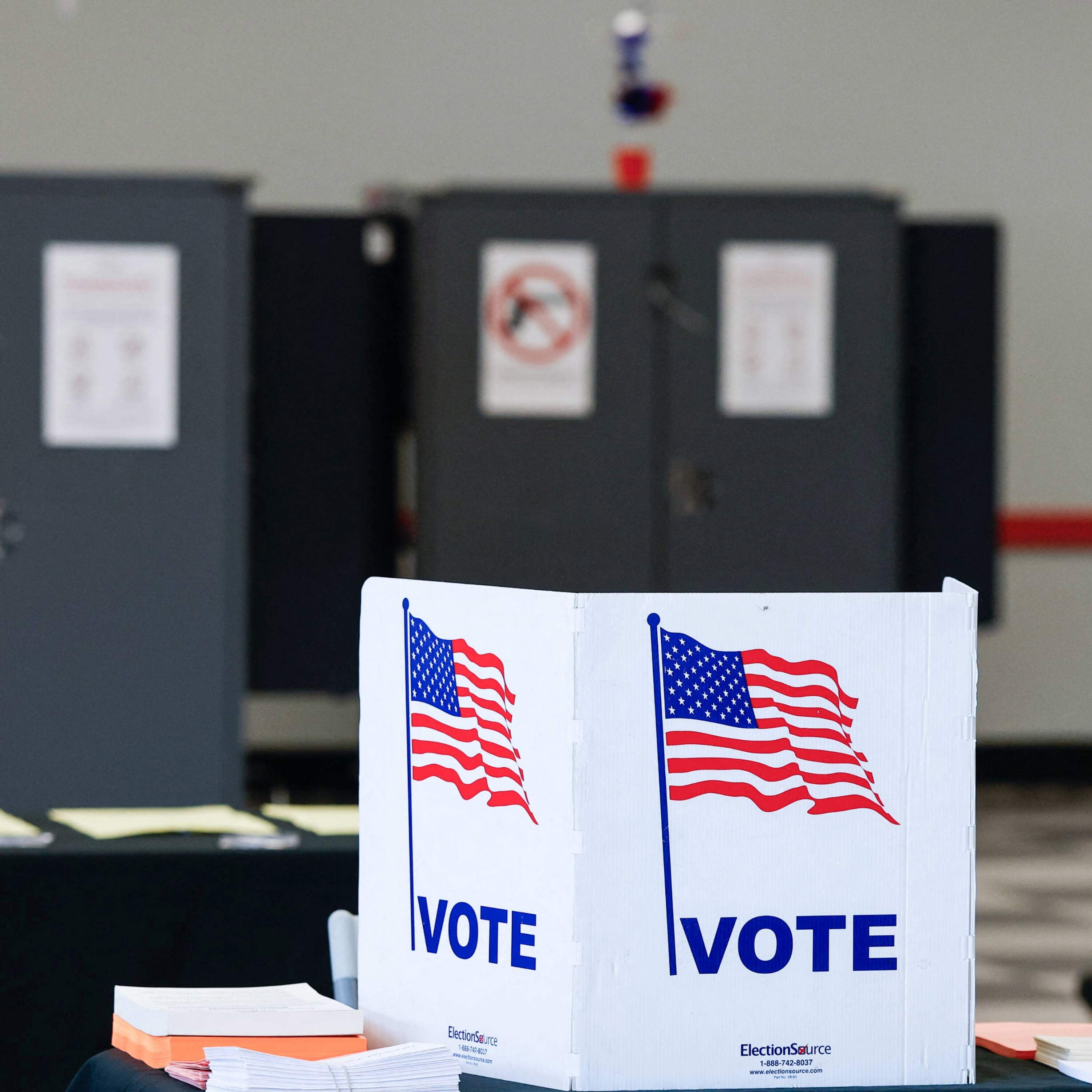
Polling is facing an existential crisis. People aren't picking up the phone. Nobody wants to talk to pollsters. Trust is on the line. We pluck a solution from the economics canon and convince a polling firm to let us test it. <br/><br/>Today on the show, we head to Marist College — home of the Marist Poll — to learn how to be pollsters ourselves. We learn the great moments in polling history, the latest science of polling, and find out all the tricks that pollsters use to get people to finish their surveys. Then we get on the phone and give it a try ourselves. And offer some of our own solutions. <br/><br/>This episode was <a href="https://www.npr.org/2022/11/04/1134434712/planet-money-tries-election-polling"target="_blank" >originally published</a> before the 2022 midterm elections. <br/><br/>We have an update on our idea to save polling, which Marist is still testing, and we find out what it might be able to tell us about the 2026 midterms. <br/><br/><em>Music: "</em><a href="https://npr.sourceaudio.com/track/22447336"target="_blank" ><em>Partyline</em></a><em>, "</em><a href="https://npr.sourceaudio.com/track/38874305"target="_blank" ><em>The Danzig Connection</em></a><em>, and "</em><a href="https://npr.sourceaudio.com/track/41204479"target="_blank" ><em>Saku</em></a><em>"</em><br/><br/><em>Read: </em><br/><br/>Our book:<a href="https://lnk.to/i3AukBdD"target="_blank" > Planet Money: A Guide to the Economic Forces That Shape Your Life</a> <br/><br/>Our weekly longform<a href="https://n.pr/3zrFvUB"target="_blank" > Planet Money newsletter</a><br/><br/>Our weekly<a href="https://www.npr.org/newsletter/indicator"target="_blank" > Indicator round-up newsletter</a><br/><br/><br><em>Follow: </em><br/><br/><a href="https://n.pr/3FqLuws"target="_blank" >Instagram</a><br/><br/><a href="https://n.pr/3sGZdrq"target="_blank" >TikTok</a><br/><br/><a href="https://lnk.to/iCVDaW3C"target="_blank" >YouTube</a><br/><br/><a href="https://n.pr/3h92GwS"target="_blank" >Facebook</a><br/><br/><em>This update was produced by Emma Peaslee with help from Sam Yellowhorse Kesler. It was mastered by Gilly Moon with help from Cena Loffredo. The original episode was edited by Jess Jiang. Alex Goldmark is </em>Planet Money’s <em>executive producer. </em><br/><br/><em>Support public media with NPR+ and enjoy perks for over 25 podcasts like this one. This show’s perks include bonus episodes and sponsor-free listening. Learn more at</em><a href="http://plus.npr.org/"target="_blank" ><em> plus.npr.org</em></a><em>.</em><br/><br/>See <a href="https://pcm.adswizz.com">pcm.adswizz.com</a> for information about our collection and use of personal data for sponsorship and to manage your podcast sponsorship preferences.<br/><br/><a href="https://www.npr.org/about-npr/179878450/privacy-policy">NPR Privacy Policy</a>
Where all those weird new drinks are coming from
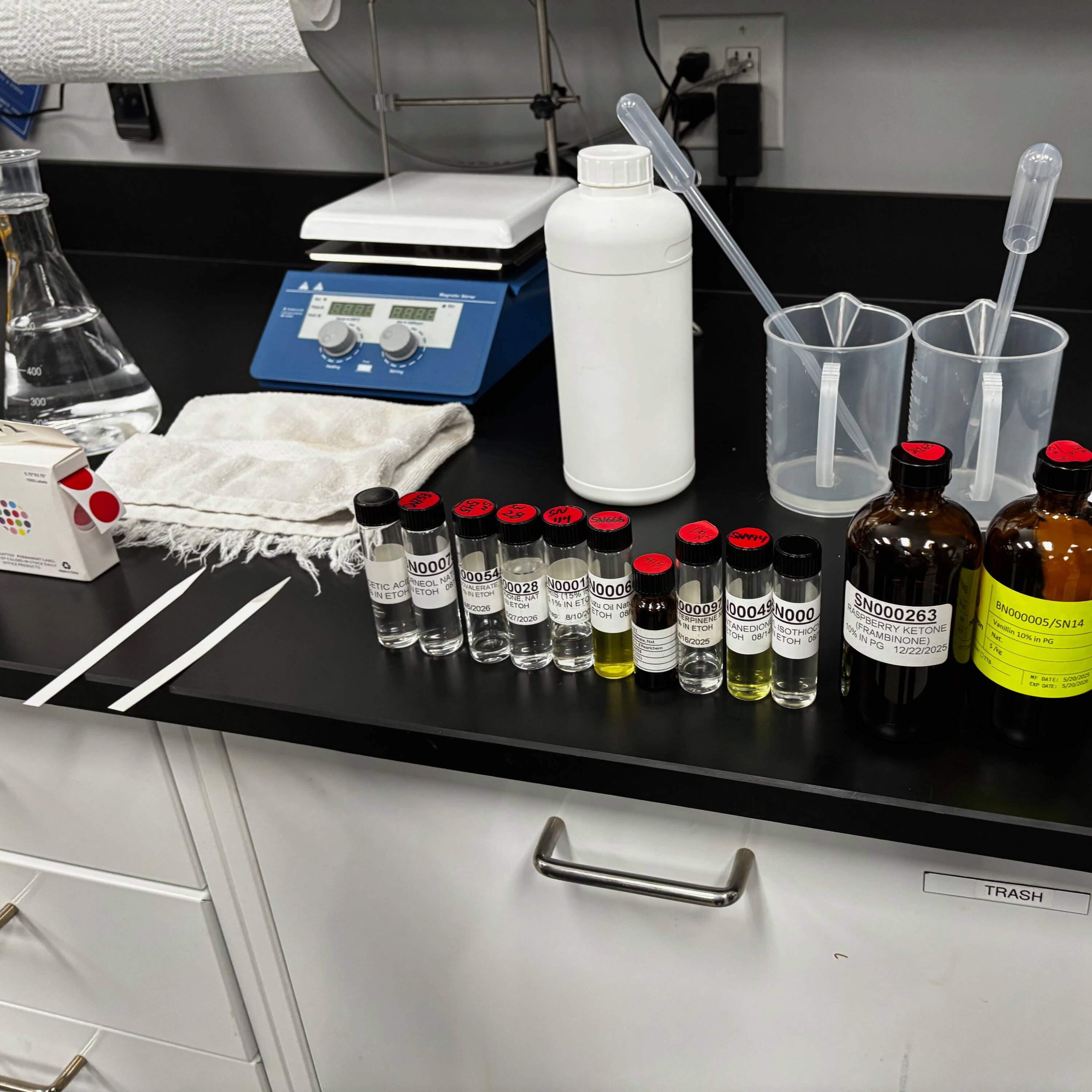
It's getting pretty wild in the beverage aisle these days — from the rainbow wall of seltzers, to the increasingly strange flavors of Pepsi, to the new "functional" sodas with added fiber or supplements that supposedly offer health benefits. Where are all these new drinks coming from? And why does it seem like the options are multiplying faster than ever?<br/><br/>Today on the show, we go behind the scenes at one of the nation’s top-secret beverage laboratories. The food scientists in this lab have quietly helped companies design many of the new drinks on the shelves these days. We taste things we have never tasted before, including a sports hydration … broth? We learn what a strawberry has in common with a block of cheese. And we discover why the business of beverages will never be the same again. <br/><br/><strong><em>Read:</em></strong><em> </em><br><em>- Our book: </em><a href="https://lnk.to/i3AukBdD"target="_blank" ><em>Planet Money: A Guide to the Economic Forces That Shape Your Life</em></a><em> </em><br><em>- Our weekly longform </em><a href="https://n.pr/3zrFvUB"target="_blank" ><em>Planet Money newsletter</em></a><br><em>- Our weekly </em><a href="https://www.npr.org/newsletter/indicator"target="_blank" ><em>Indicator round-up newsletter</em></a><br/><br/><strong><em>Follow:</em></strong><br><em>- </em><a href="https://n.pr/3FqLuws"target="_blank" ><em>Instagram</em></a><br><em>- </em><a href="https://n.pr/3sGZdrq"target="_blank" ><em>TikTok</em></a><br><em>- </em><a href="https://lnk.to/iCVDaW3C"target="_blank" ><em>YouTube</em></a><br><em>- </em><a href="https://n.pr/3h92GwS"target="_blank" ><em>Facebook</em></a><br/><br/><em>Support public media with NPR+ and enjoy perks for over 25 podcasts like this one. This show’s perks include bonus episodes and sponsor-free listening. Learn more at</em><a href="http://plus.npr.org/"target="_blank" ><em> plus.npr.org</em></a><em>.</em><br/><br/><em>This episode of Planet Money was hosted by Jeff Guo. It was produced by James Sneed and Sam Yellowhorse Kesler, and edited by Jess Jiang. Vito Emanuel is our fact-checker, and Kwesi Lee engineered the show. Alex Goldmark is the executive producer of Planet Money.</em><br/><br/>See <a href="https://pcm.adswizz.com">pcm.adswizz.com</a> for information about our collection and use of personal data for sponsorship and to manage your podcast sponsorship preferences.<br/><br/><a href="https://www.npr.org/about-npr/179878450/privacy-policy">NPR Privacy Policy</a>
Middlegarchs are the new Oligarchs
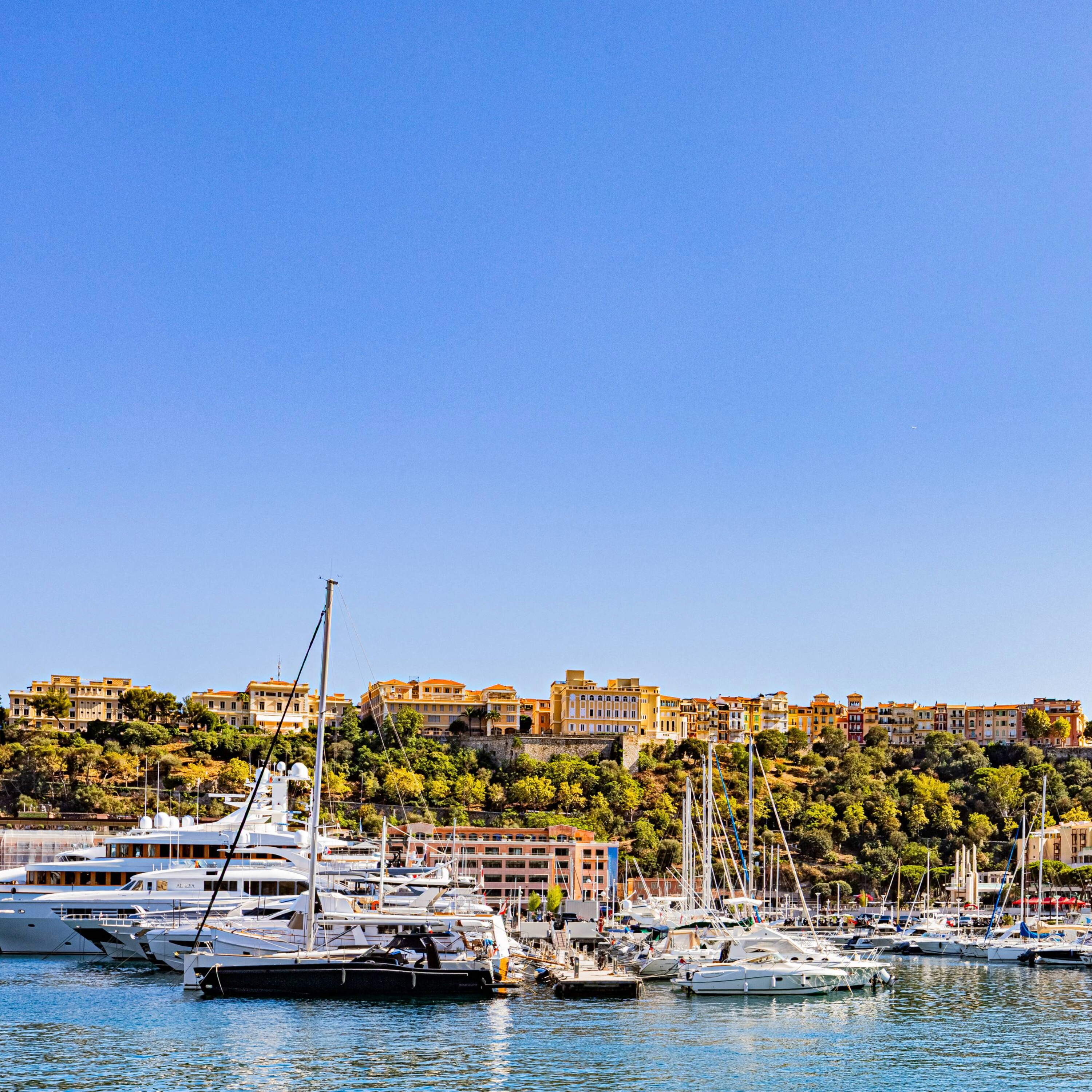
Wanna know who is really in the top 1%? And how they use their influence? It may not be who you think.<br/><br/>Look beyond Silicon Valley. Look beyond Wall Street. Look beyond the “oligarchs”. There's a much larger class of wealthy Americans hiding in plain sight. And, often, they got rich in mundane ways. They own car dealerships. They sell hot dogs and frozen mini-quiches. They run waxing salons. They supply fabricated metal and urinal cakes. They are dentists.<br/><br/>Collectively, these "Main Street millionaires" control much more wealth than the billionaire lightning rods who launch rockets into space, appear on manosphere podcasts, and have Hollywood movies made about them. Many of these millionaires have also grown rich enough to afford superyachts, 10,000-square-foot homes, and pet tigers. <br/><br/>At the center of their story is a quiet revolution in the American economy: the rise of a particular kind of private business. On today’s show, how did the power of the “stealthy wealthy” millionaires come to rival that of the billionaire oligarchs? And, how are they shaping policies that lower their taxes and raise your prices?<br/><br/><em>Read: </em><br>Our book: <a href="https://lnk.to/i3AukBdD"target="_blank" >Planet Money: A Guide to the Economic Forces That Shape Your Life</a> <br>Our weekly longform <a href="https://n.pr/3zrFvUB"target="_blank" >Planet Money newsletter</a><br>Our weekly <a href="https://www.npr.org/newsletter/indicator"target="_blank" >Indicator round-up newsletter</a><br/><br/><em>Follow: </em><br><a href="https://n.pr/3FqLuws"target="_blank" >Instagram</a><br><a href="https://n.pr/3sGZdrq"target="_blank" >TikTok</a><br><a href="https://lnk.to/iCVDaW3C"target="_blank" >YouTube</a><br><a href="https://n.pr/3h92GwS"target="_blank" >Facebook</a><br/><br/><em>Support public media with NPR+ and enjoy perks for over 25 podcasts like this one. This show’s perks include bonus episodes and sponsor-free listening. Learn more at</em><a href="http://plus.npr.org/"target="_blank" ><em> </em><em>plus.npr.org</em></a><em>.</em><br/><br/><em>This episode was hosted by Greg Rosalsky and Sarah Gonzalez. It was produced by Emma Peaslee. It was edited by Marianne McCune with fact checking help from Sierra Juarez. It was engineered by Kwesi Lee. Alex Goldmark is </em>Planet Money’<em>s executive producer. </em><br/><br/><em>Music: NPR Source Audio - "Collectible Kicks," "Blazed and Emboldened," and "Arturo’s Revenge</em><br><br/><br/>See <a href="https://pcm.adswizz.com">pcm.adswizz.com</a> for information about our collection and use of personal data for sponsorship and to manage your podcast sponsorship preferences.<br/><br/><a href="https://www.npr.org/about-npr/179878450/privacy-policy">NPR Privacy Policy</a>

Who decides what big box sells? Our GAME got us answers
There’s a room where the fates of retail products are decided. Will they make it onto the shelves of the big box stores? Usually the rest of us can’t get inside the room where decisions are made – until now! Today on the show, we pitch the Planet Money game, Sell Me a Sasquatch, to big box retailers. We go behind the scenes to learn about how products end up on big box store shelves, what’s going on inside the minds of the deciders, and find out our board game’s fate. <br/><br/><em>Learn more about the story of Pantone:</em> <a href="https://www.npr.org/2024/07/19/1197961103/pantone-colors-lawrence-herbert-stuart-semple-standards"target="_blank" >The company that owns colors </a><br/><br/><br><em>Support:</em><br><a href="https://n.pr/3HlREPz"target="_blank" >Planet Money+</a><br/><br/><em>Read: </em><br>Our book: <a href="https://lnk.to/i3AukBdD"target="_blank" >Planet Money: A Guide to the Economic Forces That Shape Your Life</a> <br>Our weekly longform <a href="https://n.pr/3zrFvUB"target="_blank" >Planet Money newsletter</a><br>Our weekly <a href="https://www.npr.org/newsletter/indicator"target="_blank" >Indicator round-up newsletter</a><br/><br/><em>Follow: </em><br><a href="https://n.pr/3FqLuws"target="_blank" >Instagram</a><br><a href="https://n.pr/3sGZdrq"target="_blank" >TikTok</a><br><a href="https://lnk.to/iCVDaW3C"target="_blank" >YouTube</a><br><a href="https://n.pr/3h92GwS"target="_blank" >Facebook</a><br/><br/><em>This episode of </em>Planet Money<em> was produced by Emma Peaslee. It was edited by Marianne McCune. It was fact checked by Sierra Juarez. It was engineered by Robert Rodriguez and Jimmy Keeley. </em>Planet Money’s<em> executive producer is Alex Goldmark. </em><br/><br/><em>Music: NPR Source Audio - "Silly Sevens," "Adventure Time," and "Virtual Machine"</em><br/><br/>Support public media with NPR+ and enjoy perks for over 25 podcasts like this one. This show’s perks include bonus episodes and sponsor-free listening. Learn more at <a href="http://plus.npr.org/"target="_blank" >plus.npr.org</a>.<br/><br/>See <a href="https://pcm.adswizz.com">pcm.adswizz.com</a> for information about our collection and use of personal data for sponsorship and to manage your podcast sponsorship preferences.<br/><br/><a href="https://www.npr.org/about-npr/179878450/privacy-policy">NPR Privacy Policy</a>

You bet your life insurance
Some of the biggest firms on Wall Street are, at this very moment, waiting for thousands of strangers to die to reap their returns. Because there’s a market for life insurance policies. And it’s legal.<br/><br/>You don’t have to actually die to get some of your life insurance money. Thanks to a secondary market for life insurance policies, you might be able to claw back money from beyond the grave. You just sell your policy to an investor. So when you die, the payout goes to them, instead of your family or beneficiary. <br/><br/>On today’s show, how the wheels of finance transformed a desperate deal made during the AIDS crisis into a multi-billion dollar industry. <br/><br/><em>Support:</em><br><ul class="rte2-style-ul"><li><a href="https://n.pr/3HlREPz"target="_blank" >Planet Money+</a></li></ul><em>Read: </em><br><ul class="rte2-style-ul"><li>Our book: <a href="https://lnk.to/i3AukBdD"target="_blank" >Planet Money: A Guide to the Economic Forces That Shape Your Life</a></li><li>Our weekly longform <a href="https://n.pr/3zrFvUB"target="_blank" >Planet Money newsletter</a></li><li>Our weekly <a href="https://www.npr.org/newsletter/indicator"target="_blank" >Indicator round-up newsletter</a></li></ul><em>Follow: </em><br><ul class="rte2-style-ul"><li><a href="https://n.pr/3FqLuws"target="_blank" >Instagram</a></li><li><a href="https://n.pr/3sGZdrq"target="_blank" >TikTok</a></li><li><a href="https://lnk.to/iCVDaW3C"target="_blank" >YouTube</a></li><li><a href="https://n.pr/3h92GwS"target="_blank" >Facebook</a></li></ul><em>This episode was produced by Emma Peaslee and Willa Rubin. It was edited by Marianne McCune and fact-checked by Sierra Juarez. It was engineered by Cena Loffredo. Alex Goldmark is our executive producer.</em><br/><br/><em>Support public media with NPR+ and enjoy perks for over 25 podcasts like this one. This show’s perks include bonus episodes and sponsor-free listening. Learn more at </em><a href="http://plus.npr.org/"target="_blank" ><em>plus.npr.org</em></a><em>.</em><br/><br/>See <a href="https://pcm.adswizz.com">pcm.adswizz.com</a> for information about our collection and use of personal data for sponsorship and to manage your podcast sponsorship preferences.<br/><br/><a href="https://www.npr.org/about-npr/179878450/privacy-policy">NPR Privacy Policy</a>

Currency Chaos in Argentina (Summer School)
Just about everyone in Argentina is an expert in inflation and whether they like it or not, economic flexibility. Can we learn from them? <br/><br/>Over the years, we at Planet Money have checked in on Argentina as it tried to recover from economic collapse in 2001 and 2002, and as inflation shot up and the country defaulted on its debts. This week on our Summer School World Tour, we fly to Buenos Aires, mapping the moves of their economy through the eyes of people who live there – from tango classes and shoe shopping to a Coldplay concert that sparked a special exchange rate. <br/><br/>We’ll consider the different attempts from the government to staunch inflation and why they’ve led to so many unintended consequences. But the heart of this week’s trip is the resilience of everyday economic actors, regular people. When the value of your currency is so in flux, average people become monetary contortionists just to navigate work, shopping, saving and to keep small businesses afloat. This adaptability becomes a special kind of skill and wisdom. So, we’re harvesting that everyday economic insight for tips on how we can all face uncertainty a little better. And, to appreciate the high costs of volatility. <br/><br/>Featured Episodes:<br/><br/><ul class="rte2-style-ul"><li><a href="https://www.npr.org/2022/11/30/1139976898/messi-economics"target="_blank" >Messi economics (2022)</a></li><li><a href="https://www.npr.org/2023/09/22/1197954122/argentina-peso-inflation-milei"target="_blank" >A black market, a currency crisis and a tango competition in Argentina (2023)</a></li><li><a href="https://www.npr.org/2022/10/21/1130640816/strong-dollar-us-latin-america-inflation-peso-mexico-argentina-chile"target="_blank" >The high cost of a strong dollar (2022)</a></li></ul><br/><br/>Featured Terms: <br/><br/><ul class="rte2-style-ul"><li>Volatility</li><li>Inflation expectations</li><li>Capital controls</li><li>Austerity</li></ul><em>Support:</em><br/><br/><ul class="rte2-style-ul"><li><a href="https://n.pr/3HlREPz"target="_blank" >NPR+ (sponsor-free listening & bonus episodes) </a></li><li>And please click “follow” in your podcast app so you don’t miss an episode.</li></ul><br/><br/><em>Read: </em><br/><br/><ul class="rte2-style-ul"><li>Our book: <a href="https://lnk.to/i3AukBdD"target="_blank" >Planet Money: A Guide to the Economic Forces That Shape Your Life</a> (<a href="https://open.spotify.com/show/509P7k1QPcwgzOSCqVCDCZ"target="_blank" >Audiobook here</a>) </li><li>Our weekly longform <a href="https://n.pr/3zrFvUB"target="_blank" >Planet Money newsletter</a></li><li>Our weekly <a href="https://www.npr.org/newsletter/indicator"target="_blank" >Indicator link round-up newsletter</a></li></ul><br/><br/><em>Follow: </em><br/><br/><ul class="rte2-style-ul"><li><a href="https://n.pr/3FqLuws"target="_blank" >Instagram</a></li><li><a href="https://n.pr/3sGZdrq"target="_blank" >TikTok</a></li><li><a href="https://lnk.to/iCVDaW3C"target="_blank" >YouTube</a></li><li><a href="https://n.pr/3h92GwS"target="_blank" >Facebook</a></li></ul><br/><br/><em>This episode of Planet Money Summer School is hosted by Robert Smith. It was produced by Sophia Paliza-Carre and Schuyler Swenson and edited by Planet Money Executive Producer Alex Goldmark. It was fact-checked by Sierra Juarez and engineered by Jimmy Keeley.</em><br/><br/>See <a href="https://pcm.adswizz.com">pcm.adswizz.com</a> for information about our collection and use of personal data for sponsorship and to manage your podcast sponsorship preferences.<br/><br/><a href="https://www.npr.org/about-npr/179878450/privacy-policy">NPR Privacy Policy</a>

Older workers aren’t retiring. Should they be forced to?
When workers past retirement age can’t afford to retire — that’s one thing. When they can, and just don’t want to — that’s trickier.<br/><br/>It used to be legal to force people to retire when they hit a certain age. The trend used to be earlier and earlier retirement. Now it’s later and later retirement. And younger workers say it’s impacting their career advancement and their ability to save for their own retirement.<br/><br/>At the same time, older workers are living longer, Social Security and Medicare funding are less secure than ever … and many people <em>want </em>to keep working.<br/><br/>Age in the workplace is a tricky thing to talk about. But today on the show, we’re talking about it. On the latest <em>Planet Money</em>, a law professor who says retirement should be mandatory at age 70. And an economist who says, actually … people should delay retirement even longer. <br/><br/><em>Show notes: </em><br/><br/><ul class="rte2-style-ul"><li><em>More of </em><a href="https://www.npr.org/2020/01/09/794977811/episode-963-13-000-economists-1-question"target="_blank" ><em>Planet Money’s coverage</em></a><em> of the lump of labor fallacy</em></li><li><em>Samuel Moyn: </em><a href="https://us.macmillan.com/books/9780374607647/gerontocracyinamerica/"target="_blank" ><em>Gerontocracy in America: How the Old Are Hoarding Power and Wealth? And What to Do About It.</em></a></li><li><em>Gerhard Casper and Saunders Mac Lane: “</em><a href="https://www.nytimes.com/1990/10/26/opinion/older-doesnt-mean-wiser.html"target="_blank" ><em>Older Doesn’t Mean Wiser</em></a><em>”</em></li></ul><br/><br/><em>Read: </em><br/><br/><ul class="rte2-style-ul"><li><em>Our book: </em><a href="https://lnk.to/i3AukBdD"target="_blank" ><em>Planet Money: A Guide to the Economic Forces That Shape Your Life</em></a><em> </em></li><li><em>Our weekly long-form </em><a href="https://n.pr/3zrFvUB"target="_blank" ><em>Planet Money newsletter</em></a></li><li><em>Our weekly </em><a href="https://www.npr.org/newsletter/indicator"target="_blank" ><em>Indicator round-up newsletter</em></a></li></ul><br/><br/><em>Follow: </em><br/><br/><ul class="rte2-style-ul"><li><a href="https://n.pr/3FqLuws"target="_blank" ><em>Instagram</em></a></li><li><a href="https://n.pr/3sGZdrq"target="_blank" ><em>TikTok</em></a></li><li><a href="https://lnk.to/iCVDaW3C"target="_blank" ><em>YouTube</em></a></li><li><a href="https://n.pr/3h92GwS"target="_blank" ><em>Facebook</em></a><br></li></ul><em>Support public media with NPR+ and enjoy perks for over 25 podcasts like this one. This show’s perks include bonus episodes and sponsor-free listening. Learn more at </em><a href="http://plus.npr.org/"target="_blank" ><em>plus.npr.org</em></a><em>.</em><br/><br/><em>This episode was reported by Sarah Gonzalez. It was produced by Willa Rubin, edited by Eric Misitzis Mennel, and fact-checked by Sierra Juarez. It was engineered by Robert Rodriguez and Jimmy Keeley. Alex Goldmark is our executive producer. </em><br/><br/><em>Music: NPR Source Audio: “Don’t Cross The Line,” “Aventure Burlesque,” and “Hollywood.”</em><br><br/><br/>See <a href="https://pcm.adswizz.com">pcm.adswizz.com</a> for information about our collection and use of personal data for sponsorship and to manage your podcast sponsorship preferences.<br/><br/><a href="https://www.npr.org/about-npr/179878450/privacy-policy">NPR Privacy Policy</a>

Piles of cash and a town of solutions in Kenya, Nigeria (Summer School)
Let’s head to a small town in Kenya that’s become globally famous for helping economists answer some of the biggest questions facing humanity.<br/><br/>In Kenya and Nigeria, economics isn’t just theory, it’s real life. We’ll look at some radical experiments that turned out to be enormously successful.<br/><br/>What are the building blocks of health, education and prosperity for all? How does a nation grow rich? What is the most effective way to spend a dollar to fight poverty? We find answers in a town that became the laboratory for new concepts in economic research that netted some researchers the most prestigious prize in economics.<br/><br/>Featured Episodes:<br/><br/><ul class="rte2-style-ul"><li><a href="https://www.npr.org/2023/06/09/1181448838/busia-kenya-nobel-prize-randomized-control-trials"target="_blank" >How randomized trials and the town of Busia, Kenya changed economics (2023)</a></li><li><a href="https://www.npr.org/sections/money/2016/05/20/478883658/episode-702-nigeria-you-win"target="_blank" >Nigeria, You Win! (2016)</a><br></li></ul>Featured Terms:<br><ul class="rte2-style-ul"><li>Randomized controlled trial</li><li>Human capital</li><li>Missing middle</li></ul><em>Support:</em><br><ul class="rte2-style-ul"><li><a href="https://n.pr/3HlREPz"target="_blank" >Planet Money+</a><br></li></ul><em>Read: </em><br><ul class="rte2-style-ul"><li>Our book: <a href="https://lnk.to/i3AukBdD"target="_blank" >Planet Money: A Guide to the Economic Forces That Shape Your Life</a> (<a href="https://open.spotify.com/show/509P7k1QPcwgzOSCqVCDCZ"target="_blank" >Audiobook here</a>) </li><li>Our weekly longform <a href="https://n.pr/3zrFvUB"target="_blank" >Planet Money newsletter</a></li><li>Our weekly <a href="https://www.npr.org/newsletter/indicator"target="_blank" >Indicator link round-up newsletter</a></li></ul><em>Follow: </em><br><ul class="rte2-style-ul"><li><a href="https://n.pr/3FqLuws"target="_blank" >Instagram</a></li><li><a href="https://n.pr/3sGZdrq"target="_blank" >TikTok</a></li><li><a href="https://lnk.to/iCVDaW3C"target="_blank" >YouTube</a></li><li><a href="https://n.pr/3h92GwS"target="_blank" >Facebook</a></li></ul><br><em>The series is hosted by Robert Smith and produced by Sophia Paliza-Carre. This episode was edited by Planet Money Executive Producer Alex Goldmark. This episode was fact-checked by Leyla Doss, with engineering by Annlie Huang.</em><br><br/><br/>See <a href="https://pcm.adswizz.com">pcm.adswizz.com</a> for information about our collection and use of personal data for sponsorship and to manage your podcast sponsorship preferences.<br/><br/><a href="https://www.npr.org/about-npr/179878450/privacy-policy">NPR Privacy Policy</a>

Big Lettuce meets Small Intestine
The cyclospora outbreak that’s sickening thousands of Americans got us interested in the rise of Big Lettuce, and the challenges of keeping it clean. <br/><br/>So on today’s show, we tell you just how much lettuce Americans eat every year (SO MUCH!), how bagged lettuce came to dominate grocery store shelves, what that means for food safety, and why these outbreaks continue to happen — despite the FDA’s efforts to stop them.<br/><br/>Check out other related episodes:<br><a href="https://www.npr.org/sections/money/2018/08/24/641739640/episode-861-food-scare-squad"target="_blank" >Food Scare Squad</a><br><a href="https://www.npr.org/2025/09/26/nx-s1-5553615/gustavus-swift-m-e-pennington-refrigeration"target="_blank" >How refrigeration took over the world</a><br/><br/><em>Support:</em><br><a href="https://n.pr/3HlREPz"target="_blank" >Planet Money+</a><br/><br/><em>Read: </em><br>Our book: <a href="https://lnk.to/i3AukBdD"target="_blank" >Planet Money: A Guide to the Economic Forces That Shape Your Life</a> <br>Our weekly longform <a href="https://n.pr/3zrFvUB"target="_blank" >Planet Money newsletter</a><br>Our weekly <a href="https://www.npr.org/newsletter/indicator"target="_blank" >Indicator round-up newsletter</a><br/><br/><em>Follow: </em><br><a href="https://n.pr/3FqLuws"target="_blank" >Instagram</a><br><a href="https://n.pr/3sGZdrq"target="_blank" >TikTok</a><br><a href="https://lnk.to/iCVDaW3C"target="_blank" >YouTube</a><br><a href="https://n.pr/3h92GwS"target="_blank" >Facebook</a><br/><br/><em>This episode was hosted by Jeff Guo and Emma Peaslee. It was produced by Emma Peaslee. It was edited by Marianne McCune and it was fact checked by Sierra Juarez and engineered by Annlie Huang. Alex Goldmark is </em>Planet Money<em>’s executive producer. </em><br/><br/><em>Music: NPR Source Audio - "Electric Leak," "West Green Road," and "Melty Heart"</em><br/><br/>See <a href="https://pcm.adswizz.com">pcm.adswizz.com</a> for information about our collection and use of personal data for sponsorship and to manage your podcast sponsorship preferences.<br/><br/><a href="https://www.npr.org/about-npr/179878450/privacy-policy">NPR Privacy Policy</a>
Can the Trump administration make college cheaper?
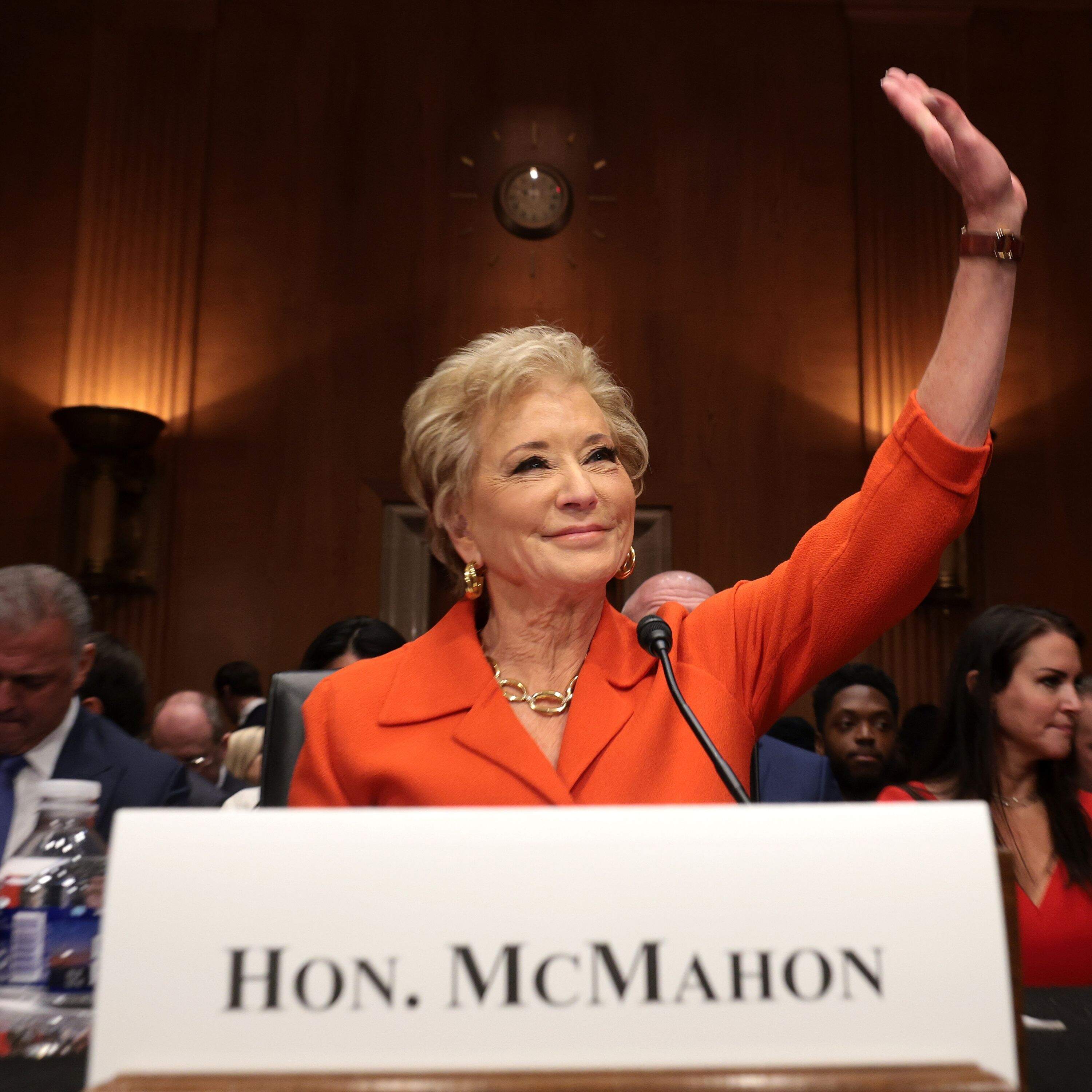
Will limiting how much students can borrow force schools to lower their prices? <br/><br/>The Department of Education thinks so. It has a new plan to bring down tuition costs. Starting today, July 1st, it’s going to cap how much it’s willing to loan to graduate students. <br/><br/>You read that right. To reduce the burden of school…the plan is to give students less money to pay for school. <br/><br/>This plan is, in part, based on an idea that’s been floating around higher education circles for decades: The Bennett Hypothesis, which claims there’s a direct relationship between student borrowing and tuition prices. And therefore, if the Department of Education — the biggest student loan provider in the country — limits how much students can take out, then schools will have no choice but to charge students <em>less</em>. <br/><br/>This hypothesis was floated roughly 40 years ago...without evidence. But now, as the Trump administration rolls out their Bennettian plan, we have decades of data to see how true this hypothesis is.<br/><br/>Today on the show: NPR Education Correspondent Cory Turner explains this theory, and what the new plan influenced by it will mean for borrowers this fall.<br/><br/><em>Other notes:</em><br/><br/><ul class="rte2-style-ul"><li><em>Bill Bennett: “</em><a href="https://www.nytimes.com/1987/02/18/opinion/our-greedy-colleges.html"target="_blank" ><em>Our Greedy Colleges</em></a><em>”</em></li><li><em>Cory Turner: "</em><a href="https://www.npr.org/2026/06/10/nx-s1-5835633/student-loans-guide-education-changes-repayment-plan"target="_blank" ><em>July 1 brings big student loan changes. Here's what you need to know</em></a><em>"</em></li><li><em>The Indicator: "</em><a href="https://www.npr.org/2026/06/29/nx-s1-5872779/what-you-should-know-about-your-student-loans"target="_blank" ><em>What you should know about your student loans</em></a><em>" </em><br/><br/></li></ul><em>Support:</em><br/><br/><ul class="rte2-style-ul"><li><a href="https://n.pr/3HlREPz"target="_blank" ><em>Planet Money+</em></a></li></ul><em>Read: </em><br/><br/><ul class="rte2-style-ul"><li><em>Our book: </em><a href="https://lnk.to/i3AukBdD"target="_blank" ><em>Planet Money: A Guide to the Economic Forces That Shape Your Life</em></a><em> </em></li><li><em>Our weekly longform </em><a href="https://n.pr/3zrFvUB"target="_blank" ><em>Planet Money newsletter</em></a></li><li><em>Our weekly </em><a href="https://www.npr.org/newsletter/indicator"target="_blank" ><em>Indicator round-up newsletter</em></a></li></ul><em>Follow: </em><br/><br/><ul class="rte2-style-ul"><li><a href="https://n.pr/3FqLuws"target="_blank" ><em>Instagram</em></a></li><li><a href="https://n.pr/3sGZdrq"target="_blank" ><em>TikTok</em></a></li><li><a href="https://lnk.to/iCVDaW3C"target="_blank" ><em>YouTube</em></a></li><li><a href="https://n.pr/3h92GwS"target="_blank" ><em>Facebook</em></a></li></ul><em>This episode was hosted by Cory Turner and Kenny Malone. It was produced by Willa Rubin and edited by Marianne McCune. It was fact-checked by Charlotte Isidore and engineered by Robert Rodriguez. Alex Goldmark is our executive producer.</em><br/><br/><em>Music: NPR Source Audio - “Morning Chorus,” “Belle Mar,” and “The Sky Was Orange.” </em><br/><br/>See <a href="https://pcm.adswizz.com">pcm.adswizz.com</a> for information about our collection and use of personal data for sponsorship and to manage your podcast sponsorship preferences.<br/><br/><a href="https://www.npr.org/about-npr/179878450/privacy-policy">NPR Privacy Policy</a>

We almost had a smartphone in the 90s. Why did it fail?
In the early 90’s, a company called General Magic began working on a portable device that would allow people to check email, make phone calls, even play games. It was basically a smartphone. But it never caught on.<br/><br/>On today’s show, a theory about why this device failed. General Magic had generous investors, world-class talent and creative freedom. But is it possible what they needed was constraints?<br/><br/><em>Support:</em><br><ul class="rte2-style-ul" style="margin-top:0;margin-bottom:0;padding-inline-start:48px;"><li><a href="https://n.pr/3HlREPz"target="_blank" ><em>Planet Money+</em></a></li></ul><em>Read: </em><br><ul class="rte2-style-ul" style="margin-top:0;margin-bottom:0;padding-inline-start:48px;"><li><em>Our book: </em><a href="https://lnk.to/i3AukBdD"target="_blank" ><em>Planet Money: A Guide to the Economic Forces That Shape Your Life</em></a><em> </em></li></ul><ul class="rte2-style-ul" style="margin-top:0;margin-bottom:0;padding-inline-start:48px;"><li><em>Our weekly longform </em><a href="https://n.pr/3zrFvUB"target="_blank" ><em>Planet Money newsletter</em></a></li><li><em>Our weekly </em><a href="https://www.npr.org/newsletter/indicator"target="_blank" ><em>Indicator round-up newsletter</em></a></li></ul><em>Follow: </em><br><ul class="rte2-style-ul" style="margin-top:0;margin-bottom:0;padding-inline-start:48px;"><li><a href="https://n.pr/3FqLuws"target="_blank" ><em>Instagram</em></a></li><li><a href="https://n.pr/3sGZdrq"target="_blank" ><em>TikTok</em></a></li><li><a href="https://lnk.to/iCVDaW3C"target="_blank" ><em>YouTube</em></a></li><li><a href="https://n.pr/3h92GwS"target="_blank" ><em>Facebook</em></a></li></ul><br><em>This episode was hosted by Erika Beras and Emma Peaslee. It was produced by Emma Peaslee with help from Sam Yellowhorse Kesler and James Sneed. It was edited by Marianne McCune and fact-checked by Charlotte Isidore. It was engineered by Jimmy Keeley with help from Cena Loffredo. Alex Goldmark is </em>Planet Money<em>’s executive producer.</em><br/><br/>See <a href="https://pcm.adswizz.com">pcm.adswizz.com</a> for information about our collection and use of personal data for sponsorship and to manage your podcast sponsorship preferences.<br/><br/><a href="https://www.npr.org/about-npr/179878450/privacy-policy">NPR Privacy Policy</a>

Two indicators for lowering the rent
One specific type of affordable housing used to be popular in American cities, kept rents low, then nearly vanished. Is it time to reconsider boarding houses and single room occupancy units? If they lowered rents in cities, why did they go away? We have the history.<br/><br/>Then, let’s talk about corporate landlords. They’re blamed for driving up rents. Studies show they do the opposite. When corporate landlords come to town, they do buy up homes, which can raise the price to buy, but at the same time lower rents. We’ll parse the impact as we consider a Trump administration plan to restrict corporate home ownership.<br/><br/><em>Related episodes:</em><br><ul class="rte2-style-ul" style="margin-top:0;margin-bottom:0;padding-inline-start:48px;"><li><a href="https://www.npr.org/sections/planet-money/2026/02/24/g-s1-111204/is-the-yimby-movement-doomed"target="_blank" ><em>Is the YIMBY movement doomed? </em></a></li><li><a href="https://www.npr.org/2024/08/30/1197961522/minneapolis-minnesota-housing-2040-tim-walz"target="_blank" ><em>How to fix a housing shortage</em></a><em> </em></li><li><a href="http://lnk.to/HevSSF"target="_blank" ><em>How to build abundantly</em></a></li><li><a href="https://www.npr.org/2026/01/30/nx-s1-5690291/affordability-housing-market-own-home-trump-davos"target="_blank" ><em>Can Trump make buying a home more affordable?</em></a></li></ul><br><em>Support:</em><br><ul class="rte2-style-ul" style="margin-top:0;margin-bottom:0;padding-inline-start:48px;"><li><a href="https://n.pr/3HlREPz"target="_blank" ><em>NPR+</em></a></li></ul><br><em>Read: </em><br><ul class="rte2-style-ul" style="margin-top:0;margin-bottom:0;padding-inline-start:48px;"><li><em>Our book: </em><a href="https://lnk.to/i3AukBdD"target="_blank" ><em>Planet Money: A Guide to the Economic Forces That Shape Your Life</em></a><em> </em></li><li><em>Our weekly longform </em><a href="https://n.pr/3zrFvUB"target="_blank" ><em>Planet Money newsletter</em></a></li><li><em>Our weekly </em><a href="https://www.npr.org/newsletter/indicator"target="_blank" ><em>Indicator round-up newsletter</em></a></li></ul><br><em>Follow: </em><br><ul class="rte2-style-ul" style="margin-top:0;margin-bottom:0;padding-inline-start:48px;"><li><a href="https://n.pr/3FqLuws"target="_blank" ><em>Instagram</em></a></li><li><a href="https://n.pr/3sGZdrq"target="_blank" ><em>TikTok</em></a></li><li><a href="https://lnk.to/iCVDaW3C"target="_blank" ><em>YouTube</em></a></li><li><a href="https://n.pr/3h92GwS"target="_blank" ><em>Facebook</em></a></li></ul><br><em>The original episodes of the Indicator were hosted by Darian Woods and Wailin Wong. They were produced by Julia Ritchey, Cooper Katz McKim and Corey Bridges with engineering by Travis Hagan and Robert Rodriguez. They were fact checked by Vito Emanuel and Sierra Juarez. Kate Concannon edits the show. This episode of Planet Money was produced by James Sneed with help from Emma Murphy. Alex Goldmark is our executive producer.</em><br/><br/>See <a href="https://pcm.adswizz.com">pcm.adswizz.com</a> for information about our collection and use of personal data for sponsorship and to manage your podcast sponsorship preferences.<br/><br/><a href="https://www.npr.org/about-npr/179878450/privacy-policy">NPR Privacy Policy</a>

Why is there a supplement craze if they don’t even work?
One reason the $70 billion supplement industry is set to double in the next seven years? Lax regulation.<br/><br/>On today's show, we tell the story of a century-long battle between the U.S. government and … <em>you</em>, the people, blinded by your love of a magic pill.<br/><br/>We’re talking about protein powders, pre-workouts, creatine, stuff for gut health, joint health, vitamin C, turmeric supplements. All that. You might not wanna hear this.<br/><br/>Sources mentioned in the episode:<br><ul class="rte2-style-ul" style="margin-top:0;margin-bottom:0;padding-inline-start:48px;"><li><a href="https://www.foodpolitics.com/food-politics-how-the-food-industry-influences-nutrition-and-health/"target="_blank" >Marion Nestle, <em>Food Politics</em></a></li><li><a href="https://books.google.com/books/about/Vitamania.html?id=I5eeBwAAQBAJ"target="_blank" >Catherine Price, <em>Vitamania</em></a></li></ul><br><em>Support:</em><br><ul class="rte2-style-ul" style="margin-top:0;margin-bottom:0;padding-inline-start:48px;"><li><a href="https://n.pr/3HlREPz"target="_blank" ><em>Planet Money+</em></a></li></ul><em>Read: </em><br><ul class="rte2-style-ul" style="margin-top:0;margin-bottom:0;padding-inline-start:48px;"><li><em>Our book: </em><a href="https://lnk.to/i3AukBdD"target="_blank" ><em>Planet Money: A Guide to the Economic Forces That Shape Your Life</em></a><em> </em></li></ul><ul class="rte2-style-ul" style="margin-top:0;margin-bottom:0;padding-inline-start:48px;"><li><em>Our weekly longform </em><a href="https://n.pr/3zrFvUB"target="_blank" ><em>Planet Money newsletter</em></a></li><li><em>Our weekly </em><a href="https://www.npr.org/newsletter/indicator"target="_blank" ><em>Indicator round-up newsletter</em></a></li></ul><em>Follow: </em><br><ul class="rte2-style-ul" style="margin-top:0;margin-bottom:0;padding-inline-start:48px;"><li><a href="https://n.pr/3FqLuws"target="_blank" ><em>Instagram</em></a></li><li><a href="https://n.pr/3sGZdrq"target="_blank" ><em>TikTok</em></a></li><li><a href="https://lnk.to/iCVDaW3C"target="_blank" ><em>YouTube</em></a></li><li><a href="https://n.pr/3h92GwS"target="_blank" ><em>Facebook</em></a></li></ul><br><em>This episode was hosted by Sarah Gonzalez and Jane Black. It was produced by Sam Yellowhorse Kesler, edited by Marianne McCune, and fact checked by Sierra Juarez with help with Vito Emanuel. It was engineered by Robert Rodriguez with help from Jimmy Keeley. Alex Goldmark is </em>Planet Money<em>’s executive producer. </em><br/><br/>See <a href="https://pcm.adswizz.com">pcm.adswizz.com</a> for information about our collection and use of personal data for sponsorship and to manage your podcast sponsorship preferences.<br/><br/><a href="https://www.npr.org/about-npr/179878450/privacy-policy">NPR Privacy Policy</a>
Battlefield rare earths: How the U.S. lost to China
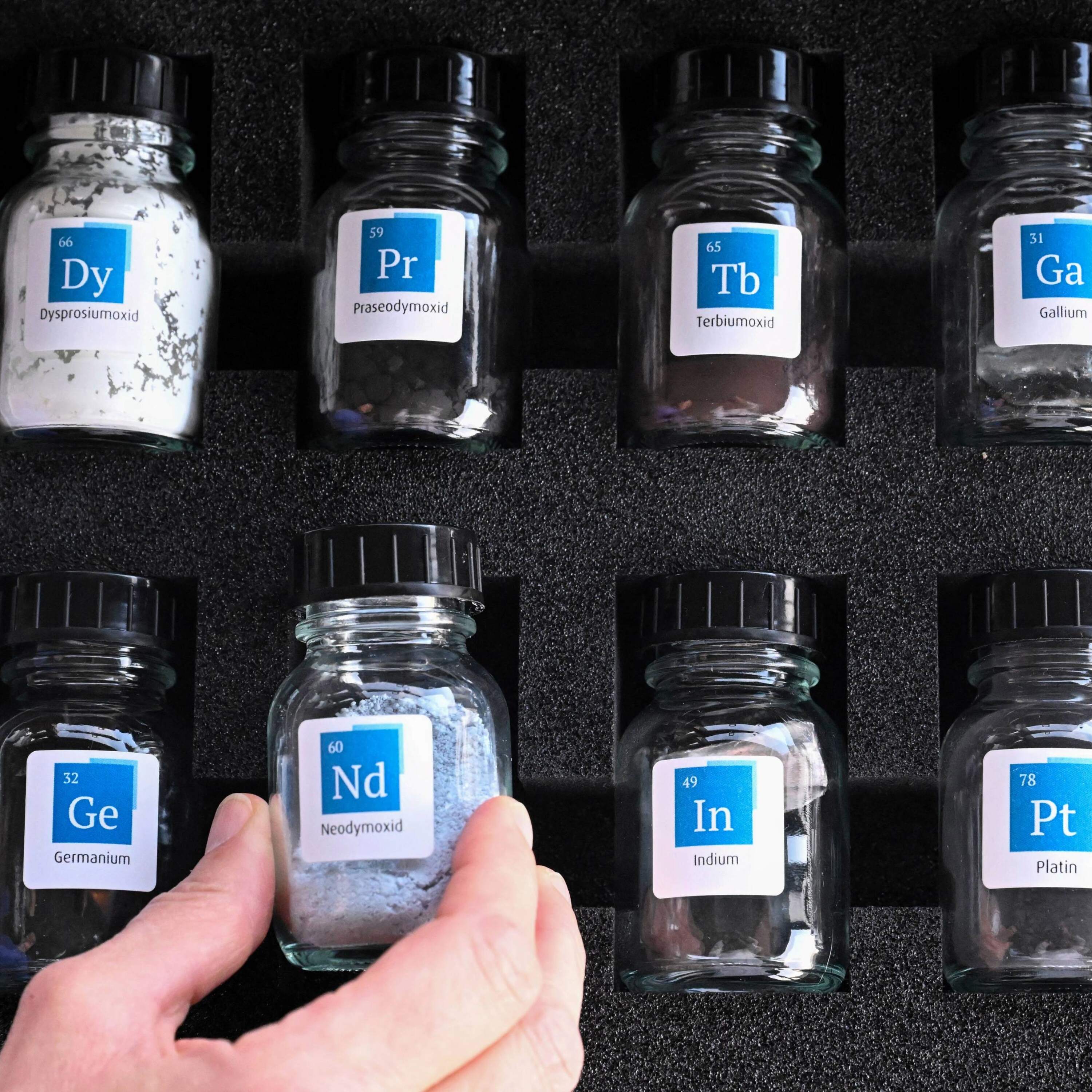
At one point in history, <em>one</em> U.S. company monopolized the rare earths industry. Then China took over the industry. Can the U.S. bring it back?<br/><br/>Rare earths are critical to making, like, everything. From smart phones to electric vehicles to microwaves. They’ve also become a powerful political weapon for China, which controls the majority of mining and processing of rare earths. <br/><br/>Today, we have the story of the rise and fall of America’s rare earth industry told through that single company. It’s a corporate saga made for prestige television about the elements that literally, once, made prestige televisions. <br/><br/><a href="https://tix.to/pm-book-tour"target="_blank" >Live event info and tickets here.</a> <br/><br/><a href="https://www.planetmoneybook.com/"target="_blank" ><em>Pre-order the Planet Money book and get a free gift</em></a><em>. / </em><a href="https://n.pr/3HlREPz"target="_blank" ><em>Subscribe to Planet Money+</em></a><br/><br/><em>Listen free: </em><a href="http://n.pr/PM-digital"target="_blank" ><em>Apple Podcasts</em></a><em>, </em><a href="https://n.pr/3gTkQlR"target="_blank" ><em>Spotify</em></a><em>, </em><a href="https://n.pr/3Bkb17W"target="_blank" ><em>the NPR app</em></a><em> or anywhere you get podcasts.</em><br/><br/><a href="https://n.pr/3h92GwS"target="_blank" ><em>Facebook</em></a><em> / </em><a href="https://n.pr/3FqLuws"target="_blank" ><em>Instagram</em></a><em> / </em><a href="https://n.pr/3sGZdrq"target="_blank" ><em>TikTok</em></a><em> / Our weekly </em><a href="https://n.pr/3zrFvUB"target="_blank" ><em>Newsletter</em></a><em>.</em><br/><br/><em>This episode was produced by Emma Peaslee and edited by Marianne McCune. It was fact-checked by Sierra Juarez and engineered by Cena Loffredo and Jimmy Keeley. Alex Goldmark is Planet Money’s executive producer.</em><br/><br/>See <a href="https://pcm.adswizz.com">pcm.adswizz.com</a> for information about our collection and use of personal data for sponsorship and to manage your podcast sponsorship preferences.<br/><br/><a href="https://www.npr.org/about-npr/179878450/privacy-policy">NPR Privacy Policy</a>

Reese’s heir vs. chocolate skimpflation
<a href="https://tix.to/pm-book-tour"target="_blank" >Live event info and tickets here.</a> <br/><br/>When ingredient costs skyrocket, companies have three basic options: They can raise their prices (a sort of product-specific inflation), shrink the size of the products (often called “shrinkflation”), or, sometimes, find more creative ways to reduce costs by degrading the quality of their products - which <a href="https://www.npr.org/sections/money/2021/10/26/1048892388/meet-skimpflation-a-reason-inflation-is-worse-than-the-government-says-it-is"target="_blank" >our very own Greg Rosalsky has dubbed</a> as “skimpflation.” The latest alleged culprit? Hershey’s.<br/><br/>The Hershey Company is using ingredients in some of their Reese’s candies that — legally — they cannot call milk chocolate or peanut butter. This has infuriated Brad Reese, a grandson of H.B. Reese, the inventor of the Reese’s Peanut Butter Cup. <br/><br/>On today’s show, why chocolate makers might be skimping on chocolate and peanut butter, what else might explain these ingredients, and how Brad Reese has launched a skimp-shaming campaign to get Hershey’s to go back to using classic Reese’s ingredients.<br/><br/>And – EXCLUSIVE – you’ll hear Planet Money break some big news to third-generation peanut butter cup scion Brad Reese.<br/><br/><a href="https://www.planetmoneybook.com/"target="_blank" ><em>Pre-order the Planet Money book and get a free gift</em></a><em>. / </em><a href="https://n.pr/3HlREPz"target="_blank" ><em>Subscribe to Planet Money+</em></a><br/><br/><em>Listen free: </em><a href="http://n.pr/PM-digital"target="_blank" ><em>Apple Podcasts</em></a><em>, </em><a href="https://n.pr/3gTkQlR"target="_blank" ><em>Spotify</em></a><em>, </em><a href="https://n.pr/3Bkb17W"target="_blank" ><em>the NPR app</em></a><em> or anywhere you get podcasts.</em><br/><br/><a href="https://n.pr/3h92GwS"target="_blank" ><em>Facebook</em></a><em> / </em><a href="https://n.pr/3FqLuws"target="_blank" ><em>Instagram</em></a><em> / </em><a href="https://n.pr/3sGZdrq"target="_blank" ><em>TikTok</em></a><em> / Our weekly </em><a href="https://n.pr/3zrFvUB"target="_blank" ><em>Newsletter</em></a><em>.</em><br/><br/><em>This episode was hosted by Greg Rosalsky and Sarah Gonzalez. It was produced by James Sneed. It was edited by Kenny Malone, fact-checked by Sierra Juarez, and engineered by Cena Loffredo. Alex Goldmark is Planet Money’s executive producer.</em><br/><br/>To manage podcast ad preferences, review the links below:<br/><br/>See <a href="https://pcm.adswizz.com">pcm.adswizz.com</a> for information about our collection and use of personal data for sponsorship and to manage your podcast sponsorship preferences.<br/><br/><a href="https://www.npr.org/about-npr/179878450/privacy-policy">NPR Privacy Policy</a>

Dark times for Cuba’s economic experiment
<a href="https://tix.to/pm-book-tour"target="_blank" >Live event info and tickets here.</a> <br/><br/>For more than 60 years, Cuba has survived on two seemingly contradictory economic strategies: leaning on friendly communist and socialist countries, and flirting with capitalism. And right now it seems the US is making both strategies impossible.<br/><br/>Since January, the U.S. has been preventing almost all oil from reaching the island. Doctors can’t get to the hospitals where they work, many buses aren’t running, trucks can’t deliver food and medicine where they’re needed. And there have been frequent blackouts. On more than one occasion over the last few weeks, the entire country has lacked power. <br/><br/>It’s hard for people to even talk on the phone because they can’t always charge them or get cell service. So we asked them to send us voice notes describing this moment in Cuba’s history. <br/><br/>We also wanted to know: How did Cuba get here? On today’s episode: a brief history of Cuba’s communist-capitalist experiment. <br/><br/><a href="https://www.planetmoneybook.com/"target="_blank" ><em>Pre-order the Planet Money book and get a free gift</em></a><em>. / </em><a href="https://n.pr/3HlREPz"target="_blank" ><em>Subscribe to Planet Money+</em></a><br/><br/><em>Listen free: </em><a href="http://n.pr/PM-digital"target="_blank" ><em>Apple Podcasts</em></a><em>, </em><a href="https://n.pr/3gTkQlR"target="_blank" ><em>Spotify</em></a><em>, </em><a href="https://n.pr/3Bkb17W"target="_blank" ><em>the NPR app</em></a><em> or anywhere you get podcasts.</em><br/><br/><a href="https://n.pr/3h92GwS"target="_blank" ><em>Facebook</em></a><em> / </em><a href="https://n.pr/3FqLuws"target="_blank" ><em>Instagram</em></a><em> / </em><a href="https://n.pr/3sGZdrq"target="_blank" ><em>TikTok</em></a><em> / Our weekly </em><a href="https://n.pr/3zrFvUB"target="_blank" ><em>Newsletter</em></a><em>.</em><br/><br/><em>This show was hosted by Erika Beras and Nick Fountain. It was produced by Luis Gallo. It was edited by Marianne McCune. It was fact-checked by Sierra Juarez and engineered by Robert Rodriguez. Alex Goldmark is </em>Planet Money’<em>s executive producer. </em><br><br/><br/>To manage podcast ad preferences, review the links below:<br/><br/>See <a href="https://pcm.adswizz.com">pcm.adswizz.com</a> for information about our collection and use of personal data for sponsorship and to manage your podcast sponsorship preferences.<br/><br/><a href="https://www.npr.org/about-npr/179878450/privacy-policy">NPR Privacy Policy</a>

The skyscrapers that NIMBYs and zoning couldn't stop
<a href="https://tix.to/pm-book-tour"target="_blank" >LIVE SHOW TOUR INFO HERE. New stories, live tapings, special guests, book signings and more. </a><br/><br/>What would you build on a piece of land when all the normal rules go out the window?<br/><br/>On today’s show, how the Squamish Nation reclaimed a sliver of prime urban real estate and were liberated from zoning restrictions, to the consternation of their wealthy NIMBY neighbors.<br/><br/>We trace the 100 year saga of what might be the most interesting real estate development in North America right now: There’s a violent eviction, a tense legal battle, and a giant, tough decision for the Squamish Nation that culminates in the daring project that they’re building today.<br/><br/>It’s a story with lessons for every city trying to lower housing costs and build more.<br/><br/><em>This episode is adapted from</em> <a href="https://www.planetmoneybook.com/"target="_blank" >Planet Money: A Guide To The Economic Forces That Shape Your Life</a><em>. Pre-order before April 7 and you can get a poster. </em><a href="https://www.planetmoneybook.com/"target="_blank" ><em>Details here</em></a><em>. </em><br/><br/><a href="https://evansoltas.com/papers/Permitting_SoltasGruber2026.pdf"target="_blank" ><em>The working paper we mentioned on “ready-to-issue” permits in Los Angeles.</em></a><br/><br/><a href="https://n.pr/3HlREPz"target="_blank" ><em>Subscribe to Planet Money+</em></a><br/><br/><em>Listen free: </em><a href="http://n.pr/PM-digital"target="_blank" ><em>Apple Podcasts</em></a><em>, </em><a href="https://n.pr/3gTkQlR"target="_blank" ><em>Spotify</em></a><em>, </em><a href="https://n.pr/3Bkb17W"target="_blank" ><em>the NPR app</em></a><em> or anywhere you get podcasts.</em><br/><br/><a href="https://n.pr/3h92GwS"target="_blank" ><em>Facebook</em></a><em> / </em><a href="https://n.pr/3FqLuws"target="_blank" ><em>Instagram</em></a><em> / </em><a href="https://n.pr/3sGZdrq"target="_blank" ><em>TikTok</em></a><em> / Our weekly </em><a href="https://n.pr/3zrFvUB"target="_blank" ><em>Newsletter</em></a><em>.</em><br/><br/><em>This episode was produced by Sam Yellowhorse Kesler with an assist from Emma Peaslee. It was edited by Jess Jiang, fact-checked by Sierra Juarez and engineered by Cena Loffredo. Alex Goldmark is </em>Planet Money<em>’s executive producer. </em><br/><br/>To manage podcast ad preferences, review the links below:<br/><br/>See <a href="https://pcm.adswizz.com">pcm.adswizz.com</a> for information about our collection and use of personal data for sponsorship and to manage your podcast sponsorship preferences.<br/><br/>Learn more about sponsor message choices: <a href="https://podcastchoices.com/adchoices">podcastchoices.com/adchoices</a><br/><br/><a href="https://www.npr.org/about-npr/179878450/privacy-policy">NPR Privacy Policy</a>