Code Switch

by NPR
What's CODE SWITCH? It's the fearless conversations about race that you've been waiting for. Hosted by journalists of color, our podcast tackles the subject of race with empathy and humor. We explore how race affects every part of society — from politics and pop culture to history, food and everything in between. This podcast makes all of us part of the conversation — because we're all part of the story. Code Switch was named Apple Podcasts' first-ever Show of the Year in 2020. Support public media by joining NPR+ at plus.npr.org. You’ll get perks for over 25 NPR podcasts, including bonus episod...
Episodes
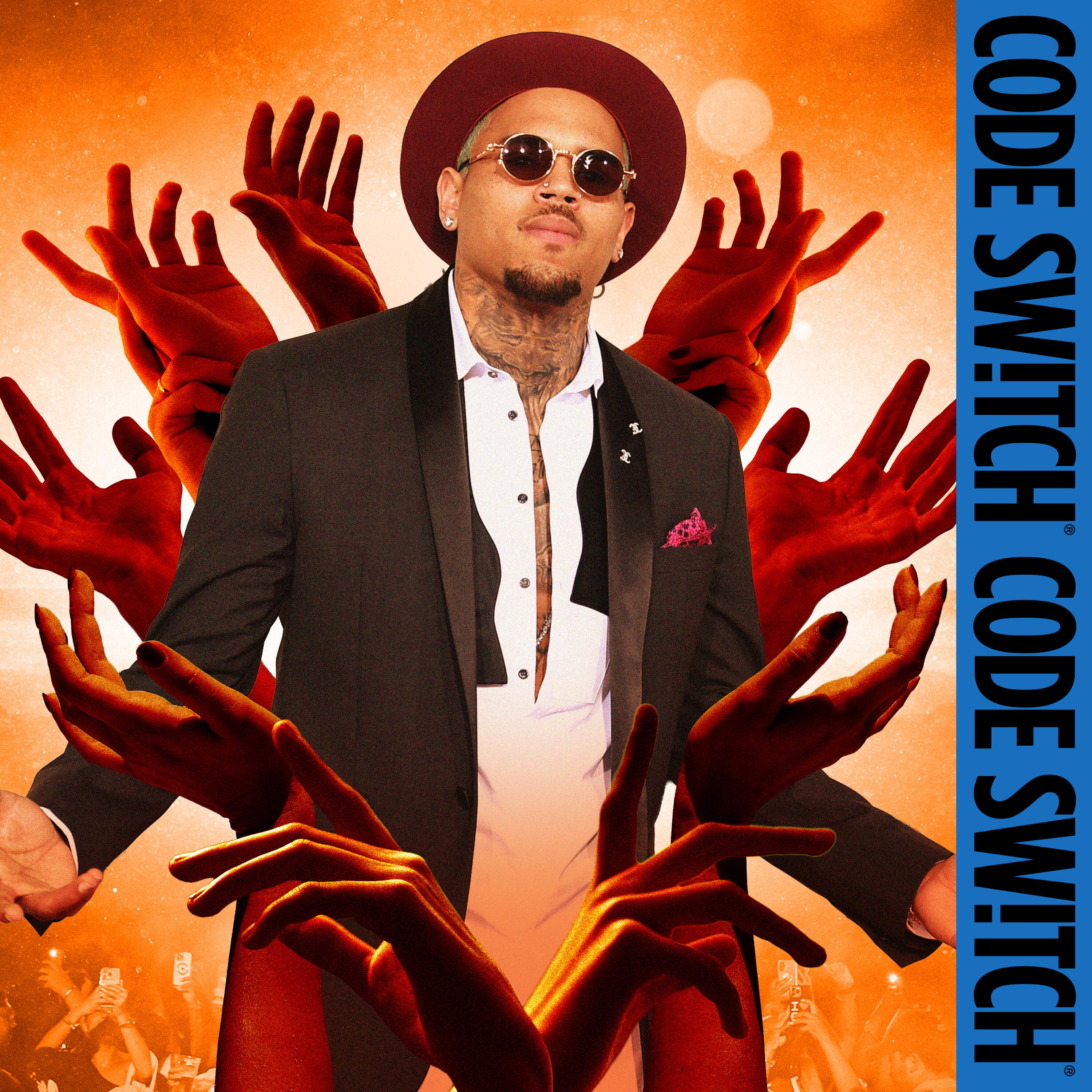
Chris Brown won't get cancelled. This is why.
When Rep. Jasmine Crockett took the stage at a Chris Brown concert to honor him, the backlash came fast. It's a familiar cycle: every few years, Brown lands back in the news, and the public relitigates a history of violence stretching back to 2009. Gene talks with cultural critic Jamilah Lemieux and writer and DJ Noella Williams about why so many fans stay 10 toes down for him, and what accountability could even look like.<br/><br/>Support public media with NPR+ and enjoy perks for over 25 podcasts like this one. This show’s perks include sponsor-free listening. Learn more at <a href="http://plus.npr.org/"target="_blank" >plus.npr.org</a>.<br/><br/>See <a href="https://pcm.adswizz.com">pcm.adswizz.com</a> for information about our collection and use of personal data for sponsorship and to manage your podcast sponsorship preferences.<br/><br/><a href="https://www.npr.org/about-npr/179878450/privacy-policy">NPR Privacy Policy</a>
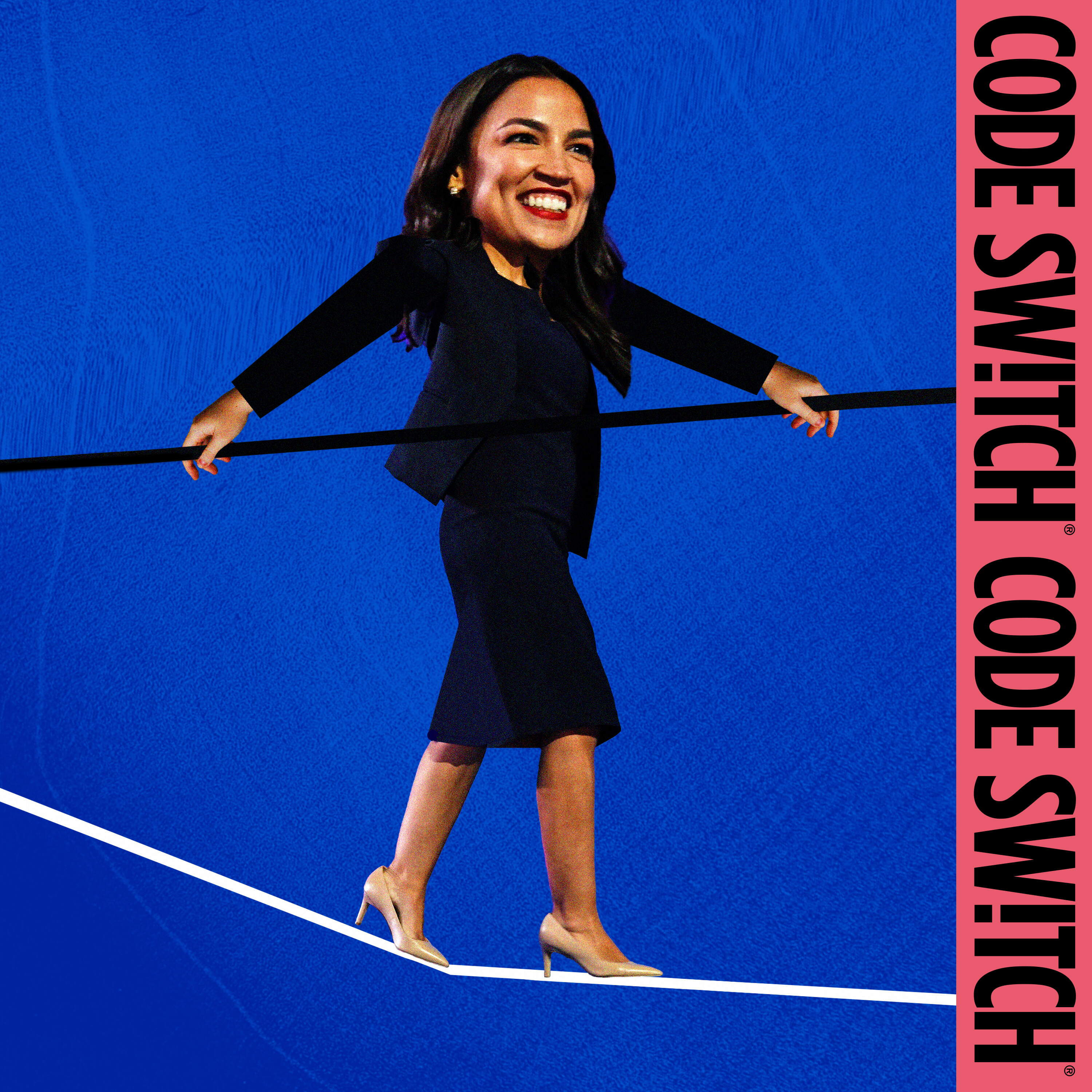
Do voters want woke?
Lots of progressive politicians eyeing runs for higher office are distancing themselves from the politics of 2020, like Congresswoman Alexandria Ocasio Cortez declaring, "woke 1.0 was crazy." But should they be? Jamelle Bouie of The New York Times says voters are swayed more by identity than ideology — so it's less about the ideas and more about the vibes. We talk to him about who gets read as radical (even if they're not) and whether anyone who isn't a white guy can run as a populist.<br/><br/>Support public media with NPR+ and enjoy perks for over 25 podcasts like this one. This show’s perks include sponsor-free listening. Learn more at <a href="http://plus.npr.org/"target="_blank" >plus.npr.org</a>.<br/><br/>See <a href="https://pcm.adswizz.com">pcm.adswizz.com</a> for information about our collection and use of personal data for sponsorship and to manage your podcast sponsorship preferences.<br/><br/><a href="https://www.npr.org/about-npr/179878450/privacy-policy">NPR Privacy Policy</a>
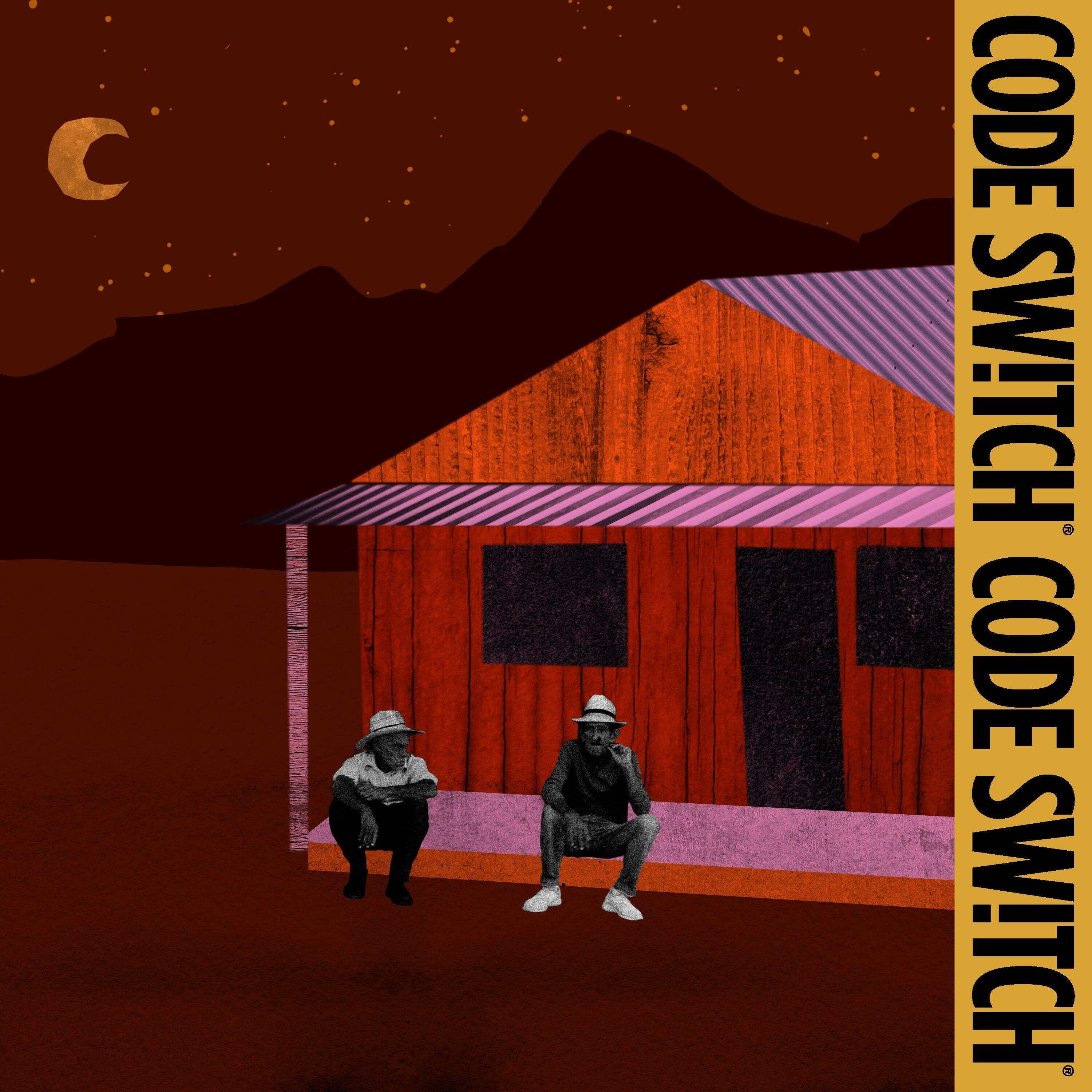
Is Cuba Trump's next real estate project?
Cubans are living through near-constant blackouts after an executive order that called the Cuban government an “unusual and extraordinary threat” to U.S. national security and blocked their fuel imports. A hundred-page State Department report describes Cuba as the puppeteer behind everything from the George Floyd protests to what it calls the rise of antifa. We talk to historians Michael Bustamante and Alexander Hall about the day to day effects of U.S. pressure, why this crisis is old and new at the same time, and why Black Cubans are absorbing the worst of the crisis.<br/><br/>Support public media with NPR+ and enjoy perks for over 25 podcasts like this one. This show’s perks include sponsor-free listening. Learn more at <a href="http://plus.npr.org/"target="_blank" >plus.npr.org</a>.<br/><br/>See <a href="https://pcm.adswizz.com">pcm.adswizz.com</a> for information about our collection and use of personal data for sponsorship and to manage your podcast sponsorship preferences.<br/><br/><a href="https://www.npr.org/about-npr/179878450/privacy-policy">NPR Privacy Policy</a>
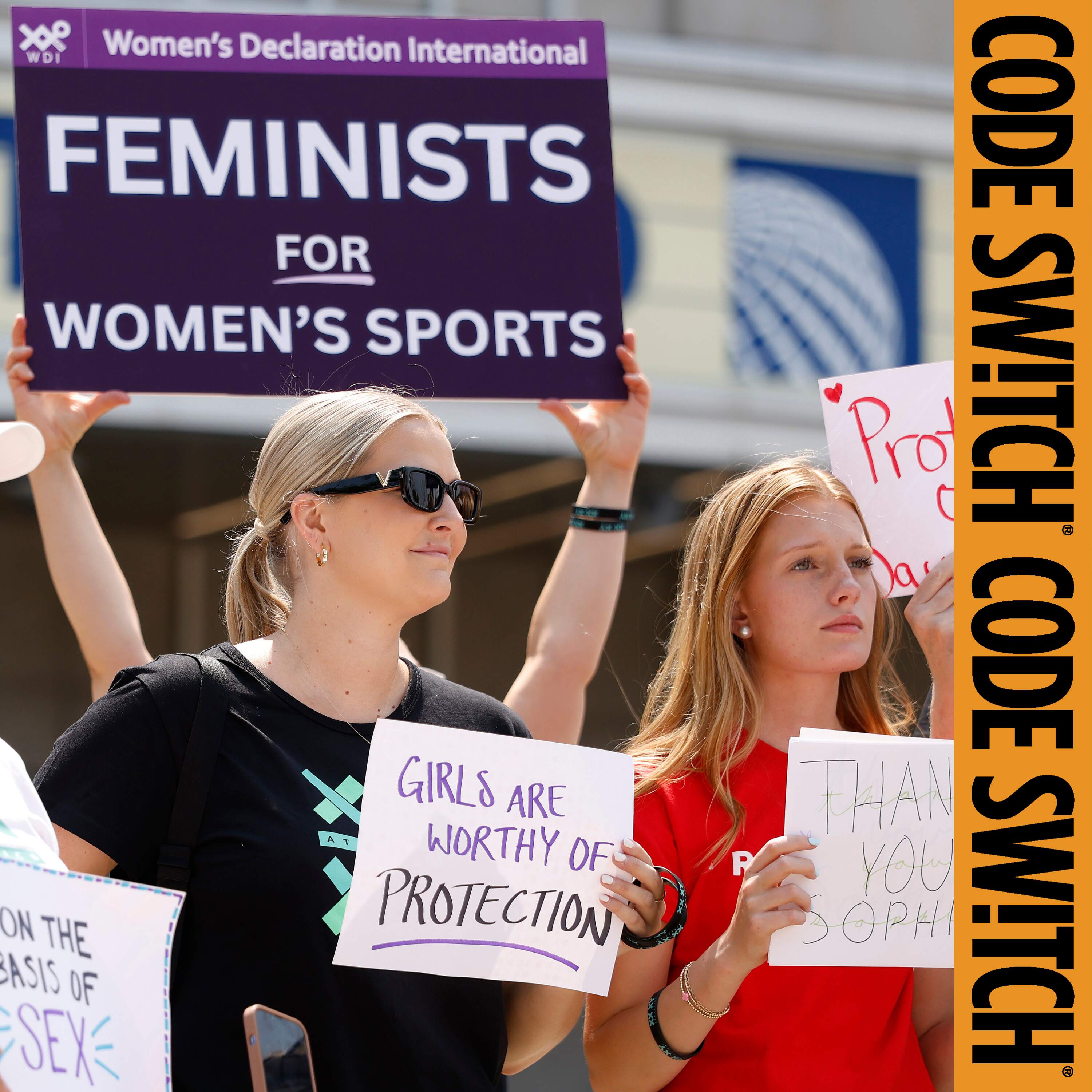
Why can’t people be normal about the WNBA?
The WNBA is more popular than ever, but the growth has come with a lot of unwanted attention, like protests at games and death threats directed towards players. This week, we talk with independent journalist Frankie de la Cretaz about what brought all of this hate into the league, and NPR’s domestic extremism correspondent, Odette Yousef, about the ways the league is responding.<br/><br/>Support public media with NPR+ and enjoy perks for over 25 podcasts like this one. This show’s perks include sponsor-free listening. Learn more at <a href="http://plus.npr.org/"target="_blank" >plus.npr.org</a>.<br/><br/>See <a href="https://pcm.adswizz.com">pcm.adswizz.com</a> for information about our collection and use of personal data for sponsorship and to manage your podcast sponsorship preferences.<br/><br/><a href="https://www.npr.org/about-npr/179878450/privacy-policy">NPR Privacy Policy</a>
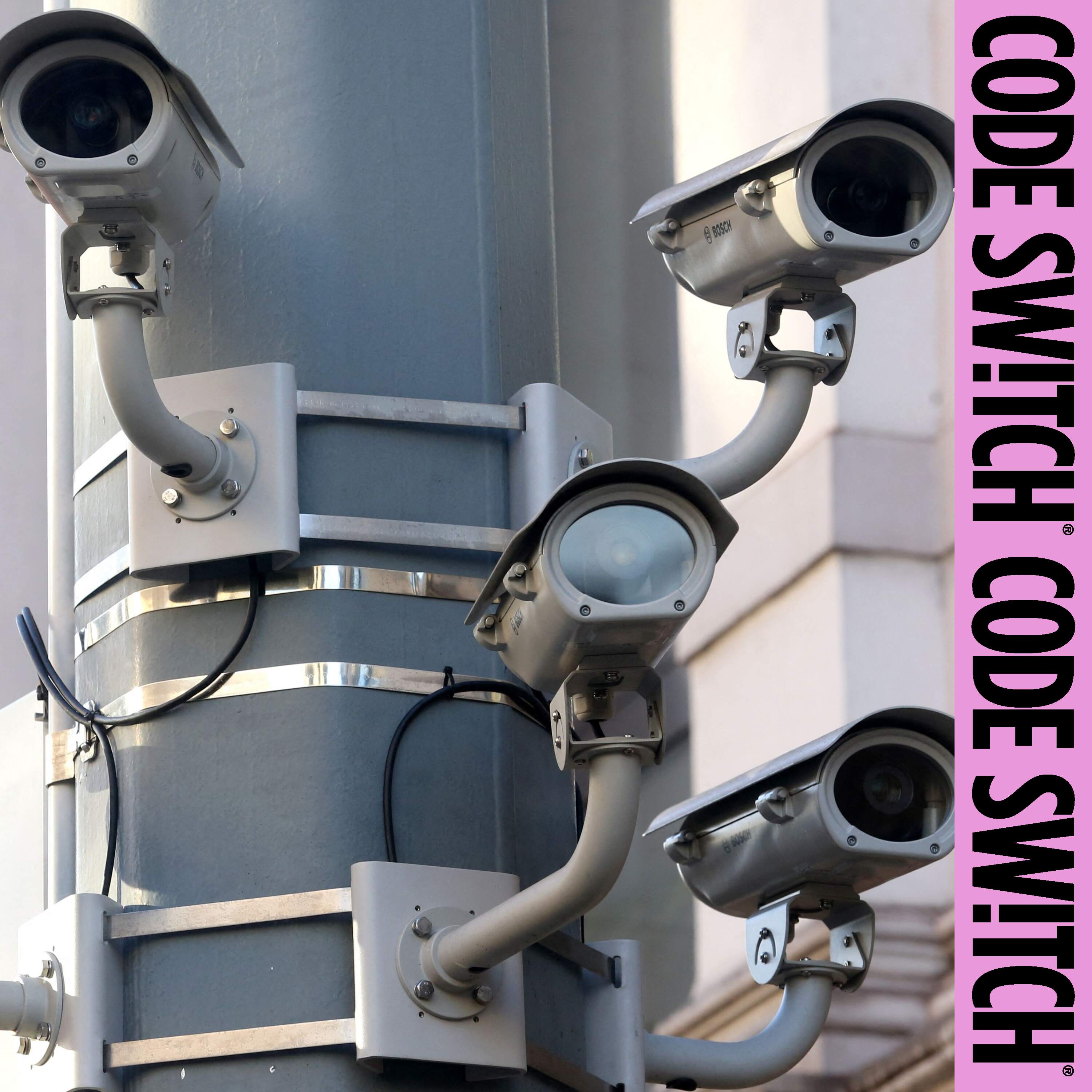
Why we’re all being watched
There’s a growing backlash to the surveillance systems that have quietly wired themselves into American neighborhoods, with concern growing among people who have never felt watched this way before. Gene talks with historian Matthew Guariglia about how the surveillance state got built, who it was built on first, and why opposing it now unites so many factions.<br/><br/>Support public media with NPR+ and enjoy perks for over 25 podcasts like this one. This show’s perks include sponsor-free listening. Learn more at <a href="http://plus.npr.org/"target="_blank" >plus.npr.org</a>.<br/><br/>See <a href="https://pcm.adswizz.com">pcm.adswizz.com</a> for information about our collection and use of personal data for sponsorship and to manage your podcast sponsorship preferences.<br/><br/><a href="https://www.npr.org/about-npr/179878450/privacy-policy">NPR Privacy Policy</a>
25 years after 9/11, our definition of terrorism continues to expand
In the 25 years since 9/11, we've seen the definition of terrorism expand. The Trump administration has called more and more groups “terrorists,” from “narco-terrorists” in Ecuador to people who protest ICE to the entire Democratic party. This week, our conversation with Saher Selod, an expert on the surveillance of Muslims, about the effects of the war on terror after 9/11, and historian Alex Lubin about how the word “terrorist” has been used to enact violence and surveillance.<br/><br/>Support public media with NPR+ and enjoy perks for over 25 podcasts like this one. This show’s perks include sponsor-free listening. Learn more at <a href="http://plus.npr.org/"target="_blank" >plus.npr.org</a>.<br/><br/>See <a href="https://pcm.adswizz.com">pcm.adswizz.com</a> for information about our collection and use of personal data for sponsorship and to manage your podcast sponsorship preferences.<br/><br/><a href="https://www.npr.org/about-npr/179878450/privacy-policy">NPR Privacy Policy</a>
We're Miseducated on Lauryn Hill
Lauryn Hill is a generational voice, a cultural lightning rod, and one of music’s biggest what-ifs. Our very own B.A. Parker joined the Big Lives podcast, hosted by Kai Wright and Emmanuel Dzotsi, to unpack the meteoric rise of the Fugees frontwoman and the intense pressures that pushed one of hip-hop and R&B’s brightest stars out of the spotlight.<br/><br/>Find Big Lives wherever you get your podcasts.<br/><br/>Support public media with NPR+ and enjoy perks for over 25 podcasts like this one. This show’s perks include sponsor-free listening. Learn more at <a href="http://plus.npr.org/"target="_blank" >plus.npr.org</a>.<br/><br/>See <a href="https://pcm.adswizz.com">pcm.adswizz.com</a> for information about our collection and use of personal data for sponsorship and to manage your podcast sponsorship preferences.<br/><br/><a href="https://www.npr.org/about-npr/179878450/privacy-policy">NPR Privacy Policy</a>
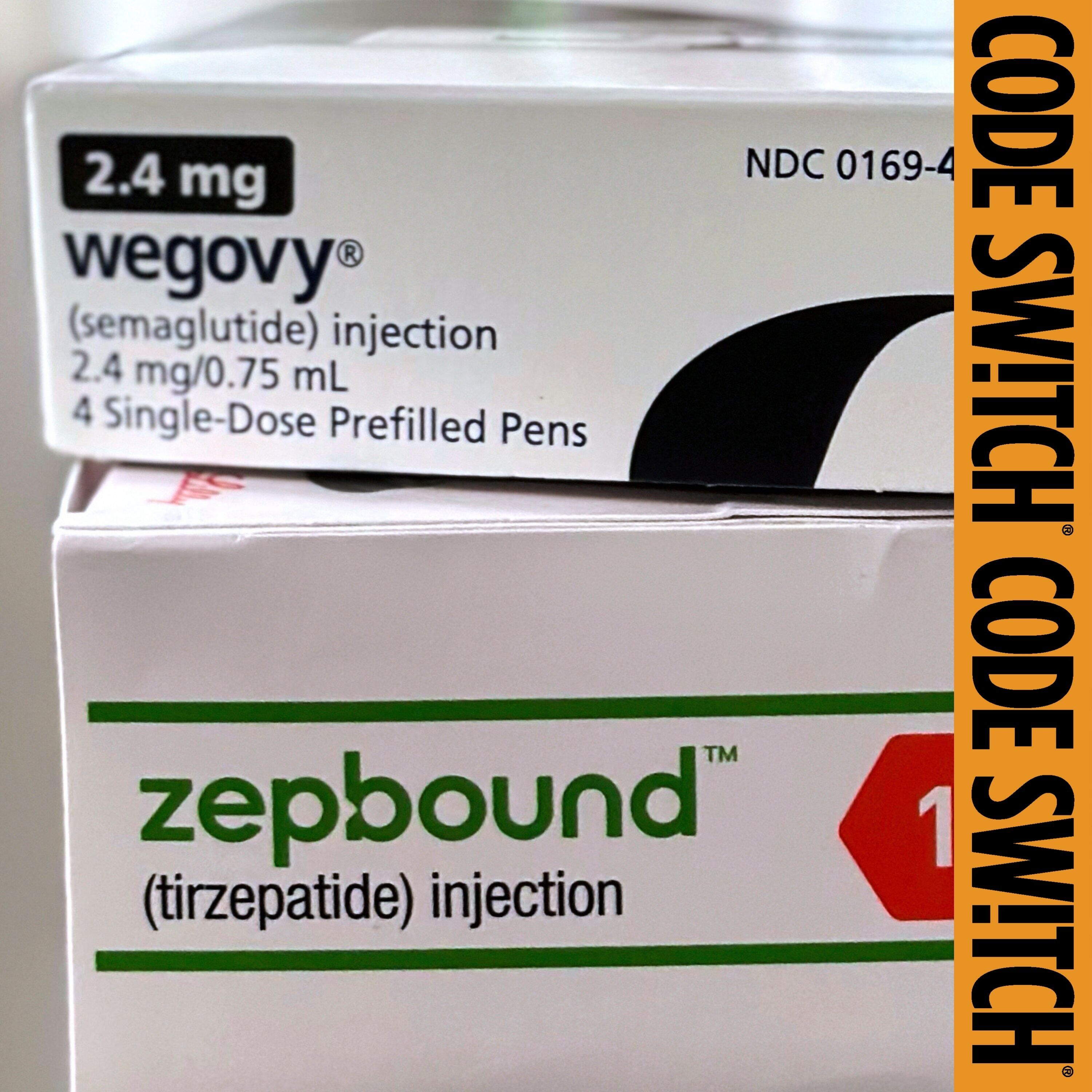
Freedom from fatness: Why GLP-1s go after Black bodies
Ads for GLP-1s are everywhere. This week, we dig into why so many of those ads seem to feature Black women with Sabrina Strings, author of “Fearing the Black Body” a book about the racial origins of fatphobia. We get into the toxic comment culture around everyone from Lizzo to Ariana Grande, and how the origins of body shaming have all led us to this post-body positive moment. <br/><br/>Support public media with NPR+ and enjoy perks for over 25 podcasts like this one. This show’s perks include sponsor-free listening. Learn more at <a href="http://plus.npr.org/"target="_blank" >plus.npr.org</a>.<br><br/><br/>See <a href="https://pcm.adswizz.com">pcm.adswizz.com</a> for information about our collection and use of personal data for sponsorship and to manage your podcast sponsorship preferences.<br/><br/><a href="https://www.npr.org/about-npr/179878450/privacy-policy">NPR Privacy Policy</a>
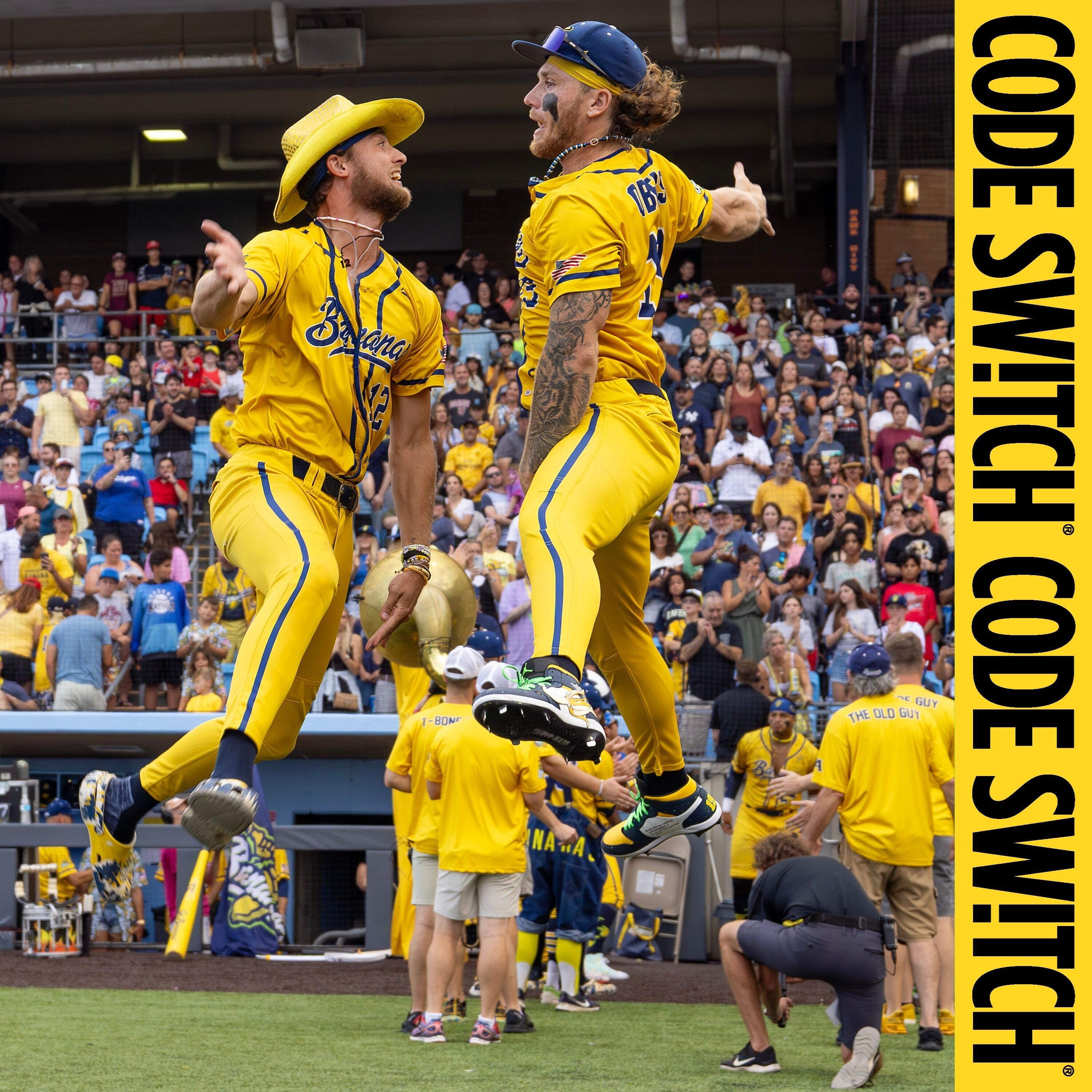
Banana Ball's racial minstrelsy past
Banana Ball is a barnstorming baseball league revived by the tremendously popular Savannah Bananas, a team with millions of followers on TikTok and Instagram — known as much for their dance routines and shenanigans as their actual baseball. Recently the league resurrected the Indianapolis Clowns, a Negro League team with a contentious history of racial minstrelsy. We talk with journalist Josh Levin, who followed the Clowns through their Banana Ball debut.<br/><br/>Support public media with NPR+ and enjoy perks for over 25 podcasts like this one. This show’s perks include sponsor-free listening. Learn more at <a href="http://plus.npr.org/"target="_blank" >plus.npr.org</a>.<br/><br/>See <a href="https://pcm.adswizz.com">pcm.adswizz.com</a> for information about our collection and use of personal data for sponsorship and to manage your podcast sponsorship preferences.<br/><br/><a href="https://www.npr.org/about-npr/179878450/privacy-policy">NPR Privacy Policy</a>
Unpacking estrangement: Who goes No Contact?
Is there a family estrangement epidemic? This week, we dig into what’s behind the no-contact movement with sociologist Rin Reczek, author of the new book, “Families We Lose.” Rin walks us through who gets cut off, why the numbers look so different for Black mothers and Black fathers, and how we can start rethinking what family means.<br/><br/>Support public media with NPR+ and enjoy perks for over 25 podcasts like this one. This show’s perks include sponsor-free listening. Learn more at <a href="http://plus.npr.org/"target="_blank" >plus.npr.org</a>.<br/><br/>See <a href="https://pcm.adswizz.com">pcm.adswizz.com</a> for information about our collection and use of personal data for sponsorship and to manage your podcast sponsorship preferences.<br/><br/><a href="https://www.npr.org/about-npr/179878450/privacy-policy">NPR Privacy Policy</a>

Our Ancestors Were Messy: a Black history comedy show
In 1775, half a million enslaved people had to pick a side in a war between two groups of white men who both claimed to want freedom. In this live episode of <em>Our Ancestors Were Messy</em>, friend of the show, Nichole Hill takes B.A. Parker and Gene Demby through the choices one man made – from a South Carolina plantation, to the British lines, to Nova Scotia, to Sierra Leone. It's a choose-your-own-adventure through history where there are no great options.<br/><br/>Support public media with NPR+ and enjoy perks for over 25 podcasts like this one. This show’s perks include sponsor-free listening. Learn more at <a href="http://plus.npr.org/"target="_blank" >plus.npr.org</a>.<br/><br/>See <a href="https://pcm.adswizz.com">pcm.adswizz.com</a> for information about our collection and use of personal data for sponsorship and to manage your podcast sponsorship preferences.<br/><br/><a href="https://www.npr.org/about-npr/179878450/privacy-policy">NPR Privacy Policy</a>

Trump is demanding English — while defunding ESL
Last year President Trump made English the official language of the United States. Then his administration moved to zero out the federal money that teaches it. But even fully funded, those programs reached fewer than five-percent of the 25 million adults in this country still learning English. Code Switch producer Xavier Lopez watched his own parents struggle to learn the language when he immigrated here as a kid. Now, Xavier reports on how adult English language classes are about much more than learning the English.<br/><br/>Support public media with NPR+ and enjoy perks for over 25 podcasts like this one. This show’s perks include sponsor-free listening. Learn more at <a href="http://plus.npr.org/"target="_blank" >plus.npr.org</a>.<br/><br/>See <a href="https://pcm.adswizz.com">pcm.adswizz.com</a> for information about our collection and use of personal data for sponsorship and to manage your podcast sponsorship preferences.<br/><br/><a href="https://www.npr.org/about-npr/179878450/privacy-policy">NPR Privacy Policy</a>

Jay-Z has F-you money. Is he saying it to the wrong people?
Jay-Z says he's a business, man. He sold out Yankee Stadium for three nights, and used the stage to answer everyone calling him a sellout. The billionaire released the 30th-anniversary edition of his debut album about hustling his way to independence as a Target exclusive in the middle of a boycott many Black organizers say never ended. We dig into how this is what Jay-Z has been selling his whole career -- it’s how Black excellence and Black capitalism get fed to us as the same thing.<br/><br/>Support public media with NPR+ and enjoy perks for over 25 podcasts like this one. This show’s perks include sponsor-free listening. Learn more at <a href="http://plus.npr.org/"target="_blank" >plus.npr.org</a>.<br/><br/>See <a href="https://pcm.adswizz.com">pcm.adswizz.com</a> for information about our collection and use of personal data for sponsorship and to manage your podcast sponsorship preferences.<br/><br/><a href="https://www.npr.org/about-npr/179878450/privacy-policy">NPR Privacy Policy</a>

How farm work became the exception to Trump's border crackdown
The Trump administration has been closing off nearly every pathway into the U.S. — except one. The H-2A visa is for the seasonal workers who pick the fruits and vegetables in your grocery store, and it’s the only federal visa program still growing: up 500% since 2012, even though pretty much everyone hates it. NPR’s Ximena Bustillo traces how the history of agricultural labor created this problematic program we can’t live without.<br>Support public media with NPR+ and enjoy perks for over 25 podcasts like this one. This show’s perks include sponsor-free listening. Learn more at <a href="http://plus.npr.org/"target="_blank" >plus.npr.org</a>.<br/><br/>See <a href="https://pcm.adswizz.com">pcm.adswizz.com</a> for information about our collection and use of personal data for sponsorship and to manage your podcast sponsorship preferences.<br/><br/><a href="https://www.npr.org/about-npr/179878450/privacy-policy">NPR Privacy Policy</a>

The case of a Black teen, killed after joining a protest movement
Sixteen-year-old Antonio Mays Jr. traveled a thousand miles to join the racial justice movement that erupted after George Floyd's killing. Less than a week after he arrived in Seattle in the summer of 2020 — landing in the middle of the Capitol Hill Occupied Protest, known as CHOP — he was shot and killed. The case remains unsolved.<br>This week we're bringing you the first episode in an eight-part series from Sydney Brownstone of The Seattle Times and Will James of KUOW, investigating Antonio's death — tracking down key eyewitnesses and surfacing evidence that's never been made public.<br/><br/><a href="https://lnk.to/EQmZbgNW"target="_blank" >Listen to the second episode of "We Keep Us Safe" from Embedded now.</a><br/><br/>Support public media with NPR+ and enjoy perks for over 25 podcasts like this one. This show’s perks include sponsor-free listening. Learn more at <a href="http://plus.npr.org/"target="_blank" >plus.npr.org</a>.<br/><br/>See <a href="https://pcm.adswizz.com">pcm.adswizz.com</a> for information about our collection and use of personal data for sponsorship and to manage your podcast sponsorship preferences.<br/><br/><a href="https://www.npr.org/about-npr/179878450/privacy-policy">NPR Privacy Policy</a>
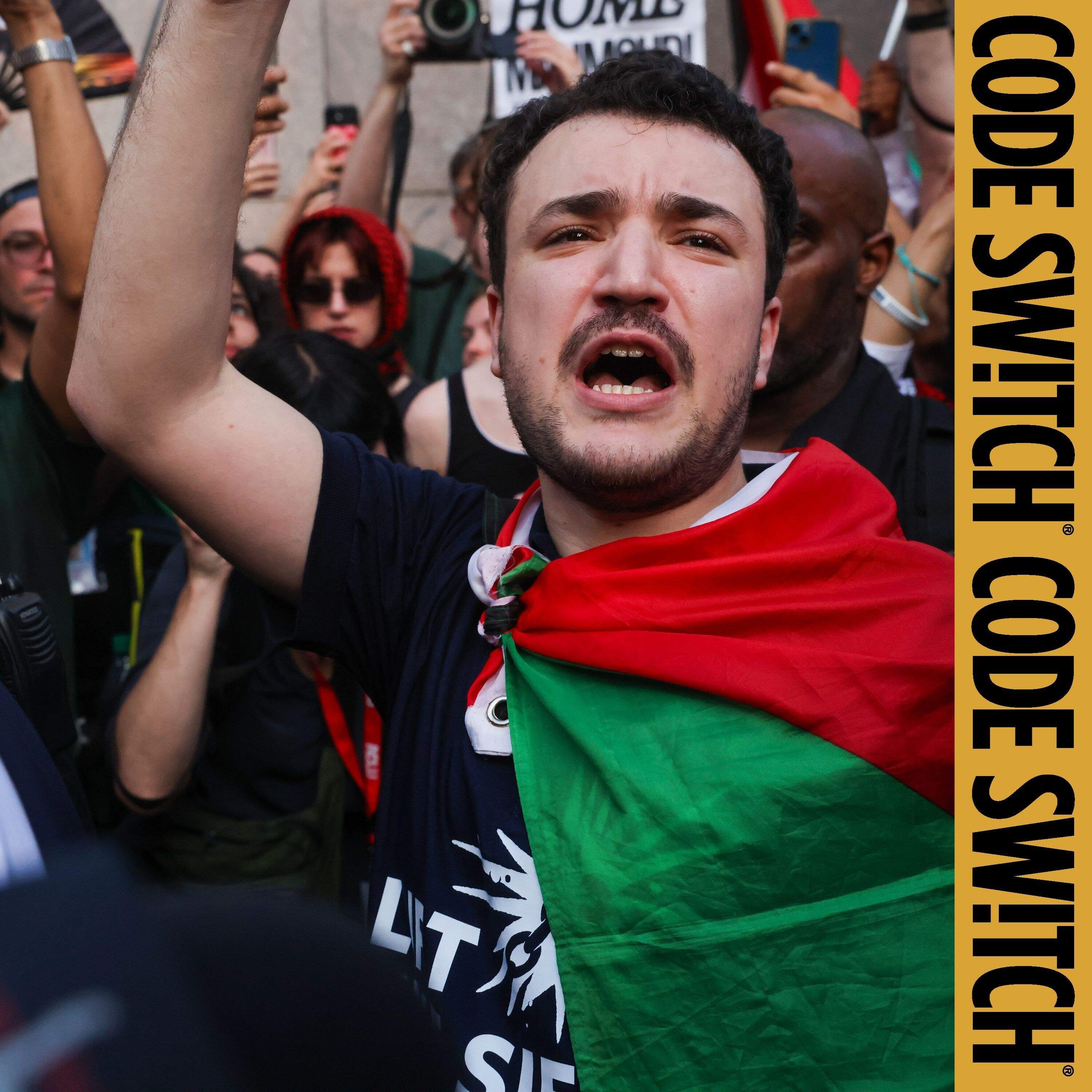
An anti-KKK law is being used to sue the Trump admin. Will it work?
Mahmoud Khalil is suing the Trump administration, alleging a "public-private conspiracy" to punish him for pro-Palestinian speech. The law he's using dates back to 1871 — it's called the Ku Klux Klan Act. It's the same statute civil rights attorney Randolph McLaughlin used in the 1980s when he become one of the first lawyers to successfully sue the Klan. McLaughlin walks us through how that Reconstruction-era law has been used against the KKK, Unite the Right, and maybe next against ICE.<br/><br/>Support public media with NPR+ and enjoy perks for over 25 podcasts like this one. This show’s perks include sponsor-free listening. Learn more at <a href="http://plus.npr.org/"target="_blank" >plus.npr.org</a>.<br/><br/>See <a href="https://pcm.adswizz.com">pcm.adswizz.com</a> for information about our collection and use of personal data for sponsorship and to manage your podcast sponsorship preferences.<br/><br/><a href="https://www.npr.org/about-npr/179878450/privacy-policy">NPR Privacy Policy</a>

Work does not deserve your full self
"Be vulnerable." "We love your authenticity." "Bring your full self to work." Sound familiar? In this episode, we talk to Jodi-Ann Burey, author of <em>Authentic: The of Bringing Your Full Self to Work,</em> about why you should absolutely NOT do those things at work -- especially if you're a Black woman.<br/><br/>See <a href="https://pcm.adswizz.com">pcm.adswizz.com</a> for information about our collection and use of personal data for sponsorship and to manage your podcast sponsorship preferences.<br/><br/><a href="https://www.npr.org/about-npr/179878450/privacy-policy">NPR Privacy Policy</a>
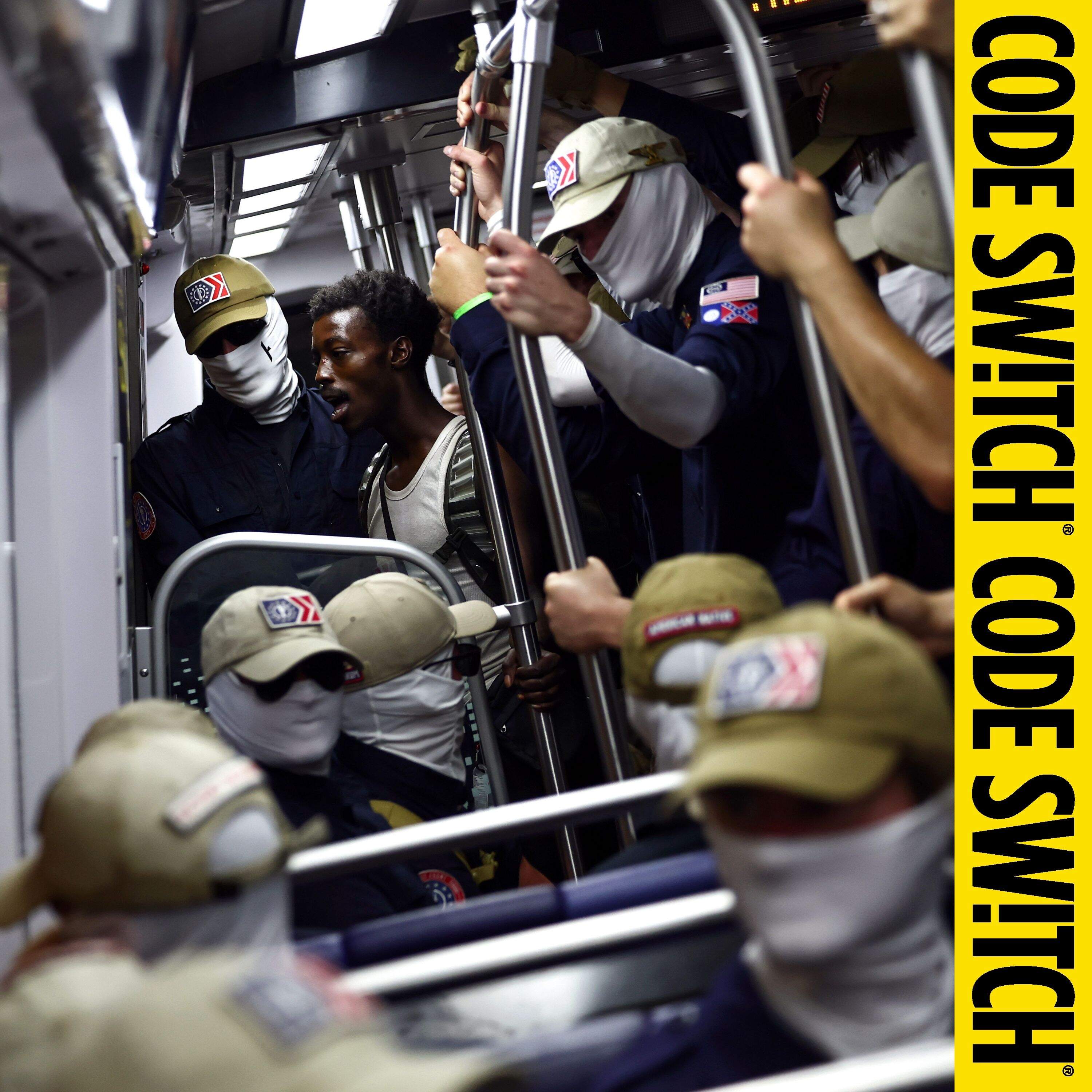
Inside the culty white supremacists the feds are ignoring
Patriot Front is a white nationalist group that focuses on high visibility stunts, like banner drops, disrupting events, or swarming Washington, DC for Independence Day. Meanwhile, the State Department has convened 60 nations against what it calls far-left terrorism. We talk to NPR’s Odette Yousef about who the guys in Patriot Front actually are, why their finances resemble a pyramid scheme selling stickers and stencils, and what it means that the federal government is aiming its counterterrorism attention in a very different direction.<br/><br/>See <a href="https://pcm.adswizz.com">pcm.adswizz.com</a> for information about our collection and use of personal data for sponsorship and to manage your podcast sponsorship preferences.<br/><br/><a href="https://www.npr.org/about-npr/179878450/privacy-policy">NPR Privacy Policy</a>

How the potato became an insult
The potato may be one of the world's most beloved foods but it's also an insult. In Colombia, speaking with "una papa en la boca" means you mumble — or that you're too posh. Producer Christina Cala follows the potato from Bad Bunny to the Andes to her own mother's kitchen, and finds that potato jokes are often about whose heritage gets celebrated and who gets treated like they're worth understanding.<br/><br/>See <a href="https://pcm.adswizz.com">pcm.adswizz.com</a> for information about our collection and use of personal data for sponsorship and to manage your podcast sponsorship preferences.<br/><br/><a href="https://www.npr.org/about-npr/179878450/privacy-policy">NPR Privacy Policy</a>
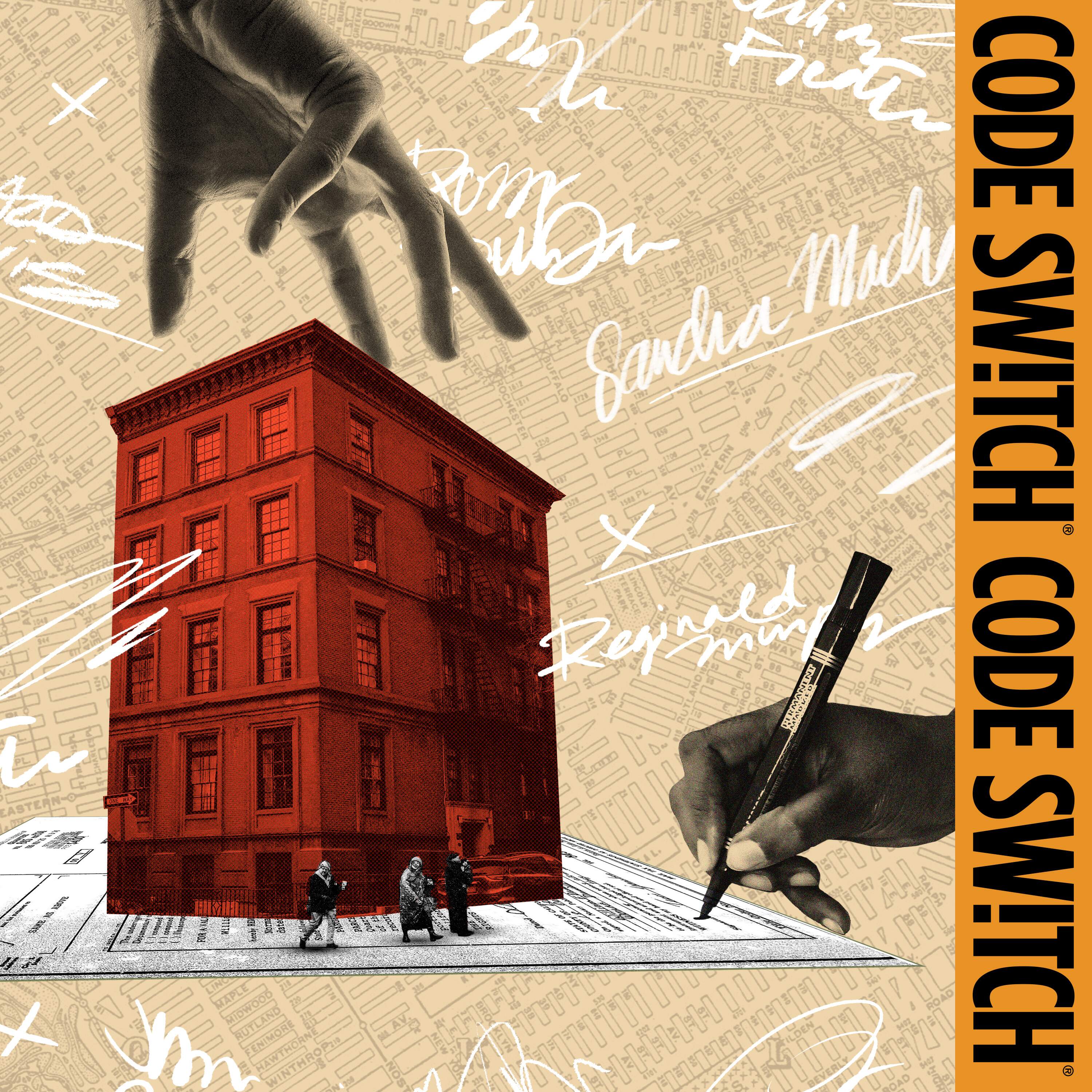
With 'deed theft' scammers are targeting Black homeowners
Longtime homeowners — often Black seniors — are being tricked into signing away the deeds to their own homes, then getting evicted from them. It's called deed theft, and it's rampant in gentrifying neighborhoods like Bed Stuy, where brownstones that redlining once made cheap now sell for millions. New York City Councilmember Chi Ossé and WNYC/Gothamist reporter David Brand explain how the scam works, why it targets Black homeowners, and why it's so hard to stop.<br/><br/>See <a href="https://pcm.adswizz.com">pcm.adswizz.com</a> for information about our collection and use of personal data for sponsorship and to manage your podcast sponsorship preferences.<br/><br/><a href="https://www.npr.org/about-npr/179878450/privacy-policy">NPR Privacy Policy</a>