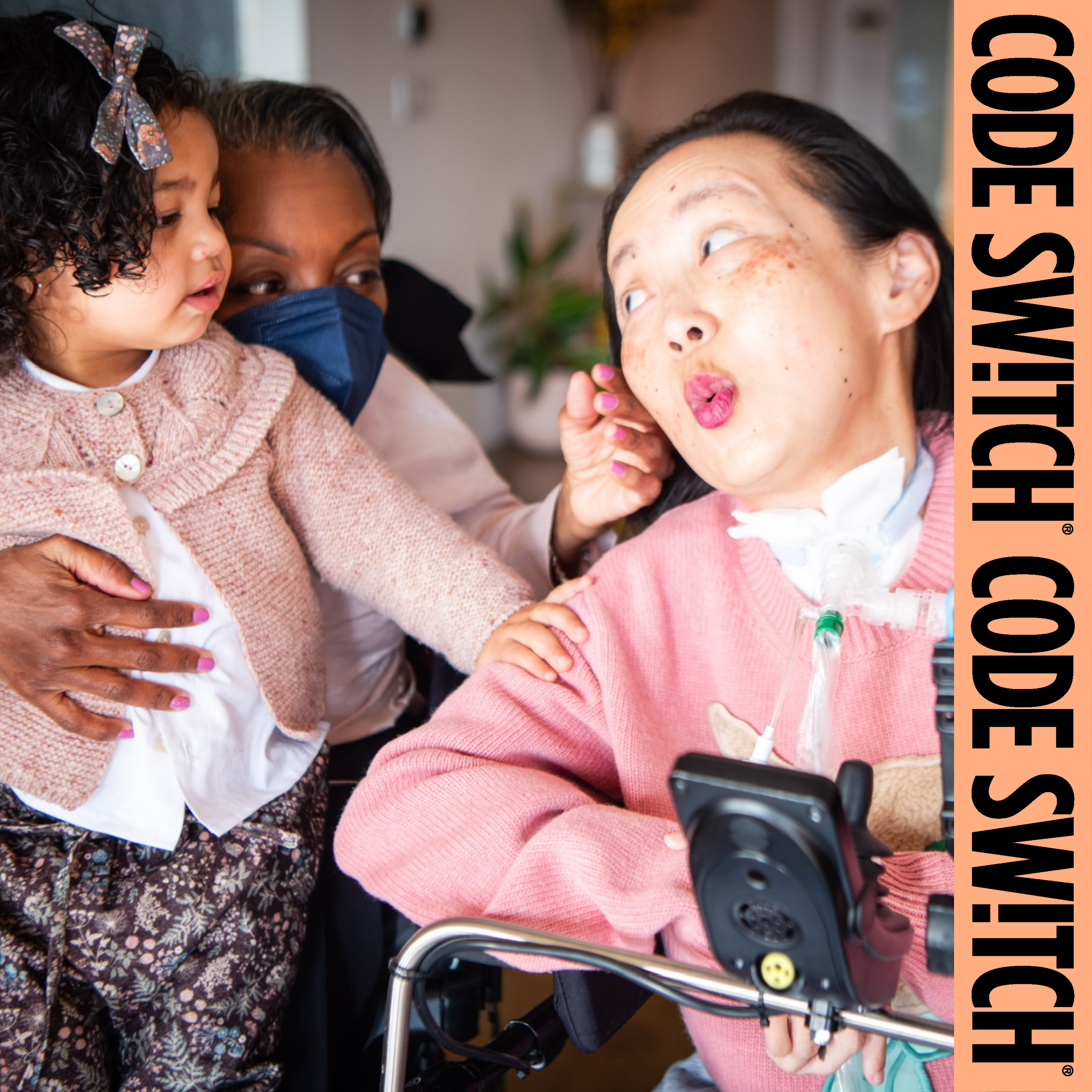
Overview of Remembering disability activist Alice Wong (NPR Code Switch)
This Code Switch episode reflects on the life, work, and legacy of disability activist and author Alice Wong, who died on November 14 at 51. Through a conversation with NPR correspondent Alyssa Naderwicz (Alyssa Nadwarni in the transcript) and Wong’s close friend and fellow organizer Yomi Young, the episode highlights Wong’s organizing, storytelling, policy work, and the intimate, everyday ways she cared for community.
Key points and main takeaways
- Alice Wong was a major figure in disability advocacy: founder of the Disability Visibility Project, a StoryCorps partner, and a 2023 MacArthur “Genius” Fellow.
- She used technology and social media strategically to build community, document first-person disabled histories, and connect lived experience to policy change.
- Wong linked disability justice to broader struggles—most notably speaking out about Palestine and organizing to maintain digital access—demonstrating an intersectional politics that sometimes drew intense public pushback.
- Her policy work included service on the National Council on Disability (2013–2015) and public advocacy around access to Medicare and other safety-net programs. She feared threats to Medicare and highlighted the stakes for millions of chronically ill people.
- Beyond public accomplishments, friends remember her for warmth and care: throwing elegant parties, sending care packages, baking brownies, signature red lipstick, and close personal relationships (e.g., she was godmother to Yomi Young’s daughter).
- Wong planned for the end of life (wrote her own death announcement) and emphasized collective memory and intergenerational connection—what she called “a web of connective tissue.”
Notable quotes and insights
- From Wong’s memoir Year of the Tiger (quoted in the episode): “The real gift any person can give is a web of connective tissue. If we love fiercely, our ancestors live among and speak to us through these incandescent filaments, glowing from the warmth of memories.”
- Yomi Young’s summary of Wong’s parting message: “Don’t let the bastards grind you down.” (Wong included this in her death announcement.)
- Key insight: Storytelling and archive-building (Disability Visibility Project, StoryCorps partnerships) are central to disability power-building and representation.
Topics discussed
- Wong’s biography and accomplishments (Disability Visibility Project, MacArthur Fellowship, StoryCorps partnership, National Council on Disability).
- Her writing: memoir Year of the Tiger and a food-focused series (“Low and Slow”) for Eater.
- Use of technology and social media for advocacy and community-building.
- Intersectionality: linking disability justice to racial and geopolitical struggles, including outspoken solidarity with Palestinians.
- Personal remembrances illustrating Wong’s warmth, social life, and attention to friends/family.
- How to honor her legacy: sharing stories, organizing, participating in disability justice movements.
Starter kit / where to begin learning about Alice Wong
- Read Year of the Tiger (memoir) for personal history and voice.
- Explore the Disability Visibility Project archives (oral histories, essays).
- Follow Alice Wong’s social media accounts and look for archived posts/interviews.
- Read her “Low and Slow” pieces on Eater to see her food writing and personality.
- Listen to or read the Here & Now / Code Switch segments that memorialize her.
How to honor her work (recommended actions)
- Share and amplify first-person disabled stories and community archives.
- Get involved with disability justice organizations and campaigns; support policy protections like Medicare and accessible public services.
- Use technology thoughtfully to build inclusive communities and ensure digital access for vulnerable populations.
- Continue intersectional advocacy—recognize disability as linked to other systems of oppression and act accordingly.
- Practice the care and generosity Wong modeled: mutual aid, small acts of care, and creating connective tissue in your communities.
Production notes
- This Code Switch episode revisits an interview that also aired on WBUR’s Here & Now.
- The segment features reporting and interviews by Alyssa Nadwarni (Alyssa Naderwicz in the transcript) and Yomi Young; production credits include Ashley Locke, Mark Navin, Xavier Lopez, Janet Ujung Lee, and others.
Why this matters
Alice Wong combined lived experience, cultural work, policy savvy, and personal generosity to expand how disability is represented and organized around. Remembering her highlights both concrete policy stakes (healthcare, digital access) and the cultural/relational work—storytelling, care, and community-building—that sustains movements.