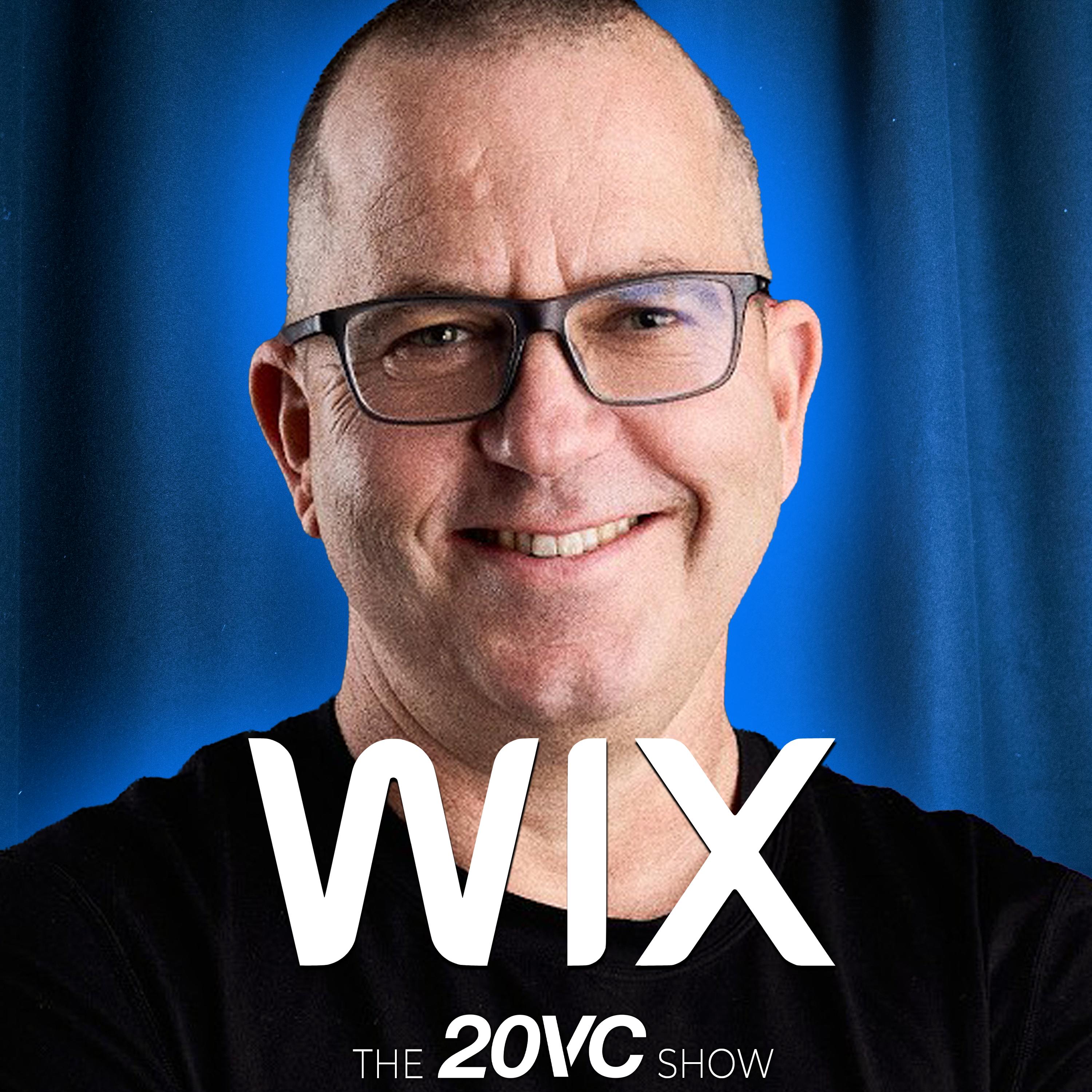
Overview of 20Growth: How Wix Built a $100M Marketing Machine (with Omer Shai, CMO @ Wix)
This episode features Omer (Oma) Shai, longtime CMO of Wix, on building and operating a ~$100M+ marketing engine, why he rejects traditional LTV and instead optimizes Time-to-Return-On-Investment (TROI), how he splits acquisition vs. brand, and how AI and channel diversification shape modern growth. The conversation covers practical measurement, channel playbooks, hiring, storytelling, Super Bowl strategy, and specific wins/fails from 18 years of running growth at scale.
Key takeaways
- Omer does not use lifetime value (LTV). He optimizes Time-to-Return-On-Investment (TROI) — short cohorts (1, 7, 14, 28 days) to measure payback velocity.
- A company can tolerate longer TROI (e.g., ~11–12 months) if retention and upsell justify it — that effectively unlocks "unlimited" sustainable marketing budget.
- Brand is the single most underappreciated/most efficient growth channel at scale. Omer ranks brand ahead of other channels for Wix.
- Diversify channels: when you run 10 initiatives, expect ~3 to be great, ~3 okay, ~4 to fail. Do both — 10x winners while continuously testing new channels.
- AI dramatically shortens ideation→execution→test cycles (from months to days/hours). Hire “AI-first” talent who can move fast.
- SEO investment has gone up (not down) in the age of AI; plan for both traditional search and LLM/AI ranking visibility.
- Product-first storytelling: don’t shy from putting product front-and-center — be pragmatic about what your brand needs vs. emulating Apple-level why-driven storytelling.
- Practical caution on celebrity endorsements and expensive production choices — they often underdeliver (example: $0.5M voiceover regret).
Notable quotes
- “Marketing is investment.”
- “I never used lifetime value. I use TROI.”
- “When you are doing 10 things, you can be amazingly well in three things. Another three are going to be okay. And in four, you’re going to fail.”
- “Put the product in the center.”
- “I’m investing our money — I’m not spending it.”
Topics discussed
Super Bowl & brand strategy
- Wix is running another Super Bowl spot (their 6th); Base 44 will also have a Super Bowl spot — rapid, aggressive investment after Base acquisition.
- Super Bowl’s value: rare day when audiences focus on commercials; it can be treated as brand + direct response with product-centric creative.
- Buying a Super Bowl slot requires airtime cost plus committed ad spend on the network (co-spend obligation). Omer referenced an earlier $4.8M buy.
Measurement: TROI vs LTV
- TROI = Time to Return on Investment; Omer favors short, fast cohorts (1 / 7 / 14 / 28 days) to move quickly.
- He measures TROI per traffic source and blended; sets a company comfort target TROI (e.g., ~11 months) to guide budget allocation.
- If TROI target is met, you can scale aggressively; if a source doesn’t bring relevant users, you stop.
Channel strategy & diversification
- Use a portfolio approach: double down 10x on what works, but keep testing new channels (don’t just go all-in on one).
- Best channels for Wix: brand-led traffic is most efficient; search is highly measurable and performance-oriented.
- Channels underperforming or tricky: TikTok (not cracked yet), sports endorsements (mixed results), LinkedIn (big potential but targeting needs improvement).
- SEO/AI: investment in SEO increased; also invest to show up in AI/LLM results (e.g., being relevant in ChatGPT / LLM answers).
Team, hiring & culture
- Hire passion and product focus over polished marketing resumes. Omer prefers AI-first young talent who are teachable about marketing.
- Treat marketing as a product-aligned function — marketers should be listeners and product advocates, not an isolated creative silo.
- Organize by skill and function, with centralized traffic buying for performance channels and specialized teams for community/SEO.
AI’s impact on creative & execution
- AI compresses ideation-to-execution time drastically — enables fast A/B testing cycles and faster iteration.
- A-players will be those who can combine AI tools with rapid testing and measurement.
- Concern for broader labor shifts — encourages people to "think differently" and become AI-first.
Storytelling & creative
- Omer advocates putting product at the center; avoid forcing a grand “why” narrative unless you’re at an Apple-like scale.
- Keep messaging simple and relevant — KISS approach that matches company scale and user needs.
- Examples: product-centered spots (e.g., bakery ad) have delivered strong results.
Actionable recommendations (for founders and growth leads)
- Replace or supplement LTV with TROI: set a payback target (months) and measure TROI per acquisition source.
- Build a portfolio of channels: 10 experiments, expect 3 big winners — double down on winners while continuously testing new channels.
- Measure short-term cohorts (1/7/14/28 days) to accelerate decision cycles and optimize quickly.
- Invest in SEO and AI search presence — treat LLM ranking as part of your SEO roadmap.
- Hire AI-first junior talent: passion and AI fluency > marketing pedigree; train them in marketing fundamentals.
- Put product front-and-center in creative unless you truly have Apple-level brand ambition and resources.
- Avoid expensive celebrity/vanity spends unless you can directly tie them to measurable TROI; test and validate incrementally.
Concrete metrics & examples from the episode
- Wix marketing budget / scale: running a >$100M marketing engine (Omer referenced “effective marketing run rate above 100”).
- First Super Bowl slot Omer referenced: ~$4.8M (plus network co-spend requirement).
- Regretted expense: $500k paid for a celebrity voiceover — called it a “stupid idea.”
Wins & fails Omer called out
- Wins: sustained brand campaigns, product-centric Super Bowl/TV work, search performance tests that prompted rapid strategy change.
- Fails / underperformers: TikTok (not cracked yet), some sports endorsements and celebrity payments that were overvalued, a public NYC “pr stunt” that flopped.
- Learning: be ready to pivot quickly when data contradicts beliefs.
Final practical checklist (fast)
- Set a company TROI target (months).
- Instrument TROI per traffic source and by cohort.
- Run 10 experiments; expect 3 big wins — scale winners 10x.
- Continue SEO + AI search investment.
- Hire AI-first junior marketers; teach marketing, not passion.
- Center product in your ads; measure relevance and incoming traffic quality.
- Avoid large untested celebrity spends; prefer measurable, testable activations.
This episode is a rich primer on running growth at enterprise scale while remaining experimental, product-focused, and measurement-driven — especially relevant for CMOs, growth leads, and founders scaling paid and brand investments.