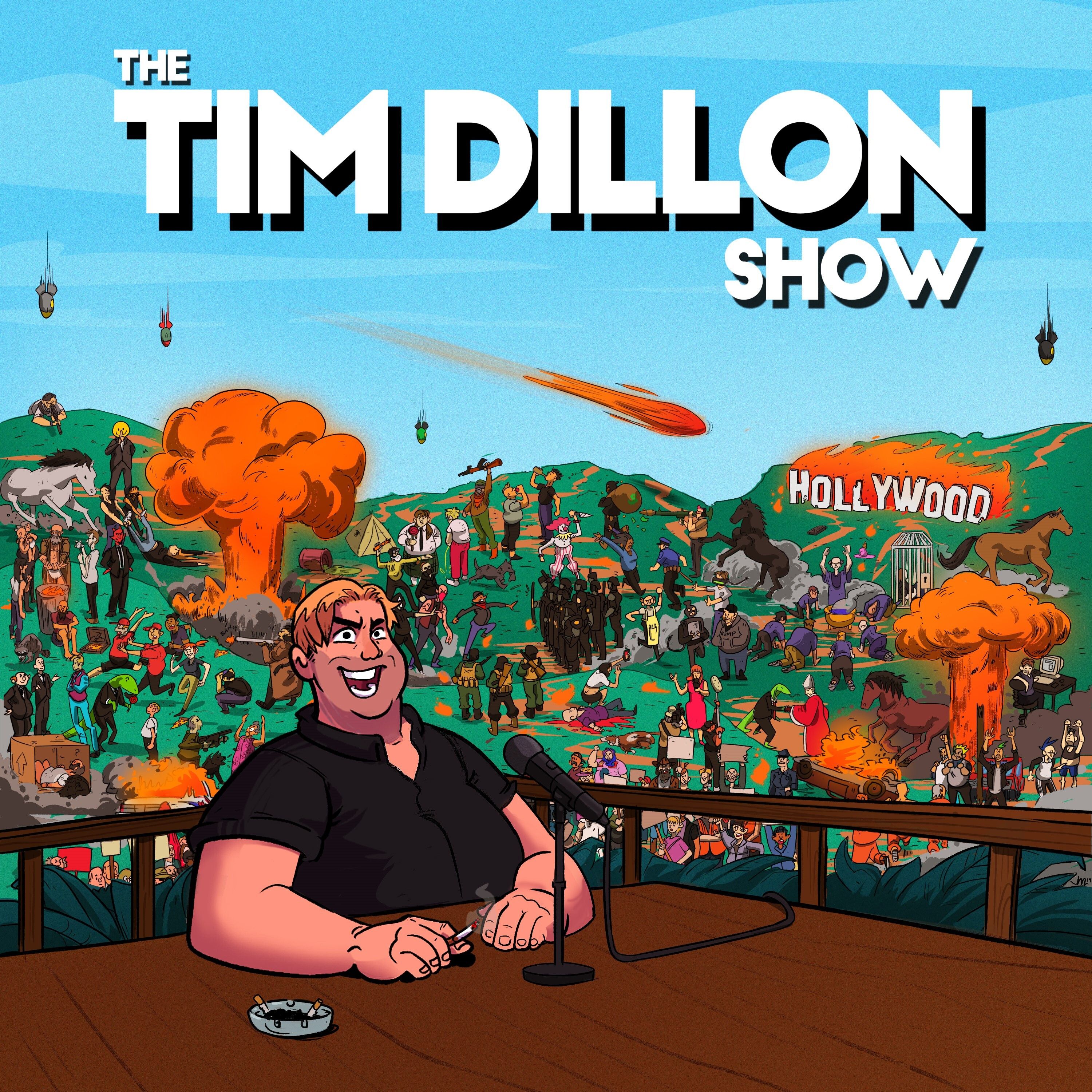
Overview of The Tim Dillon Show #520: Midterm Reaction
In this episode, Tim Dillon delivers a comic, highly cynical breakdown of the midterm elections, using the results as a springboard to attack both major parties, Trump’s coalition, tech billionaires, the Israel/Gaza conflict, and the broader state of American politics. The running theme is that voters care most about affordability and stability, while politicians keep selling culture-war outrage, grift, and theatrical promises.
Main Themes
Economics beat culture-war messaging
Dillon argues that voters were ultimately driven more by the cost of groceries, housing, and family life than by Republican panic over trans issues or other social scares. His view is that when people are broke, they stop responding to ideology and start voting against whoever seems out of touch.
Republicans lost trust by overpromising
He says the GOP alienated its base by:
- promising transparency and then walking back commitments, especially around the Epstein files
- leaning too hard into fear-based rhetoric
- aligning too closely with elite interests and tech billionaires
- appearing to serve donors, war hawks, and Israel more than ordinary voters
Trump’s coalition looks increasingly transactional
Dillon frames Trump as a master of the pivot and the con: when things go well, he takes credit; when things go badly, he distances himself and shifts blame. He suggests Trump is now entering a phase of scapegoating staff, allies, and cabinet figures to protect himself.
War, Gaza, and Iran are political liabilities
He condemns the Gaza war as monstrous and says the Iran conflict was a disastrous and unpopular misadventure. His larger point is that many Americans no longer buy the old promise that military power is the one thing the country still does well.
Tech elites are the new political class
A major target is the alliance between Trump and Silicon Valley figures like Peter Thiel, Elon Musk, Zuckerberg, Bezos, Jensen Huang, and Sam Altman. Dillon portrays them as powerful, disliked, and detached from normal life, with data centers and surveillance-style politics replacing any real populism.
Key Points and Takeaways
- The election results, in Dillon’s framing, are a rejection of Republican overreach.
- Voters are fed up with expensive living and symbolic politics.
- The Trump era is now defined less by populism than by elite alignment, grift, and internal betrayal.
- The Israel/Gaza and Iran wars are presented as morally and politically disastrous.
- Tech billionaires have become central players in politics, and Dillon sees that as deeply corrosive.
- American politics is portrayed as tribal, vengeful, and increasingly disconnected from actual governance.
Notable Bits and Recurring Jokes
Satirical “midterm reaction” premise
Dillon exaggerates the election as a total Democratic sweep, including Texas turning blue, as part of his comic setup.
Grocery store / “imaginary children” bit
He repeatedly returns to the idea that people can’t afford families and imagines talking to children in the grocery store about not being able to buy expensive food.
“Data centers” as the new empty promise
He mocks the idea that voters were ever excited about data centers, suggesting they’re a symbol of tech-world policy detached from ordinary people’s needs.
Politics as a show
Dillon repeatedly says the whole thing is theater:
- Trump is a performer
- elections are story arcs
- people pivot after losses instead of admitting failure
- Americans want revenge more than policy
Closing Mood
The episode ends on a bleak but comedic note: Dillon suggests American politics is now mostly about hating the other side, wanting them punished, and pretending that is governance. Even so, he argues Trump thrives on conflict and may actually be energized by the chaos, because the fight itself is the product.