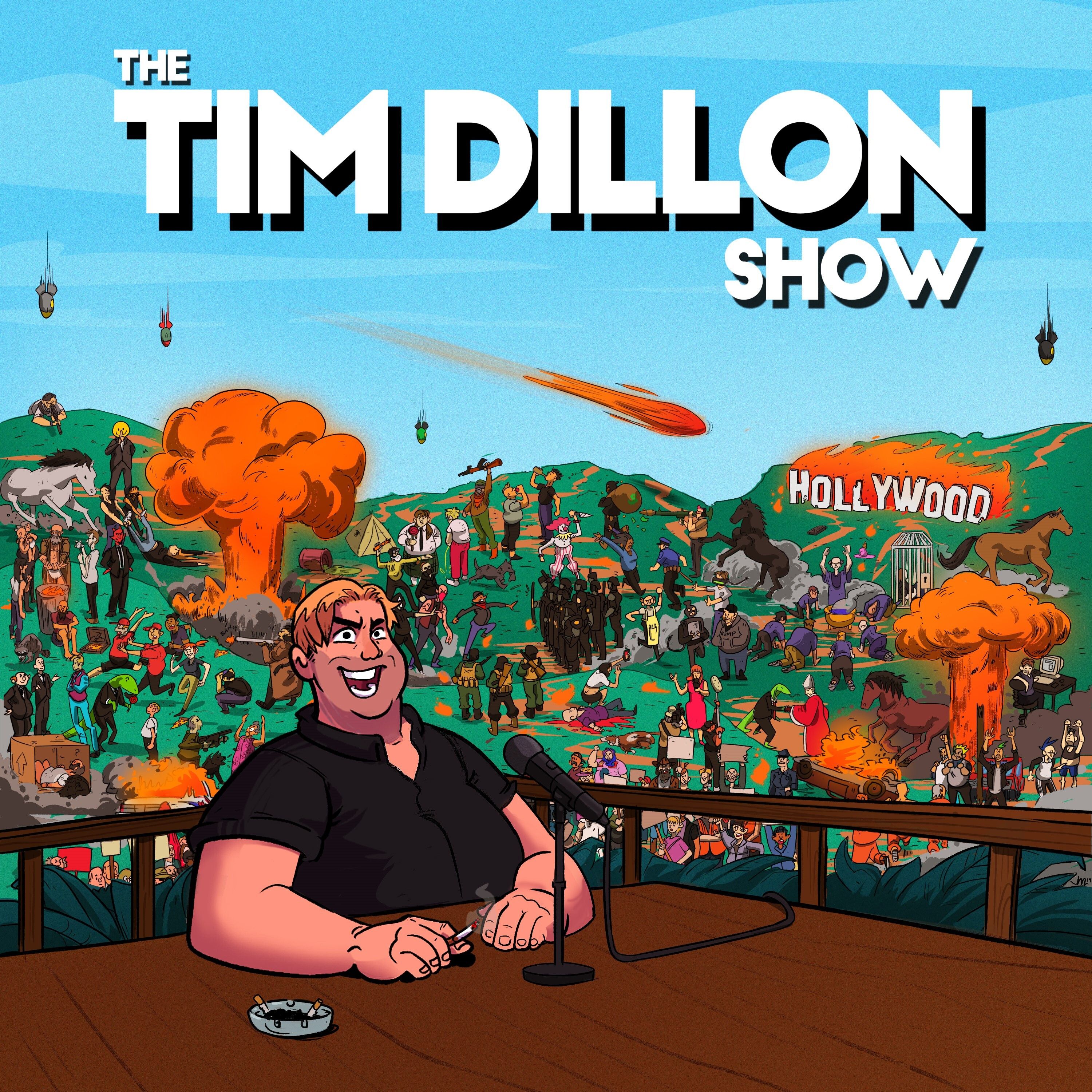
Overview of The Tim Dillon Show (Episode 516)
Tim Dillon delivers a fast-moving, highly satirical episode that jumps between conspiracy-tinged commentary, true-crime/legal chatter, politics, and celebrity scandal. The recurring throughline is distrust of institutions: he riffs on alleged bioweapon research, the Cornell fraternity assault case, Diddy’s prison situation, and geopolitical violence, often blending outrage with dark humor and absurdist speculation.
Main Topics Covered
Russian plague outbreak and bioweapons
- Dillon opens with the reported plague outbreak in Siberia, treating it as a potentially contained but ominous lab-related incident.
- He argues that governments should stop “resurrecting” old pathogens and focus on curing current diseases.
- He frames bioweapon research as reckless and unnecessary given modern military technology already capable of mass destruction.
- The segment leans heavily into his broader paranoia about governments, labs, and “false flags.”
Cornell fraternity assault case
- A major portion of the episode is devoted to the Cornell “Jane Doe” case and leaked texts/phone calls involving fraternity brothers.
- Dillon debates whether the incident was an assault, a chaotic group sexual encounter, or something in a gray area complicated by heavy intoxication.
- He repeatedly emphasizes that:
- the fraternity brothers behaved badly,
- alcohol and drugs can cloud memory,
- the texts/calls appear to complicate the cleanest version of the accusation.
- He criticizes frat culture as insulated and immature, while also questioning how the story has been framed and remembered.
- The discussion is graphic, offensive, and intentionally provocative, but the core takeaway is his belief that the texts suggest a messier case than a simple headline summary.
Diddy, Epstein parallels, and prison life
- Dillon compares Sean “Diddy” Combs to Jeffrey Epstein, arguing that both represent a larger pattern of powerful figures protected by systems around them.
- He speculates that Diddy’s prison conditions are unusually comfortable and that he may later be rebranded through PR after release.
- Dillon predicts the public will eventually forget or soften its view of the scandal unless it’s continually kept in the news.
- He argues that these cases become political theater while the broader network around them remains underexamined.
Israeli flight attack and security culture
- He discusses a reported attempted terror attack involving a flight from Dubai to Tel Aviv, praising the response of passengers and crew.
- Dillon uses the story to comment on Israel’s everyday security mindset, describing it as a society accustomed to threat and rapid response.
- He says that living in such an environment creates a population always ready for extreme scenarios, unlike Americans, whom he portrays as less prepared.
Trump, Iran, and political spectacle
- Dillon riffs on Trump’s comments about wartime sacrifice and possible attacks on U.S. cities as part of war messaging.
- He presents American politics as increasingly performative, with leaders and supporters behaving like they’re locked into a cult dynamic.
- He also comments on midterm odds, candidate aesthetics, and the way modern political media reduces everything to vibes, branding, and fantasy-like imagery.
Key Takeaways
- Institutional distrust is the episode’s backbone. Dillon assumes governments, media, universities, and elite social circles routinely cover for themselves.
- He sees scandals as narrative battles. In his view, public opinion is shaped less by truth than by whichever story gains traction first.
- The Cornell case is presented as morally ugly but factually messy. He treats the fraternity brothers’ behavior as reprehensible while questioning whether the most severe label fits the evidence in the way it’s been presented.
- Celebrity scandals get treated as systems, not just individuals. His Diddy/Epstein comparison is less about equivalence of details and more about power, protection, and controlled exposure.
- His politics are cynical and theatrical. He frames war, elections, and national security as media-managed spectacles rather than principled governance.
Tone and Style
- Darkly comic, confrontational, and intentionally inflammatory
- Heavy use of exaggeration, sarcasm, and conspiracy framing
- Constant pivots between seriousness and absurdity
- Frequent crude jokes and provocative commentary, especially around sex, crime, and politics
Bottom Line
This episode is classic Tim Dillon: part rant, part satire, part conspiracy monologue. The most substantial segments center on the Cornell fraternity case, Diddy/Epstein-style power networks, and fears about government overreach or manufactured crises. The overall message is less a coherent argument than a worldview: institutions are corrupt, narratives are manipulated, and modern life is a chaotic blend of scandal, media, and performance.