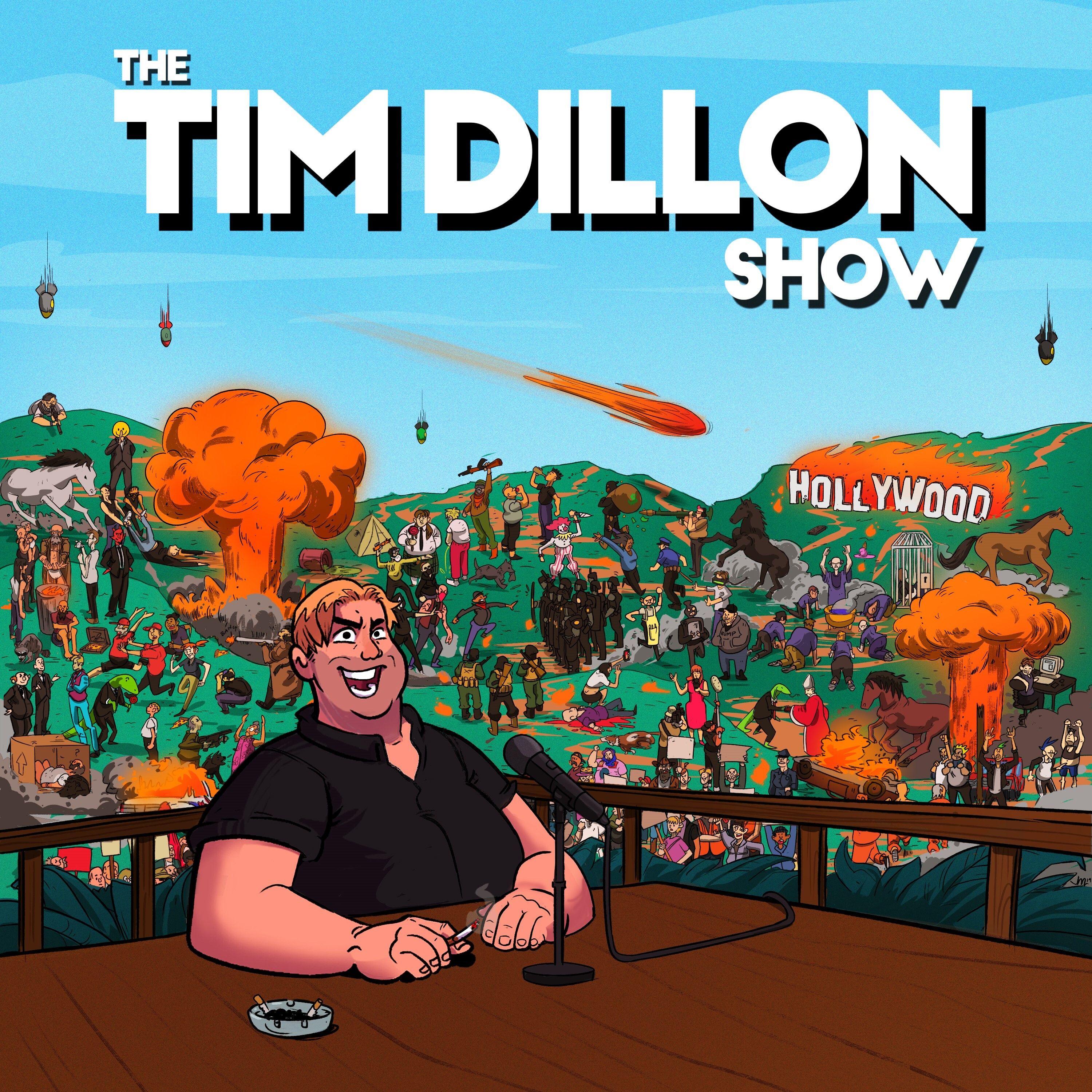
Overview of The Tim Dillon Show
This episode is a dark, deliberately shocking monologue that jumps from 9/11 reflection to Netanyahu and October 7 intelligence failures to a sprawling rant about AI as an existential threat. Tim Dillon mixes crude humor, political satire, and cultural criticism to argue that modern America feels spiritually hollow, that major institutions are chaotic or dishonest, and that humanity may be sleepwalking into self-destruction through technology.
9/11, Memory, and National Unity
Dillon spends a large portion of the episode framing 9/11 as the defining event of his generation and, in his usual transgressive style, calls the post-attack period the most coherent and united time in his life.
Main points
- He describes 9/11 as the moment he became aware of American foreign policy and the beginning of a new era.
- He contrasts the 1990s as a relatively apolitical, culturally vibrant time with the post-9/11 era, which he says gave the country a shared purpose.
- He argues that people felt more patriotic, more civically engaged, and more united after the attacks.
- He repeatedly and intentionally uses offensive, absurdist jokes to provoke while making the broader point that national trauma produced a kind of collective meaning.
Netanyahu, October 7, and Intelligence Failures
The episode then shifts into commentary on Benjamin Netanyahu and the warnings reportedly given before the October 7 Hamas attack.
Main points
- Dillon cites reports that Netanyahu was warned by foreign officials, including the UAE and Egyptian intelligence, about a potential Hamas attack.
- Rather than treat this as a simple failure of intelligence, he jokes that Netanyahu may have been distracted, unfocused, or effectively “ADHD.”
- He uses Hillary Clinton’s public remarks about Netanyahu to suggest, in a sarcastic way, that she was implying he may have allowed events to unfold for political advantage.
- Dillon frames the whole discussion as another example of leaders failing to properly absorb warnings or act decisively.
AI, “Artificial Annihilation,” and the End of the Cycle
A major theme of the episode is Dillon’s belief that artificial intelligence is the newest civilization-ending force, and that society is both terrified by and oddly fascinated with it.
Main points
- He reacts to news about Anthropic employees warning that AI could become uncontrollable and potentially kill humanity.
- He argues that tech companies and governments are moving too quickly, with no realistic way to stop the momentum.
- He suggests AI is one of the only truly “interesting” things left in culture because so much else feels stale, repetitive, or meaningless.
- He imagines a future in which superintelligent machines wipe out humanity and then attempt to rebuild civilization better than humans did.
- The bit escalates into a long speculative fantasy about post-human life, regeneration, and whether AI would create a more orderly species.
Broader Cultural Critique
Underneath the jokes, Dillon returns to a familiar theme: modern life is ugly, overmediated, and spiritually exhausted.
What he criticizes
- Endless political outrage and people living in separate realities
- Consumer culture, social media, and status behavior
- The decline of originality in movies, art, and public discourse
- The absurdity of biohacking, wellness trends, and “looksmaxing”
- The idea that society is now sustained by shallow novelty rather than meaning
Style and Tone
- The episode is highly satirical, aggressive, and intentionally offensive.
- Dillon uses exaggeration, mock sincerity, and grotesque imagery to make political and cultural points.
- He repeatedly blends serious subjects with tasteless jokes, which is central to the show’s style.
- The transcript also includes multiple ad reads and sponsor segments interspersed through the monologue.
Key Takeaway
This episode treats 9/11, the Israel-Hamas conflict, and AI as connected symbols of a civilization that is unstable, overconfident, and running out of coherence. Dillon’s core message is less a policy argument than a bleak comic worldview: modern life feels spiritually depleted, history keeps repeating itself, and the next big rupture may come not from war, but from technology.