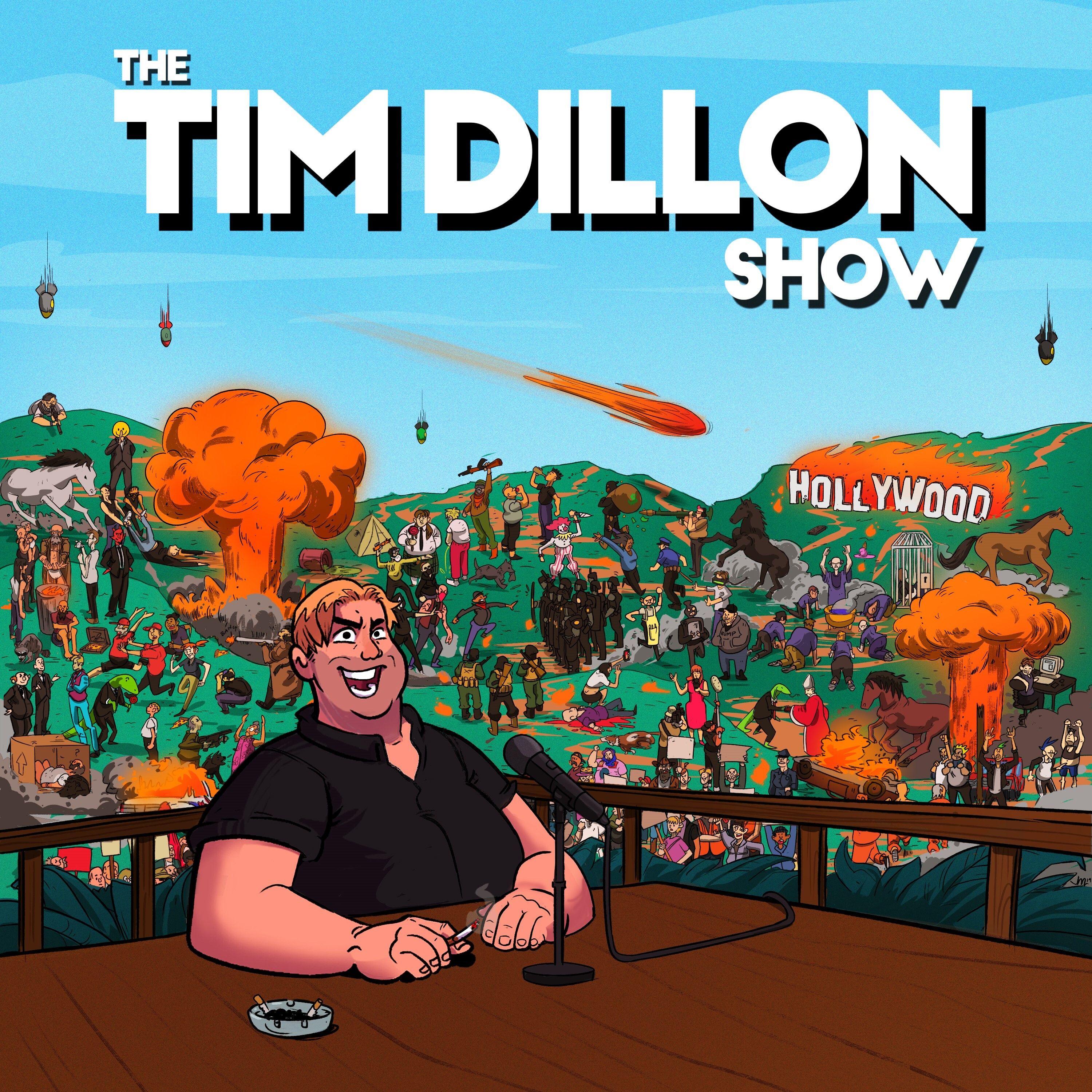
Overview of The Tim Dillon Show
This episode is a fast-moving, satirical political and cultural rant that moves from the Andrew Tate arrests to Lindsey Graham’s family, the future of both major parties, the decline of chain restaurants, and America’s addiction to ultra-processed food. Tim Dillon mixes personal anecdotes, tabloid-style commentary, and broad political theory to argue that much of American life is driven by corruption, bad incentives, and stale narratives that no longer work.
Andrew Tate, allegations, and personal experience
Dillon’s personal encounter
- Tim recounts meeting Andrew and Tristan Tate in Romania years ago.
- He says they were friendly, generous, and treated him well during a comedy trip in Bucharest.
- He emphasizes that this is only his personal experience and does not negate the allegations against them.
His stance on the charges
- He explicitly says abuse, choking women until they pass out, and rape are wrong and unacceptable.
- At the same time, he jokes that the Tates seem to be among the only “human traffickers” society seems especially interested in arresting.
- He frames the whole situation as a messy, ongoing saga of arrests, releases, and new charges.
Lindsey Graham, his sister, and the “honor code” satire
The Darlene Graham segment
- Tim riffs on the idea that Lindsey Graham’s sister, Darlene, is running for his Senate seat.
- He turns it into a darkly comic performance about Washington’s “honor code,” closeted behavior, and political hypocrisy.
- The bit escalates into absurdity, using exaggerated sexual and political language to mock elite institutions and performative morality.
What he’s really saying
- Beneath the jokes, Dillon is arguing that Washington politicians often live by a code of secrecy and hypocrisy.
- He uses Lindsey Graham as a symbol of establishment politics: public toughness, private corruption, and unwavering support for war.
Political realignment: right-wing insurgents vs. the DSA
The right
- Dillon argues that establishment Republicans are pushing the country toward another major Middle East war, especially with Iran.
- He says the online right-wing media ecosystem has real influence culturally, but little institutional power.
- He portrays figures like Tucker Carlson, Candace Owens, and Nick Fuentes as loud but largely outside the actual levers of government.
The left
- He argues the Democratic Socialists of America are becoming the true insurgency inside the Democratic Party.
- He brings up figures like Zohran Mamdani and AOC as examples of a newer, more charismatic left.
- He says some DSA candidates have the right ideas on class and healthcare but are often “not camera ready” and need much better media training.
His broader point
- Both major parties are failing because they rely on stale personalities, identity-driven messaging, and theatrical behavior.
- He thinks American politics has become a kind of performance industry rather than serious governance.
Chain restaurants, processed food, and the death of the old American dining model
Red Robin and the collapse of “fun food”
- A big portion of the episode is devoted to the decline of chain restaurants like Red Robin, TGI Fridays, Red Lobster, Chili’s, and IHOP.
- Dillon says these places sold “food theater” — oversized, novelty meals that were more spectacle than nutrition.
- He argues the era of pretending this kind of food is harmless is ending because people are more aware of what they’re eating.
His larger health argument
- He blames much of America’s obesity and health crisis on cheap, ultra-processed food.
- He says chain restaurants and private equity have turned dining into a factory system designed to maximize profits, not health.
- He frames this as a class issue: lower-income people are often pushed toward the worst food options.
Private equity critique
- He attacks firms like Blackstone for buying food-service businesses, shrinking portions, automating service, and lowering quality.
- In his view, private equity treats customers like prisoners and strips restaurants of any human warmth or value.
RFK Jr. and food regulation
A rare point of agreement
- Dillon says Robert F. Kennedy Jr. is at least trying to do something about ultra-processed food.
- He notes support for warning labels and bans on junk food advertising aimed at children.
- He credits RFK Jr. for pushing the issue, even while joking about his eccentricities.
His takeaway
- He argues that both parties have long ignored the damage done by corporate food systems.
- He wants actual structural change around food quality, especially for children and poor communities.
The deep state, Trump, and political disillusionment
Dillon’s skepticism
- He challenges the idea that Donald Trump is being endlessly thwarted by a mysterious “deep state.”
- His point is that if Trump was supposed to upend the system, but the same system remains in place, then the promise was hollow.
- He says people are allowed to believe Trump is the last great hope, but he doesn’t buy it.
Core critique
- He sees Trump as part of the same permanent political class dynamics: optics, power, wealth, and inertia.
- He thinks the country is being governed by elites regardless of which party wins.
- He suggests many political believers are coping with reality by clinging to narratives that feel good.
Key takeaways
- Andrew Tate: Tim separates his personal experience from the serious allegations, while maintaining that abuse and trafficking are unacceptable.
- Lindsey Graham satire: A grotesque comedic riff on Washington hypocrisy, war politics, and hidden behavior.
- Party realignment: Both the right and left are increasingly driven by online insurgents, but the institutions themselves are stale and ineffective.
- Food culture: Dillon thinks America’s chain restaurant era is collapsing because people now understand how unhealthy the food is.
- RFK Jr.: He sees occasional progress on food regulation and says that issue matters more than most politicians admit.
- Deep state skepticism: He rejects simplistic narratives and argues that real power often stays unchanged no matter who wins elections.
Tone and style
- Highly profane, satirical, and deliberately provocative.
- Mixes genuine policy concerns with exaggerated character comedy.
- Uses shock humor to make broader arguments about hypocrisy, health, class, and political decay.