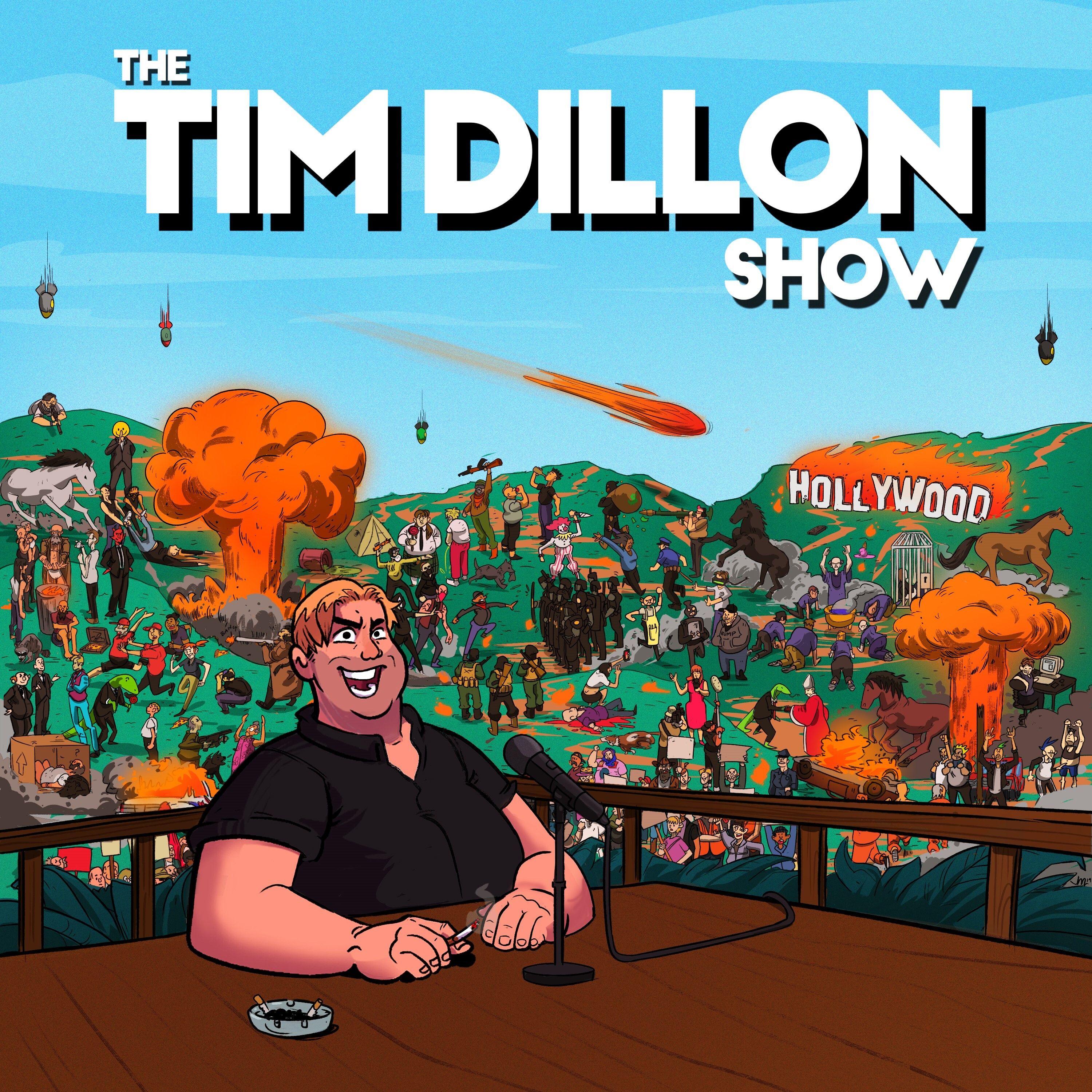
Overview of The Tim Dillon Show
Tim Dillon opens with a long satirical riff on Donald Trump, presenting him as a power-obsessed, bored, history-hungry figure who wants to be remembered for “doing something huge” — even imagining nuclear war as the ultimate expression of power. The main interview is with New York Times reporters Maggie Haberman and Jonathan Swan, who discuss their book Regime Change and unpack Trump’s second term, the Iran war, the Epstein fallout, J.D. Vance, Netanyahu, and how the MAGA coalition is shifting. The conversation centers on one big idea: Trump is less constrained than in his first term and more focused on legacy, power, and spectacle than on ideology.
Trump’s Second Term: More Power, Less Constraint
Haberman and Swan argue that Trump’s second term is fundamentally different from the first.
What changed
- In term one, Trump was surrounded by skeptical staff, under investigation, and still learning the system.
- In term two, he is backed by loyalists who survived indictments, court battles, and assassination attempts with him.
- He is described as more emboldened, more instinct-driven, and less responsive to domestic political pressures.
Core takeaway
- Trump is not operating from a fixed ideology so much as from a set of durable instincts:
- anti-trade grievance
- suspicion of NATO and foreign entanglements
- a hunger for historic significance
- an attraction to displays of force
Iran, Israel, and Netanyahu
A major portion of the discussion focuses on Trump’s move toward war with Iran, despite his earlier “no more foreign wars” message.
Why Trump moved in that direction
- According to the guests, Trump was more hawkish on Iran than many of his own advisors.
- Netanyahu pushed hard for action, but Trump was not simply “puppeteered” into it.
- Trump believed the operation would be fast and manageable, and he was influenced by the perceived success of Israeli military operations, including the pager attack on Hezbollah.
What motivated him
- The guests describe Trump as wanting to do “big things” on the world stage.
- They argue he sees himself as a great man of history, and military action appeals to that self-image.
- Tim’s framing is more extreme and comedic, but the interview suggests the same basic point: Trump is drawn to power demonstrations and dramatic action.
Epstein, Transparency, and MAGA Fractures
The Epstein scandal is presented as a major stress test for the Trump coalition.
What went wrong
- Trump-aligned figures like Kash Patel and Dan Bongino had built careers demanding Epstein transparency.
- Once in power, the administration became much more cautious and defensive.
- The release of documents did not deliver the explosive revelations supporters expected, which created backlash.
Why it mattered
- Haberman and Swan say this was one of the first big moments when Trump lost altitude with parts of his own base.
- It exposed the gap between anti-elite rhetoric and the realities of governing.
- The administration’s handling of the issue showed how hard it is to satisfy a movement built on suspicion and conspiracy.
J.D. Vance, Charlie Kirk, and the Future of MAGA
The interview also looks at the internal power structure around Trump and what comes next.
J.D. Vance’s role
- Vance is described as more ideologically committed than Trump, especially on anti-interventionism and immigration.
- Trump likes him because he is smart, works well on TV, and fits a role in Trump’s worldview.
- But the guests suggest Trump may not make succession easy for him.
Charlie Kirk’s influence
- Kirk is presented as an important bridge between Trump and younger conservative voters.
- The guests say he was becoming more skeptical of Iran intervention and was influential in Trump’s orbit.
- His loss is portrayed as significant for the movement’s internal balance.
The Future of U.S.-Israel Relations
The conversation ends with a broader geopolitical question: where does the U.S.-Israel relationship go from here?
Main points
- Public opinion is shifting, especially among younger Republicans and Democrats.
- Trump is aware that parts of his base are becoming more skeptical of Israel.
- The guests think the next phase of the relationship will be more uncertain and possibly more strained.
- They suggest the trend line points toward more skepticism, not less.
Notable Takeaways
- Trump’s real motivation is power, not policy consistency.
- His second term is more insulated and less restrained than the first.
- The Iran war reflected both Netanyahu’s pressure and Trump’s own appetite for big, historic action.
- Epstein became a major credibility problem for MAGA’s transparency politics.
- The future Republican coalition may be less uniformly pro-Israel than in the past.
Overall Impression
This episode blends Tim Dillon’s dark political satire with a serious insider interview. The humor pushes the opening into absurd territory, but the Haberman-Swan segment provides the substantive core: Trump is more confident, more isolated, and more committed to legacy politics than ever, while the MAGA movement itself is beginning to fracture over war, Epstein, and the limits of loyalty.