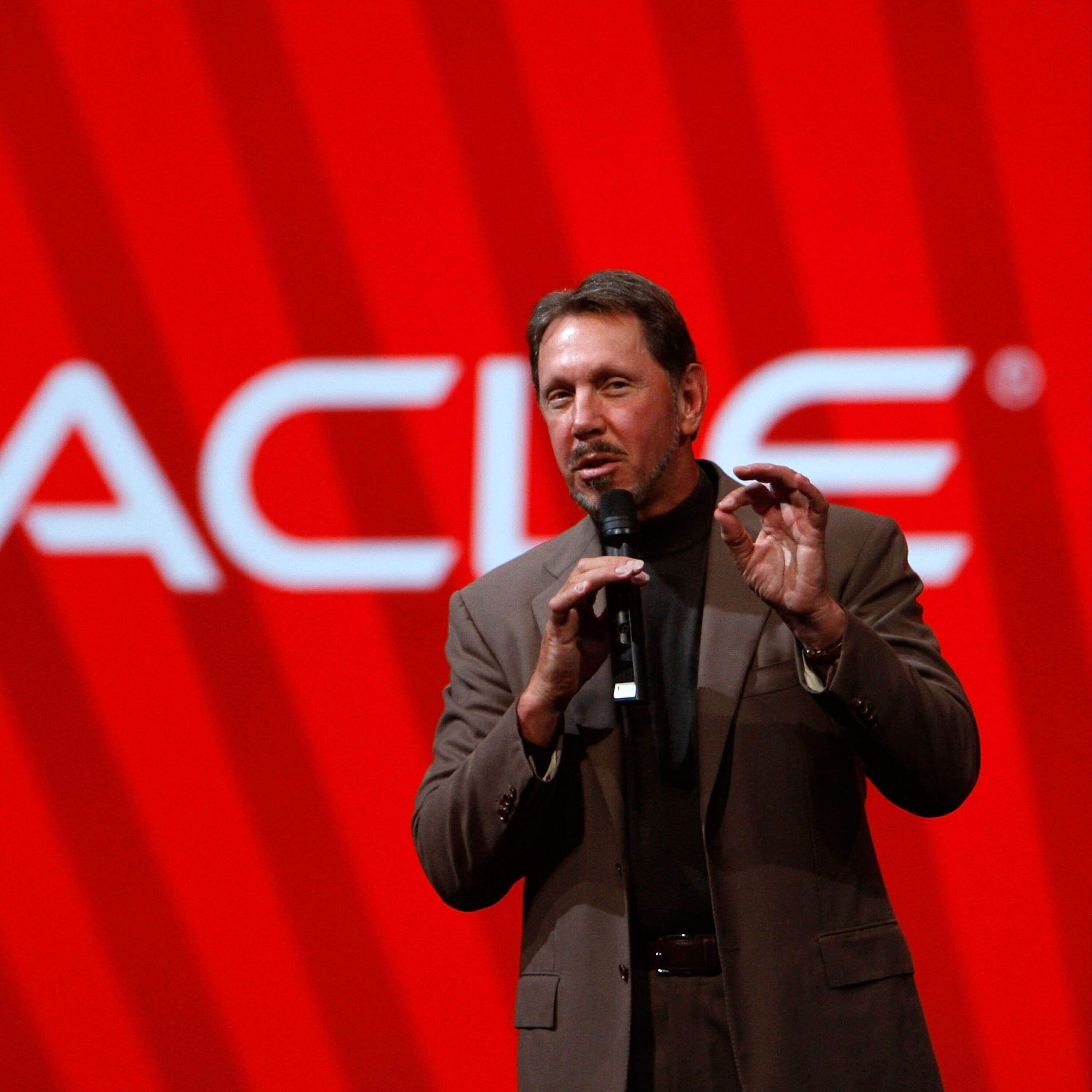
Overview of Why Oracle's debt load could be your problem
This NPR Indicator segment explains why Oracle’s aggressive borrowing to fund AI data center expansion is making credit markets nervous. Although Oracle is benefiting from AI demand and booming revenue, its rapidly rising debt, reliance on OpenAI, and participation in a web of “circular” AI deals have made it a potential weak link in the broader AI economy. The episode argues that if Oracle’s finances deteriorate, the effects could spread beyond the company itself and create risk across the tech and credit markets.
Why Oracle Matters in the AI Boom
Oracle is best known for enterprise software and databases, but it has shifted toward capital-intensive cloud and data center infrastructure to serve AI companies.
Key points:
- Oracle’s software business has historically been steady and profitable.
- The company is now spending heavily to build data centers for AI workloads.
- Its debt has nearly doubled in two years, reaching about $169 billion.
- That makes Oracle one of the largest investment-grade corporate borrowers, and much riskier than it once was.
The Debt and Credit Concerns
The central concern is that Oracle is no longer just a profitable software company — it is becoming a highly leveraged infrastructure builder.
Why investors are uneasy:
- Oracle is burning cash while funding massive construction and expansion.
- The payoff from these investments may take years, and success is not guaranteed.
- Oracle entered the AI race in a weaker financial position than other big tech firms.
- Its credit profile has deteriorated enough that S&P downgraded Oracle in July, putting it just one notch above junk status.
What that means:
- If Oracle falls to junk, many institutional investors — including pension funds — may be forced to sell or avoid its bonds.
- Refinancing future debt would become much more difficult and expensive.
- The company could face tighter financial constraints just as it is trying to expand.
The OpenAI Connection and “Circular” AI Deals
A major theme of the episode is how Oracle is deeply entangled with OpenAI and other AI giants in a loop of spending, investing, and hardware purchases.
The circular structure:
- OpenAI reportedly committed to paying Oracle around $300 billion over five years.
- Oracle uses these relationships to justify massive data center build-outs.
- Oracle buys chips from NVIDIA to power its infrastructure.
- NVIDIA also invests in OpenAI, which then buys compute from Oracle.
The episode suggests these relationships create a fragile ecosystem where companies are effectively financing one another’s growth, raising questions about how real and durable the demand is.
The Force Majeure Notice and Rising Risk Signals
Oracle also raised eyebrows by issuing a force majeure notice related to a massive data center project in New Mexico for OpenAI.
Important context:
- A force majeure notice is typically used when unexpected events prevent performance or payment.
- Oracle said the project remains on schedule publicly, but the notice suggested possible delays in loan repayments.
- Credit investors noticed, and Oracle’s credit default swap (CDS) prices have risen, signaling higher perceived risk.
The segment emphasizes that this does not mean Oracle is near bankruptcy, but it does show the market is increasingly worried.
Why This Could Affect the Broader Economy
The episode’s most important takeaway is that Oracle may be systemically important to the AI boom.
Broader implications:
- If OpenAI runs into trouble, that could hurt Oracle.
- If Oracle weakens, that could affect NVIDIA and other linked firms.
- Because these companies are so interconnected, a problem in one could ripple through the whole AI ecosystem.
The hosts and guests compare the risk to a financial bubble scenario where a highly interconnected company becomes “too interconnected to fail,” echoing concerns from the 2008 crisis.
Main Takeaways
- Oracle is still a major AI beneficiary, but it is also taking on significant financial risk.
- Its debt burden, dependence on OpenAI, and circular deal structure have made credit investors cautious.
- Rising CDS spreads and the S&P downgrade show that markets are pricing in more risk.
- If Oracle’s AI expansion falters, the consequences could extend well beyond one company and into the broader tech and credit markets.
Bottom Line
Oracle sits at the center of the AI infrastructure buildout, but its balance sheet is becoming increasingly stretched. The episode warns that if the AI boom is more fragile than it looks, Oracle’s debt could become everyone else’s problem too.